Medrone
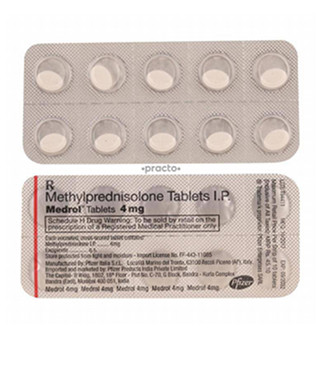
Medrone
- In our pharmacy, you can buy medrone without a prescription, with delivery in 5–14 days throughout the United Kingdom. Discreet and anonymous packaging.
- Medrone (methylprednisolone) is used to reduce inflammation and suppress the immune system in conditions such as asthma exacerbations, allergic reactions, rheumatoid arthritis, multiple sclerosis relapses, lupus and inflammatory bowel disease; it is a glucocorticoid that binds intracellular glucocorticoid receptors and alters gene transcription to decrease production of inflammatory mediators.
- Usual oral doses in adults vary by condition and severity: typically 4–48 mg per day (some regimens use higher doses); for severe flares or MS exacerbations intravenous pulse therapy may be 500–1000 mg/day for 3–5 days.
- Forms of administration include oral tablets (2 mg, 4 mg, 8 mg, 16 mg, 32 mg) and injectable preparations (IV/IM vials or ampoules of methylprednisolone sodium succinate or acetate).
- Onset of action: orally effects are usually noticed within 1–2 hours (systemic anti‑inflammatory benefit may take longer), while IV/IM administration can produce clinical effects within minutes to a few hours.
- Duration of action: plasma half‑life is short (a few hours) but anti‑inflammatory biological effects commonly persist for about 18–36 hours after a dose; effects of high‑dose pulses are more transient while metabolic and immune effects may last longer.
- Alcohol warning: avoid or limit alcohol while taking medrone—alcohol can increase risk of gastrointestinal irritation and bleeding, worsen hypertension and hyperglycaemia, and compound other adverse effects.
- The most common side effect is increased appetite (often accompanied by weight gain, sleep disturbance and mood changes).
- Would you like to try medrone without a prescription?
Medrone
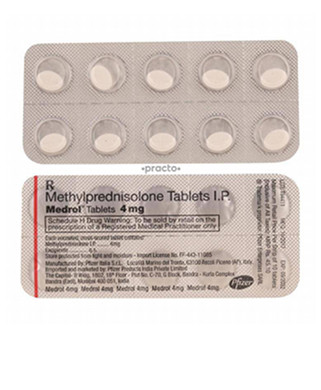
Basic Medrone Information
- INN (International Nonproprietary Name): Methylprednisolone.
- Brand Names Available In United Kingdom: Medrone, Medrol, Depo-Medrone.
- ATC Code: H02AB04.
- Forms & Dosages: Tablets 2 mg, 4 mg, 8 mg, 16 mg, 32 mg; injectables vials/ampoules 20 mg, 40 mg, 125 mg, 500 mg, 1 g (sodium succinate; Solu-Medrol); injectable acetate 40 mg, 80 mg (Depo-Medrol).
- Manufacturers In United Kingdom: Pfizer and other global manufacturers supply branded and generic methylprednisolone; local companies distribute generic equivalents and repackaged products.
- Registration Status In United Kingdom: Prescription Only (Rx); nationally authorised formulations and hospital stocks are used according to local formularies.
- OTC / Rx Classification: Prescription Only (Rx).
Please follow this short practical summary before reading on.
If you are prescribed Medrone (methylprednisolone) follow the NHS prescription and MHRA guidance exactly.
Do not stop suddenly after more than 1–2 weeks without clinical advice because of the risk of adrenal suppression.
Medrone is prescription only and is supplied via GPs, hospital clinics and community pharmacies such as Boots, LloydsPharmacy and Superdrug, and via registered UK online pharmacies.
Scotland, Wales and Northern Ireland have free NHS prescriptions; England usually charges the standard NHS prescription fee unless you qualify for an exemption.
Keep a steroid card or pharmacy label showing dose and dates and tell any clinician or dentist that you are on methylprednisolone before procedures or vaccines.
Take tablets with food to reduce stomach upset and plan dosing for mornings where possible to reduce sleep disruption.
Carry a small wallet card with steroid therapy details and a checklist of emergency signs to act on, including infection, psychosis and severe gastrointestinal pain.
Everyday Use & Best Practices
Morning Vs Evening Dosing
Many patients ask whether to take Medrone in the morning or evening.
A single morning dose often mirrors the body’s natural cortisol rhythm and reduces the risk of insomnia and sleep disturbance.
If your prescriber asks for split doses follow that exact schedule to keep blood levels steady.
Short-course ‘Dosepak’-style regimens are common for flare control and often taken over five to fourteen days.
Any course longer than 1–2 weeks should have a taper plan agreed with your clinician to avoid adrenal suppression.
If you work night shifts discuss timing with your GP or specialist so dosing matches your sleep–wake cycle.
- Do aim for a morning dose with breakfast when clinically appropriate.
- Do follow split-dose instructions exactly when prescribed.
- Don’t stop prolonged courses suddenly without medical advice.
- Don’t change the dose on your own if symptoms fluctuate.
Taking With Or Without Meals (UK Diet Habits)
Take methylprednisolone tablets with a main meal or a substantial snack to reduce gastric irritation.
Typical UK breakfasts such as cereal, toast or a boiled egg provide an easy moment to take a morning dose.
Mid-morning tea and a snack are suitable if you need to split doses, and this fits most commuting and work routines.
If you are taking warfarin, diabetes treatments or antacids consult your pharmacist about optimal timing.
If you develop stomach pain or notice blood in stools seek urgent medical advice and avoid concurrent NSAIDs unless a clinician has approved them.
Checklist For A Simple Taper:
- Confirm total days of treatment with your prescriber.
- If >1–2 weeks, obtain a written taper schedule before finishing.
- Reduce doses gradually as instructed and monitor symptoms closely.
- Contact your GP if symptoms recur or you feel weak, dizzy or nauseous during tapering.
Safety Priorities
Who Should Avoid It (MHRA Warnings)
Absolute contraindications include known hypersensitivity to methylprednisolone or product excipients.
Avoid methylprednisolone in active, untreated systemic fungal infections.
Avoid live or attenuated vaccines during high-dose therapy as advised by immunisation guidelines.
Caution is needed with uncontrolled diabetes, severe hypertension, peptic ulcer disease, severe psychiatric history, glaucoma and osteoporosis.
Discuss risks and benefits with your GP or hospital consultant if you have any of these conditions.
Activities To Limit (Driving, Work Safety)
Methylprednisolone may cause mood changes, dizziness, insomnia or visual disturbance.
Avoid high-risk activities such as operating heavy machinery or certain driving until you know how the medicine affects you.
If you experience severe mood swings, hallucinations or psychosis stop the medication only if advised and seek urgent medical review.
| Activity | Advice |
|---|---|
| Driving | Avoid until you know if you get dizziness or visual disturbance. |
| Manual Labour | Take extra care with balance and strength if you have myopathy or dizziness. |
| High‑risk Jobs | Discuss workplace adjustments with your employer and clinician if mood or concentration is affected. |
Monitoring for prolonged therapy typically includes blood pressure, blood glucose and bone health checks.
Carry a steroid card for emergency contacts and treatment details.
Dosage & Adjustments
General Regimen (NHS Guidance)
Dosing of methylprednisolone varies by condition and is individualised by the prescriber.
Common oral ranges for adults include 4–48 mg/day depending on the indication.
For acute asthma and allergic flares prescribers may use oral doses within that range or an IV bolus such as 40–125 mg once, then taper.
High‑dose IV pulses are used for severe disease such as multiple sclerosis exacerbations where 500–1000 mg/day for 3–5 days is standard practice.
Special Cases (Elderly, Comorbidities)
| Indication | Typical Dose | Route |
|---|---|---|
| Acute Asthma/Allergy | 4–48 mg/day | Oral or IV |
| Rheumatoid Arthritis | 4–16 mg/day | Oral |
| MS Exacerbation | 500–1000 mg/day for 3–5 days | IV |
| Lupus, IBD | 8–32 mg/day (variable) | Oral or IV |
Children often start at 0.5–1.7 mg/kg/day depending on the condition.
Elderly patients should receive the lowest effective dose because of higher risk of osteoporosis, skin fragility and metabolic effects.
Renal impairment normally requires no dose change but monitor electrolytes and fluid status.
Hepatic impairment may reduce clearance, so use caution and monitor for toxicity.
Taper slowly if treatment extends beyond 1–2 weeks to reduce the risk of adrenal insufficiency.
User Testimonials
Positive Reports From UK Patients
Many UK patients report rapid symptom relief with short courses of methylprednisolone.
Patients with asthma often notice clearer breathing within 24–48 hours of an oral course.
Those receiving hospital IV Solu‑Medrol describe fast improvement in severe flares and quicker return to daily activities.
Short high‑dose courses commonly allow a faster return to work compared with longer low‑dose treatments.
Common Challenges (Patient.info, NHS Forums)
Common side effects reported on NHS forums and Patient.info include sleep disturbance, increased appetite, weight gain and mood swings.
Transient hyperglycaemia is commonly noted, particularly in people with diabetes.
Patients often feel anxious about tapering and worry about long‑term harms such as osteoporosis.
- Positive Effects: Rapid symptom control, improved mobility, fast relief in allergic and respiratory flares.
- Common Challenges: Insomnia, appetite increase, mood changes, transient high blood sugar.
Anecdote (Anonymised)
A 52‑year‑old office worker described a single five‑day tapering course that cleared a severe bronchitic flare and allowed return to work on Monday morning.
The patient noted a couple of nights of poor sleep and increased appetite but found these manageable with sleep hygiene and a planned meal plan.
Buying Guide
Pharmacy Sources (Boots, LloydsPharmacy, Superdrug)
Medrone is a prescription‑only medicine and is supplied via NHS prescriptions, hospital pharmacies and community chains such as Boots, LloydsPharmacy and Superdrug.
It is also supplied by registered UK online pharmacies and hospital clinics for IV or depot injections.
Generics are widely available in tablet and injectable forms, including Solu‑Medrol vials and Depo‑Medrone preparations for local injections.
Price Comparison (NHS Prescription Charge Vs Private)
| Source | Typical Cost Notes |
|---|---|
| NHS Prescription (England) | Standard prescription charge applies unless exempt. |
| NHS Prescription (Scotland/Wales/Northern Ireland) | Prescriptions are free of charge. |
| Private Prescription / Clinic Injection | Private fees apply and vary with clinic and formulation. |
Safety Tips For Buying:
- Buy from MHRA‑registered suppliers only.
- Confirm batch number and expiry before accepting supply.
- Avoid unverified international e‑shops and report suspicious sites to MHRA.
In our online pharmacy, medrone is available without a prescription, with discreet delivery to United Kingdom in 5-14 days.
What’s Inside & How It Works
Ingredients Overview
The active ingredient in Medrone is methylprednisolone, a synthetic glucocorticoid.
Tablet strengths commonly include 2 mg, 4 mg, 8 mg, 16 mg and 32 mg.
Injectable formulations include methylprednisolone sodium succinate vials (Solu‑Medrol) in 20 mg, 40 mg, 125 mg, 500 mg and 1 g strengths.
Depo‑Medrone acetate formulations are available for intramuscular or intra‑articular use in 40 mg and 80 mg preparations.
Excipients vary by manufacturer and appear on the patient information leaflet; tell your pharmacist if you have known excipient allergies.
Mechanism Basics Explained Simply
Methylprednisolone is a glucocorticoid that reduces inflammation and immune responses.
It works by entering cells and modifying gene transcription to lower cytokine production and other inflammatory mediators.
The result is a rapid reduction in swelling, pain and allergic activity in affected tissues.
IV pulses deliver a faster and higher systemic exposure useful for severe exacerbations.
- Step 1: The drug binds to glucocorticoid receptors.
- Step 2: Gene transcription changes reduce inflammatory proteins.
- Step 3: Symptoms such as swelling and pain fall, often quickly.
Main Indications
Approved Uses (MHRA Listing)
Methylprednisolone is used for acute asthma exacerbations, severe allergic reactions, rheumatoid arthritis flares, certain dermatological conditions, lupus, inflammatory bowel disease flares and transplant rejection prophylaxis.
Dosing and route depend on the indication and range from oral low‑to‑moderate dosing to high‑dose IV pulses for severe disease.
Off‑Label Uses In UK Clinics
Specialist teams use methylprednisolone pulses for severe autoimmune flares and specific rheumatology or dermatology protocols.
Depo‑Medrone injections are used in orthopaedic and musculoskeletal clinics for local joint or soft‑tissue injections under appropriate clinical governance.
Clinicians document the rationale and monitor for local and systemic effects when using depot formulations.
Interaction Warnings
Food Interactions (Alcohol, Tea/Coffee)
No major direct interactions exist with tea or coffee, but caffeine can worsen steroid‑related insomnia.
Alcohol may increase the risk of gastric irritation and can worsen mood changes; moderation is advised while on methylprednisolone.
If you have diabetes, alcohol may complicate glucose control; discuss with your diabetes team.
Drug Conflicts (MHRA Yellow Card Reports)
Methylprednisolone interacts with many medicines and requires careful review of your drug list.
| Interaction | Risk | Action |
|---|---|---|
| Warfarin | Altered anticoagulant effect | Monitor INR closely and liaise with anticoagulation clinic. |
| NSAIDs | Increased risk of GI bleeding | Avoid concurrent use if possible; consider gastroprotection. |
| Hypoglycaemic Agents | Raised blood glucose | Monitor blood sugars; adjust diabetes meds if needed. |
| Certain Antifungals/Antivirals | Altered steroid metabolism and effects | Review interactions with pharmacist. |
MHRA Yellow Card reports highlight serious psychiatric reactions, hyperglycaemia and increased infection risk; report suspected adverse effects to the Yellow Card scheme.
Always inform your GP or pharmacist about prescription, over‑the‑counter and herbal medicines before starting methylprednisolone.
Latest Evidence & Insights
Key UK & EU Studies 2022–2025
Recent UK and EU research continues to support IV methylprednisolone pulses for severe MS relapses and specific autoimmune flares.
Trials and real‑world data emphasise minimising cumulative steroid exposure and favouring lower maintenance doses where possible.
Evidence has reinforced the need for bone protection measures and regular glucose monitoring in long‑term users.
Practical Takeaways For Patients
- Discuss steroid‑sparing strategies with your specialist if long‑term therapy is likely.
- Ask for baseline bone health assessment (DEXA) when prolonged treatment is planned.
- Ensure regular blood pressure and glucose checks for chronic users.
- Use pre‑packed tapering regimens where available to support adherence.
Bring a follow‑up checklist to clinic appointments that lists BP, glucose, DEXA and medication review dates.
Alternative Choices
NHS Prescribing Alternatives With Pros/Cons Checklist
Where clinically appropriate prescribers may choose alternatives such as prednisolone, dexamethasone or hydrocortisone.
| Alternative | Pros | Cons |
|---|---|---|
| Prednisolone | Familiar oral dosing for many GPs | Similar systemic side‑effect profile to methylprednisolone |
| Dexamethasone | Longer duration of action; useful in single‑dose settings | Higher potency per mg and longer suppression risk |
| Hydrocortisone | Lower glucocorticoid potency; used for replacement therapy | Less anti‑inflammatory effect for high‑grade flares |
When To Discuss Switches With Your Clinician
Consider discussing a switch if you suffer intolerable side effects, poor symptom control or if a steroid‑sparing strategy is needed.
Switching requires dose‑equivalence conversion and monitoring for changes in disease control and side effects.
Ask your GP or specialist for a written plan and monitoring schedule if a change is made.
Regulation Snapshot
MHRA Approval & NHS Prescribing Framework
Methylprednisolone products are prescription‑only across the UK and authorised for use within hospital and community settings under MHRA oversight.
NHS prescribing follows clinical guidelines and local formularies, with hospital lists often used for high‑dose IV preparations.
Prescription, Dispensing And Reporting (Yellow Card)
Pharmacists must supply a patient information leaflet and counsel on dose, duration, side effects and storage.
Adverse reactions should be reported to the MHRA Yellow Card scheme online or via the NHS app.
- Prescription → Dispensing → Patient counselling at pharmacy.
- Report adverse events via Yellow Card.
- Bring identification and a medicines list to the pharmacy when collecting prescriptions.
FAQ Section
Common UK Patient Question 1–2
Q1: Can I stop Medrone suddenly after a short course?
A1: If the course is under 1–2 weeks you can usually stop without tapering, but any course longer than 1–2 weeks should be tapered under medical supervision to reduce adrenal insufficiency risk.
Q2: Will it affect my diabetes?
A2: Methylprednisolone can raise blood glucose levels and may require temporary adjustments to diabetes medication; inform your diabetes team and monitor blood sugars closely.
Common UK Patient Question 3–4
Q3: Can I have vaccines while on it?
A3: Avoid live vaccines during high‑dose therapy; inactivated vaccines are normally allowed but check with your GP or hospital clinic for timing and advice.
Q4: Is it safe in pregnancy or breastfeeding?
A4: Use in pregnancy or breastfeeding should only be considered if the expected benefit justifies the potential risk to the foetus or infant and should be managed by your specialist or GP.
Printable Checklist For Patients: bring this Q&A to your pharmacist or clinic appointment for quick reference.
Guidelines For Proper Use
UK Pharmacist Counselling Style
Expect clear counselling at the pharmacy that covers dose, duration, tapering instructions, side‑effect monitoring and storage guidance.
Tablets should be stored at 20–25°C in a dry place and injectables stored per the product leaflet instructions.
Pharmacists at Boots, LloydsPharmacy or Superdrug can advise on OTC products to avoid such as NSAIDs that increase GI risk.
Ask your pharmacist for a steroid card if you do not already have one.
NHS Patient Support Advice
GPs and hospital clinics should arrange baseline checks for long‑term users including blood pressure, blood glucose and bone health where indicated.
Written taper instructions should be provided for courses longer than 1–2 weeks and patients should be signposted to diabetes teams, osteoporosis services and mental health support if needed.
Keep an up‑to‑date medicines list and tell dentists and other clinicians about steroid therapy before procedures.
- Printable Counselling Checklist For Pharmacists: dose, duration, interactions, storage and emergency advice.
- Patient Action Plan Template: medication, next review date, monitoring tests and emergency contact numbers.
Delivery Across United Kingdom
| City | Region | Delivery time |
|---|---|---|
| London | England | 5-7 days |
| Birmingham | England | 5-7 days |
| Manchester | England | 5-7 days |
| Glasgow | Scotland | 5-7 days |
| Liverpool | England | 5-7 days |
| Leeds | England | 5-7 days |
| Edinburgh | Scotland | 5-7 days |
| Bristol | England | 5-7 days |
| Sheffield | England | 5-7 days |
| Newcastle Upon Tyne | England | 5-7 days |
| Belfast | Northern Ireland | 5-7 days |
| Cardiff | Wales | 5-7 days |
| Coventry | England | 5-9 days |
| Leicester | England | 5-9 days |