
Antidepressants

Abilify
from
Amitriptyline
from
Aripiprazole
from
Bupropion
from
Citalopram
from
Efexor Xl
from
Escitalopram
from
Fluoxetine
from
Lithium
from
Molipaxin
from
Nortriptyline
from
Pamelor
from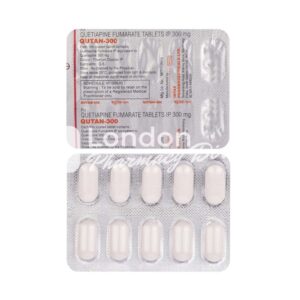
Quetiapine
from
Risnia
from
Risperidone
from
Seroquel
fromUnderstanding Antidepressants: What They Are and How They Work
Antidepressants are medications prescribed to help manage depression and various other mental health conditions. These medicines work by altering the balance of certain chemicals in the brain called neurotransmitters, particularly serotonin, noradrenaline, and dopamine. When these chemical messengers become imbalanced, they can contribute to feelings of sadness, anxiety, and hopelessness. By restoring equilibrium, antidepressants can help lift mood and improve overall wellbeing.
It’s important to understand that antidepressants are not habit-forming and do not provide instant relief. Most people begin to notice improvements after two to four weeks of regular use, though some may take up to eight weeks to experience full benefits. They work best when combined with talking therapies such as cognitive behavioural therapy or counselling. Antidepressants are suitable for people of various ages, though special considerations apply to children and older adults.
The decision to prescribe antidepressants is made carefully by healthcare professionals who assess the severity of symptoms and individual circumstances. They consider factors such as medical history, current medications, and potential side effects before recommending the most appropriate option for each patient.
Types of Antidepressants Available in the United Kingdom
Several classes of antidepressants are available on the UK market, each working in slightly different ways. Understanding these categories helps patients and healthcare providers make informed decisions about treatment options.
Selective Serotonin Reuptake Inhibitors (SSRIs)
Selective Serotonin Reuptake Inhibitors are the most commonly prescribed antidepressants in the United Kingdom. They work by increasing serotonin levels in the brain. Popular SSRIs include sertraline, citalopram, escitalopram, fluoxetine, and paroxetine. These medications are typically well-tolerated and have fewer side effects compared to older antidepressants.
Serotonin and Noradrenaline Reuptake Inhibitors (SNRIs)
Serotonin and Noradrenaline Reuptake Inhibitors work on both serotonin and noradrenaline. Venlafaxine and duloxetine are commonly prescribed SNRIs available in the UK. These medications are often recommended when SSRIs alone haven’t been effective.
Other Antidepressant Classes
Tricyclic Antidepressants (TCAs) are older medications that remain effective for many patients. Amitriptyline and nortriptyline are examples available in the UK. Although they can be effective, they often cause more side effects than newer alternatives, so they’re typically prescribed when other options haven’t worked.
Monoamine Oxidase Inhibitors (MAOIs) are rarely prescribed due to dietary restrictions and potential interactions, but phenelzine remains available in the United Kingdom for treatment-resistant depression. Other antidepressants include mirtazapine, which works differently from other classes and can be helpful for those with sleep disturbances, and bupropion, which affects dopamine and noradrenaline.
Conditions Treated with Antidepressants
Whilst antidepressants are primarily used to treat depression, they’re prescribed for numerous other conditions. Understanding these uses helps patients recognise why their doctor might recommend these medications.
Antidepressants effectively treat a range of mental health and physical conditions:
- Major depressive disorder – persistent feelings of sadness and hopelessness that interfere with daily functioning
- Anxiety disorders – including generalised anxiety disorder, panic disorder, and social anxiety disorder
- Obsessive-compulsive disorder (OCD) – particularly responsive to SSRIs which reduce intrusive thoughts and compulsive behaviours
- Post-traumatic stress disorder (PTSD) – helping people process traumatic memories and reduce nightmares
- Chronic pain conditions – such as fibromyalgia and chronic back pain
- Migraine prevention – reducing frequency and severity of headaches
- Eating disorders – particularly bulimia nervosa and binge eating disorder
- Premenstrual dysphoric disorder – a severe form of PMS that responds particularly well to SSRIs
These medications help restore motivation and improve quality of life for those experiencing these debilitating conditions by calming overactive nervous systems and reducing worry and tension.
Potential Side Effects and What to Expect
Like all medications, antidepressants can cause side effects, though many people tolerate them well. Understanding potential effects helps patients make informed decisions and know what to expect during treatment.
Common initial side effects often resolve within two to four weeks. These may include nausea, headaches, dry mouth, and dizziness. Some patients experience sleep disturbances or vivid dreams when starting treatment. Sexual side effects, including reduced libido and difficulty achieving orgasm, occur in some individuals, particularly with SSRIs.
Weight changes can occur with certain antidepressants. Some medications may increase appetite, whilst others have minimal impact on weight. Gastrointestinal effects such as diarrhoea or constipation may occur, usually temporarily.
Less common but important side effects include serotonin syndrome, which occurs when serotonin levels become dangerously high. Symptoms include agitation, confusion, rapid heart rate, and high blood pressure. This is rare but requires immediate medical attention. Some patients experience emotional blunting, feeling less emotional or motivated than before. Withdrawal symptoms can occur if antidepressants are stopped abruptly, emphasising the importance of gradual dose reduction under medical supervision.
It’s crucial to discuss any side effects with your GP or healthcare provider. Many side effects can be managed by adjusting dosage, changing medication, or taking the dose at different times of day. Never stop taking antidepressants without medical guidance, as this can be dangerous.
Starting Treatment: What You Need to Know
Beginning antidepressant treatment requires careful planning and realistic expectations. Your GP will discuss the benefits and risks specific to your situation before prescribing.
Before starting medication, inform your healthcare provider about all current medications, supplements, and medical conditions. Certain combinations can interact dangerously, and underlying health conditions may affect which antidepressant is most suitable. Pregnancy or breastfeeding requires special consideration of which medications are safest.
Your doctor will start with the lowest effective dose, gradually increasing it if needed. This approach minimises side effects and allows your body to adjust. Keep regular appointments to discuss how you’re responding to treatment and any concerns that arise.
Antidepressants work best alongside other treatments. Speaking with a therapist or counsellor, making lifestyle changes such as regular exercise and improved sleep, and maintaining social connections significantly improve outcomes. Some people benefit from support groups where they can connect with others experiencing similar challenges.
It typically takes four to six weeks to notice significant improvement, though some benefit appears earlier for others. Patience during this period is essential, as is maintaining regular contact with your healthcare provider to monitor progress.
Long-term Management and Support
Antidepressant treatment often requires long-term commitment for best results. Understanding how to manage treatment over months and years helps ensure continued wellbeing.
Most people require at least six to twelve months of treatment, though some need longer. Your doctor will assess when it’s appropriate to consider reducing or stopping medication. This process must be gradual, typically taking several months, to avoid withdrawal symptoms and relapse.
Regular monitoring appointments allow healthcare providers to assess your progress and adjust treatment if needed. Some people require dose adjustments over time or may benefit from switching to a different medication if their current one becomes less effective.
Maintaining healthy lifestyle habits supports medication effectiveness. Regular exercise, adequate sleep, stress management, and limiting alcohol significantly contribute to mental health stability. Continuing with therapy even as symptoms improve helps develop coping strategies and prevent relapse.
If you experience breakthrough symptoms or feel your medication isn’t working optimally, discuss this with your GP. Treatment options include adjusting dosage, adding complementary medication, or switching to an alternative antidepressant. Support from family, friends, and healthcare professionals remains important throughout treatment. Don’t hesitate to reach out when you need help, and remember that seeking treatment is a sign of strength, not weakness.