
Skin Care
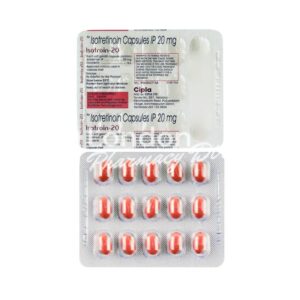
Accutane
from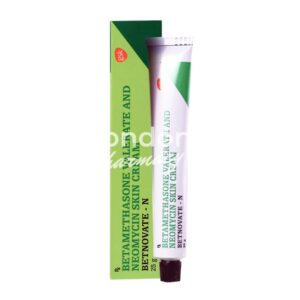
Betnovate
from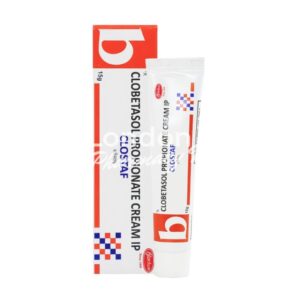
Clobetasol
from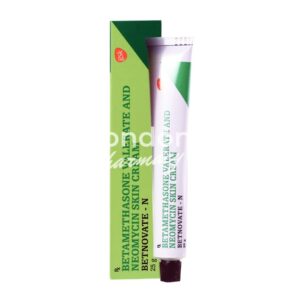
Diprosone
from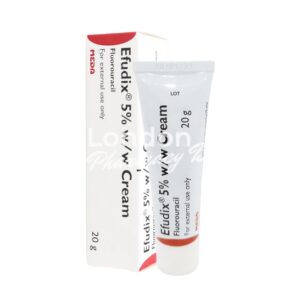
Efudix
from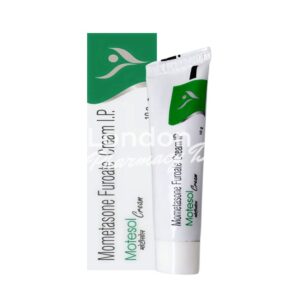
Elocon
from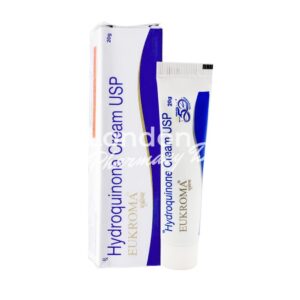
Hydroquinone
from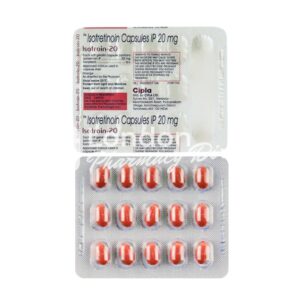
Isotretinoin
from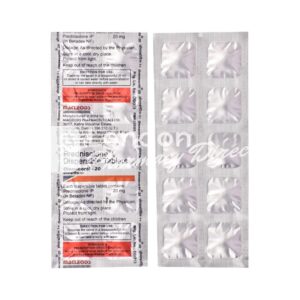
Prednisolone
from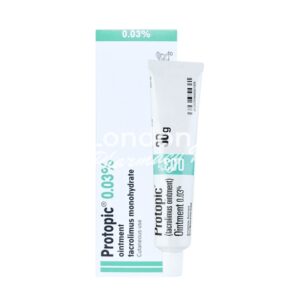
Protopic
from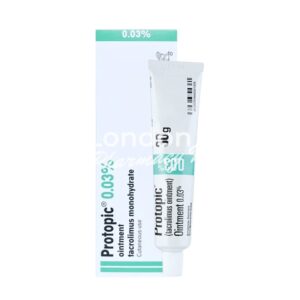
Tacrolimus
from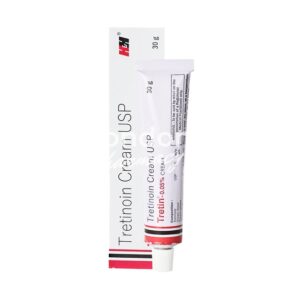
Tretinoin Cream
from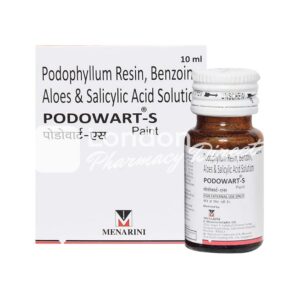
Warticon
fromAcne Treatment
Acne is one of the most common skin conditions affecting people of all ages in the UK. Whether you’re dealing with occasional spots or persistent breakouts, effective acne treatment can help clear your skin and prevent scarring. Acne occurs when hair follicles become clogged with dead skin cells and sebum, often leading to bacterial growth and inflammation.
What Acne Treatment Is Used For
Acne treatments work by reducing sebum production, preventing bacterial growth, and promoting skin cell turnover. They help unclog pores, reduce inflammation, and prevent new spots from forming. Regular use of appropriate acne products can significantly improve skin appearance and boost confidence.
Available Products in the UK Market
Popular acne treatments available include benzoyl peroxide products, which are highly effective at killing bacteria and reducing spots. Salicylic acid treatments help exfoliate and unclog pores naturally. Many people find success with products containing tea tree oil or zinc, which have natural antibacterial properties. Prescription options like adapalene and tretinoin are also available through NHS services for more severe cases.
- Benzoyl peroxide cleansers and spot treatments
- Salicylic acid face washes and toners
- Natural antibacterial serums with tea tree oil and zinc
- Prescription-strength retinoids for severe acne
- Lightweight, non-comedogenic moisturisers
Additional Information
It’s important to be consistent with acne treatment, as results typically appear after 6-8 weeks of regular use. Combining treatments with a good skincare routine—including gentle cleansing and moisturising—provides the best results. If over-the-counter products don’t work, consulting your GP or a dermatologist can lead to prescription solutions tailored to your specific needs.
Anti-Ageing and Wrinkle Reduction
As we age, our skin naturally loses elasticity and develops fine lines and wrinkles. Anti-ageing skincare products are designed to reduce visible signs of ageing and help maintain youthful-looking skin. These treatments work by boosting collagen production, improving skin texture, and protecting against further damage.
What Anti-Ageing Products Are Used For
Anti-ageing skincare targets fine lines, deep wrinkles, loss of firmness, and uneven skin tone. These products help stimulate the skin’s natural renewal process and provide essential hydration to plump fine lines. They also protect against environmental damage from UV rays and pollution, which accelerate ageing.
Available Products in the UK Market
Retinol products are amongst the most popular anti-ageing solutions, known for their effectiveness in reducing wrinkles and improving skin texture. Vitamin C serums brighten the skin and boost collagen production. Hyaluronic acid products provide intense hydration, making skin appear more youthful. Peptide creams help firm and lift the skin. Many UK retailers stock products containing niacinamide, which improves skin elasticity and reduces fine lines. SPF moisturisers combine anti-ageing benefits with daily sun protection.
- Retinol and retinoid creams for wrinkle reduction
- Vitamin C serums for brightening and collagen stimulation
- Hyaluronic acid hydrating serums and moisturisers
- Peptide-enriched eye and neck creams
- Niacinamide products for skin elasticity
- SPF moisturisers with anti-ageing ingredients
Additional Information
Consistent use of anti-ageing products is essential, as results develop over several months. Sun protection is crucial for preventing further ageing damage. Combining targeted serums with moisturisers and eye creams creates a comprehensive anti-ageing routine. Starting anti-ageing skincare in your 20s and 30s can help prevent deeper wrinkles later in life.
Sensitive and Eczema-Prone Skin
Sensitive skin requires gentle, carefully formulated products that won’t cause irritation or inflammation. People with eczema, rosacea, or naturally reactive skin need specialised skincare that soothes and protects rather than irritates. The UK market offers numerous products specifically designed for these delicate skin types.
What Sensitive Skin Products Are Used For
These products calm irritation, reduce redness, and restore the skin’s protective barrier. They help prevent flare-ups of conditions like eczema and rosacea by avoiding common irritants. Sensitive skin products provide gentle cleansing without stripping natural oils, and they typically contain soothing ingredients rather than harsh chemicals.
Available Products in the UK Market
Brands like CeraVe, La Roche-Posay, and Cetaphil are widely available in UK pharmacies and offer excellent products for sensitive skin. Products containing ceramides help repair the skin barrier. Colloidal oatmeal treatments provide natural soothing benefits. Fragrance-free moisturisers with glycerin offer hydration without irritation. Many products contain chamomile or aloe vera for their calming properties. Hypoallergenic cleansers gently remove impurities without disrupting skin balance. Prescription options like topical steroids are available through the NHS for more severe eczema.
- Ceramide-rich barrier repair creams
- Colloidal oatmeal cleansers and treatments
- Fragrance-free moisturisers with glycerin
- Soothing products with chamomile and aloe vera
- Hypoallergenic gentle cleansing products
- NHS-prescribed topical treatments for severe eczema
Additional Information
People with sensitive skin should perform patch tests before using new products. Avoiding hot water and harsh cleansing helps prevent irritation. Moisturising immediately after cleansing locks in hydration. It’s important to identify personal triggers, which might include fragrances, certain fabrics, or environmental factors. Regular use of appropriate products can significantly improve skin comfort and appearance.
Dry Skin and Moisture Barriers
Dry skin occurs when the skin lacks sufficient moisture and natural oils. This can lead to tightness, flaking, and sensitivity. Building and maintaining a strong moisture barrier is essential for keeping skin hydrated and healthy. The UK offers many effective products designed to combat dryness and restore skin hydration.
What Dry Skin Products Are Used For
Moisturising products lock in hydration, restore the skin’s natural barrier, and provide essential nourishment. They prevent water loss from the skin and help alleviate uncomfortable symptoms like itching and tightness. Regular moisturising also improves skin texture and appearance, making the skin look healthier and more radiant.
Available Products in the UK Market
Rich face creams with ingredients like shea butter and ceramides are popular for intensive hydration. Facial oils provide nourishment and seal in moisture effectively. Humectant serums containing glycerin and hyaluronic acid draw moisture into the skin. Body butters and thick creams are excellent for extra-dry areas. Many UK pharmacies stock products with omega-3 and omega-6 fatty acids that support skin health. Hydrating face masks offer occasional intensive treatments. Products containing urea and lactic acid gently exfoliate whilst hydrating.
- Rich creams with shea butter and ceramides
- Nourishing facial and body oils
- Glycerin and hyaluronic acid serums
- Intensive body butters for extra-dry areas
- Products containing omega fatty acids
- Hydrating face masks for intensive treatments
Additional Information
Dry skin requires more frequent moisturising, ideally twice daily. Applying moisturiser to damp skin helps seal in water. Avoiding very hot showers and using gentle, creamy cleansers prevents further dryness. Drinking adequate water and using a humidifier can improve skin hydration from within and without. Regular moisturising prevents the development of more serious skin conditions.
Sun Protection and SPF
Sun protection is perhaps the most important step in any skincare routine. Daily SPF use prevents skin cancer, premature ageing, and sun damage. The UK sun may not feel as intense as in other countries, but UV rays still cause significant damage year-round. Incorporating SPF into your daily routine is essential for maintaining healthy skin.
What Sun Protection Products Are Used For
SPF products protect against both UVA and UVB rays, preventing sunburn and long-term skin damage. They help prevent age spots, freckles, and uneven skin tone caused by sun exposure. Daily SPF use significantly reduces the risk of melanoma and non-melanoma skin cancers. Sun protection also prevents existing skin damage from worsening.
Available Products in the UK Market
Daily moisturisers with SPF 30 provide convenient all-in-one protection. Dedicated facial sunscreens with SPF 50+ offer stronger protection for outdoor activities. Mineral sunscreens containing zinc oxide and titanium dioxide are ideal for sensitive skin. Chemical sunscreens absorb into the skin and work well for daily use. Tinted SPF products provide coverage and sun protection simultaneously. Lip balms with SPF protect often-forgotten lips. Body sunscreens ensure full-body protection. Many UK retailers stock water-resistant formulas ideal for swimming or exercising.
- Daily moisturisers with SPF 30
- High-protection facial sunscreens SPF 50+
- Mineral sunscreens with zinc oxide and titanium dioxide
- Chemical sunscreens for daily use
- Tinted SPF products with coverage
- SPF lip balms and body sunscreens
- Water-resistant formulas for outdoor activities
Additional Information
SPF should be applied daily, even on cloudy days, as UV rays penetrate clouds. Reapplication every two hours is recommended during prolonged sun exposure. Using enough product is crucial—most people apply too little for effective protection. Combining SPF with other protective measures like hats and protective clothing provides comprehensive sun safety. Establishing a daily SPF habit in youth prevents significant skin damage and ageing later in life.
Specialised Treatments and Targeted Solutions
Beyond basic skincare, many people benefit from specialised treatments addressing specific concerns like hyperpigmentation, oily skin, enlarged pores, or uneven texture. The UK market offers advanced solutions for these particular issues, allowing people to customise their skincare to their unique needs.
What Specialised Treatments Are Used For
Targeted treatments address specific skin concerns that general moisturisers or cleansers cannot fully resolve. They work on particular issues like dark spots, excess oil production, or rough texture. These treatments often contain active ingredients that require careful application and integration into existing routines.
Available Products in the UK Market
Vitamin C brightening serums tackle dark spots and dullness effectively. Niacinamide products control oil production and minimise pore appearance. Azelaic acid treatments address hyperpigmentation and rosacea. Glycolic acid and other chemical exfoliants improve texture and brightness. Spot treatments target individual blemishes with concentrated active ingredients. Clay masks absorb excess oil and purify pores. Products containing kojic acid help fade dark spots naturally. Many UK pharmacies stock professional-grade treatments previously available only through aestheticians.
- Vitamin C brightening and antioxidant serums
- Niacinamide products for oil control and pore refinement
- Azelaic acid treatments for hyperpigmentation
- Chemical exfoliants with glycolic and lactic acids
- Concentrated spot treatments for individual blemishes
- Purifying clay masks
- Kojic acid products for dark spot fading
Additional Information
Specialised treatments work best when incorporated gradually into existing routines to avoid irritation. Combining complementary products enhances results—for example, pairing a brightening serum with SPF protects new skin growth. Results from specialised treatments typically appear after consistent use for several weeks. Consulting pharmacy staff or dermatologists helps identify which specialised treatments best address your specific concerns. Building a customised routine using these targeted solutions creates optimal results for individual skin types and concerns.