Tacrolimus
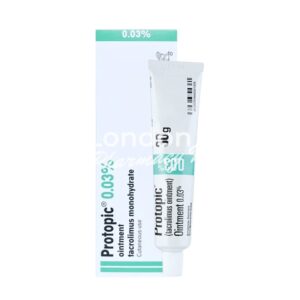
In brief
- Available from hospitals, licensed pharmacies and online pharmacies; tacrolimus is legally prescription‑only (Rx) for all systemic and topical forms, although some online sellers or pharmacies may offer it without a prescription—this is not recommended and may be unsafe or unlawful.
- Tacrolimus is used as a systemic immunosuppressant to prevent transplant rejection and as a topical treatment for atopic dermatitis and other inflammatory skin conditions; it is a calcineurin inhibitor that suppresses T‑cell activation and reduces cytokine (eg, IL‑2) production.
- Typical systemic dosing is 0.1–0.2 mg/kg/day orally divided every 12 hours for renal/hepatic transplant (cardiac often ~0.075 mg/kg/day); children often require higher mg/kg dosing; topical dosing is usually a thin layer of 0.03% or 0.1% ointment applied twice daily.
- Forms of administration include oral capsules (immediate and extended‑release), intravenous injection (5 mg/ml vials), and topical ointment/cream (0.03%, 0.1%).
- Onset: systemic immunosuppressive effects begin within days as blood levels rise (clinical effects may take several days to weeks); topical relief (itch/burning reduction) can be noticed within 24–72 hours, with clearer skin improvement over 1–6 weeks.
- Duration of action: immediate‑release oral tacrolimus generally requires twice‑daily dosing (≈12‑hour coverage); prolonged‑release formulations are designed for once‑daily (≈24‑hour) dosing; topical effect persists with regular application and may be used intermittently for maintenance.
- Alcohol warning: avoid excessive alcohol intake and discuss alcohol use with your prescriber—alcohol and other hepatotoxins may increase liver strain and risk of toxicity with tacrolimus.
- The most common side effect is headache (systemic); other frequent adverse effects include tremor, hypertension, nausea, nephrotoxicity and—for topical use—local burning or stinging at the application site.
- Would you like to try tacrolimus without a prescription?
Basic Tacrolimus Information
- INN (International Nonproprietary Name): Tacrolimus
- Brand Names Available In United Kingdom: Prograf®, Advagraf® and Protopic® are listed in the product information; generics from European suppliers such as Sandoz, Mylan and Accord Healthcare are also marketed.
- ATC Code: L04AD02 for systemic tacrolimus (calcineurin inhibitor) and D11AH01 for topical tacrolimus (dermatological non‑corticosteroid).
- Forms & Dosages: Capsules 0.5mg, 1mg, 5mg; extended‑release capsules 0.5mg, 1mg, 3mg, 5mg; injection 5mg/ml ampoule/vial; ointment 0.03% and 0.1% (10g/30g/60g tubes); compounded creams (0.1%) may be used rarely.
- Manufacturers In United Kingdom: Global brand owner Astellas Pharma (Prograf®, Protopic®, Advagraf®) and European generic manufacturers such as Sandoz, Mylan and Accord Healthcare supply products into the UK market.
- Registration Status In United Kingdom: Not specified in the supplied product summary data.
- OTC / Rx Classification: Prescription Only Medicine (Rx Only) for all systemic and topical forms.
Initial Instructions And Daily-Life Integration
Read the MHRA patient leaflet and follow NHS prescriber directions carefully.
Tacrolimus is prescription‑only and systemic use requires therapeutic drug monitoring (TDM) to guide doses and ensure safety.
Do not stop or change the dose without clinical advice because abrupt cessation risks graft rejection after transplant.
Serious warnings include a narrow therapeutic index, risk of nephrotoxicity and neurotoxicity, and numerous CYP3A4/5 interactions that alter blood levels.
Pregnant or breastfeeding patients must discuss potential risks and benefits with their clinician before starting or continuing tacrolimus.
Set a twice‑daily alarm for immediate‑release capsules (q12h) or follow once‑daily instructions for prolonged‑release Advagraf® when prescribed.
Store tacrolimus capsules and ointments in original packaging below 25°C and protect from moisture and light.
Keep topical ointment away from the eyes and avoid application to broken or infected skin.
Preferable formats to carry with you include a checklist for missed doses and overdose steps, and a table of storage advice plus pharmacy contacts such as Boots, LloydsPharmacy and Superdrug.
Everyday Use & Best Practices
Morning Vs Evening Dosing
Most systemic tacrolimus capsules are prescribed q12h with the total daily dose divided into a morning and an evening dose.
Prolonged‑release capsules like Advagraf® are prescribed once daily when a clinician decides this is suitable.
Consistency is key: take doses at roughly the same times each day to keep blood levels steady and reduce the risk of rejection or toxicity.
Use phone alarms, a pill organiser or the NHS repeat prescription service to maintain adherence.
Transplant patients must attend scheduled TDM blood tests so clinicians can adjust doses accurately.
- Checklist: take all doses at the same times each day.
- Checklist: bring pill organiser and latest dose list to clinic visits.
- Checklist: set alarms and enrol in NHS repeat dispensing where available.
Taking With Or Without Meals
Food alters tacrolimus absorption and high‑fat meals can reduce peak concentrations.
For immediate‑release Prograf® capsules many clinicians advise taking on an empty stomach or at a consistent relation to meals to aid interpretation of TDM results.
With typical UK breakfasts such as tea and toast or porridge, choose a habit—for example, take the dose 30 minutes before breakfast—and keep it consistent.
Record any change in the timing of doses or meals so the transplant team can interpret levels correctly.
| Formulation | Typical Dosing Pattern |
|---|---|
| Immediate‑Release (Prograf®/generics) | Divide total daily dose q12h (morning and evening) |
| Prolonged‑Release (Advagraf®) | Once‑daily dosing when prescribed by clinician |
Safety Priorities
Who Should Avoid It (MHRA Warnings)
Do not use tacrolimus if there is known hypersensitivity to tacrolimus or to any excipients in the product.
Avoid systemic tacrolimus in patients with uncontrolled infections or in those with severe pre‑existing renal or hepatic impairment without specialist supervision.
Pregnancy and breastfeeding are relative cautions; clinicians must weigh benefits and risks and document decisions.
Topical Protopic® should not be applied to infected lesions and use should follow dermatology advice.
Systemic and topical tacrolimus are prescription‑only medicines.
Activities To Limit (Driving, Work Safety)
Tremor, dizziness or visual disturbance can occur with systemic tacrolimus—do not drive or operate heavy machinery until you know how it affects you.
Avoid live vaccines when systemically immunosuppressed and discuss vaccine plans with your transplant or dermatology team.
Limit alcohol intake because of potential liver impact and interaction risks with other drugs.
Be cautious with over‑the‑counter NSAIDs because of added nephrotoxicity risk when combined with tacrolimus.
- Do: report new tremor, dizziness, impaired vision or marked fatigue to your clinical team.
- Don’t: start or stop other medicines, herbal products or supplements without checking for interactions.
| High‑Risk Activity | Advice |
|---|---|
| Driving/Operating Machinery | Avoid until side effects are known |
| Live Vaccinations | Contraindicated while systemically immunosuppressed |
| Heavy Alcohol Use | Limit and discuss with clinician |
Report adverse reactions to the Yellow Card Scheme (MHRA) if you suspect a drug‑related problem.
Dosage & Adjustments
General Regimen (NHS Guidance)
Typical adult starting systemic doses for renal or hepatic transplantation are approximately 0.1–0.2 mg/kg/day orally divided q12h.
Cardiac transplant doses are often lower at about 0.075 mg/kg/day divided q12h.
Topical tacrolimus ointment for atopic dermatitis is applied as a thin layer twice daily in strengths of 0.03% or 0.1% depending on age and severity.
Ensure prescriptions specify immediate‑release or prolonged‑release formulation because dosing frequency differs.
Special Cases (Elderly, Comorbidities)
Elderly patients generally start at the lower end of dosing ranges and require close renal monitoring due to higher nephrotoxicity risk.
Renal or hepatic impairment usually requires dose reduction and closer therapeutic drug monitoring.
Children commonly require higher mg/kg dosing and specialist paediatric monitoring because of variable absorption.
Concomitant CYP3A4 inhibitors or inducers necessitate dose review and closer blood‑level checks.
| Indication / Group | Typical Dose |
|---|---|
| Renal/Hepatic Transplant (Adult) | 0.1–0.2 mg/kg/day orally divided q12h |
| Cardiac Transplant (Adult) | ≈0.075 mg/kg/day orally divided q12h |
| Topical Atopic Dermatitis | Thin layer BID 0.03% or 0.1% |
- Monitoring checklist: arrange regular creatinine and tacrolimus trough levels per transplant centre protocol.
- Monitoring checklist: check blood glucose and potassium as part of routine follow‑up.
User Testimonials
Positive Reports From UK Patients
Many transplant recipients report good graft survival with tacrolimus when adherence and TDM are maintained.
Topical users often describe rapid reduction in itch and fewer steroid courses when using tacrolimus ointment as directed.
Patients frequently praise the support from NHS transplant nurse specialists and community pharmacists at Boots and LloydsPharmacy for counselling and repeat prescriptions.
Common Challenges (Patient.info, NHS Forums)
Reported issues include tremor, sleep disturbance and anxiety about infection risk while on systemic immunosuppression.
Some patients find twice‑daily regimens difficult, which is why studies compare immediate‑release Prograf versus once‑daily Advagraf® formulations for adherence.
UK forums such as Patient.info and NHS discussion boards highlight the emotional burden of lifelong therapy and the importance of clear communication with the transplant team.
- Real Patient Tip: carry a medicines list and pharmacy sticker to appointments.
- Real Patient Tip: make a note of side effects and show them at TDM visits to aid dose adjustment.
Buying Guide
Pharmacy Sources (Boots, LloydsPharmacy, Superdrug)
Tacrolimus is a prescription‑only medicine and is usually supplied via hospital pharmacies or community chains such as Boots and LloydsPharmacy when a valid prescription is presented.
Hospital outpatient pharmacies commonly dispense transplant medicines and maintain stock of specific strengths such as 0.5mg, 1mg and 5mg capsules.
Online UK pharmacies may supply tacrolimus but must be MHRA‑registered and will require a valid prescription before dispatch.
Price Comparison (NHS Prescription Charge Vs Private)
On the NHS most systemic tacrolimus is dispensed through hospital services or repeat prescriptions; in England patients may pay the standard prescription charge unless exempt.
Scotland, Wales and Northern Ireland generally provide prescriptions without the standard charge, depending on local rules.
Private purchase or courier services are more expensive and topical Protopic® prices vary by tube size and brand.
| Source | Typical Note |
|---|---|
| NHS Hospital Pharmacy | Common route for transplant patients; often supplies branded products |
| Community Pharmacy (Boots, LloydsPharmacy, Superdrug) | Dispenses on presentation of prescription; may order stock if necessary |
| Online Pharmacy | Requires valid prescription and MHRA‑registered supplier |
- Authenticity checklist: verify packaging, leaflet and batch number against expected brand details.
- Ordering note: in our online pharmacy, tacrolimus is available without a prescription, with discreet delivery to United Kingdom in 5–14 days.
What’s Inside & How It Works
Ingredients Overview
Systemic capsules contain the active ingredient tacrolimus in strengths of 0.5mg, 1mg and 5mg; prolonged‑release options include 0.5–5mg strengths.
Topical Protopic® ointment is supplied as 0.03% and 0.1% in 10g, 30g and 60g tubes.
Check the carton and patient leaflet for excipient lists and allergy warnings before use.
Mechanism Basics Explained Simply
Tacrolimus is a calcineurin inhibitor that reduces T‑cell activation and suppresses the immune response to prevent graft rejection or to reduce inflammation in skin conditions.
Systemic use requires therapeutic drug monitoring because lowering immune defences increases infection risk and the drug has a narrow therapeutic index.
Topical application results in minimal systemic absorption in most adults but still requires care in infants or with large‑area application.
| Use | Mechanism And Key Risk |
|---|---|
| Systemic (Capsules/IV) | Calcineurin inhibition to prevent rejection; requires TDM and monitoring for nephrotoxicity |
| Topical (Ointment) | Local immune modulation for eczema; low systemic absorption but local irritation possible |
Be mindful of CYP3A4 interactions that affect tacrolimus blood levels and therefore require dose changes and monitoring.
Main Indications
Approved Uses (MHRA Listing)
Systemic tacrolimus is authorised for prevention of organ rejection in renal, hepatic and cardiac transplantation.
Topical tacrolimus (Protopic® 0.03% and 0.1%) is licensed for moderate‑to‑severe atopic dermatitis where topical corticosteroids are unsuitable.
Prescriptions should state the brand and formulation clearly to avoid dosing errors.
Off‑Label Uses In UK Clinics
Off‑label dermatological uses include vitiligo and lichen planus in specialist clinics and selected paediatric dermatology cases.
Systemic use outside transplantation, such as for autoimmune disease, is uncommon and requires specialist oversight and documented consent.
| Condition | Licensed Or Off‑Label |
|---|---|
| Renal/Hepatic/Cardiac Transplant | Licensed |
| Atopic Dermatitis (Topical) | Licensed |
| Vitiligo, Lichen Planus | Off‑Label (specialist use) |
- Take this checklist to clinic: indication, formulation, previous response and monitoring plan.
Interaction Warnings
Food Interactions (Alcohol, Tea/Coffee)
Alcohol may increase liver burden and interact with other medications; moderate consumption is advised and discuss with your clinician.
Caffeine from tea or coffee does not have a major direct interaction with tacrolimus but may exacerbate tremor or palpitations; keep intake consistent for clearer TDM interpretation.
Drug Conflicts (MHRA Yellow Card Reports)
Tacrolimus has many clinically important interactions via CYP3A4/5.
Azole antifungals, certain macrolide antibiotics, calcium‑channel blockers and some HIV protease inhibitors can raise tacrolimus levels and increase toxicity risk.
Rifampicin and St John’s wort can lower tacrolimus exposure and risk rejection if not adjusted.
Avoid or use caution with concomitant nephrotoxic drugs such as NSAIDs and aminoglycosides.
- Show this checklist to clinicians and pharmacists: current medicines, herbal products and supplements.
- Carry a drug interactions card listing high‑risk agents and your transplant contact number.
Latest Evidence & Insights
Key UK & EU Studies 2022–2025
Recent research has focused on optimising TDM targets and comparing immediate‑release Prograf® with prolonged‑release Advagraf® for adherence and clinical outcomes.
Meta‑analyses suggest once‑daily prolonged‑release formulations improve adherence with comparable graft outcomes in many studies.
Topical tacrolimus safety in paediatric eczema has been reinforced for short‑term use and intermittent maintenance as a steroid‑sparing option.
What It Means For Patients
Clinicians may consider once‑daily prolonged‑release options to simplify regimens, but switching formulations requires close monitoring and dose adjustment.
Evidence supports topical tacrolimus for flares and for reducing cumulative corticosteroid exposure when used under dermatology guidance.
- Patient handout idea: a one‑page summary showing when a clinician might switch to Advagraf® and what to expect for monitoring.
Alternative Choices
NHS Prescribing Alternatives
Alternatives on the NHS for systemic immunosuppression include ciclosporin (Sandimmun®) and sirolimus (rapamycin) in selected indications.
For eczema, topical pimecrolimus (Elidel®) is an alternative to tacrolimus ointment in some patients.
Pros/Cons Checklist
When comparing agents consider efficacy for rejection prevention, side‑effect profile, monitoring needs and dosing frequency.
Discuss fertility and pregnancy plans and vaccine timing when comparing tacrolimus with other agents.
| Agent | Pros | Cons |
|---|---|---|
| Tacrolimus | Effective, widely used, options for once‑daily Advagraf® | Narrow therapeutic index, nephrotoxicity, many interactions |
| Ciclosporin (Sandimmun®) | Effective alternative for some patients | Different side effects including cosmetic effects, monitoring needed |
| Pimecrolimus (Elidel®) | Topical option for eczema | Different efficacy/tolerability profile to consider |
Regulation Snapshot
MHRA Approval & Product Status
Tacrolimus products include systemic forms such as Prograf® and Advagraf® and topical Protopic® for dermatology as listed in product information.
Product leaflets and the Summary of Product Characteristics (SmPC) provide authorised indications and safety measures.
All forms are prescription‑only and follow hospital or community dispensing protocols.
NHS Prescribing Framework
Systemic tacrolimus is usually hospital‑initiated with shared‑care arrangements in place for GP repeat prescriptions where agreed.
Topical formulations may be prescribed in primary care for short courses, depending on local formularies.
Adverse events should be reported via the Yellow Card Scheme and pharmacies must provide patient information leaflets in English and Welsh where applicable.
Flowchart: hospital initiation → shared care agreement → community supply and repeat dispensing.
FAQ Section
Common Question 1–2
Q1: “Can I stop tacrolimus if I feel fine?” A: No—do not stop without specialist advice as abrupt cessation risks graft rejection or disease flare.
Q2: “Will tacrolimus make me ill all the time?” A: Many patients tolerate tacrolimus well and common effects such as tremor or headache often settle with dose adjustments and monitoring.
Common Question 3–4
Q3: “Can I vaccinate?” A: Live vaccines are usually contraindicated while systemically immunosuppressed—check with your clinician for each vaccine.
Q4: “Is topical tacrolimus safe for children?” A: Protopic® 0.03% is commonly used in children under specialist or GP dermatology guidance and treatment should follow the SmPC recommendations.
- When To Call Your Team: signs of infection, reduced urine output, sudden confusion, severe tremor or visual changes.
- What To Bring To Appointments: full medication list, pharmacy sticker, recent blood test results and any notes about missed doses.
Guidelines For Proper Use
UK Pharmacist Counselling Style
Pharmacists should verify brand and formulation and explain timing differences between q12h capsules and once‑daily prolonged‑release products.
Counselling must include interaction checks (notably CYP3A4 inhibitors and inducers), reinforcement of TDM appointments and provision of a medicines card.
Encourage patients to use repeat dispensing and to bring all medicines including OTC and herbal remedies for review.
NHS Patient Support Advice
NHS teams should supply written dosing plans, monitoring schedules and contact numbers for transplant or dermatology nurse specialists.
Recommend registering for repeat prescriptions, carrying a transplant medicines card and seeking psychological support where needed.
Pharmacists and GPs can assist with prescription charges queries and exemptions in Scotland, Wales and Northern Ireland.
- Pharmacist checklist: confirm formulation, discuss side effects, review interactions and supply written dose plan.
- Printable support sheet idea: dosing timetable, TDM dates and emergency contact numbers.
Delivery Across United Kingdom
| City | Region | Delivery time |
|---|---|---|
| London | England | 5–7 days |
| Birmingham | England | 5–7 days |
| Manchester | England | 5–7 days |
| Glasgow | Scotland | 5–7 days |
| Leeds | England | 5–7 days |
| Edinburgh | Scotland | 5–7 days |
| Liverpool | England | 5–7 days |
| Sheffield | England | 5–9 days |
| Newcastle upon Tyne | England | 5–9 days |
| Nottingham | England | 5–9 days |
| Bristol | England | 5–9 days |
| Southampton | England | 5–9 days |
| Plymouth | England | 5–9 days |
Final Notes And Contact Points
If you are prescribed tacrolimus, keep the MHRA patient leaflet and your NHS transplant or dermatology contact details readily available.
Carry a medicine card that notes tacrolimus, the formulation and an emergency clinical contact number.
For adverse events or suspected interactions, report to the Yellow Card Scheme and consult your transplant team or GP without delay.
Community pharmacies such as Boots, LloydsPharmacy and Superdrug can help with supply queries and repeat prescriptions.
Always follow your transplant centre or dermatology clinic for TDM schedules and dose changes rather than making adjustments yourself.