Tretinoin Cream
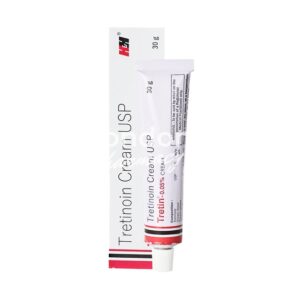
In brief
- Tretinoin cream can be purchased from pharmacies and online pharmacies in many countries, including the UK and internationally. In most regulated markets it is prescription-only, although some online pharmacies and local suppliers may offer access without a prescription depending on local rules.
- Tretinoin cream is used mainly for acne vulgaris and may also be used for photoaging and fine wrinkles in some regions. It is a topical retinoid that works by speeding up skin cell turnover, helping to unclog pores, reduce comedones, and improve skin texture.
- The usual dose for acne is to apply a thin layer once daily, typically at night. Common strengths are 0.025%, 0.05% and 0.1%; treatment often starts with a lower strength to reduce irritation.
- The form of administration is a topical cream applied to the affected skin area.
- It usually starts to work gradually, with some improvement often seen after 2–6 weeks, although acne treatment may take 6–12 weeks to show full benefit.
- The effect lasts while it is used regularly, as tretinoin works locally on the skin rather than as a short-acting medicine; continued use is usually needed to maintain results.
- Avoid or minimise alcohol use if your skin becomes dry or irritated, as alcohol can worsen dryness and sensitivity; there is no major direct interaction with topical tretinoin.
- The most common side effects are skin redness, peeling, dryness, burning, itching, and increased sensitivity to sunlight, especially during the first few weeks of use.
- Would you like to try tretinoin cream without a prescription?
Basic Tretinoin Cream Information
- INN (International Nonproprietary Name): Tretinoin
- Brand names available in United Kingdom: Not specified
- ATC code: D10AD01
- Forms & dosages: Cream 0.025%, 0.05%, 0.1%; Gel 0.01%, 0.025%, 0.05%; Lotion 0.05%; Capsules 10 mg
- Manufacturers in United Kingdom: Not specified
- Registration status in United Kingdom: Prescription-only (Rx)
- OTC / Rx classification: Prescription-only (Rx)
Tretinoin Cream In Everyday Use
Morning Vs Evening Dosing
Wondering whether tretinoin cream fits around a busy school run, commute, or late dinner?
In UK practice, it is usually applied once daily at night, which suits a normal evening skincare routine and helps limit sun sensitivity during the day.
Morning use is generally avoided unless a specialist specifically advises it.
The practical routine is simple.
- Cleanse gently.
- Dry the skin fully before applying.
- Use a pea-sized amount for the affected area.
- Wash hands afterwards.
That is the usual approach for tretinoin 0.025%, tretinoin 0.05%, and stronger tretinoin 0.1 options when prescribed for tretinoin for acne.
Less really is more with a topical retinoid, because overapplying often leads to avoidable irritation.
Taking With Or Without Meals
Tretinoin cream is not taken with meals because it is applied to the skin only.
Creams, gels, and lotions are topical treatments, whereas oral capsules are a separate hospital or oncology medicine and are not routine acne treatment.
For UK patient advice, it helps to build tretinoin into an evening skincare routine, keep a moisturiser nearby, and avoid layering it with harsh exfoliants.
A simple nightly checklist often works best.
- Cleanse.
- Wait until the skin is fully dry.
- Apply a thin layer of tretinoin cream.
- Follow with moisturiser if needed.
- Leave scrubs, acids, and strong toners out of the same routine.
Safety Priorities
Who Should Avoid It
Tretinoin is prescription-only in the UK and should be used with medical advice, not as a casual over-the-counter acne product.
MHRA-style caution is especially important in pregnancy, when trying to conceive, and while breastfeeding.
It should also be avoided on eczema, sunburn, broken skin, or areas that are already severely irritated.
Known allergy to tretinoin or any excipient is another clear reason not to use it.
People with fair or very reactive skin can feel the effects more strongly, so a lower strength and careful monitoring are often sensible.
Activities To Limit
Tretinoin does not usually affect alertness, so driving is not normally restricted.
The bigger issue is skin irritation and photosensitivity, especially for outdoor work, sport, gardening, or a long day at a football match.
Daily SPF 30 to 50, a hat, and sensible winter skincare matter because cold wind and central heating can make sensitive skin feel worse.
If redness, swelling, or blistering appears, the product should be reviewed quickly.
Seek urgent help if… severe swelling, widespread rash, breathing difficulty, or signs of a serious allergic reaction develop.
Dosage And Adjustments
General Regimen
The usual regimen is a thin layer once nightly on the affected skin, rather than a tiny spot application unless a prescriber says otherwise.
Common strengths are 0.025%, 0.05%, and 0.1% creams or gels, with lotion and capsules existing in some markets but not forming standard UK acne care.
The usual dermatology approach is start low, go slow, and let the skin adapt.
That often means beginning with a lower strength such as tretinoin 0.025 cream before moving up if tolerated.
Special Cases
Older adults do not usually need a routine dose adjustment, but lower strengths are often easier to tolerate.
For children under 12, specialist advice is needed because the evidence base is limited.
Topical use generally does not need dose changes in liver or kidney impairment, although oral tretinoin is specialist-managed and monitored much more closely.
| Strength | Usual starting point | Who it may suit |
|---|---|---|
| 0.025% | Common first choice | Sensitive skin, new users |
| 0.05% | Standard maintenance strength | Most acne patients |
| 0.1% | Higher strength | Selected patients who tolerate treatment well |
User Testimonials
Positive Reports From UK Patients
Many people using tretinoin for acne describe smoother skin, fewer breakouts, and better confidence after a few weeks of sticking with it.
The key point is that improvement is gradual rather than dramatic from day to day.
In pharmacy counselling, it is common to hear, “It was a bit much at first, but it settled once I used less and moisturised properly.”
Common Challenges
The most reported issues are dryness, peeling, early flare-ups, and frustration that results are slow.
That early “purging” phase can happen, so consistency matters more than constantly switching products.
Patients often notice the first month feels worse before it feels better, especially if they expect instant change.
If irritation becomes hard to manage, a pharmacist or GP should review the routine rather than abandoning treatment too early.
Buying Guide
Pharmacy Sources
Tretinoin is usually supplied on an NHS or private prescription and then dispensed by major UK chains or online pharmacies.
That includes familiar names such as Boots, LloydsPharmacy, and Superdrug, alongside registered online pharmacy UK services.
Trust matters here, so it is wise to check that any online seller is registered with the GPhC.
Brand names can differ internationally, so products may not look identical to Retin-A, Retacnyl, or Treclin-style items seen abroad.
In our online pharmacy, tretinoin cream is available without a prescription, with discreet delivery to United Kingdom in 5-14 days.
Price Comparison
In England, NHS prescription charges may apply, while prescriptions are free in Scotland, Wales, and Northern Ireland.
Private pricing depends on strength, brand, and pharmacy, so it is sensible to compare total cost rather than just the headline price.
Unregulated websites and import sites without proper prescribing checks should be avoided.
| Purchase route | Typical cost pattern | Notes |
|---|---|---|
| NHS prescription | England charge may apply; free in Scotland, Wales, and Northern Ireland | Standard regulated route |
| Private prescription | Varies by strength and pharmacy | Often quicker access |
| Unregulated import site | Risk of hidden costs | Avoid without proper checks |
What Is Inside And How It Works
Ingredients Overview
Tretinoin is the INN, and the topical forms most often seen are cream, gel, and lotion.
Common strengths are 0.025%, 0.05%, and 0.1%, with packaging usually ranging from 20 g to 30 g tubes for creams and gels.
The active ingredient is retinoic acid, and the ATC code is D10AD01.
Mechanism Basics Explained Simply
As a topical retinoid, tretinoin helps skin cells shed and renew more normally.
That can unclog pores, reduce the build-up that feeds acne, and gradually improve texture over time.
A simple flow chart is often the easiest way to think about it.
Clogged pore to normalised cell turnover to clearer pores to improved skin texture.
Main Indications
Approved Uses
The main UK-relevant use is acne vulgaris.
Tretinoin cream is usually used for comedonal and inflammatory acne, not as an instant spot treatment for a single pimple.
Response is usually judged after 6 to 12 weeks, because the skin needs time to adjust and improve.
That is why tretinoin for acne works best when the routine is consistent.
Off-Label Uses In UK Clinics
Some clinicians use tretinoin for wrinkles, photoaging, and uneven texture where appropriate.
That kind of tretinoin for wrinkles use should be specialist-led rather than self-started.
Skin goals, monitoring, and tolerance matter as much as the label on the box.
| Use | Status | Practical note |
|---|---|---|
| Acne vulgaris | Licensed use | Common NHS-style dermatology use |
| Photoaging and fine wrinkles | Off-label or approved in some regions | Specialist-led use |
Interaction Warnings
Food Interactions
Topical tretinoin has no meaningful food interaction because it is applied to the skin.
Tea, coffee, or alcohol with a meal do not change how the cream works.
If oral tretinoin is mentioned, it is a hospital specialist medicine, not a routine diet-sensitive acne treatment.
Drug Conflicts
Skin irritation is the main concern when tretinoin is layered with other actives.
Avoid combining it with benzoyl peroxide, salicylic acid, scrubs, AHA or BHA acids, and strong alcohol-based products unless advised.
Other topical acne treatments can also raise irritation risk when used together.
- Benzoyl peroxide.
- Salicylic acid.
- Scrubs and exfoliating brushes.
- AHA or BHA acids.
- Strong alcohol-based toners.
Significant side effects should be reported to a UK pharmacist, GP, or through Yellow Card reporting when appropriate.
Latest Evidence And Insights
Key UK And EU Studies
Evidence published from 2022 to 2025 continues to support tretinoin as a strong option for acne and photoaging.
The focus of newer research is often tolerability, comparing topical retinoids such as tretinoin and adapalene rather than questioning whether tretinoin works.
The practical takeaway is unchanged.
It remains useful for long-term texture control and comedone management when the skin can tolerate it.
| What the evidence suggests | Practical takeaway |
|---|---|
| Good support for acne control | Expect gradual improvement over weeks |
| Useful in photoaging and texture care | Consistency and sun protection matter |
| Tolerability remains the main challenge | Start low and adjust slowly |
Alternative Choices
NHS Prescribing Alternatives
Adapalene, tazarotene, and isotretinoin are the main alternatives to consider.
Adapalene can be better tolerated and is available in some low-strength OTC contexts, while tretinoin is often chosen for a stronger retinoid effect.
Tazarotene is another prescription topical retinoid, and isotretinoin is reserved for severe acne with stricter monitoring because of teratogenic risk.
For people comparing Differin vs. Retin-A, the real question is often effectiveness versus irritation.
| Option | Pros | Cons |
|---|---|---|
| Adapalene | Often better tolerated; convenience | May feel milder |
| Tretinoin | Strong topical retinoid effect | More irritation for some people |
| Tazarotene | Prescription strength | Can be more irritating |
| Isotretinoin | For severe acne | Strict monitoring and pregnancy precautions |
Regulation Snapshot
MHRA Approval And NHS Prescribing Framework
Tretinoin is prescription-only in the UK and supplied under regulated prescribing.
That means MHRA standards, NHS prescribing routes, and pharmacy dispensing checks all matter.
Local brand names may differ internationally, but UK patients should follow the exact product and strength prescribed.
The safest approach is to use the medicine exactly as supplied rather than swapping strengths or brands on your own.
Frequently Asked Questions
How Long Does Tretinoin Take To Work?
Most people need 6 to 12 weeks before the benefits become clear.
Early irritation does not usually mean it is not working.
Can I Use It With Moisturiser?
Yes, moisturiser is often helpful and can reduce dryness and peeling.
It is usually best to keep the routine gentle and avoid harsh exfoliation at the same time.
Is It Safe In Pregnancy Or While Breastfeeding?
Topical tretinoin is generally contraindicated in pregnancy, and caution is needed when trying to conceive or breastfeeding.
Advice from a prescriber should be sought before starting or continuing treatment.
Why Does My Skin Get Worse At First?
An early flare or purge can happen as clogged pores begin to clear.
That is one reason consistency matters, as long as irritation stays manageable.
Guidelines For Proper Use
UK Pharmacist Counselling Style
Start with gentle cleansing, then wait until the skin is completely dry before applying a pea-sized amount.
Avoid the eyes, mouth, and broken skin, then moisturise if needed and use sunscreen every day.
Consistency matters much more than overuse, and more product does not mean faster results.
Pharmacists in Boots, LloydsPharmacy, and Superdrug commonly advise spacing tretinoin away from strong actives so the skin is not overwhelmed.
- Cleanse gently.
- Dry the skin fully.
- Apply a pea-sized amount.
- Avoid eyes and mouth.
- Use sunscreen daily.
NHS Patient Support Advice
Seek help early for severe irritation, swelling, eczema flares, or pregnancy concerns.
A review is sensible if there is no improvement after 12 weeks, dryness becomes intolerable, or acne keeps flaring despite careful use.
Storage is straightforward.
Keep it below 25°C, protect it from light, and keep it out of children’s reach.
Delivery Across United Kingdom
| City | Region | Delivery time |
|---|---|---|
| London | England | 5-7 days |
| Birmingham | England | 5-7 days |
| Manchester | England | 5-7 days |
| Leeds | England | 5-7 days |
| Liverpool | England | 5-7 days |
| Newcastle upon Tyne | England | 5-7 days |
| Sheffield | England | 5-9 days |
| Bristol | England | 5-7 days |
| Nottingham | England | 5-9 days |
| Leicester | England | 5-9 days |
| Edinburgh | Scotland | 5-7 days |
| Glasgow | Scotland | 5-7 days |
| Cardiff | Wales | 5-7 days |
| Belfast | Northern Ireland | 5-7 days |