
Asthma

Understanding Asthma: What You Need to Know
Asthma is a chronic respiratory condition that affects millions of people across the United Kingdom. It occurs when the airways in your lungs become inflamed and narrow, making it difficult to breathe. During an asthma attack, the muscles around your airways tighten, and the lining of the airways swells, reducing the amount of air that can flow through.
Common symptoms include wheezing, shortness of breath, chest tightness, and persistent coughing, particularly at night or during physical activity. Some people experience mild symptoms, whilst others may have more severe attacks that require immediate medical attention.
The condition can develop at any age, though it often begins in childhood. Various triggers can provoke asthma symptoms, including allergens like pollen and dust mites, respiratory infections, cold air, exercise, and stress. Understanding your personal triggers is essential for effective management and maintaining your quality of life.
Types of Asthma Medications Available in the UK
Reliever Inhalers
Reliever inhalers, also known as rescue or blue inhalers, provide quick relief during asthma attacks. These contain short-acting beta-2 agonists, with Salbutamol being the most commonly prescribed in the United Kingdom. Brand names include Ventolin and Asmol. These medications work by relaxing the muscles around your airways, opening them up within minutes so you can breathe more easily.
Preventer Inhalers
Preventer inhalers are used daily to reduce inflammation and prevent symptoms from developing. These typically contain corticosteroids such as Beclomethasone or Fluticasone, often combined with long-acting beta-2 agonists. Popular UK brands include Seretide, Symbicort, and Fostair. Taking your preventer inhaler regularly can significantly reduce how often you need your reliever.
Combination Inhalers
Many people benefit from combination inhalers that contain both a corticosteroid and a long-acting bronchodilator. These are designed to be taken regularly and help maintain control over your symptoms throughout the day and night.
Popular Asthma Medicines on the UK Market
Several medications have established themselves as trusted treatments for asthma management across the United Kingdom:
- Ventolin – One of the most widely used reliever inhalers, this blue inhaler contains Salbutamol and is typically used as needed when symptoms occur
- Seretide – A popular preventer inhaler combining Fluticasone and Salmeterol, prescribed to adults and children over six years old and used twice daily
- Symbicort – Contains Budesonide and Formoterol, serving as both a reliever and preventer for patients preferring a single inhaler approach
- Fostair – Combines Beclomethasone and Formoterol, particularly effective for patients needing both preventative and quick-relief benefits
- Montelukast – Sold as Singulair, these oral tablets prevent asthma symptoms by blocking substances that cause airway inflammation
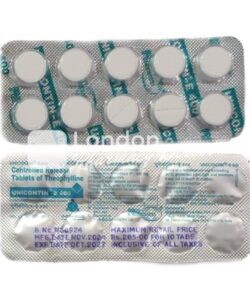
- Theophylline – An older medication still prescribed for severe asthma not well controlled with other treatments
These medications come in various delivery systems, including metered-dose inhalers, dry powder inhalers, and nebulisers, depending on your age and ability to use different devices effectively.
How to Use Your Asthma Medications Correctly
Using your inhalers correctly is crucial for receiving maximum benefit from your medications. For metered-dose inhalers, shake the canister well, breathe out fully, place the mouthpiece in your mouth, and press down whilst breathing in deeply. Hold your breath for approximately ten seconds before exhaling slowly.
With dry powder inhalers like Turbuhaler, you need to load a dose and inhale quickly and deeply to draw the powder into your lungs. Practice is essential, as these require more coordination than other devices.
Always use a spacer device with your inhaler when possible, as it significantly improves the amount of medication reaching your lungs. Spacers are particularly important for children and older adults.
After using your preventer inhaler, rinse your mouth with water to prevent side effects such as thrush. Check your inhaler technique during every pharmacy visit, as many people develop bad habits that reduce medication effectiveness over time.
Keep track of how often you’re using your reliever inhaler. If you’re using it more than twice weekly, your asthma may not be well controlled, and you should speak to your GP or asthma nurse about adjusting your preventer therapy.
Managing Your Asthma Effectively
Effective asthma management requires a combination of medication, trigger avoidance, and regular monitoring. Create an asthma action plan with your healthcare provider that outlines which medications to take daily, what to do if symptoms worsen, and when to seek emergency help.
Avoid known triggers whenever possible. If you’re allergic to dust mites, use allergen-proof mattress covers and wash bedding weekly. If exercise triggers your symptoms, use your reliever inhaler before exercising, or consider adjusting your activity level after consulting your doctor.
Regular exercise is actually beneficial for asthma and helps strengthen your lungs, though you may need to take precautions beforehand. Keep your home well-ventilated and avoid smoking and secondhand smoke exposure, as these can significantly worsen symptoms.
Monitor your peak flow regularly using a peak flow meter, which measures how well air moves from your lungs. This can help you identify when control is slipping before symptoms become severe. During the winter months, ensure you have the flu vaccination, as respiratory infections can trigger severe asthma attacks.
When to Seek Medical Advice
Contact your GP if you’re using your reliever inhaler more than twice weekly, if symptoms wake you at night more than once monthly, or if asthma is limiting your daily activities. These signs indicate your condition isn’t well controlled and may require medication adjustments.
Seek emergency help immediately if you experience severe shortness of breath, chest pain, blue lips or fingers, confusion, or if your reliever inhaler doesn’t improve your symptoms within fifteen minutes. Call 999 or go to your nearest accident and emergency department.
Regular asthma reviews with your GP or practice nurse are essential, ideally every six to twelve months. These appointments ensure your medications remain appropriate and your technique is correct. Children with asthma should have more frequent reviews as their needs change rapidly.
If you’re experiencing side effects from your medications, speak to your pharmacist or doctor. There are often alternative options available that may suit you better. Never stop taking your asthma medications without professional guidance, even if you feel better.