
Hypertension
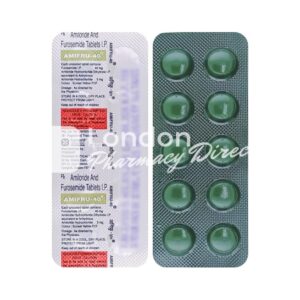
Amiloride
from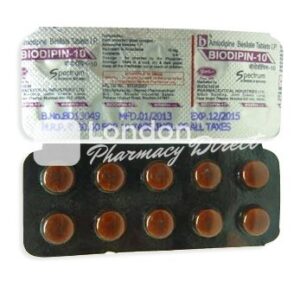
Amlodipine
from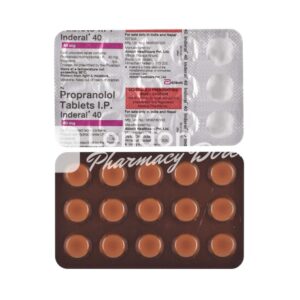
Bedranol
from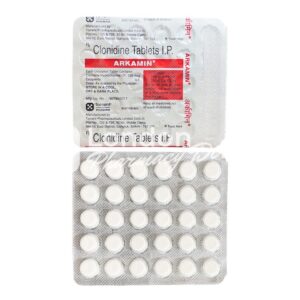
Clonidine
from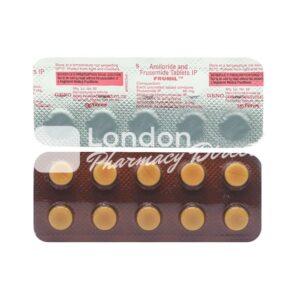
Co-amilofruse
from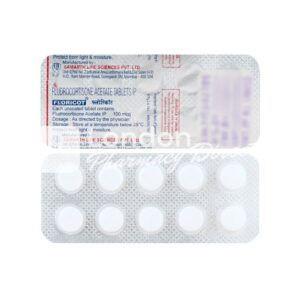
Florinef
from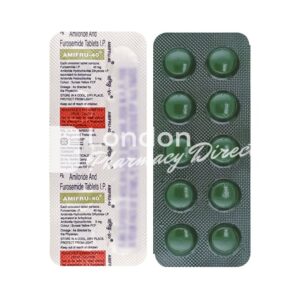
Lasix
from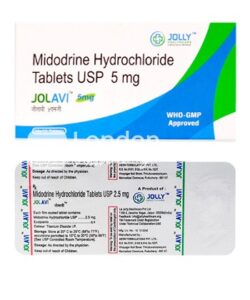
Midodrine
from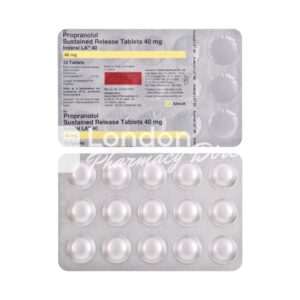
Propranolol
from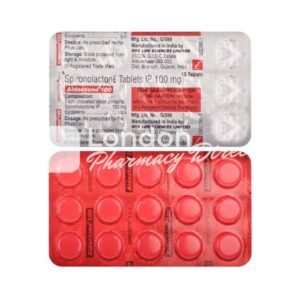
Spironolactone
from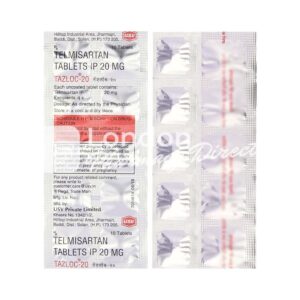
Telmisartan
fromUnderstanding Hypertension
Hypertension, commonly known as high blood pressure, is a chronic condition where the force of blood against artery walls is consistently too high. Blood pressure is measured in millimetres of mercury (mmHg) and is presented as two numbers: systolic pressure (the pressure when your heart beats) over diastolic pressure (the pressure when your heart rests between beats). Normal blood pressure is generally below 120/80 mmHg, whilst hypertension is diagnosed when readings consistently reach 140/90 mmHg or higher.
This condition affects millions of people across the United Kingdom and is often called a “silent killer” because many individuals experience no symptoms whatsoever. Some people may notice headaches, shortness of breath, or nosebleeds, but these signs typically only appear when blood pressure reaches dangerously high levels. Hypertension develops gradually over time and can be caused by various factors including age, family history, obesity, excessive salt intake, sedentary lifestyle, excessive alcohol consumption, and chronic stress.
The importance of managing hypertension cannot be overstated, as untreated high blood pressure significantly increases the risk of serious health complications such as heart disease, stroke, kidney damage, and heart failure. Regular monitoring and appropriate treatment are essential for maintaining good health and preventing these potentially life-threatening conditions.
Types and Classification of High Blood Pressure
Healthcare professionals classify hypertension into several distinct categories to help guide treatment decisions and understand the severity of the condition.
Primary Hypertension
Primary hypertension accounts for approximately 90 to 95 percent of hypertension cases in the United Kingdom. This type develops gradually over many years with no identifiable secondary cause. Primary hypertension results from a combination of genetic predisposition and lifestyle factors, making prevention and early management particularly important.
Secondary Hypertension
Secondary hypertension represents the remaining 5 to 10 percent of cases and develops as a result of an underlying medical condition or medication. Conditions causing secondary hypertension include kidney disease, thyroid problems, adrenal gland tumours, and sleep apnoea. Certain medications such as decongestants, NSAIDs, and corticosteroids can also elevate blood pressure.
Resistant and Isolated Systolic Hypertension
Resistant hypertension refers to high blood pressure that remains uncontrolled despite taking three or more antihypertensive medications at optimal doses. This classification requires careful evaluation and often benefits from specialist intervention. Isolated systolic hypertension occurs when the systolic pressure is elevated whilst the diastolic pressure remains normal. This type is particularly common in older adults and still requires appropriate treatment to reduce cardiovascular risks.
Understanding which type of hypertension you have helps your healthcare provider determine the most effective treatment approach for your individual circumstances.
Available Medications for Hypertension in the United Kingdom
The UK pharmaceutical market offers several effective medication classes for managing hypertension, each working through different mechanisms to reduce blood pressure.
Common Medication Classes
ACE inhibitors and ARBs are commonly prescribed first-line treatments. ACE inhibitors such as lisinopril, enalapril, and ramipril work by relaxing blood vessels and reducing the production of angiotensin II, a hormone that narrows blood vessels. Angiotensin II receptor blockers like losartan, valsartan, and candesartan block the effects of this hormone. Both classes are well-tolerated and offer additional protective benefits for the heart and kidneys.
Calcium channel blockers including amlodipine, diltiazem, and verapamil are effective medications that prevent calcium from entering cells in blood vessel walls, allowing vessels to relax and widen. These medications are particularly useful for patients who cannot tolerate ACE inhibitors or ARBs.
Beta-blockers such as atenolol, bisoprolol, and metoprolol reduce heart rate and the force of heart contractions, thereby lowering blood pressure. They are often preferred in patients with heart disease or after a heart attack.
Diuretics including chlorthalidone, hydrochlorothiazide, and furosemide work by helping the kidneys eliminate excess sodium and water through urine, reducing the overall volume of blood circulating through vessels. Thiazide and thiazide-like diuretics are commonly used as first-line therapy.
Combination medications are available for patients requiring multiple medications, offering convenience and improved adherence. Many patients achieve optimal blood pressure control through carefully selected medication combinations tailored to their specific health profile.
Lifestyle Modifications and Prevention
Whilst medications play an important role in managing hypertension, lifestyle changes form the foundation of effective blood pressure control and disease prevention.
Key Lifestyle Changes
- Dietary Changes: The DASH diet (Dietary Approaches to Stop Hypertension) emphasises fruits, vegetables, whole grains, lean proteins, and low-fat dairy whilst limiting sodium, saturated fats, and added sugars. Reducing salt intake to less than 6 grams daily is particularly beneficial.
- Regular Physical Activity: Aim for at least 150 minutes of moderate-intensity aerobic activity weekly, such as brisk walking, cycling, or swimming. Strength training twice weekly also provides cardiovascular benefits.
- Weight Management: Losing even 5 to 10 percent of body weight can produce meaningful reductions in blood pressure for overweight individuals.
- Stress Reduction: Meditation, yoga, deep breathing exercises, and mindfulness can help lower blood pressure effectively.
- Limiting Alcohol and Avoiding Smoking: Excessive alcohol consumption raises blood pressure, and smoking damages blood vessels and increases cardiovascular disease risk.
- Improving Sleep Quality: Aim for 7 to 9 hours of quality sleep nightly, as sleep deprivation can elevate blood pressure and increase cardiovascular disease risk.
These modifications work synergistically to reduce your blood pressure naturally and improve your overall cardiovascular health.
Monitoring and Management Strategy
Effective hypertension management requires regular monitoring and ongoing evaluation of treatment effectiveness.
Home Blood Pressure Monitoring
Home blood pressure monitoring allows you to track your readings regularly and identify patterns. Many people find home monitors more convenient than clinic visits, and readings taken at home often provide a more accurate picture of your typical blood pressure. Digital upper arm monitors are generally recommended for accuracy and ease of use.
Healthcare Appointments and Goals
Regular healthcare appointments enable your GP or specialist to assess your blood pressure control, review medications, and identify any emerging complications. Frequency of appointments typically ranges from monthly for newly diagnosed patients to quarterly or annually for those with stable, well-controlled blood pressure.
Most adults should aim for blood pressure below 140/90 mmHg, though some individuals may benefit from lower targets. Your healthcare provider will establish personalised goals based on your health profile.
Adherence and Monitoring
Medication adherence is critical for successful blood pressure control. Strategies such as using pill organisers, setting phone reminders, and taking medications at consistent times daily can improve adherence. Complication screening may include periodic checks for kidney function, cholesterol levels, and heart health assessment to detect complications early and guide treatment adjustments.
When to Seek Medical Attention
Recognising warning signs and knowing when to contact healthcare professionals is essential for safe hypertension management.
Urgent Medical Situations
Hypertensive crisis situations require immediate medical attention. Symptoms include severe headache, chest pain, shortness of breath, visual disturbances, or severe anxiety. If you experience these symptoms with blood pressure readings above 180/120 mmHg, call 999 immediately.
Routine Medical Concerns
Medication side effects warrant discussion with your healthcare provider. Common side effects such as dizziness, fatigue, or persistent cough may require medication adjustment rather than discontinuation. Uncontrolled blood pressure despite taking medications as prescribed should prompt a GP appointment to reassess your treatment plan and consider medication adjustments or additional therapies. Lifestyle concerns including difficulty implementing recommended changes or managing stress should be discussed with your healthcare team, as they can provide additional support and resources.
Regular communication with your healthcare provider ensures your hypertension management remains effective and safe throughout your treatment journey.