
Analgesics

Carbamazepine
from
Celebrex
from
Decadron
from
Diclofenac
from
Flunarizine
from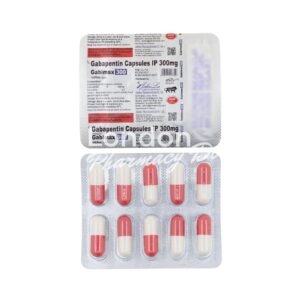
Gabapentin
from
Indocid
from
Indomethacin
from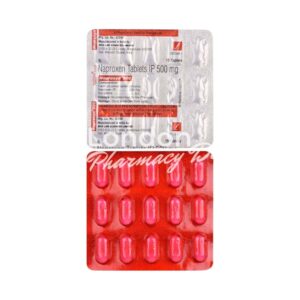
Naprosyn
from
Neurontin
from
Phenazopyridine
from
Tegretol
from
Tizanidine
from
Zanaflex
fromUnderstanding Analgesics: What They Are and How They Work
Analgesics, commonly known as painkillers, are medicines designed to relieve pain without causing loss of consciousness. They work by reducing pain signals sent to the brain or by decreasing the production of substances in the body that cause inflammation and pain. Understanding how these medications function is essential for safe and effective use.
There are several types of analgesics available, each working through different mechanisms. Some block pain signals, whilst others reduce inflammation that causes discomfort. The choice of analgesic depends on the type and severity of pain, as well as individual health factors. Whether you’re dealing with headaches, muscle aches, or chronic pain, there’s typically an appropriate analgesic option available.
Over-the-Counter Analgesics for Everyday Pain Relief
Over-the-counter analgesics are readily available in pharmacies, supermarkets, and online without requiring a prescription. These are ideal for mild to moderate pain and are used by millions of people across the United Kingdom daily.
Paracetamol
Paracetamol (acetaminophen) is one of the most commonly used over-the-counter analgesics. It’s effective for headaches, fever, and general aches. Popular brands include Panadol and Calpol. Paracetamol is generally well-tolerated but should not exceed 4,000mg daily for adults. It’s particularly suitable for those who cannot take non-steroidal anti-inflammatory drugs.
Ibuprofen
Ibuprofen is a non-steroidal anti-inflammatory drug that not only relieves pain but also reduces inflammation. Available under brand names like Nurofen and Boots IbuGel, ibuprofen is effective for headaches, period pain, dental pain, and muscle aches. The typical dose is 200-400mg every 4-6 hours, with a maximum of 1,200mg daily for adults without medical supervision.
Aspirin and Combination Products
Aspirin remains a popular choice for various types of pain and is available in multiple formulations. Low-dose aspirin is also used for heart health. Brands such as Anadin contain aspirin and are readily available. Aspirin works similarly to ibuprofen but is not suitable for everyone, particularly those with stomach ulcers or bleeding disorders.
Combination products like Solpadeine and Syndol combine paracetamol with other active ingredients such as codeine or caffeine. These provide enhanced pain relief for more stubborn pain but are still available without prescription in controlled strengths.
Prescription-Strength Analgesics for Moderate to Severe Pain
When over-the-counter options aren’t sufficient, prescription analgesics provide stronger pain relief. These medications require a doctor’s supervision due to their potency and potential side effects.
Opioid-Based Medications
Codeine is a mild opioid often prescribed in combination with paracetamol for moderate pain. Formulations like co-codamol (paracetamol with codeine) are commonly prescribed for dental pain, injury-related pain, and post-operative discomfort. Codeine can cause drowsiness and constipation, so it’s important to follow dosage instructions carefully.
Tramadol is a synthetic opioid used for moderate to moderately severe pain. It works differently from traditional opioids and carries a lower addiction risk when used as directed. Tramadol is prescribed for conditions like arthritis, back pain, and post-surgical pain. Typical doses range from 50-100mg, taken several times daily as needed.
Dihydrocodeine is another opioid analgesic prescribed for moderate pain. It’s often used for conditions such as back pain and rheumatoid arthritis. Like other opioids, it requires careful monitoring and regular review with your healthcare provider.
Stronger opioids including morphine, oxycodone, and fentanyl are reserved for severe pain, particularly in cancer care or serious injuries. These require careful management, regular monitoring, and patient education about potential risks and side effects.
Specialist Analgesics for Specific Conditions
Certain types of pain respond better to specialist analgesics designed specifically for those conditions. These medications target the underlying cause of pain rather than simply masking symptoms.
Neuropathic and Migraine Pain
Neuropathic pain relief involves medicines like gabapentin and pregabalin, which are particularly effective for nerve-related pain such as diabetic neuropathy and post-herpetic neuralgia. These work by stabilising electrical activity in the nervous system and are often used alongside other pain management strategies.
Migraine-specific medications including triptans like sumatriptan and naratriptan are designed to treat migraines rather than general headaches. These medications constrict blood vessels and block pain pathways in the brain. Brands like Imigran are widely available on prescription for people experiencing regular migraines.
Topical and Anti-Inflammatory Options
Topical analgesics such as ibuprofen gels, diclofenac gels, and capsaicin creams provide localised pain relief directly where needed. Products like Voltarol gel and Deep Heat are excellent for muscle strains, sprains, and joint pain without affecting the entire body.
Anti-inflammatory analgesics like naproxen offer extended pain relief with anti-inflammatory benefits. These are particularly useful for arthritis, period pain, and other conditions involving inflammation.
Managing Pain Safely: Guidance and Best Practices
Safe use of analgesics involves understanding proper dosing, potential interactions, and when to seek medical advice. Every medication carries benefits and risks that must be carefully considered.
Always read the patient information leaflet before using any analgesic, paying particular attention to the recommended dose and frequency. Never exceed maximum daily doses, as this increases the risk of side effects. For over-the-counter medications, it’s generally advisable not to use them continuously for more than 10 days without consulting a healthcare professional.
Be aware of potential interactions with other medications you’re taking. Some analgesics can interact with blood thinners, blood pressure medications, or other pain relievers. If you’re taking multiple medicines, discuss this with your pharmacist or doctor before starting any new analgesic.
Certain groups require extra caution when using analgesics. Consider the following important safety points:
- Pregnant women should seek professional advice before using any pain relief medication
- Elderly patients may require adjusted dosages and closer monitoring
- People with liver or kidney problems need careful consideration of suitable options
- Those with asthma, heart disease, or stomach problems may need to avoid certain types of analgesics
- Always inform your healthcare provider about all medications you’re currently taking
If pain persists despite appropriate analgesic use, or if you’re experiencing side effects, contact your GP. Persistent pain sometimes indicates an underlying condition requiring specific treatment beyond simple pain relief.
Alternative and Complementary Approaches to Pain Management
Whilst analgesics are valuable tools, combining them with other approaches often provides superior pain management. Many people find that multi-modal pain management strategies work best.
Physical therapies including physiotherapy, massage, and stretching exercises can significantly reduce pain, particularly for musculoskeletal conditions. These approaches address the underlying cause rather than just symptoms and have lasting benefits.
Heat and cold therapy are simple yet effective methods for managing acute and chronic pain. Heat application relaxes muscles and increases blood flow, whilst cold reduces inflammation and numbs pain. Many people alternate between the two for best results.
Psychological approaches such as cognitive behavioural therapy and mindfulness meditation help manage chronic pain by changing how the brain perceives pain signals. These techniques are increasingly recommended alongside medical treatments.
Lifestyle modifications including regular exercise, weight management, stress reduction, and adequate sleep all contribute to better pain management and can reduce the need for analgesics. These fundamental changes often provide the most sustainable long-term benefits.
When choosing pain management strategies, consider combining analgesics with these complementary approaches for comprehensive care. Your pharmacist or healthcare provider can help you develop a tailored pain management plan suited to your individual needs and circumstances.