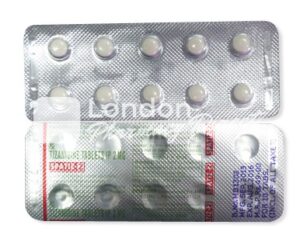
Flunarizine

In brief
- In our pharmacy you can buy flunarizine without a prescription, with delivery across the United Kingdom in 5–14 days; discreet and anonymous packaging is available.
- Flunarizine is used for migraine prophylaxis and for central or peripheral vertigo (occasionally used off‑label as an adjunct in epilepsy); it is a calcium entry blocker (calcium channel antagonist) with antihistaminic, sedative and antidopaminergic properties that reduce neuronal excitability and vestibular sensitivity.
- The usual dose for adults is 10 mg at night, with maintenance dosing of 5–10 mg/day (elderly patients should start at 5 mg and be up‑titrated cautiously); the usual maximum is 10 mg/day.
- The drug is administered orally as tablets (commonly 5 mg and 10 mg) and less commonly as capsules.
- Onset: sedative effects may occur within 1–3 hours after a dose, but migraine‑preventive benefits typically take several weeks to appear (often 2–8 weeks) and should be assessed after 2–3 months of treatment.
- Duration of action: once‑daily dosing provides a 24‑hour clinical effect; flunarizine has a relatively long duration and effects (and side effects) may persist for days after stopping due to its long elimination.
- Alcohol warning: avoid or limit alcohol while taking flunarizine as it increases drowsiness and sedation and may worsen mood effects; do not combine with other CNS depressants without medical advice.
- The most common side effec is drowsiness; other frequent adverse effects include weight gain, increased appetite, fatigue, depressive symptoms and extrapyramidal signs (tremor, rigidity, akathisia), especially with prolonged use or in older patients.
- Would you like to try flunarizine without a prescription?
Basic Flunarizine Information
- INN (International Nonproprietary Name): Flunarizine (Flunarizine hydrochloride).
- Brand Names Available In United Kingdom: Sibelium® (withdrawn; rarely available via import).
- ATC Code: N07CA03 (Antivertigo preparations).
- Forms & Dosages: Tablets 5 mg and 10 mg; capsules less common.
- Manufacturers In United Kingdom: Not specified.
- Registration Status In United Kingdom: Withdrawn from routine commercial supply; may be obtained via unlicensed import or specials in some cases.
- OTC / Rx Classification: Prescription-only (Rx) where licensed; consult prescriber for import arrangements.
Read This First — important safety and travel notes.
Follow your GP or specialist prescription, because flunarizine is prescription-only and has been withdrawn from routine UK supply in many outlets.
If your prescriber arranges supply, ask about unlicensed import or a “specials” route and ensure documentation is provided.
Avoid flunarizine if you have current or past depression, Parkinson’s disease, or severe liver disease.
Start low in older adults (typically 5 mg) and report mood changes or movement problems immediately to NHS 111 or your GP.
Carry a written summary of medications when travelling, and keep tablets in their original packaging below 25°C.
Do not stop flunarizine suddenly without clinician advice.
Use the MHRA Yellow Card to report suspected side effects.
Immediate Actions Checklist:
- If you experience new low mood or suicidal thoughts, contact NHS 111 or your GP immediately.
- If you notice tremor, stiffness or slowness, stop the medicine only after consulting your prescriber and seek urgent review.
- If severe drowsiness or falls occur, avoid driving and inform your clinician.
- Keep tablets at under 25°C and in original packaging when travelling.
Everyday Use & Best Practices
Morning Vs Evening Dosing
Many UK prescribers recommend taking flunarizine at night because drowsiness and sedation are common when treatment starts.
For migraine prophylaxis the standard adult dose used internationally is usually 10 mg once daily at night, with reduction to 5 mg if side effects occur or in elderly patients.
If your clinician starts at 5 mg, follow their titration plan and only increase if advised.
An example patient scenario: a patient started 5 mg nightly, noticed less daytime sleepiness and the prescriber increased to 10 mg after tolerability was confirmed.
Taking With Or Without Meals (UK Diet Habits)
Flunarizine can be taken with or without food.
If you eat a heavy evening meal, taking the tablet afterwards can reduce transient nausea.
If you regularly drink tea or coffee, separate caffeinated drinks from dose timing to better assess sedation effects.
Keep a simple diary noting time taken, what you ate, and sleepiness level for the first few weeks.
Timing Checklist:
- Take at night if sedation occurs.
- If starting at 5 mg, record tolerability for 1–2 weeks before any dose change.
- Report mood or movement changes immediately.
| Dose | Typical Use | Considerations |
|---|---|---|
| 5 mg | Starting dose, elderly, side-effect management | Lower sedation and lower extrapyramidal risk; may be up‑titrated if needed. |
| 10 mg | Standard adult prophylaxis dose | Often more effective for migraine prevention but higher chance of drowsiness and weight gain. |
Safety Priorities
Who Should Avoid It (MHRA Warnings)
Absolute contraindications include current or past depressive illness, Parkinson’s disease or other extrapyramidal disorders, severe hepatic insufficiency, and known hypersensitivity to flunarizine or excipients.
Because flunarizine has been withdrawn in the UK market in many areas, any prescription normally comes with specialist review and additional monitoring.
If you have epilepsy, a history of mood disorder, or are over 60, clinicians will usually avoid flunarizine or start at a low dose and monitor closely.
Activities To Limit (Driving, Work Safety)
Avoid driving or operating heavy machinery until you know how flunarizine affects your alertness.
Inform your employer if your role involves safety-critical tasks; sedation and slower reactions are common early effects.
Report new tremor, stiffness or slowness promptly, as these may indicate parkinsonism and require stopping the drug.
Contraindications At A Glance:
- Past or current depressive illness.
- Parkinson’s disease or extrapyramidal disorders.
- Severe hepatic insufficiency.
- Known hypersensitivity to the drug or excipients.
Fitness To Drive/Work Checklist:
- Do not drive until you are confident you are not drowsy on the dose.
- Stop and seek review for new movement symptoms.
- Discuss dose reduction if sedation affects daily tasks.
Dosage & Adjustments
General Regimen (NHS Guidance)
The internationally standard adult dose used in studies is 10 mg once daily at night for migraine prophylaxis and vertigo, with a maintenance range of 5–10 mg/day.
NHS practice where flunarizine is used follows the same range and clinicians commonly try 2–3 months before judging effectiveness.
If ineffective after about 6 months, clinicians usually discontinue the medicine.
Special Cases (Elderly, Comorbidities)
Elderly patients are usually started at 5 mg/day because of a higher risk of extrapyramidal effects.
In hepatic impairment clinicians may halve the standard dose and monitor liver-related symptoms; flunarizine is primarily hepatically metabolised.
Children are not routinely recommended to receive flunarizine owing to limited data.
For patients with comorbid depression or Parkinsonian risk, flunarizine is generally avoided entirely.
| Population | Typical Dose | Notes |
|---|---|---|
| Adults | 10 mg nightly (5–10 mg) | Assess after 2–3 months; stop if no benefit by 6 months. |
| Elderly | 5 mg nightly | Start low; monitor for tremor or rigidity. |
| Hepatic Impairment | Often halve dose | Monitor liver function and symptoms closely. |
Titration Checklist:
- Start at 5 mg if elderly or high risk.
- Reassess tolerability after 1–2 weeks.
- Allow 2–3 months to judge efficacy before deciding on continuation.
User Testimonials
Positive Reports From UK Patients
Some UK patients report clear benefit with reduced migraine frequency and improved vestibular symptoms after starting flunarizine.
Positive notes often mention better sleep and fewer vertigo spells when using a nightly dose.
Because Sibelium has been withdrawn in the UK, many positive UK accounts reference imported supplies or specialist prescriptions.
Common Challenges (Patient.info, NHS Forums)
Commonly reported downsides are increased sleepiness, weight gain, low mood, and with longer use movement issues such as tremor or stiffness.
Forum guidance stresses careful monitoring: keep a symptom diary, report weight and mood trends to the prescriber, and stop the drug if depressive symptoms emerge.
Top 5 Patient Pros/Cons:
- Pro: Reduced migraine frequency for some refractory patients.
- Pro: Improved vestibular stability in vestibular migraine or vertigo.
- Con: Sedation and daytime drowsiness early on.
- Con: Weight gain and increased appetite are common.
- Con: Risk of movement disorders with prolonged use, especially in older adults.
Patient Diary Template Checklist:
- Date and time of dose.
- Migraine/vertigo attack occurrence and severity.
- Sleepiness level the next day.
- Weekly weight and mood rating.
Buying Guide
Pharmacy Sources (Boots, LloydsPharmacy, Superdrug)
Major UK chains such as Boots, LloydsPharmacy and Superdrug generally do not stock Sibelium due to withdrawal from routine market supply.
If prescribed, a GP or specialist may arrange an unlicensed import or a “specials” supply via a licensed supplier.
Community pharmacists can advise on sourcing, legalities and the legitimacy of imported stock.
Price Comparison (NHS Prescription Charge Vs Private)
On the NHS in England prescriptions are charged per item; check NHS.uk for the current charge.
Scotland, Wales and Northern Ireland commonly offer free prescriptions to patients registered there.
Private supply or import will include pharmacy fees and import costs and prices vary widely; always request an itemised quote and check pharmacy registration with the General Pharmaceutical Council.
In our online pharmacy, flunarizine is available without a prescription, with discreet delivery to United Kingdom in 5-14 days.
| NHS | Private | Import/Specials |
|---|---|---|
| Prescribed on NHS where local formulary allows | Private prescription; normal pharmacy charges apply | Unlicensed import arranged by prescriber; additional fees and documentation |
Safe Online Purchase Checklist:
- Check GPhC registration for UK pharmacies.
- Request full product information and batch details for imports.
- Obtain an itemised invoice showing prescription/specials handling fees.
What’s Inside & How It Works
Ingredients Overview
The active ingredient is flunarizine hydrochloride available commonly in 5 mg and 10 mg tablet strengths.
Excipients vary by manufacturer, so always check the packet leaflet for allergy information.
Branded Sibelium and various generics (Teva, Zentiva, Medochemie) are available in different countries and packaging.
Mechanism Basics Explained Simply
Flunarizine is a calcium channel blocker with antihistaminic and sedative properties.
It reduces neuronal excitability and helps to stabilise vestibular function, which explains benefit in migraine prophylaxis and vertigo.
Flunarizine also influences dopamine pathways, which contributes to both therapeutic effects and the risk of movement and mood-related side effects.
| Component | Notes |
|---|---|
| Active | Flunarizine hydrochloride 5 mg / 10 mg |
| Excipients | Vary by manufacturer — check leaflet for allergens |
Mechanism Diagram (One Line): Flunarizine —| Calcium Channels → Reduced Neuronal Excitability → Fewer Migraines/Improved Vestibular Stability.
Main Indications
Approved Uses (MHRA Listing)
Internationally, flunarizine (often under the brand Sibelium) is licensed for migraine prophylaxis and certain vertigo disorders.
In the UK it has been withdrawn from routine commercial availability in the past, but remains recognised for these indications in countries where it is licensed.
Use is prescription-only and typically reserved for patients not responding to first-line preventives.
Off-Label Uses In UK Clinics
Specialist uses can include certain refractory vestibular migraine cases or adjunct treatment in difficult-to-manage epilepsy, but these are rare and require neurologist review.
Clinicians weigh benefit versus risks such as depression and parkinsonism before any off-label use.
Indications Checklist:
- Migraine prophylaxis (primary indication where licensed).
- Central and peripheral vertigo of certain types.
- Occasional specialist adjunct use in refractory cases with specialist oversight.
When Considered Flowchart (Short): Try first-line preventives → If intolerant or ineffective → Specialist review → Consider flunarizine via licensed supply or import.
Interaction Warnings
Food Interactions (Alcohol, Tea/Coffee)
Alcohol increases sedation and should be avoided or limited while starting flunarizine.
Caffeine does not have a direct pharmacological interaction but may mask sedative effects; monitor sleepiness if caffeine intake changes.
There are no major food-binding issues, but taking the tablet with food may reduce nausea in some patients.
Drug Conflicts (MHRA Yellow Card Reports)
Flunarizine can potentiate CNS depressants such as benzodiazepines, opioids and sedating antihistamines, increasing drowsiness.
It may lower seizure threshold, so caution is needed when used with antiepileptic drugs.
Because it influences dopamine pathways, interactions with antipsychotics and Parkinson’s disease drugs are clinically important.
Report any suspected adverse interactions to the MHRA Yellow Card scheme and ask a pharmacist for a full interaction check.
High-Risk Drugs To Watch:
- Benzodiazepines and opioid analgesics (increased sedation).
- Antipsychotics and dopamine antagonists (additive extrapyramidal risk).
- Some antiepileptics (monitor for seizures).
Patient Checklist: Always bring a full medication list to appointments and confirm interactions with a pharmacist or prescriber.
Latest Evidence & Insights
Key UK & EU Studies 2022–2025
Recent UK and EU literature up to 2025 continues to support flunarizine as effective for migraine prophylaxis and vestibular migraine in selected patients, particularly when first-line agents are unsuitable.
Studies emphasise modest efficacy and highlight the risk of depressive symptoms and parkinsonism with long-term use.
Head-to-head trials often show newer agents with better safety profiles, but flunarizine remains an option in refractory cases after specialist assessment.
Practical Takeaways For Patients
Expect at least a 2–3 month trial to assess benefit, and consider stopping if there is no response by six months.
Baseline screening for mood disorders, weight and neurological examination are recommended, with regular follow-up monitoring especially in older adults.
Annotated Bibliography For Clinicians (Short):
- Recent EU/UK reviews 2022–2025 summarising efficacy versus long‑term movement and mood risks.
- Comparative trials noting tolerability advantages of newer agents but retained role for flunarizine in refractory cases.
Patient Takeaway Box:
- Give the drug 2–3 months to work.
- Report mood or movement changes immediately.
- Expect extra monitoring if you are over 60 or have liver disease.
Alternative Choices
NHS Prescribing Alternatives With Pros/Cons Checklist
Common NHS migraine preventives include propranolol, amitriptyline, topiramate and valproic acid, while antivertigo options include betahistine and cinnarizine.
Each option carries distinct pros and cons and choice depends on comorbidities and tolerability.
Quick Pros/Cons:
- Propranolol — Good for patients with hypertension; avoided in asthma.
- Amitriptyline — Helps sleep and pain; can cause dry mouth and weight gain.
- Topiramate — Effective for some; may cause cognitive slowing and paraesthesia.
- Betahistine/Cinnarizine — Used for vertigo; cinnarizine has a movement disorder risk similar to flunarizine in long use.
When A Clinician Might Prefer Flunarizine
Flunarizine may be chosen when patients have failed or cannot tolerate first-line options, particularly for vestibular migraine or refractory chronic migraine.
The prescriber will discuss movement and mood risks and arrange appropriate monitoring if it is chosen.
Regulation Snapshot
MHRA Approval & UK Status
Historically Sibelium/flunarizine has been withdrawn or unlicensed in the UK market, and where supplied prescribers must follow MHRA rules for unlicensed imports and use licensed “specials” suppliers.
Documentation of informed consent is recommended when prescribing off‑label or via import routes.
NHS Prescribing Framework
Flunarizine is not a routine first-line option on the NHS and local formularies vary.
If prescribed expect extra documentation, specialist review and monitoring appointments.
Confirm whether prescription charges apply in your part of the UK (England charge per item; Scotland, Wales and Northern Ireland may offer exemptions).
Legal Status By Country (Short Table):
| Country | Legal/Registration Status |
|---|---|
| United Kingdom | Withdrawn from routine supply; available rarely via import/specials |
| EU Member States (examples) | Licensed and prescription-only in several countries (eg Romania, Spain, France, Italy, Poland) |
| Canada | Prescription-only, available in provinces |
Checklist For Patients Receiving Imported Medicines:
- Ask for batch number and expiry date.
- Ensure labelling and leaflet are in English or request translation.
- Confirm the supplier is a licensed specials importer.
FAQ Section
Will Flunarizine Make Me Gain Weight?
Many patients experience increased appetite and modest weight gain.
Monitor weight weekly and discuss diet and exercise plans with your GP or pharmacist if concerned.
Can I Drive While Taking It? How Long To Wait?
Do not drive until you know how the medicine affects your alertness.
If you feel drowsy, avoid driving and operating machinery.
Most sedation settles after a few days to weeks, but persistent drowsiness should prompt review with your prescriber.
How Long Before It Works And When To Stop?
Expect a trial of at least 2–3 months before judging benefit.
Stop if there is no benefit by about 6 months or earlier for intolerable side effects, new depressive symptoms or movement problems.
Quick FAQ Bullets:
- Missed dose: take as soon as remembered unless it is nearly the next dose; do not double up.
- Overdose signs: drowsiness, tremor, hypotonia — seek urgent medical attention.
When To Call Your GP:
- New low mood, suicidal thoughts, or marked behavioural change.
- New tremor, rigidity, or slowness of movement.
- Severe or persistent drowsiness affecting daily life.
Guidelines For Proper Use
UK Pharmacist Counselling Style
Pharmacists should confirm the indication, explain dosing (5–10 mg at night), and review contraindications such as depression and Parkinson’s disease.
Advise patients on sedation and driving, and ask about current medications to identify interactions.
Provide a written leaflet and encourage reporting of adverse events via the Yellow Card scheme.
NHS Patient Support Advice
GPs and specialists should document baseline mood and a neurological exam, and set review appointments at around 2–3 months.
Advice on periodic drug holidays may be given for long-term treatment and alternatives should be arranged if side effects develop.
Use a clear patient action plan specifying who to call for mood change, movement symptoms or severe drowsiness.
Pharmacist Counselling Checklist:
- Confirm prescription origin and supply route (licensed vs import).
- Explain dosing, storage under 25°C, and what to do for missed doses.
- Highlight contraindications and interaction risks.
Patient-Facing Action Plan Template:
- Name of prescriber and contact number.
- Review date set for 2–3 months after start.
- Emergency contact (NHS 111) for urgent mood or movement concerns.
Delivery Across United Kingdom
| City | Region | Delivery Time |
|---|---|---|
| London | England | 5-7 days |
| Birmingham | England | 5-7 days |
| Manchester | England | 5-7 days |
| Leeds | England | 5-7 days |
| Glasgow | Scotland | 5-7 days |
| Edinburgh | Scotland | 5-7 days |
| Bristol | England | 5-7 days |
| Cardiff | Wales | 5-7 days |
| Belfast | Northern Ireland | 5-9 days |
| Swansea | Wales | 5-9 days |
| Newcastle | England | 5-9 days |
| Nottingham | England | 5-9 days |
| Southampton | England | 5-9 days |
| Plymouth | England | 5-9 days |