Indocid
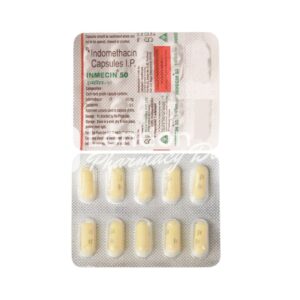
In brief
- In many countries Indocid (indomethacin) is officially a prescription-only medicine, but availability varies and in some pharmacies it can be purchased without a receipt; it should ideally be used under medical supervision.
- Indocid is used to treat pain and inflammation in conditions such as osteoarthritis, rheumatoid arthritis, ankylosing spondylitis and acute gout; it is a non-steroidal anti-inflammatory drug (NSAID) that non‑selectively inhibits cyclooxygenase (COX‑1 and COX‑2), reducing prostaglandin synthesis.
- Usual adult doses: osteoarthritis/rheumatoid/ankylosing spondylitis—25 mg two to three times daily, may be increased by 25–50 mg in divided doses as tolerated (maximum about 200 mg/day); acute gout—50 mg three times daily until relief (short term); general pain—25–50 mg two to three times daily; elderly and those with organ impairment should start at the lower end and be monitored.
- Forms of administration include oral capsules/tablets (25 mg, 50 mg, SR 75 mg), oral suspension (25 mg/5 mL), rectal suppositories (50 mg, 100 mg) and an injectable IV lyophilised vial for hospital use.
- Onset of effect: oral analgesic action often begins within 30–60 minutes; for acute gout pain reduction is commonly evident within 2–4 hours (IV acts faster).
- Duration of action is typically about 4–6 hours for immediate-release formulations; sustained‑release preparations may provide effects for up to 12–24 hours, depending on formulation.
- Alcohol warning: avoid alcohol while taking Indocid as combined use increases the risk of gastrointestinal bleeding and other adverse effects.
- The most common side effec is gastrointestinal upset (nausea, heartburn), with dizziness and headache also frequently reported; more serious risks include GI bleeding, ulceration and renal impairment.
- Would you like to try indocid without a prescription?
Basic Indocid Information
- INN (International Nonproprietary Name): Indomethacin (also known as Indometacin in some countries).
- Brand Names Available In United Kingdom: Indometacin, Indocid, Indocin (listed under Europe and various local brands).
- ATC Code: M01AB01 (Anti-inflammatory and antirheumatic products, non-steroids; acetic acid derivatives and related substances).
- Forms & Dosages: Capsules/Tablets 25 mg and 50 mg; sustained/extended‑release 75 mg; oral suspension 25 mg/5 mL (237 mL bottle); suppositories 50 mg and 100 mg; injectable IV 1 mg/vial (lyophilised) for hospital use.
- Manufacturers In United Kingdom: not specified.
- Registration Status In United Kingdom: Recognised by MHRA (UK) and available as prescription-only preparations through community and hospital formularies.
- OTC / Rx Classification: Prescription Only (Rx) throughout regulated markets.
Instructions For Use
Worried about getting indocid dosing or storage wrong?
Keep your prescription and the patient information leaflet with you whenever you collect or travel with your medicine.
Indocid (indomethacin/indometacin) is a prescription-only medicine in the UK and is dispensed via NHS or private pharmacies such as Boots, LloydsPharmacy and Superdrug, as well as reputable online pharmacies.
Do not share your tablets, capsules, suspension, suppositories or any IV formulation with anyone else.
Check the brand name on the label (Indocid, Indocin, Indometacin) and the strength before taking it.
Store all forms below 30°C and keep suppositories cool and protected from high temperatures.
If you pay for prescriptions in England the standard NHS charge applies.
Scotland, Wales and Northern Ireland generally have free prescriptions; bring your exemption card if eligible.
If pregnant, breastfeeding, have an active peptic ulcer, severe heart, liver or kidney disease, asthma after NSAIDs, or prior NSAID allergy do not take indometacin and speak to your GP or pharmacist immediately.
- Symptoms To Report: black or tarry stools, severe abdominal pain, new breathlessness, marked swelling, jaundice, severe skin rash.
| Storage / Packaging | Advice |
|---|---|
| Tablets/Capsules | Store below 30°C in original container; keep out of reach of children. |
| Oral Suspension | Do not freeze; keep bottle closed and use supplied measuring spoon for 25 mg/5 mL suspension. |
| Suppositories | Keep cool; avoid overheating and protect from moisture. |
Everyday Use & Best Practices
Morning Vs Evening Dosing
Which time of day works best depends on your symptoms and side effects.
For most adult conditions indometacin is taken in divided doses of 25–50 mg two to three times daily.
For acute gout the usual regimen is 50 mg three times daily until the flare settles.
Chronic arthritis patients often aim for consistency: a morning dose can reduce stiffness on waking and an evening dose can reduce nocturnal pain.
Avoid taking sustained‑release or retard formulations at night unless your prescriber has specified once‑daily night use.
If indometacin makes you dizzy or drowsy you may prefer evening doses, but always discuss dose timing with the prescriber.
Taking With Or Without Meals (UK Diet Habits)
Always try to take indometacin with or after food or a milky drink to reduce stomach upset.
Typical UK breakfasts such as porridge or toast with tea or coffee are suitable with a tablet or capsule.
Avoid strong alcohol on the same day because alcohol increases the risk of gastrointestinal bleeding.
For the oral suspension (25 mg/5 mL) use the supplied spoon or measuring device and do not mix with other drinks.
- Dos: take with food, measure suspension accurately, keep dosing times consistent.
- Don’ts: do not combine with other NSAIDs, avoid heavy drinking, do not crush SR tablets unless instructed.
- If you feel nauseous, take the next dose with a snack and speak to your pharmacist if symptoms persist.
- If vomiting occurs repeatedly, stop the medicine and contact your GP or NHS 111.
Safety Priorities
Who Should Avoid It (MHRA Warnings)
Who must not take indometacin is straightforward and important to check before any supply.
Absolute contraindications include a known allergy to indometacin or other NSAIDs, active peptic ulcer or gastrointestinal bleeding, and severe hepatic, renal or cardiac insufficiency.
A history of aspirin‑ or NSAID‑induced asthma, urticaria or other allergic‑type reactions rules out indometacin.
Late pregnancy is also an absolute contraindication because NSAIDs can affect the fetal circulation.
Elderly people and those taking anticoagulants, ACE inhibitors, diuretics, lithium or who have uncontrolled hypertension require careful review and monitoring.
The MHRA advises caution with long‑term use and monitoring for gastrointestinal, renal, hepatic and cardiovascular harms.
Activities To Limit (Driving, Work Safety)
Indometacin can cause dizziness, drowsiness or visual disturbance in some people.
Avoid driving, cycling or operating heavy machinery until you know how the medicine affects you.
If your job needs balance or precision such as construction, driving or machinery operation discuss temporary adjustments with your employer and GP.
- Symptoms That Rule Out Driving: sudden drowsiness, unexplained dizziness, blurred vision or fainting.
| Contraindication | Monitoring / Action |
|---|---|
| Severe Renal Impairment | Avoid indometacin; check U&Es and discuss alternatives. |
| History Of Peptic Ulcer | Consider gastroprotection (PPI) and review necessity of NSAID. |
Dosage & Adjustments
General Regimen (NHS Guidance)
How much indometacin you take depends on the condition being treated.
For osteoarthritis, rheumatoid arthritis and ankylosing spondylitis a common starting dose is 25 mg two to three times daily, adjusted by 25–50 mg in divided doses if needed.
For acute gout the usual approach is 50 mg three times daily until relief, then stop or taper under supervision.
Maximum doses up to 200 mg/day can be used under close medical supervision but the lowest effective dose for the shortest possible time is standard practice.
NHS GPs will review ongoing need and monitor blood pressure, renal function and full blood count for long‑term therapy.
Special Cases (Elderly, Comorbidities)
Start older adults at the lower end of the dosing range, for example 25 mg once or twice daily, and increase cautiously.
Monitor elderly patients for gastrointestinal bleeding, renal impairment, hyponatraemia and fluid retention.
For hepatic or renal impairment dose reduction is often necessary and severe disease usually requires avoidance of indometacin.
| Patient Group | Suggested Approach |
|---|---|
| Elderly | Start low, monitor U&Es and BP regularly. |
| Renal/Hepatic Impairment | Reduce dose or avoid; seek specialist advice for severe cases. |
- Monitoring Checklist: baseline BP, renal function (U&Es), liver function tests, full blood count for long‑term users.
User Testimonials
Positive Reports From UK Patients
Does indometacin actually work for a gout flare?
Many UK patients describe rapid relief with indometacin, often feeling pain reduce within two to four hours and substantial improvement over 24–72 hours.
People with inflammatory back pain or arthritis often report reduced morning stiffness and improved mobility within several days when the dose and timing suit their routine.
Patients commonly praise clear pharmacist counselling at community chains such as Boots and LloydsPharmacy for correct administration and side‑effect management.
Common Challenges (Patient.info, NHS Forums)
The most frequent problems reported online are gastrointestinal upset, dizziness or inadequate pain relief at low doses.
Some patients discontinue treatment early due to nausea or worry about long‑term risks.
Forums and NHS pages highlight the value of co‑prescribed gastroprotection such as a PPI when long‑term NSAID therapy is needed.
- Benefits: fast gout relief, anti‑inflammatory effect for arthritis, multiple formulations including suppositories and suspension.
- Challenges: GI upset, need for monitoring, possible dizziness, medication interactions.
“Switched after a bad flare and had relief within a day,” reads a typical anonymous comment on a UK forum.
Buying Guide
Pharmacy Sources (Boots, LloydsPharmacy, Superdrug)
Where to get indometacin in the UK is a common question at the counter.
Indometacin is prescription-only and is supplied by community pharmacies such as Boots, LloydsPharmacy and Superdrug on presentation of an NHS or private prescription.
Community pharmacists can advise on dosing, interactions and side‑effect management and will supply measuring devices for the oral suspension.
Hospital IV formulations are supplied by NHS trusts for specialist indications like PDA closure in neonates.
In our online pharmacy indocid is available without a prescription, with discreet delivery to United Kingdom in 5-14 days.
Price Comparison (NHS Prescription Charge Vs Private)
On the NHS prescriptions are charged per item in England unless you qualify for an exemption.
Prescriptions are generally free in Scotland, Wales and Northern Ireland; bring your exemption card when collecting medicines.
Private prescriptions cost more and out‑of‑pocket prices vary by pharmacy, brand and whether the product is a generic.
| Prescription Route | Typical Cost |
|---|---|
| NHS (England) | Standard per‑item charge applies unless exempt. |
| NHS (Scotland/Wales/NI) | Generally free for patients in those nations. |
| Private Prescription | Price varies; generics (e.g. Sandoz, Sun Pharma) usually cheaper than branded Indocid/Indocin. |
- Documents For Free Prescriptions: bring your exemption certificate or proof of eligibility to the pharmacy.
What’s Inside & How It Works
Ingredients Overview
What you hold in your hand varies with brand and form so always read the patient leaflet.
The active ingredient is indomethacin (INN), available in immediate‑release capsules/tablets (25 mg, 50 mg), sustained‑release 75 mg, suppositories (50 mg, 100 mg), oral suspension 25 mg/5 mL and IV 1 mg/vial for hospital use.
Excipients differ by manufacturer so check the leaflet for potential allergens such as lactose or colourants.
Mechanism Basics Explained Simply
Indometacin is a non‑steroidal anti‑inflammatory drug that inhibits cyclo‑oxygenase enzymes, reducing prostaglandin synthesis and therefore pain and inflammation.
The drug is particularly effective for acute gout flares and inflammatory arthritides, with effects often starting within hours for immediate‑release formulations.
Sustained‑release forms provide longer coverage but should only be used as prescribed.
- Form Vs Onset: immediate‑release—rapid onset; SR—longer duration; suppository—useful if oral route not possible.
Main Indications
Approved Uses (MHRA Listing)
Which conditions justify a prescription of indometacin is guided by MHRA and formularies.
Indometacin is indicated for osteoarthritis, rheumatoid arthritis, ankylosing spondylitis, acute gouty arthritis and other inflammatory conditions in adults.
Dosing varies by indication—for chronic rheumatological disease typical dosing is 25 mg two to three times daily while for acute gout 50 mg three times daily is usual.
Off‑Label Uses In UK Clinics
Specialist off‑label uses include intravenous indometacin for closure of a patent ductus arteriosus in preterm infants under neonatal care.
GPs rarely use IV forms; specialists document and justify off‑label hospital use in records.
| Indication | Usual Dose |
|---|---|
| Osteoarthritis / Rheumatoid Arthritis | 25 mg two to three times daily |
| Acute Gouty Arthritis | 50 mg three times daily until relief |
- When Specialist Input Is Required: neonatal PDA closure, severe renal or hepatic disease, complicated rheumatologic cases.
Interaction Warnings
Food Interactions (Alcohol, Tea/Coffee)
Alcohol increases the risk of gastrointestinal bleeding while on indometacin and should be avoided or kept to a minimum.
Tea and coffee have no direct strong interaction with indometacin, but caffeine can increase gastric irritation in people with a sensitive stomach.
Do not mix the oral suspension with other beverages; use the supplied measuring device to give the 25 mg/5 mL dose.
Drug Conflicts (MHRA Yellow Card Reports)
Indometacin has significant drug interactions you must tell your GP and pharmacist about.
Anticoagulants such as warfarin or DOACs increase bleeding risk when combined with NSAIDs.
ACE inhibitors, ARBs and diuretics may have reduced efficacy and an increased risk of renal impairment when taken with NSAIDs.
Lithium and methotrexate levels can rise with concurrent NSAID therapy, requiring monitoring.
| Drug | Risk |
|---|---|
| Warfarin / DOACs | Increased bleeding risk; avoid unless monitored. |
| ACE Inhibitors / Diuretics | Reduced antihypertensive effect and possible renal damage. |
- Checklist: tell your pharmacist about all prescription meds, OTC NSAIDs, aspirin, herbal remedies and supplements.
Latest Evidence & Insights
Key UK & EU Studies 2022–2025
Recent UK and EU analyses reaffirm indometacin’s efficacy for acute gout with rapid symptom relief, often within hours of the first dose.
Comparative safety studies show gastrointestinal and renal risk profiles similar to other non‑selective NSAIDs, supporting short‑term use under supervision.
Emerging data through 2024–25 underline the need for cautious use in older adults with routine renal and blood pressure monitoring.
What They Mean For Patients
For UK patients the research supports short‑term use for flares and careful monitoring for those on long‑term therapy.
Regular reviews, consideration of gastroprotection and switching to topical NSAIDs or alternatives when risks are high are consistent clinical messages.
- Study Takeaways: indometacin effective for gout, similar safety to other NSAIDs, monitor renal function and BP in older adults.
- Questions To Ask Your GP: Do I need a PPI? How often should I check blood tests? Is there a safer alternative?
Alternative Choices
NHS Prescribing Alternatives With Pros/Cons Checklist
There are several alternatives to indometacin available on NHS formularies depending on individual risk.
Naproxen has a longer half‑life and suits sustained pain control but shares GI and renal risks with indometacin.
Diclofenac is available in topical and oral forms; topical diclofenac reduces systemic exposure and is useful for localized osteoarthritis.
Ibuprofen is available OTC for short‑term use and paracetamol is an adjunct when NSAIDs are unsuitable.
Celecoxib, a COX‑2 selective agent, has a lower GI risk but requires caution in those with cardiovascular disease.
- Pros/Cons: naproxen—good duration; diclofenac topical—lower systemic exposure; celecoxib—better GI profile but CV concerns.
When To Ask For Alternatives
Ask your GP or pharmacist for alternatives if you have peptic ulcer disease, heart failure, chronic kidney disease, are elderly or take interacting medicines.
| Condition | Preferred Option |
|---|---|
| Localized Osteoarthritis | Topical diclofenac |
| Gastrointestinal Risk | Celecoxib with review, or non‑NSAID analgesics |
Regulation Snapshot
MHRA Approval & Prescribing Framework
Indometacin is an MHRA‑recognised, prescription‑only medicine in the UK.
GP and hospital formularies guide which brand or generic is chosen, and many trusts favour generics such as those produced by Sandoz or Sun Pharma to reduce costs.
MHRA safety updates and the Yellow Card scheme collect adverse event reports and safety communications.
- How To Report Side Effects: report suspected adverse reactions via the MHRA Yellow Card scheme through your GP, pharmacist or online.
NHS Dispensing And Repeat Prescriptions
GPs issue prescriptions and set up repeat arrangements where appropriate, while community pharmacists dispense and provide counselling on interactions and side effects.
Private prescriptions are accepted but prices vary by pharmacy and brand.
Long‑term NSAID patients on the NHS are often included in monitoring pathways that check blood pressure and renal function at intervals.
| Organisation | Role |
|---|---|
| MHRA | Regulatory oversight and pharmacovigilance. |
| NHS / GP | Prescribing, monitoring and repeat prescriptions. |
FAQ Section
Can I Take Indometacin With Other Painkillers?
Short answer: avoid taking other NSAIDs such as ibuprofen or naproxen or regular aspirin together with indometacin because of cumulative gastrointestinal and renal risk.
Paracetamol is generally safe to use as an adjunct for extra pain relief, but check with your pharmacist first if you are taking warfarin or other anticoagulants.
What To Do If I Miss A Dose Or Have Side Effects?
If you miss a dose take it as soon as you remember unless it is almost time for the next dose—do not double up to make up for a missed tablet.
Minor side effects such as mild nausea or dizziness can be discussed with your pharmacist and often settle with food or dose timing changes.
Urgent side effects that need immediate medical attention include black or bloody stools, severe abdominal pain, sudden breathlessness, marked swelling, jaundice or a severe skin rash.
- Minor Side Effects: mild nausea, headache, mild dizziness—contact pharmacy for advice.
- Urgent Side Effects: GI bleeding signs, severe breathlessness, swelling—seek emergency care and report via Yellow Card.
Guidelines For Proper Use
UK Pharmacist Counselling Style
Pharmacists should confirm your identity, the indication, dose and duration before handing over indometacin.
Advice should include taking the medicine with food, avoiding heavy alcohol, monitoring for dizziness and GI symptoms and arranging blood pressure and kidney checks for long‑term use.
Pharmacists will also advise on prescription charge status and whether gastroprotection such as a PPI is advisable for you.
- Counselling Points: dose, interactions, food advice, monitoring schedule, when to stop and seek help.
NHS Patient Support Advice
The NHS recommends keeping an up‑to‑date medication list, attending routine monitoring appointments and reporting side effects to your GP or community pharmacist.
Self‑management measures such as weight control, exercise and physiotherapy can reduce reliance on NSAIDs.
For repeat prescriptions bring hospital letters and tell your GP about any over‑the‑counter medicines you take.
| Issue | Contact |
|---|---|
| Side Effects | Community pharmacist or GP; Yellow Card reporting for suspected adverse reactions. |
| Prescription Queries | GP surgery or dispensing pharmacy. |
Delivery Across United Kingdom
| City | Region | Delivery Time |
|---|---|---|
| London | England | 5-7 days |
| Birmingham | England | 5-7 days |
| Manchester | England | 5-7 days |
| Glasgow | Scotland | 5-7 days |
| Leeds | England | 5-7 days |
| Liverpool | England | 5-7 days |
| Bristol | England | 5-7 days |
| Edinburgh | Scotland | 5-7 days |
| Cardiff | Wales | 5-7 days |
| Belfast | Northern Ireland | 5-7 days |
| Newcastle | England | 5-9 days |
| Sheffield | England | 5-9 days |
| Nottingham | England | 5-9 days |
| Southampton | England | 5-9 days |