Diclofenac
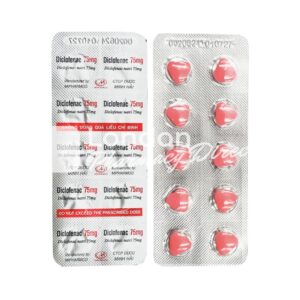
In brief
- Diclofenac can be purchased from pharmacies and many online pharmacy shops; in some countries and for some forms it is available without a prescription, especially topical gels, patches and sprays, while oral, injectable and eye drop forms are usually prescription-only. Discreet packaging and local delivery may be available depending on the seller and country.
- Diclofenac is a non-steroidal anti-inflammatory drug (NSAID) used to relieve pain, inflammation and swelling in conditions such as osteoarthritis, rheumatic pain, acute musculoskeletal injuries and some eye conditions. It works by inhibiting cyclo-oxygenase (COX) enzymes, which reduces prostaglandin production and therefore lessens pain and inflammation.
- The usual adult dose depends on the form and indication: oral tablets are commonly 50–100 mg up to 2–3 times daily with a maximum of 150 mg per day; topical gel is usually applied in a 2–4 g amount to the affected area 3–4 times daily; injections may be 25 mg/ml or 75 mg/3 ml for acute pain; eye drops are typically 1 drop 4–5 times daily as directed.
- Diclofenac is available as tablets, gastro-resistant or extended-release tablets, gel or cream, suppositories, injection, eye drops, spray and patch. Administration routes include oral, topical, rectal, intramuscular, slow intravenous infusion and ophthalmic use.
- Diclofenac usually starts to work within about 30–60 minutes when taken by mouth, and topical forms may begin to ease pain within a few hours. Injectable forms can act more quickly, often within minutes to around 30 minutes.
- The duration of action is generally about 4–8 hours for standard oral forms, although extended-release preparations last longer. Topical products may provide relief for several hours and are often used repeatedly through the day.
- Alcohol should be avoided or kept to a minimum while taking diclofenac, as alcohol increases the risk of stomach irritation, ulcers and bleeding, and may also worsen dizziness or liver-related adverse effects.
- The most common side effects are nausea, indigestion, stomach pain, headache and dizziness. With topical forms, rash or skin irritation can occur; less commonly, fluid retention, raised blood pressure, increased liver enzymes, pruritus and injection-site pain may occur.
- Would you like to try diclofenac without a prescription?
Basic Diclofenac Information
- INN (International Nonproprietary Name): Diclofenac
- Brand Names Available In United Kingdom: Voltarol
- ATC Code: M01AB05; M02AA15; S01BC03
- Forms & Dosages: Tablets 25mg, 50mg, 75mg, 100mg; gel/cream 1%, 2%, 3%; suppositories 12.5mg, 25mg, 50mg, 100mg; injection 25mg/ml, 75mg/3ml; eye drops 0.1%; spray/patch 4%, 5% (varies)
- Manufacturers In United Kingdom: Novartis (Voltaren), Teva, Sandoz, Mylan, ratiopharm, among many generics
- Registration Status In United Kingdom: Marketed and approved by MHRA for oral, topical, and parenteral forms
- OTC / Rx Classification: OTC topical forms, low-dose oral in some countries; prescription oral, injectable, higher strength topical, and eye drops
Everyday Use And Best Practices For UK Patients
Wondering when to take diclofenac, or whether it matters if you have it with breakfast or after your tea?
For many people, the answer is simple: take it exactly as prescribed, at the same times each day if you are using diclofenac tablets regularly.
Some people find an evening dose easier when stiffness is worse overnight, but the label or prescriber’s instructions always come first.
Diclofenac gastro-resistant tablets and modified-release forms should not be crushed or chewed, because that changes how they release.
Morning Vs Evening Dosing
- Before first dose: check the pack for the exact strength, form, and timing.
- Before first dose: confirm whether you have diclofenac tablets, Voltarol gel, suppositories, eye drops, or a spray or patch.
- Before first dose: keep the shortest possible duration in mind, especially for pain that should settle quickly.
In day-to-day use, a routine around breakfast, lunch, or the evening meal often makes it easier to remember.
If you work shifts, set an alarm so the dose stays consistent.
For topical Voltarol gel, apply it to clean, dry skin and wash your hands afterwards unless the hands are the treated area.
Taking With Or Without Meals
Taking diclofenac with or after food may help reduce indigestion, which is one of the more common side effects.
That can fit neatly around a full English breakfast, a sandwich at lunch, or your evening meal.
Some patients prefer taking it with tea-time or after supper if their stomach is sensitive.
These small habits often make oral diclofenac easier to tolerate.
Topical forms, including diclofenac gel, are usually used on the painful area rather than taken by mouth, so food does not affect how they are applied.
Store all forms at 15–30°C, protected from heat, moisture, and light.
Safety Priorities: Who Should Avoid Diclofenac
Concerned because you have asthma, a stomach ulcer, kidney problems, or you are pregnant?
Those are exactly the kinds of questions to sort out before starting diclofenac, because NSAID safety matters and MHRA guidance is clear on the main risks.
Who Should Avoid It
- Do not use if you are allergic to diclofenac or any NSAID.
- Do not use if you have an active gastric or duodenal ulcer, GI bleeding, or perforation.
- Do not use if you have severe heart failure, severe liver disease, or severe kidney disease.
- Do not use in the third trimester of pregnancy.
- Do not use if you have had asthma, urticaria, or an allergic-type reaction after NSAIDs before.
Topical forms can still cause reactions, so diclofenac gel is not risk-free just because it is rubbed on the skin.
If you have a long-term condition, check with a pharmacist, GP, or NHS 111 before starting.
Activities To Limit
| Situation | Advice |
|---|---|
| Driving or cycling | Use caution if you feel dizzy or unwell after taking diclofenac. |
| Using machinery | Avoid anything needing fast reactions if you feel sleepy, dizzy, or off balance. |
| Ladders or shift work | Take extra care, especially after the first dose. |
Dizziness is one of the common side effects and can affect driving, cycling, and work safety.
If you feel unwell after the first dose, pause and get advice before carrying on.
Dosage And Dose Adjustments
How much diclofenac is enough, without taking more than you need?
That depends on the form, the condition being treated, and your personal risk factors.
General Regimen
| Form | Typical Dose | Route |
|---|---|---|
| Diclofenac tablets | 50mg–100mg up to 2–3 times daily, maximum 150mg/day | Oral |
| Diclofenac gel | 2–4g applied 3–4 times daily | Topical |
| Suppositories | Strength varies by pack and indication | Rectal |
| Eye drops | 1 drop 4–5 times daily | Ophthalmic |
The key rule is to use the lowest effective dose for the shortest possible duration.
That is especially important with diclofenac 50mg tablets, diclofenac sodium tablets, or any stronger oral course.
Most acute courses last a few days up to two weeks, unless a clinician says otherwise.
Special Cases
- Older adults usually need a lower starting dose and closer monitoring for GI, kidney, and cardiovascular risks.
- Use caution in kidney or liver impairment, hypertension, diabetes, inflammatory bowel disease, and with anticoagulants.
- Children’s doses are weight-based and must only be used under medical advice, usually 1–3mg/kg/day in divided doses.
- If you miss a dose, take it when remembered unless the next dose is due soon; do not double up.
If you are unsure about diclofenac dose, ask a pharmacist before taking the next tablet or applying the next gel dose.
User Experiences: What UK Patients Commonly Report
What do people usually say after trying Voltarol gel or diclofenac tablets for the first time?
The short version is that experiences vary, but there are some common patterns.
Positive Reports From UK Patients
- Faster relief from joint or muscular pain.
- Easier movement when stiffness settles.
- Better sleep when pain is reduced overnight.
- Many people like topical Voltarol because it feels more localised.
Common Challenges
- Indigestion or stomach upset.
- Skin irritation with topical use.
- Not enough relief for severe pain.
Forum comments can be useful for a rough feel, but they are not medical advice.
Diclofenac is a potent anti-inflammatory and analgesic, so it can work well, but side effects and results depend on the condition being treated.
Buying Guide In The UK
Thinking of buying diclofenac from a high-street chemist or an online pharmacy?
In the UK, topical diclofenac may be available over the counter, while oral and higher-strength forms are usually prescription-only.
Pharmacy Sources
| Source | Access | Likely Cost |
|---|---|---|
| Boots | OTC topical and pharmacy advice; prescription items where available | Varies by product |
| LloydsPharmacy | OTC topical and prescription services | Varies by product |
| Superdrug | OTC topical in-store and online | Varies by pack size |
| Regulated online pharmacy | OTC or prescription depending on form | Brand, strength, and pack dependent |
Always check the pharmacy’s GPhC registration, and if buying online, look for the UK distance-selling logo where relevant.
In our online pharmacy, diclofenac is available without a prescription, with discreet delivery to United Kingdom in 5-14 days.
Price Comparison
England has NHS prescription charges, while Scotland, Wales, and Northern Ireland generally provide NHS prescriptions free at the point of use.
Private pharmacy pricing varies by brand, strength, and pack size, so gel tubes and tablet packs may not cost the same.
Voltarol gel is often the best-known UK brand, but packaging sizes differ between manufacturers and product types.
What Is Inside Diclofenac And How It Works
Curious what makes diclofenac work, beyond the brand name on the box?
The active ingredient is diclofenac itself, and UK patients will most often recognise it under Voltarol for topical products and tablets.
Ingredients Overview
| Form | Route | Typical Use |
|---|---|---|
| Tablets | Oral | Joint and rheumatic pain, acute pain |
| Gel/Cream | Topical | Local muscle and joint pain |
| Suppositories | Rectal | When oral use is not suitable |
| Eye drops | Ophthalmic | Specialist eye use |
Diclofenac belongs to the NSAID family and is classified under ATC codes M01AB05, M02AA15, and S01BC03 depending on the form.
Mechanism Basics Explained Simply
It helps calm the body’s pain signals by reducing inflammation, pain, and swelling.
That is why it is used for musculoskeletal pain, rheumatic pain, and osteoarthritis, and why topical diclofenac can be so useful for local aches.
Packaging and strengths vary by manufacturer, but the active ingredient stays the same.
Main Indications And Approved Uses
Is diclofenac the right choice for your pain, or is it being used for something more specific?
The main approved uses in the UK and other regulated markets are pretty familiar to most patients.
Approved Uses
| Condition | Common Form | Usual Route |
|---|---|---|
| Osteoarthritis | Diclofenac tablets or gel | Oral or topical |
| Rheumatic pain | Diclofenac tablets | Oral |
| Acute pain | Tablets or injection | Oral or parenteral |
| Local musculoskeletal pain | Diclofenac gel | Topical |
| Eye inflammation | Eye drops | Ophthalmic |
Eye drops are a specialist use, not a general painkiller option.
Off-Label Uses In UK Clinics
Some clinicians may use diclofenac beyond the main label in selected cases, but that is not routine self-care.
Off-label use should only happen with prescriber oversight, especially with oral diclofenac or patients who already have risk factors.
For self-treatment, topical forms are usually the more straightforward option for local pain.
Interaction Warnings
Can you have diclofenac with alcohol, tea, coffee, or your usual medicines?
That depends on the combination, and some pairings need much more caution than others.
Food And Drink Interactions
| Item | Usual Advice |
|---|---|
| Alcohol | Avoid or limit, because it can increase stomach irritation and bleeding risk. |
| Tea or coffee | No major direct interaction, but caffeine may make some people feel more jittery or mask discomfort. |
| Food | Take with or after food if indigestion is a problem. |
A gentle food-based routine is usually easier on the stomach than taking diclofenac on an empty stomach.
Drug Conflicts
- Avoid combining with other NSAIDs unless specifically advised.
- Use caution with anticoagulants, some blood pressure medicines, and steroids.
- Take aspirin carefully, especially if it is being used for heart protection.
- Report suspected side effects through the MHRA Yellow Card scheme.
These interactions matter because diclofenac can increase gastrointestinal, cardiovascular, and renal risk in vulnerable people.
Latest Evidence And Insights
What has recent research changed for patients between 2022 and 2025?
The broad direction is consistent: topical diclofenac remains useful for localised pain, while oral use needs more caution in higher-risk patients.
- Topical NSAID treatment is still a practical choice for local joint and muscle pain.
- Oral diclofenac needs closer review in people with stomach, heart, or kidney risk.
- Regulators continue to monitor gastrointestinal, cardiovascular, and renal safety.
- Some higher-dose formulations have faced restrictions or withdrawal in some countries.
For patients, that means the drug still has a clear role, but it is best used carefully and for the shortest possible duration.
Alternative Choices
Not every patient needs diclofenac, and sometimes another NSAID is the better fit.
The main alternatives often considered in NHS prescribing are ibuprofen, naproxen, ketoprofen, piroxicam, celecoxib, and etodolac.
NHS Prescribing Alternatives With Pros And Cons
| Alternative | Possible Upside | Possible Downside |
|---|---|---|
| Ibuprofen | Common first-line option for short-term pain relief | May still irritate the stomach |
| Naproxen | Often considered when longer relief is needed | NSAID stomach and bleeding risks still apply |
| Ketoprofen | Another NSAID option for pain and inflammation | Similar class cautions |
| Piroxicam | May suit selected inflammatory conditions | Longer-acting NSAID with caution in at-risk patients |
| Celecoxib | COX-2 selective option for some patients | Still needs cardiovascular review |
| Etodolac | Another prescription NSAID choice | Needs the same careful review in risk groups |
- Choose another option if stomach risk is the main concern.
- Choose another option if cardiovascular or kidney history needs a different risk balance.
- Choose another option if you only need lower-dose short-term pain relief.
Regulation Snapshot
Diclofenac is approved and marketed globally, including in the UK by the MHRA.
Different forms are regulated differently, so oral, injectable, topical, and eye-drop products do not all sit in the same access category.
Form And Access
| Form | Legal Status | Usual Access |
|---|---|---|
| Topical gel, patch, spray | OTC in many settings | Pharmacy or online pharmacy |
| Low-dose oral | Varies by country | Sometimes pharmacy supply |
| Oral tablets | Prescription medicine | GP or pharmacist-led prescription |
| Injection | Prescription medicine | Clinical setting |
| Higher-strength topical and eye drops | Prescription medicine | Prescriber oversight |
Prescribing follows a benefit-risk assessment, especially where gastrointestinal, cardiovascular, or renal risk is higher.
That is why the same active ingredient can be available in a simple gel tube, but more tightly controlled as a tablet or injection.
FAQs
Can I Take Diclofenac With Food?
Yes, taking it with or after food may help reduce indigestion.
How Long Can I Use Voltarol Gel?
Use it for the shortest possible time that controls your pain, and check the pack or a pharmacist if symptoms do not improve.
Can I Drive After Taking Diclofenac?
Only if you feel well. Dizziness can affect driving, cycling, and using machinery.
What Should I Do If I Miss A Dose?
Take it when you remember unless the next dose is nearly due. Do not double the next dose.
Guidelines For Proper Use
What does safe diclofenac use look like in a real UK pharmacy consultation?
It usually starts with the same advice every time: lowest effective dose, shortest possible duration, and a quick check for warning signs.
Pharmacist Counselling Points
- Black stools.
- Vomiting blood.
- Chest pain or breathlessness.
- Severe rash or swelling.
- Reduced urine.
- Sudden asthma symptoms.
If any of those happen, get urgent medical help.
Keep diclofenac in its original packaging, protected from heat, moisture, and light, and store it at 15–30°C.
NHS Patient Support Advice
If pain continues or gets worse, speak to a pharmacist, GP, or NHS 111.
Pharmacists in UK chains and independent pharmacies are often the first point of contact for straightforward pain queries.
Never share medicines, and dispose of unused tablets or gel safely through a pharmacy if advised locally.
Delivery Across United Kingdom
| City | Region | Delivery Time |
|---|---|---|
| London | Greater London | 5-7 days |
| Birmingham | West Midlands | 5-7 days |
| Manchester | North West England | 5-7 days |
| Glasgow | Scotland | 5-7 days |
| Edinburgh | Scotland | 5-7 days |
| Liverpool | North West England | 5-7 days |
| Leeds | Yorkshire and the Humber | 5-7 days |
| Sheffield | Yorkshire and the Humber | 5-7 days |
| Bristol | South West England | 5-7 days |
| Cardiff | Wales | 5-7 days |
| Belfast | Northern Ireland | 5-7 days |
| Newcastle upon Tyne | North East England | 5-9 days |
| Nottingham | East Midlands | 5-9 days |
| Leicester | East Midlands | 5-9 days |