Indomethacin
In brief
- In pharmacies indomethacin is officially a prescription‑only medicine (registered with agencies such as EMA, MHRA, FDA); however, in practice availability varies by country and some pharmacies may sell indomethacin without a prescription or receipt — purchase responsibly and follow local law and medical advice.
- Indomethacin is an NSAID of the indole‑acetic acid class used for osteoarthritis, rheumatoid arthritis, acute gout, ankylosing spondylitis, some headaches (off‑label) and for closure of patent ductus arteriosus in neonates; it acts by non‑selective inhibition of cyclooxygenase (COX‑1 and COX‑2), reducing prostaglandin synthesis and inflammation.
- Usual dosages: for osteoarthritis/rheumatoid arthritis 25 mg two to three times daily (up to 200 mg/day); acute gout often starts at 50 mg three times daily then reduced as symptoms improve; ankylosing spondylitis 25–50 mg two to three times daily; neonatal IV dosing for PDA is per protocol (eg 0.2 mg/kg).
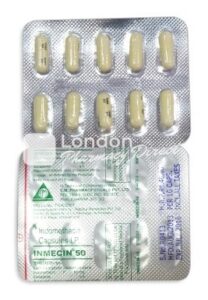
- Forms and routes of administration include oral tablets/capsules (25 mg, 50 mg, sustained‑release 75 mg), rectal suppositories (100 mg), topical gels/creams (eg 4% gel) and intravenous indomethacin sodium for neonatal use.
- Onset of effect: oral indomethacin usually begins to work within about 30–60 minutes (IV onset is within minutes; topical and rectal routes may vary).
- Duration of action: immediate‑release preparations typically provide relief for around 4–8 hours; sustained‑release formulations and suppositories have longer effects depending on formulation.
- Alcohol warning: avoid alcohol while taking indomethacin because concurrent use increases the risk of gastrointestinal bleeding, stomach irritation and may worsen dizziness.
- The most common side effects are dyspepsia (indigestion), nausea, diarrhoea, headache and dizziness; more serious but less common risks include gastrointestinal ulceration/bleeding, renal impairment, elevated blood pressure and hypersensitivity reactions.
- Would you like to try indomethacin without a prescription?
Basic Indomethacin Information
- INN (International Nonproprietary Name): Indometacin (also known as Indomethacin in USAN).
- Brand Names Available In United Kingdom: Indocid; indometacin generics.
- ATC Code: M01AB01; M02AA23; S01BC01; C01EB03.
- Forms & Dosages: Oral 25mg and 50mg capsules/tablets; rectal 100mg suppositories; topical 4% gel/creams in some markets; IV indomethacin sodium (neonatal use) and sustained‑release 75mg in select countries.
- Manufacturers In United Kingdom: Not specified.
- Registration Status In United Kingdom: Authorised and prescription‑only; listed with national regulators including the MHRA.
- OTC / Rx Classification: Prescription Only (Rx) in all markets.
Important Safety Notes Before You Start.
Read the patient information leaflet and follow directions from your prescriber or pharmacist.
Indometacin is a prescription‑only medicine in the UK and should be used at the lowest effective dose for the shortest possible time.
Keep follow‑up arranged with your GP or rheumatology clinic while taking indometacin.
- Quick Safety Checklist Before Starting: history of peptic ulcer or gastrointestinal bleeding; severe heart, liver or kidney disease; NSAID‑induced asthma; pregnancy (especially third trimester) — avoid indometacin.
- If you notice black stools, severe abdominal pain, sudden breathlessness, chest pain or a severe rash, stop the medicine and seek urgent medical care.
| Storage | Pharmacy Options |
|---|---|
| Store tablets and capsules below 25°C in their original packaging. | Boots, LloydsPharmacy, Superdrug and NHS‑approved online pharmacies stock Indocid and generics. |
| Keep suppositories in the original pack and store in a cool, dry place. | Ask your pharmacist about branded versus generic supply and repeat dispensing for chronic use. |
Everyday Use & Best Practices
Worried about when and how to take indometacin so it helps without upsetting your stomach?
Morning Vs Evening Dosing
Take indometacin at consistent times each day to maintain steady symptom control.
Typical tablets and capsules come as 25mg and 50mg strengths, so many patients follow a schedule such as:
- 25mg two to three times daily for osteoarthritis or rheumatoid arthritis.
- 50mg three times daily at the start of an acute gout attack, then reduce as symptoms improve.
- For long‑term arthritis, discuss once‑ or twice‑daily timing with your GP to help avoid missed doses.
Taking With Or Without Meals (UK Diet Habits)
Taking indometacin with food reduces the chance of indigestion and nausea.
Try taking the tablet with toast, a small yoghurt or a milky drink rather than on an empty stomach if you have reflux or prior ulcers.
If you rely on strong tea or coffee first thing, swallow the tablet with a glass of water to reduce stomach upset.
Keep alcohol intake low while taking indometacin because it increases the risk of gastrointestinal bleeding.
- Dosing Schedule Checklist: aim for morning, lunchtime and evening doses if on a three‑times‑daily regimen, or set two times for a twice‑daily plan agreed with your GP.
- When To Phone Your GP: new severe stomach pain, black stools, fainting, shortness of breath, marked swelling of the ankles or sudden unexplained weight gain.
Safety Priorities
Who should avoid indometacin and what activities should be limited while you’re taking it?
Who Should Avoid It (MHRA Warnings)
Do not use indometacin if you have a known hypersensitivity to indometacin or other NSAIDs.
Avoid indometacin in active peptic ulcer or gastrointestinal bleeding, severe hepatic, renal or cardiac failure, NSAID‑induced asthma and during the third trimester of pregnancy.
Use caution and GP review for people with controlled hypertension, heart failure, on anticoagulants, older age or with mild‑to‑moderate renal or liver impairment.
Activities To Limit (Driving, Work Safety)
Common side effects can include dizziness, drowsiness and impaired concentration.
If you feel dizzy or drowsy after taking indometacin, avoid driving, operating machinery or working at height until you know how it affects you.
If you perform safety‑critical work, consult your employer or occupational health for guidance and document the advice.
- Contraindication Checklist: hypersensitivity to NSAIDs; active GI ulcer/bleeding; severe renal, hepatic or cardiac failure; NSAID‑induced asthma; third trimester of pregnancy.
| Mild Side Effects | Serious Side Effects (Seek Urgent Care) |
|---|---|
| dyspepsia, nausea, headache, dizziness, tinnitus | black stools, severe abdominal pain, breathlessness, chest pain, sudden severe rash, swelling of legs |
| mild CNS effects, diarrhoea | GI ulceration or bleeding, marked rise in blood pressure, significant fluid retention |
Dosage & Adjustments
Curious what dose your GP might start with and how doses are altered for older adults or people with other illnesses?
General Regimen (NHS Guidance)
Standard regimens for inflammatory joint conditions are often 25mg two to three times daily, with a typical maximum around 200mg/day depending on specialist advice.
For an acute gout attack, initial dosing commonly starts at 50mg three times daily, then tapered as symptoms improve.
Neonatal patent ductus arteriosus is managed using IV indomethacin sodium under neonatal specialist protocols (dosing to specialist charts).
Special Cases (Elderly, Comorbidities)
Elderly patients usually start at lower doses, for example 25mg twice daily, and require frequent review for gastrointestinal, renal and cardiovascular effects.
In mild‑to‑moderate renal or hepatic impairment dose reduction or alternative therapy is commonly recommended; in severe impairment indometacin is usually contraindicated.
If you take anticoagulants, low‑dose aspirin, SSRIs or diuretics, tell your GP and pharmacist because monitoring and dose planning may change.
- Monitoring Checklist: baseline blood pressure and kidney function (eGFR), regular review for GI symptoms, and more frequent checks if on interacting drugs.
| Condition | Typical Starting Dose |
|---|---|
| Osteoarthritis / Rheumatoid Arthritis | 25mg two to three times daily |
| Acute Gout | 50mg three times daily, then taper |
| Ankylosing Spondylitis | 25–50mg two to three times daily |
User Testimonials
What do real UK patients say about indometacin and what common problems do they face?
Positive Reports From UK Patients
Many patients report rapid relief of inflammatory joint pain and improved morning stiffness when indometacin works well for their condition.
Suppositories are often praised by patients who experience nausea or vomiting and cannot tolerate oral tablets.
Some people with gout note faster symptom control with indometacin compared with alternatives.
Common Challenges (Patient.info, NHS Forums)
Common complaints online include gastrointestinal upset such as heartburn and indigestion, dizziness and sleep disturbance.
Some patients stop treatment because of stomach pain or anxiety about long‑term risks, and others find frequent monitoring (blood pressure, kidney tests) inconvenient.
- Practical Tips From Users: take indometacin with food, carry a medicines card noting NSAID allergy risk, ask about proton‑pump inhibitor cover if long‑term therapy is planned, and view monitoring results via the NHS portal.
“Helped my morning stiffness within two days — had to take with toast to avoid nausea.”
“Suppositories saved me during a bad gout episode when I couldn’t keep tablets down.”
Buying Guide
Where can you get indometacin in the UK and how much will it cost you?
Pharmacy Sources (Boots, LloydsPharmacy, Superdrug)
Indometacin (Indocid and generics) is prescription‑only and is supplied following a GP prescription or from specialist clinics.
Community pharmacies such as Boots, LloydsPharmacy and Superdrug dispense NHS prescriptions, and many NHS‑approved online pharmacy services can supply repeat medication.
Some pharmacies offer repeat dispensing for chronic use, and pharmacists can advise on formulation choice.
Price Comparison (NHS Prescription Charge Vs Private)
In England prescriptions are charged under the standard NHS prescription charge, while Scotland, Wales and Northern Ireland provide free NHS prescriptions for most patients — check local entitlement.
Private prescriptions and private online pharmacy consultations will add fees, with generic options generally the least expensive.
Ask your pharmacist about branded Indocid versus generic indometacin and whether a topical product might suit focal pain.
| NHS Supply | Private Supply |
|---|---|
| Supplied against GP or hospital prescription; standard NHS prescription charge applies in England. | Private prescription or online pharmacy — item cost plus consultation fees; generics usually cheaper. |
- Questions To Ask Your Pharmacist: is this the branded Indocid or a generic; are suppositories available; is a topical NSAID suitable; do you recommend gastroprotection for long‑term use?
In our online pharmacy, indomethacin is available without a prescription, with discreet delivery to United Kingdom in 5-14 days.
What’s Inside & How It Works
Want a simple explanation of the ingredients and how indometacin reduces pain?
Ingredients Overview
The active ingredient is indometacin (INN) and formulations vary by manufacturer; check the leaflet for excipients if you have allergies.
Common forms available include 25mg and 50mg tablets or capsules, 100mg suppositories and topical 4% gel in some markets.
Mechanism Basics Explained Simply
Indometacin belongs to the NSAID family, specifically the indoleacetic acid subclass, and its ATC classification includes M01AB01 for systemic use.
It reduces inflammation and pain by inhibiting cyclooxygenase enzymes and lowering prostaglandin production at sites of injury.
Because prostaglandins protect the stomach lining and support kidney blood flow, inhibiting them can cause GI irritation and affect renal function.
| Form | Implication |
|---|---|
| Oral tablets/capsules (25mg/50mg) | Systemic pain control; greater GI and renal monitoring needed for long‑term use. |
| Suppositories (100mg) | Useful when oral route not tolerated; similar systemic effects. |
| Topical gel (4%) | Lower systemic exposure; useful for localised joint pain. |
- Mechanism Vs Side‑Effect Implications: prostaglandin inhibition reduces pain but can increase GI bleeding risk and reduce renal blood flow.
Main Indications
What conditions is indometacin used for in UK practice, and what about off‑label uses?
Approved Uses (MHRA Listing)
Indometacin is commonly used for inflammatory conditions such as osteoarthritis, rheumatoid arthritis and ankylosing spondylitis.
It is also indicated for acute gout attacks, and neonatal IV indomethacin sodium is used under specialist care for patent ductus arteriosus.
Off‑Label Uses In UK Clinics
Some clinicians may use indometacin off‑label for specific headaches such as cluster headache or migraine when other treatments have failed, but this requires specialist review.
- Osteoarthritis / Rheumatoid Arthritis — 25mg two to three times daily.
- Acute Gout — 50mg three times daily initially, then taper as symptoms improve.
- Ankylosing Spondylitis — 25–50mg two to three times daily.
- Neonatal Patent Ductus Arteriosus — IV dosing under neonatal protocol only.
| Condition | Usual Starting Dose |
|---|---|
| Gout (Acute) | 50mg three times daily, then reduce |
| Arthritis | 25mg two to three times daily |
Interaction Warnings
Which foods and medicines interact with indometacin and how should you prepare for them?
Food Interactions (Alcohol, Tea/Coffee)
Alcohol should be minimised while taking indometacin because it increases the risk of gastrointestinal bleeding.
There are no major interactions with tea or coffee, though strong stimulants can mask dizziness; always swallow tablets with water or food to reduce stomach upset.
Drug Conflicts (MHRA Yellow Card Reports)
Indometacin can interact with anticoagulants (warfarin/DOACs), raising bleeding risk, and with SSRIs which also increase GI bleed risk.
Combining indometacin with other NSAIDs or aspirin increases toxicity, and it can reduce the effectiveness of ACE inhibitors/ARBs and diuretics by affecting renal blood flow.
Indometacin may raise blood levels of methotrexate or lithium, so declare all medicines, including OTC and herbal products, to your pharmacist.
- Medicines To Declare At Pharmacy: anticoagulants, antihypertensives (ACEi/ARBs), diuretics, SSRIs, methotrexate, lithium, low‑dose aspirin and any other NSAIDs.
| High‑Risk Pair | Potential Issue |
|---|---|
| Indometacin + Warfarin/DOAC | Increased bleeding risk |
| Indometacin + ACE Inhibitor/Diuretic | Reduced renal function / loss of BP control |
| Indometacin + SSRIs | Raised risk of GI bleeding |
If you suspect a serious adverse reaction, report it via the MHRA Yellow Card scheme; your pharmacist can advise how to report.
Latest Evidence & Insights
What do recent UK and EU studies say about indometacin and what should patients take from the evidence?
Key UK & EU Studies 2022–2025
Recent analyses confirm indometacin’s effectiveness for acute gout and some spinal inflammatory conditions but continue to highlight elevated gastrointestinal and cardiovascular risks compared with some alternatives.
Comparative trials and meta‑analyses from 2022–2025 emphasise cautious use in older adults and recommend gastroprotection when therapy is prolonged.
Neonatal IV use remains tightly protocol‑driven for patent ductus arteriosus and requires specialist neonatal monitoring.
Practical Takeaways For Patients
Expect clinicians to discuss individual risk stratification and whether alternatives such as ibuprofen, naproxen or topical NSAIDs might be safer for you.
If long‑term therapy is planned, ask about a proton‑pump inhibitor for GI protection and regular checks of kidney function and blood pressure.
- Trial Conclusions: effective for gout and inflammatory spine conditions; higher GI/CV risk profile means careful selection and monitoring is required.
| Monitoring | Recommended Interval |
|---|---|
| BP and renal function | Baseline then periodic checks (discuss frequency with GP) |
Alternative Choices
Worried about indometacin risks? Here are common NHS alternatives and how they compare.
NHS Prescribing Alternatives
Common alternatives include ibuprofen, naproxen and diclofenac, topical NSAIDs such as diclofenac gel, and where appropriate COX‑2 selective agents like celecoxib with cardiovascular cautions.
Paracetamol and non‑drug measures such as physiotherapy, weight management and hot/cold therapy are often recommended first for osteoarthritis.
Pros/Cons Checklist
- Ibuprofen — good anti‑inflammatory effect and often tolerated, but still carries GI and cardiac risks.
- Naproxen — longer duration of action; may be preferred for some inflammatory conditions, but similar safety concerns.
- Topical NSAIDs — lower systemic exposure and useful for localised joint pain, but limited to surface joints.
- Celecoxib — lower GI damage risk but requires caution if cardiovascular disease is present.
| Systemic NSAID | Pros | Cons |
|---|---|---|
| Ibuprofen/Naproxen | Effective, familiar to prescribers | GI and CV risk; not suitable for everyone |
| Topical NSAID | Lower systemic exposure | Less useful for deep or widespread pain |
Your GP will consider age, GI history, heart and kidney status and concurrent medicines when choosing an alternative.
Regulation Snapshot
How is indometacin regulated in the UK and what should you bring to clinic?
MHRA Approval & Status
Indometacin (Indocid and generics) is authorised and prescription‑only and is listed under ATC M01AB01 for systemic use.
Neonatal IV formulations are specialist products used in secondary care for PDA closure.
NHS Prescribing Framework
GPs prescribe indometacin under standard prescription rules and repeat prescriptions require review.
England applies prescription charges (unless exempt), while Scotland, Wales and Northern Ireland usually provide free NHS prescriptions — check local rules.
Local formularies may restrict use to specific indications or require gastroprotection for long‑term therapy.
| Regulatory Point | What To Bring To Clinic |
|---|---|
| Prescription‑only status (MHRA) | Current medicines list, known allergies, previous GI or cardiac history |
FAQ Section
Answers to the common questions people ask about indometacin.
Can I Take Indometacin With My Blood Pressure Medicine?
Often yes, but with caution.
Indometacin can blunt the effect of ACE inhibitors, ARBs and diuretics and there is a risk of reduced kidney function, so your GP will monitor BP and renal function.
What If I Miss A Dose Or Overdose?
If You Miss A Dose: take it as soon as you remember unless the next dose is due soon — do not double up.
If You Suspect An Overdose: symptoms may include severe nausea, vomiting, drowsiness, confusion, breathlessness or severe abdominal pain; go to the emergency department and bring the medicine packaging.
Can I Use Topical Indometacin For Local Pain?
Topical indometacin gel is available in some markets and reduces systemic exposure; ask your pharmacist if a topical NSAID is suitable for your pain.
- Emergency Signs Checklist: severe abdominal pain, black or tarry stools, sudden shortness of breath, chest pain, sudden severe rash — seek urgent care.
- Do / Don’t: Do report serious side effects via MHRA Yellow Card. Don’t continue the medicine if you develop severe allergic symptoms.
Guidelines For Proper Use
What to expect from a UK pharmacist counselling session and the NHS follow‑up you should get.
UK Pharmacist Counselling Style
Pharmacists will confirm the indication, current medicines including OTC and herbal products, allergies, pregnancy status and prior NSAID tolerance.
You should receive advice on taking indometacin with food, signs of GI bleed to watch for and whether a PPI or other gastroprotection is appropriate for long‑term use.
Ask for written advice and a medicines card to carry with you.
NHS Patient Support Advice
GPs should review long‑term users periodically for blood pressure, renal function and symptom control.
If side effects or risks appear, ask for a medication review, a referral to physiotherapy or rheumatology, and consider joining a local patient support group.
Use NHS apps and portals to view test results and request repeat prescriptions.
- Starting Indometacin Checklist: confirm indication; baseline BP and eGFR; discuss GI protection; set monitoring intervals; receive written safety signs and urgent contact details.
| Monitoring | Suggested Schedule |
|---|---|
| Blood Pressure | Baseline, then periodically as advised by GP |
| Renal Function (eGFR) | Baseline, then repeated for long‑term therapy or if at risk |
Delivery Across United Kingdom
| City | Region | Delivery Time |
|---|---|---|
| London | Greater London | 5-7 days |
| Birmingham | West Midlands | 5-7 days |
| Manchester | Greater Manchester | 5-7 days |
| Glasgow | Scotland | 5-7 days |
| Leeds | West Yorkshire | 5-7 days |
| Liverpool | Merseyside | 5-7 days |
| Edinburgh | Scotland | 5-7 days |
| Bristol | South West England | 5-9 days |
| Newcastle Upon Tyne | North East England | 5-9 days |
| Sheffield | South Yorkshire | 5-9 days |
| Cardiff | Wales | 5-9 days |
| Belfast | Northern Ireland | 5-9 days |
| Leicester | East Midlands | 5-9 days |
| Coventry | West Midlands | 5-9 days |