Propranolol
In brief
- Propranolol is a prescription-only medicine in most countries, but in some pharmacies it may be obtainable without a prescription depending on local regulations. It is widely available in the UK, Europe, North America and many other regions under brand names such as Inderal and others.
- Propranolol is used for hypertension, angina, cardiac arrhythmias, migraine prevention, essential tremor, anxiety symptoms, hyperthyroidism and infantile hemangioma. It is a non-selective beta-blocker, meaning it blocks beta-1 and beta-2 adrenergic receptors and reduces heart rate, blood pressure and the body’s response to adrenaline.
- The usual dose of propranolol varies by condition: for hypertension, 40 mg 2–3 times daily; for angina, 40–80 mg 2–3 times daily; for arrhythmias, 10–30 mg 3–4 times daily initially; for migraine prevention, 80–160 mg daily in divided doses; for essential tremor, 40 mg twice daily, titrated up if needed; and for anxiety, 10–40 mg up to 3 times daily.
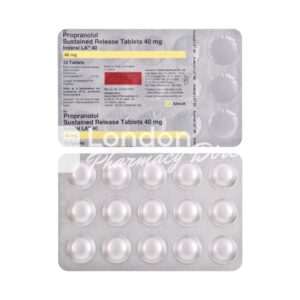
- Propranolol is available as film-coated tablets, prolonged-release capsules, oral solution/syrup, and injectable form. Common strengths include 10 mg, 20 mg, 40 mg, 80 mg, 160 mg for tablets, and 60 mg, 80 mg, 120 mg, 160 mg for prolonged-release capsules.
- Propranolol usually starts working within about 30 to 60 minutes after an oral dose, although the exact onset may vary depending on the formulation and the condition being treated.
- The duration of action is typically around 4 to 6 hours for immediate-release tablets, while prolonged-release formulations may last for 12 to 24 hours.
- Alcohol is not recommended with propranolol, as it may increase dizziness, drowsiness and the risk of low blood pressure.
- The most common side effects are dizziness, tiredness, sleep disturbance, slow heart rate, cold hands or feet, nausea and occasional low blood pressure.
- Would you like to try propranolol without a prescription?
Basic Propranolol Information
- INN (International Nonproprietary Name): Propranolol.
- Brand names available in United Kingdom: Inderal; Bedranol.
- ATC Code: C07AA05.
- Forms & dosages: Film-coated tablets 10 mg, 20 mg, 40 mg, 80 mg, 160 mg; prolonged-release capsules 60 mg, 80 mg, 120 mg, 160 mg; oral solution/syrup 5 mg/mL, 10 mg/mL; injectable 1 mg/mL (hospital use).
- Manufacturers in United Kingdom: AstraZeneca, Pfizer, Teva, Pierre Fabre, ANI, Alpic Biotech, Usawa, AHPL, Akrimax, Century, among others.
- Registration status in United Kingdom: Prescription only medicine in standard UK prescribing pathways.
- OTC / Rx classification: Rx.
Everyday Use And Best Practices
How is propranolol usually fitted into a normal day without it becoming a nuisance?
For immediate-release tablets, propranolol is usually taken in divided doses, while prolonged-release capsules may be taken once daily, depending on the prescription label.
That makes timing easier around work, school runs, and meals, but the key point is simple: follow the exact directions on the pack and do not swap brands or strengths without UK pharmacist advice.
Consistency matters more than a perfect clock time, so the propranolol daily use routine should be realistic and easy to repeat.
- Do take it at the same times each day if your prescription asks for regular dosing.
- Do fit it around breakfast before the commute, or with tea and a light meal if it upsets the stomach.
- Do check the label before each refill, especially if the tablet shape or strength looks different.
- Don’t change from tablets to capsules, or from one brand to another, unless a pharmacist says it is appropriate.
- Don’t double up a dose if you have taken it late; just follow the prescription advice.
Safety Priorities
Who should be cautious before starting a beta blocker routine like this?
The main propranolol warnings are clear from the start: asthma, severe COPD, bradycardia, heart block, uncompensated heart failure, pheochromocytoma without alpha-blocker cover, and allergy to propranolol or excipients are major reasons to avoid it.
MHRA-style caution is also sensible in diabetes, peripheral vascular disease, anaphylaxis history, and liver problems, because propranolol can mask low blood sugar symptoms and is extensively metabolised by the liver.
Dizziness, tiredness, and a slower pulse can also affect everyday activities, so driving on beta blockers, using ladders, operating machinery, and night shifts may need extra care.
If faintness, wheeze, or a very slow pulse appears, speak to the prescriber or pharmacist straight away.
- Red flags: asthma, severe COPD, severe bradycardia, heart block, uncompensated heart failure, pheochromocytoma without alpha-blocker cover, allergy to propranolol.
- Caution groups: diabetes, peripheral vascular disease, history of anaphylaxis, liver problems, mild to moderate chronic bronchitis or emphysema.
| Situation | Usual Advice |
|---|---|
| Driving or shift work | Use caution if dizzy, sleepy, or light-headed. |
| Ladders or machinery | Avoid if balance or alertness is affected. |
| Feeling faint | Check with a prescriber or pharmacist. |
Dosage And Adjustments
What dose is actually used for the condition being treated?
In the UK, propranolol dosage is prescription-only, and the NHS prescriber sets the dose according to the indication and the patient’s response.
Common NHS propranolol dose ranges include hypertension at 40 mg two to three times daily, migraine prophylaxis at 80 to 160 mg daily in divided doses, anxiety at 10 to 40 mg up to three times daily, and essential tremor at 40 mg twice daily.
Higher totals may be used in some conditions, but titration is gradual and should be reviewed rather than guessed.
| Indication | Adult Dose Range |
|---|---|
| Hypertension | 40 mg 2–3 times daily; up to 320 mg/day |
| Angina pectoris | 40–80 mg 2–3 times daily |
| Cardiac arrhythmias | 10–30 mg 3–4 times daily initially |
| Migraine prophylaxis | 80–160 mg/day in divided doses |
| Essential tremor | 40 mg twice daily, titrated up to 320 mg/day |
| Hyperthyroidism | 10–40 mg 3–4 times daily |
| Anxiety | 10–40 mg up to 3 times daily |
| Infantile haemangioma | 1–3 mg/kg/day in 2–3 divided doses |
For propranolol adjustment in elderly patients, lower starting doses are usually advised and monitoring is closer.
In children, dosing is weight-based, especially for infantile haemangioma, and specialist monitoring is important.
Renal dose adjustment is usually not needed, but the lowest effective dose should still be used.
With hepatic impairment, dose reduction and closer monitoring are important because propranolol is extensively metabolised in the liver.
User Experiences And Practical Expectations
What do people usually notice day to day when propranolol starts working?
Common propranolol patient experience reports in UK clinics include fewer palpitations, steadier hands, and less of the physical rush that can come before a presentation or a stressful meeting.
Some people with migraine also notice fewer attacks over time, rather than an instant effect after the first dose.
For anxiety symptoms, the benefit is often described as fewer shaking hands, a calmer heartbeat, and less visible nervousness in situations such as interviews or public speaking.
Common propranolol side effects UK patients mention include fatigue, vivid dreams, cold hands, and the inconvenience of remembering multiple daily doses.
Those effects often ease after a dose change or when a prolonged-release formulation is used, so treatment review matters if the routine is becoming difficult.
- Typical positives: reduced palpitations, steadier hands, fewer panic symptoms before presentations, migraine prevention over time.
- Typical challenges: tiredness, vivid dreams, cold hands, and remembering several doses a day.
Buying Guide In The United Kingdom
Where does propranolol usually come from in the UK?
Most people receive it through an NHS prescription from a community pharmacy, including chains such as Boots, LloydsPharmacy, and Superdrug Pharmacy, as well as independent pharmacies.
Online pharmacy UK services can also supply it, but only if they are UK-registered and carry out proper prescription checks.
In our online pharmacy, propranolol is available without a prescription, with discreet delivery to United Kingdom in 5-14 days.
Costs depend on how it is supplied.
Prescription charges apply in England unless the patient is exempt, while prescriptions are free in Scotland, Wales, and Northern Ireland.
Private prescriptions vary by pharmacy and by brand, so a price comparison is worth doing if the medicine is being funded privately.
| Supply Route | Typical UK Access | Cost Notes |
|---|---|---|
| NHS prescription | Community pharmacy | Charge in England unless exempt; free in Scotland, Wales, and Northern Ireland |
| Private prescription | Community or online pharmacy | Varies by pharmacy and brand |
| Online pharmacy | UK-registered service | Prescription checks should be in place |
What’s Inside And How It Works
What is propranolol, really, and why does it help with shaky hands or palpitations?
Propranolol is the INN, and UK patients may recognise the brand Bedranol, while Inderal is widely known internationally.
It is available as immediate-release tablets, prolonged-release capsules, oral solution, and hospital injection.
In simple terms, propranolol mechanism means it blocks beta receptors all over the body, so the heart beats more slowly and adrenaline has less effect.
That is why beta blocker explained in plain English usually means less pounding heartbeat, less shaking, and fewer stress-related physical symptoms.
| Form | Common Use | Brand Example |
|---|---|---|
| Immediate-release tablets | Divided daily dosing | Inderal, Anaprilin |
| Prolonged-release capsules | Once-daily dosing | Inderal LA, Avlocardyl |
| Oral solution | Liquid dosing | Country-dependent |
| Injectable | Hospital use | Propranolol HCl |
Main Indications
What is propranolol prescribed for in real UK practice?
Approved propranolol uses include hypertension, angina, arrhythmias, migraine prevention, essential tremor, hyperthyroidism, anxiety symptoms, and infantile haemangioma.
That mix is unusual because propranolol is used across heart, nerve, and hormone-related problems.
In UK clinics, propranolol for anxiety UK is often discussed for physical symptoms, while propranolol for tremor and migraine prophylaxis propranolol are also common reasons for prescribing.
Some specialist or off-label use can depend on local practice and the prescriber’s judgement, particularly for situational anxiety.
That is why a GP or specialist may choose it when the physical symptoms are prominent and review is needed if the response is not what was expected.
| Common Use | Specialist / Off-Label Use |
|---|---|
| Hypertension | Situational anxiety |
| Angina | Local practice-dependent anxiety treatment |
| Arrhythmias | Reviewed specialist use for symptom control |
| Migraine prevention | Some prescriber-specific uses |
| Essential tremor | |
| Hyperthyroidism | |
| Infantile haemangioma |
Interaction Warnings
Can food or drink cause trouble with propranolol?
There are no major food bans, but alcohol can worsen dizziness and low blood pressure, so it is sensible to keep alcohol modest or avoid it if the medicine makes you light-headed.
Caffeine, tea, and coffee do not have a formal ban, but they can make symptom tracking harder when propranolol is being used for anxiety or palpitations.
The bigger concern is drug conflicts, especially other heart medicines, drugs that slow the pulse, diabetes treatments, asthma inhalers, and medicines used for allergy emergencies.
Any new prescription, over-the-counter product, or herbal remedy should be checked with a pharmacist.
| Medicine Group | Risk | What To Do |
|---|---|---|
| Other heart medicines | Pulse may slow too much | Check before use |
| Diabetes treatments | Low sugar symptoms may be masked | Monitor carefully |
| Asthma inhalers | Breathing may worsen | Seek advice first |
| Allergy emergency medicines | Response may be altered | Tell the prescriber about anaphylaxis history |
| Alcohol | Dizziness may increase | Avoid or limit |
Latest Evidence And Insights
What does recent propranolol evidence say?
UK and EU studies discussed between 2022 and 2025 have continued to support propranolol for migraine prevention, tremor control, and symptom relief in anxiety-like situations.
The evidence base is strongest for long-established uses, while practice can vary by indication and by local prescribing habits.
That means propranolol research UK updates rarely change the basic message overnight, but they do reinforce careful review if the treatment is not helping enough.
If one dose is not working properly, clinicians may adjust the timing, dose, or formulation rather than stopping abruptly.
| What We Know | What It Means |
|---|---|
| Long-standing evidence supports several uses | It remains a trusted option for many patients |
| Practice varies by indication | Review is important if symptoms persist |
| Formulation can matter | Switching release type may help adherence |
Alternative Choices
What if propranolol is not the best fit?
NHS beta blocker options may include atenolol, metoprolol, bisoprolol, and carvedilol, depending on the reason for treatment and the patient’s other conditions.
Propranolol is non-selective, which is sometimes useful for migraine, tremor, or haemangioma, but it can be less suitable when asthma is present.
Atenolol vs propranolol, metoprolol vs propranolol, and the other comparisons often come down to convenience, beta-1 selectivity, asthma suitability, and central nervous system side effects.
- Once-daily convenience: sometimes better with prolonged-release or a different beta blocker.
- Beta-1 selectivity: may suit some patients better when lung problems are a concern.
- Asthma suitability: propranolol is usually avoided.
- CNS side effects: some people prefer a switch if vivid dreams or tiredness are troublesome.
| Medicine | Main Point |
|---|---|
| Atenolol | Beta-1 selective |
| Metoprolol | Beta-1 selective |
| Bisoprolol | Beta-1 selective |
| Carvedilol | Non-selective with alpha blockade |
| Propranolol | Non-selective; useful for migraine, tremor, haemangioma |
Regulation Snapshot
How is propranolol controlled in the UK?
Propranolol is a prescription only medicine in the UK and is used within standard NHS prescribing pathways.
It is also globally approved, and UK packs may differ by brand and strength.
Patients should use the exact medicine supplied, check the label, and ask the pharmacist if the tablet looks different after a generic switch.
| UK Point | What It Means |
|---|---|
| Prescription only | Supplied under prescriber direction |
| Brand differences | Tablets or capsules may look different |
| Pharmacist check | Helpful after a generic switch |
Frequently Asked Questions
Can I drink alcohol with propranolol?
Alcohol can make dizziness and low blood pressure worse, so it is best to limit it and see how the medicine affects you first.
What if I miss a dose?
Take it as soon as remembered unless it is nearly time for the next dose, and do not double up.
Can I take it if I have asthma?
Propranolol is usually avoided in asthma because it can cause bronchospasm and worsen breathing.
Will it affect my driving?
If it makes you faint, sleepy, or dizzy, do not drive until you feel steady and have checked with a pharmacist or prescriber.
Guidelines For Proper Use
What does good propranolol counselling sound like in a UK pharmacy?
Do not stop suddenly, because regular use should be changed only with prescriber advice.
Take doses consistently, store the medicine below 25°C, and keep it in the original packaging to protect it from light and moisture.
Report side effects such as wheeze, fainting, or a very slow pulse promptly.
Good self-monitoring can include pulse checks, blood pressure if advised, and symptom tracking for migraine or anxiety treatment.
- Daily use: take it exactly as prescribed and keep timing consistent.
- Storage: below 25°C, in the original pack, away from moisture.
- Safety escalation: contact the GP, community pharmacist, NHS 111, or urgent care depending on how severe the symptoms are.
- Monitor: pulse, blood pressure if advised, and symptom changes over time.
Delivery Across United Kingdom
| City | Region | Delivery time |
|---|---|---|
| London | England | 5-7 days |
| Birmingham | England | 5-7 days |
| Manchester | England | 5-7 days |
| Leeds | England | 5-7 days |
| Glasgow | Scotland | 5-7 days |
| Edinburgh | Scotland | 5-7 days |
| Liverpool | England | 5-7 days |
| Bristol | England | 5-7 days |
| Cardiff | Wales | 5-7 days |
| Belfast | Northern Ireland | 5-7 days |
| Sheffield | England | 5-9 days |
| Newcastle upon Tyne | England | 5-9 days |
| Nottingham | England | 5-9 days |
| Leicester | England | 5-9 days |