Risperidone
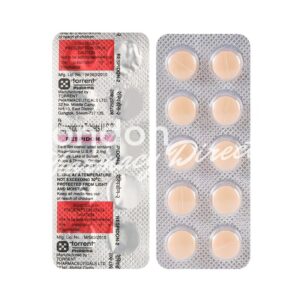
In brief
- In our pharmacy, you can buy risperidone without a prescription, with delivery in 9–21 days throughout the United Kingdom. Discreet and anonymous packaging.
- Risperidone is used to treat schizophrenia, manic episodes of bipolar disorder and persistent aggression in selected patients; it is an atypical antipsychotic that antagonises dopamine D2 and serotonin 5‑HT2A receptors.
- The usual dose for adults is 2–8 mg per day (oral), typically starting at 1–2 mg once daily and titrating according to response and tolerability; doses vary by indication and patient.
- The form of administration is oral tablets, orally disintegrating tablets, oral solution, or as a long‑acting intramuscular depot injection.
- The effect begins within hours for sedative effects, with antipsychotic benefits often starting within days and meaningful clinical improvement usually seen over 1–2 weeks (full effect in 4–6 weeks).
- The duration of action for oral risperidone is about 24 hours (daily dosing); the long‑acting injectable provides therapeutic levels for approximately two weeks per dose.
- Avoid alcohol while taking risperidone as it can increase drowsiness, worsen orthostatic hypotension and amplify other side effects.
- The most common side effect is drowsiness (sedation).
- Would you like to try risperidone without a prescription?
Basic risperidone information
- INN (international nonproprietary name): Risperidone
- Brand names available in the United Kingdom: Risperdal, Risperdal Consta (long-acting injection); generic risperidone
- ATC code: N05AX08
- Forms and dosages: tablets 0.5 mg, 1 mg, 2 mg, 3 mg, 4 mg, 6 mg; orodispersible tablets; oral solution 1 mg/ml; long-acting depot injection 25 mg, 37.5 mg, 50 mg
- Manufacturers in the United Kingdom: Janssen-Cilag (Risperdal) and several generic manufacturers
- Registration status in the United Kingdom: Licensed by the MHRA; prescription-only medicine
- OTC / Rx classification: Prescription-only medicine (POM)
Everyday use and best practices
Which dose should I take in the morning or evening is a common worry for people starting risperidone.
Risperidone is prescription-only and is supplied as tablets, an oral solution and long-acting depot injections according to local NHS arrangements.
Most oral regimens are prescribed once daily but some people take twice-daily dosing depending on clinical response and tolerability.
If risperidone makes you sleepy, taking the main dose in the evening often helps reduce daytime drowsiness.
If the drug causes restlessness or insomnia, a morning dose may be preferable so daytime stimulation is not affected.
Depot injections such as Risperdal Consta are arranged through your mental health team and must be attended on schedule.
Missed depot windows increase relapse risk and require prompt contact with your clinic for advice or bridging medication.
- Daily checklist: set phone reminders, use a pillbox, keep a simple diary, and carry a medication card.
| Form | Practical notes |
|---|---|
| Tablet | Take with or without food; usually once or twice daily depending on your prescription. |
| Oral solution | Measure carefully using the supplied device; can be taken with meals or on an empty stomach. |
| Depot injection | Administered by clinic staff; improves adherence and reduces need for daily tablets. |
- Missed dose checklist: take oral dose when remembered unless next dose is due soon; do not double up.
- Missed depot: contact clinic immediately for instructions and possible oral bridging therapy.
Safety priorities
Who should avoid risperidone is an important safety question that patients often ask.
The MHRA warns against using antipsychotics for behavioural problems in older adults with dementia due to increased mortality.
Avoid risperidone if you have had an allergic reaction to risperidone or any excipient in the formulation.
Use with caution in pregnancy and breastfeeding and discuss risks and benefits with your prescriber before starting or stopping treatment.
People with severe cardiovascular disease, uncontrolled thyroid disease, or a history of neuroleptic malignant syndrome need specialist review before risperidone is prescribed.
Risperidone can cause drowsiness, dizziness and orthostatic hypotension which increases fall risk in older adults.
Do not drive or operate heavy machinery until you know how risperidone affects you and your concentration.
Avoid alcohol as it increases sedation and the risk of falls while taking risperidone.
If you develop a high temperature, severe muscle stiffness, confusion or a very rapid heartbeat, seek urgent medical attention as these may be signs of serious reactions.
- Who should avoid risperidone: older adults with dementia-related psychosis, known allergy, recent neuroleptic malignant syndrome, severe cardiac instability.
| Red flag to report | Why it matters |
|---|---|
| High temperature and stiff muscles | May indicate neuroleptic malignant syndrome; requires urgent review. |
| Chest pain or palpitations | Could signal cardiac effects or QT prolongation; report promptly. |
| Sudden confusion or severe dizziness | May be related to orthostatic hypotension or sedation risk. |
MHRA advice: antipsychotics should not be used for dementia-related behavioural problems and adverse events should be reported.
Dosage and adjustments
Patients frequently want to know initial doses and how adjustments are made on the NHS.
For schizophrenia the usual NHS starting oral dose of risperidone is commonly 1–2 mg per day with titration to effect, often between 2–6 mg daily.
Dosing for bipolar mania and acute agitation is individualised and managed by clinicians in secondary care.
Long-acting depot injections such as Risperdal Consta are offered to improve adherence and are administered by community mental health nurses.
Some LAIs require an oral trial and an overlap period; follow local NHS trust protocols during initiation and switching.
Start lower and titrate slowly in older adults and people with frailty to reduce side-effect burden and falls risk.
Monitor closely and consider lower doses in renal or hepatic impairment because clearance may be reduced.
Co-prescription with strong CYP2D6 inhibitors such as fluoxetine or paroxetine may raise risperidone levels and warrants dose review.
- When to contact clinician: severe side effects, suspected interactions, missed depot appointments, or poor symptom control.
| Form | Dosing summary |
|---|---|
| Oral | Usually 1–6 mg daily depending on diagnosis and response. |
| Depot | Administered every 2–4 weeks depending on formulation; clinic schedule applies. |
Legal status and availability in the UK
Risperidone is a prescription-only medicine (POM) in the UK.
In our online pharmacy, risperidone is available without a prescription, with discreet delivery to the United Kingdom in 9–21 days.
What’s inside and how it works
Patients often want a simple explanation of the active ingredient and why it causes specific effects.
Active ingredient: risperidone is an atypical antipsychotic available as immediate-release tablets, oral solution and long-acting injectable preparations such as Risperdal Consta.
Excipients differ between manufacturers so ask the pharmacist if you have known allergies such as lactose intolerance.
Mechanism: risperidone works mainly by blocking dopamine D2 and serotonin 5-HT2A receptors in the brain which reduces hallucinations, delusions and severe agitation.
Effects at other receptors help explain side effects such as drowsiness, weight gain or rises in prolactin which can affect sexual function.
| Formulation | Common ingredients |
|---|---|
| Tablet | Risperidone plus formulation excipients; check leaflet for specifics. |
| Oral solution | Risperidone in a measured liquid base; contains flavouring and preservatives as listed. |
| Depot injection | Prolonged-release risperidone in microspheres for intramuscular administration. |
- Receptor effects → side effects: D2 block → reduced psychosis but potential movement disorders; 5-HT2A block → mood stabilisation but metabolic effects can occur.
Main indications
People ask what risperidone is licensed to treat and when clinicians may use it off-label.
MHRA-approved indications include schizophrenia and the treatment of moderate to severe manic episodes in bipolar disorder.
Risperidone is also licensed for short-term treatment of persistent aggression in moderate to severe Alzheimer’s dementia and, under specialist supervision, for persistent aggression in conduct disorder in children and adolescents aged 5 years and over.
Off-label uses may include augmentation in treatment-resistant depression or managing agitation in specific clinical situations, but these choices require informed consent.
| Indication | Typical formulation |
|---|---|
| Schizophrenia | Oral tablets or depot injection |
| Bipolar mania | Oral formulation for acute episodes |
| Persistent aggression in conduct disorder (children aged 5 and over) | Specialist-supervised oral dosing in paediatrics |
- Off-label checklist: discuss evidence, document consent, arrange extra monitoring for metabolic and extrapyramidal effects.
Interaction warnings
Interactions with food and other medicines are a practical concern for many patients on risperidone.
Food interactions are limited; large meals do not dramatically change absorption for tablets or oral solution.
Avoid alcohol as it increases sedation and the risk of falls when combined with risperidone.
Caffeine from tea or coffee may add jitteriness but does not significantly change risperidone levels.
Risperidone is metabolised mainly via CYP2D6 and to a lesser extent CYP3A4, so strong CYP2D6 inhibitors such as fluoxetine and paroxetine can raise risperidone plasma levels.
Combining risperidone with other sedatives, opioids or benzodiazepines increases drowsiness and respiratory risk and should be managed carefully.
Co-prescribing with QT-prolonging drugs such as some antiarrhythmics or certain antibiotics can increase cardiac risk; pharmacist review is advised before starting new medicines.
- High-risk drug pairs: risperidone + fluoxetine/paroxetine; risperidone + other sedatives; risperidone + QT-prolonging agents.
Report any suspected adverse reactions to the MHRA Yellow Card scheme as part of routine vigilance.
Alternative choices
Many patients want to know what other antipsychotics the NHS commonly prescribes and how they compare to risperidone.
Common NHS alternatives include olanzapine, quetiapine, aripiprazole and haloperidol, each with distinct benefits and side-effect profiles.
Olanzapine is often effective but tends to cause greater weight gain and metabolic effects.
Quetiapine can be helpful for sleep and anxiety symptoms but also carries a risk of weight gain.
Aripiprazole usually causes less prolactin rise and less weight gain but can cause restlessness or akathisia in some people.
Haloperidol is effective for psychosis but has a higher risk of extrapyramidal side effects which require monitoring.
- Pros/cons checklist: balance symptom control against tolerability and comorbidities when considering alternatives.
Switching antipsychotics is usually done by clinicians using cross-titration and close monitoring to reduce relapse risk and minimise withdrawal effects.
Regulation snapshot
Understanding regulatory oversight helps patients know what to expect from NHS prescribing and safety monitoring.
Risperidone is MHRA-licensed for specific psychiatric indications and appears on many NHS trust formularies across the United Kingdom.
Prescribing and monitoring often involve shared care between psychiatry and primary care, with community teams arranging depot administration.
Adverse events should be reported through the MHRA Yellow Card scheme to support national pharmacovigilance.
UK guidance emphasises metabolic safety monitoring including baseline and periodic checks for weight, blood pressure, fasting glucose and lipids.
- What to expect from the NHS: baseline tests, regular medication reviews, and community support for depot appointments.
| Care step | Typical lead |
|---|---|
| Initiation and titration | Psychiatry / specialist team |
| Ongoing prescribing and physical monitoring | GP in shared care with secondary services |
| Depot administration | Community mental health nurse |
Frequently asked questions
Patients often want short, practical answers to common worries about weight, missed doses and driving.
Will risperidone make me gain weight? Weight gain is a recognised risk and the extent varies between individuals and compared with other antipsychotics.
Your clinical team should record baseline weight and BMI and offer advice on diet, physical activity and monitoring during treatment.
What if I miss a dose or want to stop? For oral doses, take as soon as you remember unless the next dose is due, and do not double up.
For missed depot injections contact your clinic promptly; they will advise rescheduling and whether temporary oral medication is needed.
Can I drive? Do not drive while experiencing sedation, dizziness or impaired concentration and inform the DVLA if your condition or treatment affects driving fitness.
Pregnancy and breastfeeding: discuss with your psychiatrist and obstetric team before stopping or changing medication as risks must be weighed carefully.
- Printable checklist: missed-dose steps, driving advice, contact details for clinic and pharmacist.
Guidelines for proper use
Pharmacists play a key role in counselling patients starting risperidone and coordinating safe use.
Counselling points should confirm the formulation and dose, explain common side effects and advise on alcohol avoidance and interaction checks.
Pharmacists should check for interactions with antidepressants and antiarrhythmics and review storage instructions for oral forms.
Encourage patients to report adverse events via the Yellow Card scheme and to keep an up-to-date medication card with dose and clinic contact details.
NHS support includes baseline and periodic monitoring of weight, blood pressure, fasting glucose and lipids and regular medication reviews.
- Pharmacist counselling checklist: confirm dose, review side effects, screen for interactions, and explain follow-up monitoring.
Use local NHS leaflets, community mental health nurses and charities for practical tips and peer support when adapting to treatment.
Delivery across the United Kingdom
| City | Region | Delivery Time |
|---|---|---|
| London | England | 9–21 days |
| Birmingham | England | 9–21 days |
| Manchester | England | 9–21 days |
| Glasgow | Scotland | 9–21 days |
| Leeds | England | 9–21 days |
| Sheffield | England | 9–21 days |
| Liverpool | England | 9–21 days |
| Bristol | England | 9–21 days |
| Norwich | England | 9–21 days |
| Plymouth | England | 9–21 days |
| Exeter | England | 9–21 days |
| Sunderland | England | 9–21 days |
| Swansea | Wales | 9–21 days |
| Stoke-on-Trent | England | 9–21 days |