Wellbutrin SR
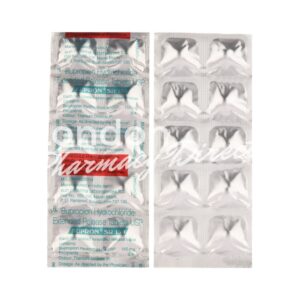
In stock
150mg
from 43,51 £
In brief
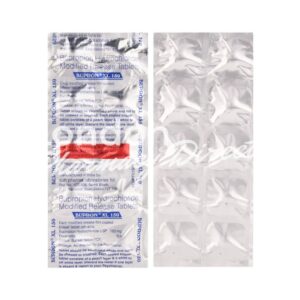
- Wellbutrin SR is a 150 mg tablet of bupropion in sustained-release form, brought in from abroad, acting on dopamine and noradrenaline.
- Strength: 150 mg only. Boxes: 30, 60, 90, 120, 180 or 360.
- In Britain single-ingredient bupropion is licensed as Zyban, to help people stop smoking, and not as a treatment for depression.
Wellbutrin SR and where it fits in the UK
Wellbutrin SR lets bupropion out slowly over the day. Unlike the SSRIs, bupropion is believed to keep dopamine and noradrenaline active for longer in the brain. No UK register entry carries the Wellbutrin name, so the tablet is imported. Within Britain the sole single-ingredient bupropion medicine is Zyban, a 150 mg prolonged-release tablet available only on prescription to support smoking cessation, and a separate medicine combines bupropion with naltrexone for weight management. Anyone who wants treatment for depression should talk to a GP about the licensed UK antidepressants, because depression is not an approved use of bupropion here.
The 150 mg strength and box sizes
The listing offers one strength, 150 mg, the same bupropion strength as Zyban, in boxes of 30, 60, 90, 120, 180 and 360. Since quitting treatment is meant to last just seven to nine weeks, boxes of 180 or 360 hold much more than a course needs, and quantity is normally a prescriber’s decision.
Dosing of Wellbutrin SR, as written for Zyban
Smokers begin the tablets while still smoking and agree a quit date, in the first or second week, with the second preferred. Days one to six: a single 150 mg tablet. From the seventh day it rises to one tablet twice daily, separated by at least eight hours, and the later dose is kept away from bedtime so sleep is not disturbed. A single dose must not exceed 150 mg, nor the day’s total 300 mg. The whole course lasts seven to nine weeks, and if nothing has changed by week seven it is abandoned. Older adults, people with mild to moderate liver impairment and people with renal impairment take one 150 mg tablet daily. Food makes no difference, and under-18s are not covered.
Fits, and who must not take bupropion
Convulsions are the principal hazard with bupropion, and the risk grows with the dose. It should not be taken by anyone with epilepsy or a previous seizure, a tumour of the central nervous system, severe cirrhosis, or sudden withdrawal from alcohol or benzodiazepines. People with bipolar disorder, bulimia or anorexia nervosa, now or in the past, cannot take it, nor can anyone already using another bupropion product. No MAO inhibitor may be taken during treatment; wait 14 days after the last dose of an irreversible one, or 24 hours after a reversible one. Should a seizure occur, treatment ends and is not restarted.
Medicines to talk about first
Because it inhibits CYP2D6, bupropion allows medicines handled by that enzyme to accumulate; some antidepressants and antipsychotics, metoprolol, propafenone and flecainide are examples. Tamoxifen has to be activated by CYP2D6, so the two should not be paired. Alongside medicines that lower the seizure threshold, bupropion needs compelling clinical justification, and a ceiling of 150 mg daily should be considered. Other drugs shift bupropion levels: carbamazepine, phenytoin, ritonavir and efavirenz lower them, whereas clopidogrel and ticlopidine can raise them. Used with an SSRI or SNRI, it may add to the risk of serotonin syndrome. Expect blood pressure checks, more so if a nicotine patch is part of the plan.
Side effects, and who decides
Sleeplessness affects many people taking bupropion, and Wellbutrin SR is no exception. Dry mouth, headache, dizziness, anxiety, tremor, nausea, abdominal pain and rash are also commonly reported. This is not a tablet to start on your own initiative: your doctor or prescriber makes that decision and can also direct you to stop-smoking support.