Abilify
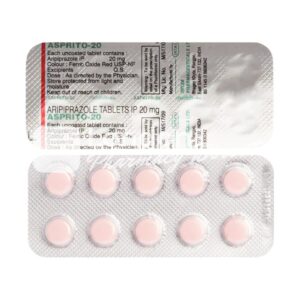
In brief
- In our pharmacy, you can buy abilify without a prescription, with delivery in 5–14 days throughout the United Kingdom. Discreet and anonymous packaging.
- Abilify (aripiprazole) is used for schizophrenia, bipolar I disorder (mania/mixed), as an adjunct in major depressive disorder, and for certain tic disorders and irritability in autism. It acts as a partial agonist at dopamine D2 and 5‑HT1A receptors and as an antagonist at 5‑HT2A receptors, stabilising dopamine and serotonin neurotransmission.
- Usual dosages: for adults with schizophrenia 10–15 mg once daily (range 10–30 mg/day); bipolar mania 15 mg daily; adjunct for depression 2–5 mg daily (titrate to effect); LAI depot doses include 300–400 mg monthly (Maintena) or 720 mg every 2 months (Asimtufii).
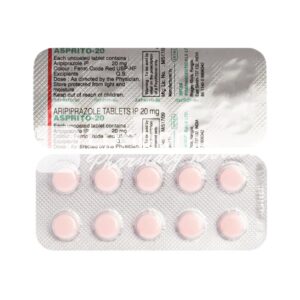
- Forms of administration: oral tablets (2, 5, 10, 15, 20, 30 mg), orally disintegrating tablets (10, 15 mg), oral solution (1 mg/mL), and intramuscular long‑acting injectables (monthly or bimonthly depot formulations).
- Onset time: some symptomatic improvement may be seen within days to 2 weeks, but meaningful clinical response often takes several weeks; full effect can take 4–6 weeks or longer.
- Duration of action: taken once daily for oral forms; aripiprazole has a long elimination half‑life (~75 hours) supporting once‑daily dosing. Depot injections provide sustained coverage for one month (Maintena) or two months (Asimtufii).
- Alcohol warning: avoid or minimise alcohol while taking abilify as it can increase drowsiness, impair coordination and heighten other side effects.
- The most common side effect is akathisia (restlessness); other frequent adverse effects include insomnia, headache, nausea, constipation, dizziness, mild sedation, transient weight gain and tremor.
- Would you like to try “abilify” without a prescription?
Everyday Use & Best Practices
Basic Abilify Information
- INN (International Nonproprietary Name): Aripiprazole
- Brand Names Available In United Kingdom: Abilify; generic aripiprazole formulations (same forms available under generic branding)
- ATC Code: N05AX12
- Forms & Dosages: Tablets 2 mg, 5 mg, 10 mg, 15 mg, 20 mg, 30 mg; Orally disintegrating tablets 10 mg and 15 mg; Oral solution 1 mg/mL; Injectable (LAI/depot) Maintena 300 mg and 400 mg monthly; Asimtufii 720 mg every two months
- Manufacturers In United Kingdom: not specified
- Registration Status In United Kingdom: not specified
- OTC / Rx Classification: Prescription-only (Rx)
If you are starting aripiprazole, follow your prescriber’s exact regimen.
For most licensed adult uses a single daily dose is usual, with schizophrenia commonly 10–15 mg and bipolar mania typically 15 mg.
When aripiprazole is used as an adjunct in depression the usual range is 2–5 mg daily.
Many people take aripiprazole in the morning to reduce the chance of insomnia.
Others prefer evening dosing if they experience sedation at the start of treatment.
Pick a time you can reliably stick to and record doses on a calendar or NHS app.
If switching to a long-acting injection such as Abilify Maintena monthly or Asimtufii every two months, follow clinic appointment schedules strictly.
- Daily Routine Checklist:
- Take your dose at the same time every day.
- Use a pill box or the NHS app reminders.
- Measure oral solution carefully if prescribed the 1 mg/mL formulation.
Aripiprazole may be taken with or without food, so use your mealtime routine to help adherence if that suits you.
In UK practice many patients take the tablet with a substantial breakfast to make it part of a routine.
Store tablets at room temperature between 15–30°C and keep them dry in the original container.
| Form | Pros | Cons |
|---|---|---|
| Tablets/Oral Solution | Easy dose adjustment; familiar routine; oral solution useful for children or dysphagia | Daily adherence needed; some people get early akathisia or insomnia |
| Long-Acting Injection (Maintena/Asimtufii) | Improves adherence; monthly or two-monthly clinic visits; fewer daily reminders | Requires clinic visits; injection-site reactions; appointment delays can be disruptive |
Safety Priorities
Who Should Avoid This Medicine is an important first question for many patients.
Absolute contraindication is known hypersensitivity to aripiprazole or any product ingredients.
MHRA and product literature warn against use for dementia‑related psychosis in elderly patients due to increased mortality.
Exercise caution in cardiovascular disease because of the potential for QT prolongation or arrhythmia.
People with a history of seizures or significant metabolic disease should be reviewed carefully before starting aripiprazole.
Decisions about pregnancy and lactation should weigh likely benefits against potential risks and be made with a prescriber.
- Red Flags — Seek Medical Advice:
- Allergic reaction such as rash, swelling or breathing difficulty.
- Severe drowsiness, fainting, fast irregular heartbeat or chest pain.
- New or worsening movement problems, severe restlessness, or fever with confusion.
Avoid or limit alcohol while taking aripiprazole because it can worsen drowsiness and may lower the seizure threshold.
High caffeine intake can aggravate akathisia or insomnia in some people.
Driving and operating heavy machinery should be avoided until you know how aripiprazole affects you.
- Driving & Employment Checklist:
- Do not drive if drowsy, dizzy or visually impaired.
- Inform the DVLA if your licence is safety‑critical and the drug affects alertness.
- Notify your employer if you work in safety‑critical roles (HGV, rail, healthcare) and follow occupational medical advice.
| Contraindications | Cautions |
|---|---|
| Known hypersensitivity to aripiprazole or ingredients | Cardiovascular disease, seizure history, diabetes, pregnancy/lactation |
| Use for dementia‑related psychosis (avoid) | Elderly patients have increased risk of adverse outcomes; start low and monitor |
Dosage & Adjustments
What Dose Will I Start On is a common question from patients and carers.
NHS prescribing usually follows the licensed ranges for adults.
For schizophrenia typical starting doses are 10–15 mg daily, with a maintenance range that may go up to 30 mg if needed.
Acute bipolar mania is commonly treated with 15 mg daily in adults.
When used as adjunctive therapy in major depressive disorder the usual dose range is 2–5 mg daily.
Paediatric dosing starts lower and follows the product licence for age groups, with careful titration.
The oral solution is 1 mg/mL so calculate doses accordingly and measure with an appropriate syringe or device.
Orally disintegrating tablets are available in 10 mg and 15 mg strengths and may help patients with swallowing problems.
Depot injection options are Maintena 300 mg or 400 mg monthly and Asimtufii 720 mg every two months, administered in clinic.
- Monitoring Checklist:
- Baseline and periodic weight, fasting glucose and lipids.
- Blood pressure and assessment for movement disorders.
- ECG if there are cardiovascular risks.
Adjust doses lower in elderly patients because of increased sensitivity and fall risk.
No routine renal adjustment is required, and use cautiously in severe hepatic impairment.
If an oral dose is missed, take it as soon as remembered the same day and do not double‑dose.
User Testimonials
Many UK patients want to know what others have experienced with aripiprazole.
Positive reports commonly mention clearer thinking and reduced psychotic symptoms after a few weeks of treatment.
Patients who switch to Abilify Maintena or Asimtufii often praise the convenience and improved adherence from fewer daily pills.
Compared with older antipsychotics, users frequently report less sedation and fewer problems with prolactin‑related effects.
Community pharmacy support at chains and NHS community mental health teams is often highlighted as helpful.
- Pros From Patient Reports:
- Improved day‑to‑day functioning and fewer hospital admissions for some people.
- Less daytime sleepiness compared with some older antipsychotics.
- Depot options reduce the burden of remembering daily medication.
Common challenges discussed on Patient.info and NHS forums include early akathisia or restlessness and initial sleep disturbance.
Some users note variable weight change, with many describing only small gains or none.
Difficulty tolerating dose increases leads some people to prefer a depot or switching drug class.
| Oral | LAI/Depot |
|---|---|
| Flexible dosing, easy to stop, visible daily routine | Better adherence, fewer daily side‑effect worries, clinic support |
| Requires daily adherence, early akathisia reported | Requires clinic appointments and may cause injection-site reactions |
Checklist For Discussing Experience With Your Prescriber: note timing of benefits, side effects (akathisia, sleep), and preference for oral versus depot.
Buying Guide
Where To Get Abilify In The UK is often a practical concern for patients and families.
Abilify and generic aripiprazole are prescription‑only medicines in the UK and must be supplied against a valid prescription.
Collect prescriptions from high‑street chains such as Boots, LloydsPharmacy and Superdrug, or from community pharmacies.
England typically applies a prescription charge unless you are exempt, while Scotland, Wales and Northern Ireland generally provide free NHS prescriptions.
For private prescriptions pharmacies and registered online e‑pharmacies dispense, but always verify a pharmacy’s GPhC registration before ordering.
Generics are commonly cheaper than brand Abilify and are widely used on NHS formularies to manage costs.
Depot injections are clinic‑administered and funded or arranged through secondary care, so they are costed differently to oral supplies.
When ordering refills online, avoid international unregulated suppliers and stick to UK‑registered pharmacies.
In our online pharmacy, abilify is available without a prescription, with discreet delivery to United Kingdom in 5-14 days.
| Route | Typical Cost Notes |
|---|---|
| NHS Prescription | Subject to NHS charging rules in England; usually free in Scotland, Wales, Northern Ireland |
| Private Prescription | Pharmacy dispensing fee plus medication cost; generics cheaper than brand |
- Verify An Online Pharmacy:
- Check the GPhC registration number on the website.
- Confirm the pharmacy dispenses to UK addresses and shows contact details.
What’s Inside & How It Works
Many patients ask what the active ingredient is and how aripiprazole works.
The active ingredient is aripiprazole, sometimes supplied under the brand name Abilify.
Available forms include tablets from 2 mg up to 30 mg, ODTs in 10 mg and 15 mg, an oral solution at 1 mg/mL, and long‑acting injectables like Maintena and Asimtufii.
Excipients vary by manufacturer, so check the patient information leaflet if you have known allergies.
Aripiprazole is classified under ATC code N05AX12 as an atypical antipsychotic.
In plain terms it modulates dopamine and serotonin receptors, acting as a partial dopamine agonist and a serotonin modulator.
That receptor activity tends to reduce overactivity in pathways linked to psychosis while causing less sedation and prolactin rise than some older antipsychotics.
Clinical effects often emerge over several weeks, while early side effects such as akathisia or nausea may settle with time or dose adjustments.
- Forms & Strengths:
- Tablets: 2 mg, 5 mg, 10 mg, 15 mg, 20 mg, 30 mg.
- ODT: 10 mg, 15 mg.
- Oral solution: 1 mg/mL.
- Injectable LAIs: Maintena 300/400 mg monthly; Asimtufii 720 mg every two months.
Checklist For Allergy/Excipient Checking: review the PIL, inform the pharmacist of prior reactions, and request generic or brand specifics if needed.
Main Indications
Patients commonly want to know what aripiprazole is licensed to treat.
Licensed adult indications include schizophrenia, bipolar I disorder (manic or mixed episodes), and as adjunctive treatment in major depressive disorder.
For schizophrenia the usual adult start is 10–15 mg daily with a licensed range up to 30 mg per day.
Bipolar mania is commonly treated with 15 mg daily in adults.
Adjunctive use in major depressive disorder is typically at low doses of 2–5 mg daily.
Paediatric licences cover certain age groups for schizophrenia and bipolar disorder, and there are specific paediatric dosing recommendations.
Depot formulations such as Abilify Maintena and Asimtufii are licensed for maintenance treatment of schizophrenia.
- Off‑Label Uses:
- Augmentation in treatment‑resistant depression in specialist settings with informed consent.
- Targeted use for severe irritability in autism in selected paediatric cases, documented locally.
| Indication | Typical Starting Dose | Maintenance Notes |
|---|---|---|
| Schizophrenia (Adult) | 10–15 mg daily | Range up to 30 mg/day depending on response |
| Bipolar I Disorder (Mania) | 15 mg daily | Monitor mood and side effects |
| Adjunct In Depression | 2–5 mg daily | Assess after 6–8 weeks |
Interaction Warnings
Patients frequently ask about food and drug interactions with aripiprazole.
There are limited direct food interactions, but alcohol should be minimised because of additive CNS depression.
High caffeine or large amounts of tea or coffee can worsen akathisia or insomnia in susceptible people.
Aripiprazole is metabolised mainly by CYP2D6 and CYP3A4, so strong CYP3A4 inhibitors may raise plasma levels and inducers may reduce them.
Smoking induces some CYP enzymes but has a variable effect on aripiprazole; discuss smoking changes with your prescriber.
Concurrent use with other sedatives, opioids or antihistamines can increase drowsiness and should be reviewed with a pharmacist.
- Medications To Check With Your Pharmacist:
- Strong CYP3A4 inhibitors (for example some antifungals or antivirals).
- Strong CYP3A4 inducers (for example some anti‑seizure medicines).
- Other CNS depressants, antidepressants and medications affecting QT interval.
Report suspected adverse reactions, especially serious events like severe akathisia or cardiac events, via the MHRA Yellow Card scheme.
| CYP Effect | Example Drugs | Action |
|---|---|---|
| Inhibitors | Some azole antifungals, certain macrolide antibiotics | May raise aripiprazole levels; dose review advised |
| Inducers | Carbamazepine, rifampicin | May reduce aripiprazole levels; monitor efficacy |
Latest Evidence & Insights
Keeping up with recent studies helps patients and clinicians make informed choices.
Recent UK and EU literature from 2022–2025 continues to support aripiprazole’s efficacy in schizophrenia and bipolar maintenance.
These studies highlight a tolerability profile with lower prolactin effects and less sedation compared with some older agents.
However, akathisia remains a notable early adverse effect that clinicians monitor closely.
Long‑acting injectables such as Maintena and Asimtufii show improved adherence and reduced relapse rates versus oral therapy in multiple trials.
Meta‑analyses suggest modest metabolic effects compared with olanzapine and risperidone, but monitoring remains essential.
NHS trust audits show operational benefits from LAIs in reducing crisis admissions and improving concordance in community care.
Emerging research continues to evaluate low‑dose adjunctive use in treatment‑resistant depression, with some positive but modest benefits reported.
- Top Study Findings Summary:
- LAIs improve adherence and can reduce relapse.
- Aripiprazole has lower sedation and prolactin impact than some comparators.
- Metabolic monitoring remains recommended despite relatively milder effects.
| Outcome Area | Evidence |
|---|---|
| Adherence | LAIs associated with improved adherence and fewer relapses |
| Side‑Effect Profile | Lower sedation/prolactin; higher early akathisia risk |
Alternative Choices
It helps to know the main alternatives on NHS formularies and their trade‑offs.
Common comparator drugs include risperidone, olanzapine, quetiapine and paliperidone.
Quetiapine is more sedating and useful for insomnia but has higher metabolic risk.
Risperidone and paliperidone have higher risks of prolactin elevation and certain movement disorders.
Olanzapine is effective but carries the highest weight and metabolic burden among common options.
Paliperidone LAI is an alternative depot option that may suit some maintenance patients similarly to aripiprazole LAIs.
- Decision Checklist:
- Consider symptom profile, prior side‑effect history and metabolic baseline.
- Discuss pregnancy planning and family‑planning implications.
- Assess adherence likelihood and consider LAI if concordance is a concern.
| Comparator | Pros | Cons |
|---|---|---|
| Quetiapine | Useful for sleep/mood; sedating | Higher metabolic risk |
| Risperidone/Paliperidone | Effective for psychosis; LAI options | More prolactin elevation; movement disorder risk |
| Olanzapine | Strong efficacy | Significant weight and metabolic effects |
Regulation Snapshot
Understanding how aripiprazole is regulated in the UK helps with safe prescribing and reporting.
Aripiprazole (Abilify) is a prescription‑only medicine and is classified under ATC N05AX12.
MHRA and relevant regulatory bodies provide licence details for oral and LAI formulations such as Maintena and Asimtufii.
Prescribing is done by GPs or secondary care specialists, with LAIs usually initiated and administered through secondary or community mental health services.
Local NHS trusts maintain formularies that guide brand versus generic choice and monitoring schedules.
Report adverse events to the MHRA using the Yellow Card scheme, and watch for MHRA safety alerts or NHS commissioning notices.
- Regulatory Actions To Watch:
- MHRA safety updates and Yellow Card trends for akathisia or cardiac events.
- NHS trust formulary changes that affect brand versus generic prescribing.
- Medicines supply/shortage notices from wholesalers and MHRA.
| Prescribing Level | Typical Role |
|---|---|
| Primary Care | Initiate and continue most oral prescriptions; liaise with specialists |
| Secondary Care | Initiate LAIs, manage complex cases, and run monitoring clinics |
FAQ Section
Can I Drive On Aripiprazole?
Do not drive until you know how the medicine affects you, and avoid driving if drowsy or dizzy.
Inform the DVLA if you hold a safety‑critical licence and experience impairment on treatment.
Are Prescriptions Free?
Prescription charges depend on your home nation; England typically has charges unless exempt, while Scotland, Wales and Northern Ireland generally provide free NHS prescriptions.
What If I Miss A Dose?
Take a missed dose as soon as you remember on the same day and skip it if it is near the time for the next dose; never double‑dose.
Depot patients must keep clinic appointments to avoid relapse risk from missed injections.
How Long To See An Effect?
Improvements may begin in days to weeks, but full benefit often takes several weeks and regular follow‑up is recommended.
- When To Contact Your GP Or Crisis Team:
- Severe side effects such as chest pain, fainting, severe restlessness or suicidal thoughts.
- Missed depot appointments or rapid symptom worsening.
Guidelines For Proper Use
Pharmacist counselling should answer the practical questions patients bring on collection day.
Counselling points include the intended indication and dose, expected timeline for benefit, and common side effects like akathisia and insomnia.
Pharmacists must advise on storage at 15–30°C and how to measure the 1 mg/mL oral solution accurately.
Checking for drug interactions, especially CYP3A4 or CYP2D6 modifiers, is part of routine pharmacy checks.
For LAIs, discuss injection‑site care and the importance of keeping appointments for administration.
- Pharmacist Counselling Checklist:
- Confirm indication and dose, explain side effects and monitoring needs.
- Advise on alcohol minimisation and when to seek help for severe effects.
- Verify allergies and excipients from the PIL if requested.
| Monitoring Schedule | When |
|---|---|
| Weight, BP, fasting glucose and lipids | Baseline, 3 months, and periodically thereafter |
| Movement disorder assessment | Baseline and at follow‑ups or if symptoms arise |
NHS patient support advice includes registering with GP and local CMHT, using reminder tools like apps or blister packs, and reporting adverse effects via the Yellow Card scheme.
Delivery Across United Kingdom
| City | Region | Delivery Time |
|---|---|---|
| London | England | 5-7 days |
| Birmingham | England | 5-7 days |
| Manchester | England | 5-7 days |
| Glasgow | Scotland | 5-7 days |
| Edinburgh | Scotland | 5-7 days |
| Cardiff | Wales | 5-7 days |
| Belfast | Northern Ireland | 5-7 days |
| Leeds | England | 5-9 days |
| Sheffield | England | 5-9 days |
| Newcastle | England | 5-9 days |
| Nottingham | England | 5-9 days |
| Southampton | England | 5-9 days |
| Plymouth | England | 5-9 days |
| Norwich | England | 5-9 days |