Etoricoxib
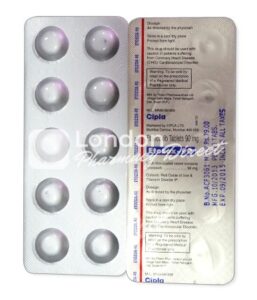
In brief
- Etoricoxib is generally a prescription-only medicine (POM/Rx) in the UK, EU, Australia and many countries and is marketed under brands such as Arcoxia; however, availability varies and some pharmacies or online suppliers may supply it without a prescription—local regulations apply.
- Etoricoxib is used for pain and inflammation in osteoarthritis, rheumatoid arthritis, ankylosing spondylitis, chronic low back pain, acute gout and acute dental pain; it is a highly selective COX-2 (cyclooxygenase-2) inhibitor, producing analgesic and anti‑inflammatory effects by reducing prostaglandin synthesis.
- Usual dosages vary by condition: osteoarthritis 30–60 mg once daily, rheumatoid arthritis 60–90 mg once daily, ankylosing spondylitis 90 mg once daily, acute gout 120 mg once daily (maximum 8 days), acute dental pain 90 mg once daily (up to 3 days); dosing is generally once daily.
- Administration is by oral tablets (commonly 60 mg, 90 mg, 120 mg; 30 mg tablets are less common); no injectable or topical forms are routinely available.
- Onset of effect is relatively rapid, typically within 30–60 minutes for analgesia.
- Duration of action is around 24 hours (allowing once‑daily dosing; elimination half‑life is roughly one day).
- Avoid or limit alcohol while taking etoricoxib—alcohol can increase the risk of gastrointestinal bleeding, may worsen liver effects and can exacerbate dizziness or other adverse effects.
- The most common side effect is headache (other frequent effects include dizziness, peripheral oedema, hypertension, dyspepsia, nausea and raised liver enzymes).
- Would you like to try etoricoxib without a prescription?
Initial Practical Instructions And Warnings For UK Patients
Basic Etoricoxib Information
- INN (International Nonproprietary Name): Etoricoxib.
- Brand Names Available In United Kingdom: Arcoxia; Etoricoxib Accord.
- ATC Code: M01AH05.
- Forms & Dosages: Oral film-coated tablets commonly in 30 mg (rare), 60 mg, 90 mg and 120 mg strengths.
- Manufacturers In United Kingdom: MSD (Merck Sharp & Dohme), Accord, Milpharm.
- Registration Status In United Kingdom: MHRA approved; Prescription Only Medicine (POM).
- OTC / Rx Classification: Prescription Only Medicine (POM).
- Read your MHRA patient information leaflet and keep tablets in the original blister pack.
- Store below 30°C, away from moisture and light.
- Do not refrigerate the medicine.
- Etoricoxib is prescription-only in the UK; only take it when prescribed by an NHS clinician or private prescriber.
- If you have heart disease, uncontrolled high blood pressure, heart failure, severe liver or kidney problems or a history of gastrointestinal bleeding, speak to your prescriber before starting etoricoxib.
- Avoid heavy alcohol while on etoricoxib and report any new breathlessness, chest pain, black stools, or yellowing of the skin immediately.
- Keep an up-to-date list of all medicines, including herbal remedies and supplements, and provide it to the dispensing NHS pharmacist.
| Pharmacist Counselling Point | Patient Action |
|---|---|
| Storage and Handling | Keep in original blister; store below 30°C; do not refrigerate. |
| Legal Status | Prescription-only (POM); take only as prescribed. |
| When To Seek Help | Report chest pain, breathlessness, black stools, severe abdominal pain or jaundice immediately. |
| Medication Review | Bring a full medicines list to GP and pharmacy visits; book blood pressure and renal checks if advised. |
Everyday Use And Best Practices
Morning Vs Evening Dosing
How you schedule etoricoxib can make a real difference to tolerability and adherence.
Etoricoxib is usually taken once a day, at about the same time each day to help you remember.
Many UK patients choose breakfast time when mobility in the morning is the main problem and when taking medication with food is preferred.
Some patients move dosing to bedtime if they experience dizziness during the day, which can improve daytime alertness.
Do not double up doses if you miss one; take the next dose at the usual time.
For acute short courses such as gout or dental pain, follow the exact daily dose and maximum duration prescribed by your clinician.
Taking With Or Without Meals
Tablets may be taken with or without food according to the product licence.
Taking etoricoxib with a small meal or a glass of milk can reduce dyspepsia that some people experience, especially with a UK diet higher in tea and coffee.
Avoid very large alcoholic drinks when taking etoricoxib because alcohol can increase the risk of gastrointestinal irritation.
- Quick Dosing Reference
- Take once daily at the same time.
- If dizziness occurs, try taking at night.
- Take with a small meal or milk to reduce stomach upset.
- Do not exceed the prescribed dose or duration.
| Indication | Typical Adult Dose | Notes |
|---|---|---|
| Osteoarthritis | 30–60 mg once daily | Long-term therapy with periodic review. |
| Rheumatoid Arthritis | 60–90 mg once daily | Review according to disease activity. |
| Ankylosing Spondylitis | 90 mg once daily | Used for extended periods as clinically indicated. |
| Acute Gout | 120 mg once daily | Maximum 8 days. |
| Acute Dental Pain | 90 mg once daily | Up to 3 days. |
etoricoxib dosing is straightforward for most patients and once-daily tablets such as Arcoxia 60 mg and etoricoxib 90 mg tablets help with adherence.
Safety Priorities
Who Should Avoid It (MHRA Warnings)
Etoricoxib has clear contraindications that must be checked before prescribing or dispensing.
Do not take etoricoxib if you are hypersensitive to etoricoxib or other coxibs.
Active peptic ulcer disease or any current gastrointestinal bleeding rules out use.
Severe hepatic impairment and severe renal impairment (eGFR <30 mL/min) are contraindications.
Patients with heart failure, uncontrolled hypertension, established ischaemic heart disease, peripheral arterial disease or cerebrovascular disease should not take etoricoxib.
Pregnancy and breastfeeding are also contraindications for etoricoxib use.
Activities To Limit (Driving, Work Safety)
Dizziness and drowsiness are possible side effects; avoid driving or operating heavy machinery until you know how the medicine affects you.
Fluid retention and peripheral oedema can affect balance, so discuss manual-labour tasks with your employer and GP if this occurs.
| Situation | Advice |
|---|---|
| Driving and Operating Machinery | Avoid until you are sure you are not dizzy or drowsy. |
| Manual Work | Discuss with clinician if oedema or dizziness develops. |
| Pregnancy/Breastfeeding | Do not use; seek alternative pain management. |
etoricoxib contraindications and Arcoxia safety concerns require a careful cardiovascular assessment before starting treatment.
Dosage And Adjustments
General Regimen (NHS Guidance)
NHS-style prescribing uses the licensed doses: 30–60 mg once daily for osteoarthritis and 60–90 mg for rheumatoid arthritis.
For ankylosing spondylitis the usual dose is 90 mg once daily.
For acute gout the recommended dose is 120 mg once daily for up to eight days, and for acute dental pain 90 mg once daily for up to three days.
Children are not indicated for etoricoxib as safety and efficacy are not established.
Special Cases (Elderly, Comorbidities)
No routine dose reduction is required for elderly patients unless renal or hepatic impairment is present.
Avoid etoricoxib in severe renal impairment (eGFR <30 mL/min) and exercise caution in mild-to-moderate impairment.
In liver impairment, restrict dosing as follows: mild impairment—maximum 60 mg per day; moderate impairment—60 mg every other day; severe impairment—contraindicated.
| Patient Group | Dosing Guidance |
|---|---|
| Elderly | No routine reduction; monitor BP, weight and renal function. |
| Renal Impairment | Avoid if severe; caution if mild–moderate. |
| Hepatic Impairment | Mild: ≤60 mg/day; Moderate: 60 mg every other day; Severe: contraindicated. |
- Clinician Checklist Prior To Starting Etoricoxib
- Baseline blood pressure measurement.
- Baseline renal function (eGFR).
- Baseline liver function tests.
- Review cardiovascular history and current medicines.
User Testimonials
Positive Reports From UK Patients
“My GP switched me to Arcoxia 60 mg and I slept through the night for the first time in months,” reads a common comment on patient forums.
“Once-daily dosing makes it simple to take with breakfast,” is another typical remark from people managing osteoarthritis.
Many UK patients praise rapid pain relief and describe fewer stomach problems compared with some traditional NSAIDs thanks to the COX-2 selectivity.
Common Challenges (Patient.info, NHS Forums)
Concerns raised on NHS forums include raised blood pressure while taking etoricoxib, swelling in the legs from fluid retention and the need for repeat blood tests.
Some patients also report prescription logistics and cost as barriers to continued treatment.
- Pros
- Effective, once-daily dosing; often better GI tolerability than non-selective NSAIDs.
- Cons
- Potential for raised blood pressure, fluid retention and cardiovascular risk in susceptible individuals.
- “Improved mobility after two days” — anonymised patient quote.
- “Swelling required a medication review” — anonymised patient quote.
Arcoxia patient reviews and etoricoxib UK experiences are mixed but often balance improved symptoms against monitoring needs.
Buying Guide
Pharmacy Sources
Etoricoxib (Arcoxia) is prescription-only in the UK and can be obtained at NHS GP clinics, rheumatology clinics or via private prescription, collected from high-street chains such as Boots, LloydsPharmacy and Superdrug.
Generics such as Etoricoxib Accord may also be available at some pharmacies and in different blister pack sizes, often 28 tablets per pack.
In our online pharmacy, etoricoxib is available without a prescription, with discreet delivery to United Kingdom in 5-14 days.
Price Comparison (NHS Prescription Charge Vs Private)
Patients in England usually pay a per-item NHS prescription charge unless exempt, while prescriptions are free in Scotland, Wales and Northern Ireland.
Private prescriptions vary in price across different pharmacy chains and for branded or generic products.
| Source | Typical Pack | Notes |
|---|---|---|
| Boots | Blister x28 (common) | May stock Arcoxia and generics subject to prescription. |
| LloydsPharmacy | Blister x28 | Private prices vary; ask pharmacist about generic options. |
| Superdrug | Blister x28 | Collection available with valid prescription. |
- Checklist For Buying Safely Online
- Use MHRA-accredited and registered pharmacy websites only.
- Do not buy from sites that do not require a valid prescription for POM medicines.
- Ask for the patient information leaflet and check the manufacturer on the pack.
- Request the generic where available to compare prices.
What’s Inside And How It Works
Ingredients Overview
The active ingredient is etoricoxib (INN), available as film-coated oral tablets in 30 mg, 60 mg, 90 mg and 120 mg strengths.
Excipients vary by manufacturer and may include lactose in some formulations, so check the product leaflet if you have known excipient allergies.
| Component | Typical Detail |
|---|---|
| Active | Etoricoxib (etoricoxibum) — COX-2 selective inhibitor. |
| Common Excipients | Film-coating agents, fillers and possibly lactose depending on manufacturer. |
Mechanism Basics Explained Simply
Etoricoxib works by selectively inhibiting the cyclo-oxygenase-2 (COX-2) enzyme that drives prostaglandin production linked to pain and inflammation.
By sparing COX-1 compared with non-selective NSAIDs, etoricoxib can mean lower gastric ulcer risk for some patients but maintains a comparatively higher cardiovascular risk profile.
Main Indications
Approved Uses (MHRA Listing)
MHRA-approved indications include osteoarthritis, rheumatoid arthritis, ankylosing spondylitis, chronic low back pain, acute gout and acute dental pain.
Each indication is associated with a licensed dose range as described in the dosing table earlier in the article.
Off-Label Uses In UK Clinics
Occasionally clinicians consider etoricoxib for refractory musculoskeletal pain when patients are intolerant of or contraindicated for other NSAIDs, with documented informed consent.
| Indication | Usual Dose | Typical Duration |
|---|---|---|
| Osteoarthritis | 30–60 mg once daily | Long-term with regular review |
| Rheumatoid Arthritis | 60–90 mg once daily | Extended, per clinical review |
| Acute Gout | 120 mg once daily | Up to 8 days |
An off-label checklist for prescribers should include documentation of prior treatments tried, cardiovascular risk assessment, and informed patient discussion.
Interaction Warnings
Food Interactions (Alcohol, Tea/Coffee)
There are no major direct food interactions listed, but heavy alcohol should be avoided while taking etoricoxib due to increased GI and cardiovascular strain.
Regular high caffeine intake from tea or coffee can exacerbate dyspepsia for some patients and may interact with tolerance.
Drug Conflicts (MHRA Yellow Card Reports)
Key drug interactions to check include concurrent anticoagulants, other NSAIDs, ACE inhibitors or ARBs, and diuretics because of increased renal and bleeding risks.
Certain antidepressants and other medicines that affect bleeding risk also require caution when combined with etoricoxib.
- Drug Interaction Checklist
- Do not combine with other NSAIDs or COX-2 inhibitors.
- Use caution with anticoagulants and antiplatelet drugs.
- Monitor renal function when used with ACEi/ARBs or diuretics.
- Report any suspected adverse reactions via the MHRA Yellow Card scheme.
Latest Evidence And Insights
Key UK & EU Studies 2022–2025
Recent analyses continue to show a trade-off for COX-2 selective drugs such as etoricoxib: lower rates of some gastrointestinal complications but a comparatively higher cardiovascular risk in susceptible patients.
Regulatory reviews in Europe have emphasised careful patient selection and ongoing monitoring to manage these risks.
- Study Takeaway 1: COX-2 selectivity may reduce some GI events versus non-selective NSAIDs.
- Study Takeaway 2: Cardiovascular risk remains a concern and requires screening and periodic review.
- Study Takeaway 3: Pharmacovigilance remains active through MHRA and EMA reporting systems.
What This Means For Patients
Patients who have experienced GI intolerance with other NSAIDs may benefit from etoricoxib, provided their cardiovascular risk is acceptable to the prescriber.
Regular blood pressure checks and renal function monitoring are sensible precautions if long-term therapy is intended.
- What To Ask Your Prescriber
- Am I suitable for etoricoxib given my heart disease or blood pressure?
- How often will my blood pressure and renal function be checked?
- Is a generic or branded product preferable for me?
Alternative Choices
NHS Prescribing Alternatives With Pros/Cons Checklist
NHS alternatives include non-selective NSAIDs such as ibuprofen, naproxen and diclofenac, the COX-2 inhibitor celecoxib, and non-drug options such as physiotherapy and weight loss for osteoarthritis.
| Medicine/Option | Typical Dose | GI Risk | CV Risk | Monitoring Needs |
|---|---|---|---|---|
| Ibuprofen | Varies | Higher | Moderate | BP and renal checks if long-term |
| Naproxen | Varies | Higher | Possibly lower CV signal in some analyses | Renal and BP monitoring |
| Celecoxib | Varies | Lower than non-selective NSAIDs | Elevated in susceptible patients | BP, renal and liver monitoring |
| Paracetamol / Non-Drug | As advised | Low | Low | Clinical review for pain management |
When To Choose Etoricoxib Vs Others
Choose etoricoxib when once-daily dosing, prior intolerance to other NSAIDs or a need to reduce GI side effects outweigh cardiovascular concerns for the individual patient.
Discuss alternative options with your prescriber if you have established cardiovascular disease or uncontrolled hypertension.
Regulation Snapshot
MHRA Approval & NHS Prescribing Framework
Etoricoxib is MHRA-approved in the UK as a Prescription Only Medicine and is available under brand names such as Arcoxia and some generics.
Prescribers should document indication, perform baseline risk assessments (blood pressure, renal function, liver tests) and schedule regular reviews in line with local NHS formularies.
International Regulatory Notes (FDA Status, Availability)
Etoricoxib is approved by EMA in the EU and by TGA in Australia, but it is not approved by the US Food and Drug Administration (FDA).
Availability and brand names vary by country; in the UK common brands include Arcoxia and Etoricoxib Accord.
| Region | Regulatory Status |
|---|---|
| United Kingdom | MHRA approved; POM |
| European Union | EMA approved |
| United States | Not approved by FDA |
FAQ Section
-
Can I Get Etoricoxib On The NHS?
Yes, if clinically indicated and prescribed by an NHS clinician and where local formulary rules permit prescribing.
Patients in England may incur prescription charges unless exempt; prescriptions are free in Scotland, Wales and Northern Ireland.
-
What Should I Watch For In The First Weeks?
Monitor blood pressure, watch for swelling of the legs or ankles, black or bloody stools, new stomach pain, breathlessness or chest pain and report these to your GP immediately.
-
Is It Safe Long-Term?
Long-term use may be possible for chronic conditions but requires periodic review and monitoring for cardiovascular, renal and hepatic safety.
-
Can I Take It With My Other Medications?
Check with your pharmacist or prescriber before combining etoricoxib with other medicines, especially anticoagulants, ACE inhibitors/ARBs, diuretics, other NSAIDs and some antidepressants.
- Short Action Checklist
- If you develop chest pain, severe breathlessness, black stools, jaundice or severe abdominal pain, seek urgent medical help.
- Book follow-up blood pressure and renal checks as advised.
Guidelines For Proper Use
UK Pharmacist Counselling Style
Confirm the indication and dose before supply and advise the patient about once-daily timing and what to do after a missed dose.
Discuss signs that require urgent review such as chest pain, breathlessness, black stools, jaundice or severe abdominal pain.
Review other medicines and any allergies, and ask about pregnancy and breastfeeding status.
Give the MHRA patient information leaflet and advise how to make a Yellow Card report for suspected side effects.
NHS Patient Support Advice
Arrange a GP or rheumatology follow-up for review of effectiveness and safety, including blood pressure, renal and liver function tests as needed.
Signpost to local physiotherapy, weight-loss services and pain-management clinics where appropriate.
| Pharmacist Counselling Checklist | Patient Support Template |
|---|---|
| Confirm dose and indication. | Bring medicines list to GP review and arrange BP/renal checks. |
| Advise on side-effect signals and when to seek help. | Contact local physiotherapy for non-drug options if suitable. |
| Provide MHRA leaflet and Yellow Card information. | Check prescription charge exemptions and support options. |
Delivery Across United Kingdom
| City | Region | Delivery time |
|---|---|---|
| London | England | 5-7 days |
| Birmingham | England | 5-7 days |
| Manchester | England | 5-7 days |
| Glasgow | Scotland | 5-7 days |
| Leeds | England | 5-7 days |
| Liverpool | England | 5-7 days |
| Edinburgh | Scotland | 5-7 days |
| Bristol | England | 5-7 days |
| Sheffield | England | 5-7 days |
| Newcastle Upon Tyne | England | 5-7 days |
| Nottingham | England | 5-9 days |
| Southampton | England | 5-9 days |
| Plymouth | England | 5-9 days |
| Belfast | Northern Ireland | 5-9 days |