
Conjugated Oestrogens
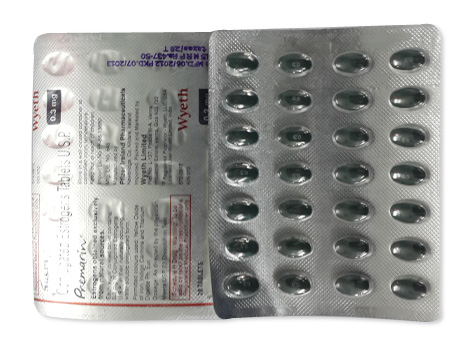
Conjugated Oestrogens
- Available from community and online pharmacies (commonly as Premarin® and generics) in Europe, North America, Australia and other markets; conjugated oestrogens are licensed as prescription-only medicines in the UK, EU, US, Canada and Australia, although in practice some suppliers or pharmacies may offer them without a prescription—this is not legal or recommended and you should follow local regulations and seek medical advice.
- Used to treat menopausal vasomotor symptoms and urogenital atrophy, to replace oestrogen in primary ovarian insufficiency and for secondary prevention of postmenopausal osteoporosis; conjugated oestrogens are a mixture of steroid oestrogens that act as oestrogen receptor agonists to restore oestrogen-dependent tissue function and gene transcription.
- Typical systemic starting doses are 0.3–0.625 mg once daily (tablets), with maintenance titration to the lowest effective dose (commonly up to 1.25–2.5 mg daily); vaginal cream dosing is typically 0.5–2 g per application (equivalent to ~0.3–1.25 mg) with initial daily use for up to 21 days then intermittent use or as directed.
- Administered orally as tablets or caplets (common strengths 0.3 mg, 0.625 mg, 0.9 mg, 1.25 mg, 2.5 mg), topically as a vaginal cream (0.625 mg/g in 27–28 g tubes), and rarely by injection or in fixed‑dose combinations with progestogens.
- Onset varies by symptom: relief of hot flushes may begin within days to a couple of weeks with more noticeable benefit by 4–6 weeks; improvement in vaginal atrophy often takes several weeks of local treatment.
- Duration of action for systemic oral doses is generally once-daily control (about 24 hours for symptomatic coverage), with continuous or cyclical regimens chosen based on indication; local vaginal effects may persist for days but maintenance or intermittent dosing is usually required.
- Avoid excessive alcohol while taking oestrogen therapy; heavy drinking can worsen side effects (e.g. nausea, dizziness), may aggravate liver disease and cardiovascular risk factors, and so alcohol intake should be limited and discussed with your prescriber.
- The most common side effects are breast tenderness or pain, headache, nausea, bloating/abdominal cramps and vaginal spotting or discharge; less commonly oedema, weight gain and mood changes occur and there are rare but serious risks (thromboembolism, stroke, certain cancers) that require medical assessment and monitoring.
- Would you like to try “conjugated oestrogens” without a prescription?
Conjugated Oestrogens
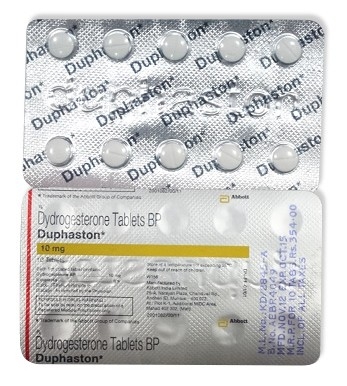
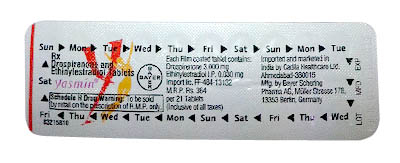
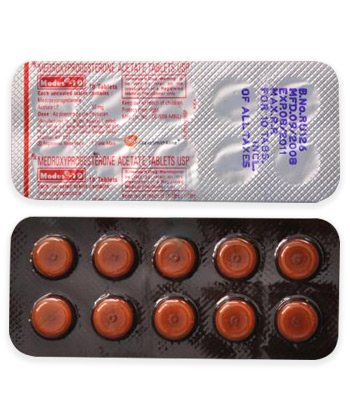
Basic Conjugated Oestrogens Information
- INN (International Nonproprietary Name): Conjugated oestrogens, also referenced as conjugated equine oestrogens (CEE), derived from the urine of pregnant mares.
- Brand Names Available In United Kingdom: Premarin®, Premique® (combination), Prempak‑C® (combination), with blister packs (0.3 mg, 0.625 mg, 1.25 mg) and cream tubes (27–28 g at 0.625 mg/g) commonly used.
- ATC Code: G03CA57 (Natural and semisynthetic oestrogens, plain; 57 designates conjugated oestrogens).
- Forms & Dosages: Oral tablets typically at 0.3 mg, 0.625 mg, 0.9 mg, 1.25 mg and 2.5 mg; vaginal cream commonly 0.625 mg/g in 27–28 g tubes; combination tablets with medroxyprogesterone or norgestrel are available.
- Manufacturers In United Kingdom: Major manufacturer: Pfizer (originally Wyeth). Generic and regional suppliers include Teva, Aspen and other licensees or distributors; raw API supplied by multiple global vendors.
- Registration Status In United Kingdom: Licensed by the MHRA for oral and vaginal routes.
- OTC / Rx Classification: Prescription‑only (Rx) medicine; not available over the counter in surveyed markets.
Instructions, Warnings And Daily‑Life Integration (UK Patients)
- Read The Leaflet And Follow Prescriber Directions: Always read the MHRA‑approved patient leaflet and follow your GP or specialist’s instructions for dose and regimen.
- Keep A Treatment Card: Carry a card showing the medicine name, dose, start date and prescriber to help clinicians in an emergency.
- Do Not Buy From Unregulated Overseas Sites: Conjugated oestrogens (often Premarin®) are prescription medicines in the UK; avoid unregulated imports to reduce risk of falsified products.
- Emergency Signs — Stop And Seek Urgent Review: Chest pain, sudden breathlessness, collapse, leg pain or swelling, unexpected vaginal bleeding, jaundice or severe headaches require immediate medical attention.
- Storage: Store tablets at 15–25°C in the original blister pack and protect from moisture. Do not freeze creams; keep cream tubes at room temperature and away from heat.
- NHS Repeat Prescriptions: Plan dosing into your NHS repeat‑prescription routine, use local pharmacy collection, or ask about NHS Electronic Repeat Dispensing to avoid missed supplies.
- Pharmacy Consultation: Bring all current medicines to pharmacist consultations at Boots, LloydsPharmacy or local community pharmacies to check for interactions and side effects.
Everyday Use & Best Practices
Morning Vs Evening Dosing
Many patients find taking tablets in the morning helps create a reliable routine and reduces missed doses.
Linking the dose to an established morning habit such as breakfast or teeth cleaning makes adherence simpler.
For vaginal cream follow the exact schedule your prescriber gives, commonly daily for 21 days then 7 days off for treating atrophic vaginitis unless advised otherwise.
Taking With Or Without Meals (UK Diet Habits)
Oral conjugated oestrogens may be taken with or without food according to preference and tolerance.
If you feel nausea after a full English breakfast or strong coffee, try taking the tablet after a lighter breakfast or with a plain biscuit.
Avoid heavy alcohol intake on dosing days because alcohol can worsen flushing, bloating and nausea.
- Daily Routine: Take conjugated oestrogens at the same time each day; set phone reminders or link to another morning habit.
- Missed Dose: Take the missed tablet as soon as you remember unless the next dose is due soon; do not double the dose.
- Vaginal Cream Missed Dose: Resume the next scheduled application; do not double‑apply.
- Storage: Keep tablets in the original blister; return empty blister strips to your pharmacist if asked for disposal advice.
- Repeat Supply: Use pharmacy repeat dispensing to maintain continuity of Premarin tablets or cream.
Safety Priorities
Who Should Avoid It (MHRA Warnings)
| Absolute Contraindications | Relative Cautions (Need Review) |
|---|---|
| Known or suspected breast or oestrogen‑dependent cancer. | Uncontrolled hypertension. |
| Undiagnosed abnormal genital bleeding. | Diabetes mellitus requiring monitoring. |
| Current or past thrombosis or thromboembolic events. | Migraine (especially with aura). |
| Active liver disease or severe hepatic impairment. | Gallbladder disease or hyperlipidaemia. |
| Pregnancy or breastfeeding; known allergy to conjugated oestrogens. | Strong family history of hormone‑sensitive cancers. |
Activities To Limit (Driving, Work Safety)
Most patients can drive and work normally while taking conjugated oestrogens once they are established on therapy.
If you develop dizziness, severe headaches or fainting soon after starting treatment, avoid operating heavy machinery and discuss with your pharmacist or GP.
- Immediate Action Checklist: If you get sudden breathlessness, chest pain, collapse or painful calf swelling, stop the medicine and seek urgent medical review.
- Monitoring: Discuss VTE risk and any job‑related safety concerns with your prescriber before starting therapy.
Dosage & Adjustments
General Regimen (NHS Guidance)
| Indication | Usual Starting Dose |
|---|---|
| Vasomotor menopausal symptoms | 0.3–0.625 mg once daily (oral) |
| Vaginal/vulvar atrophy | 0.5–2 g cream (≈0.3–1.25 mg equiv.) daily for up to 21 days then intermittent |
| Hypo‑oestrogenism (ovarian failure) | 0.3–1.25 mg daily, titrate to response |
| Osteoporosis prevention (selected cases) | 0.3 mg daily |
Special Cases (Elderly, Comorbidities)
- Start Low: Elderly patients and those with comorbidities should start on the lowest effective dose and be reviewed regularly due to higher thromboembolic and vascular risks.
- Hepatic Impairment: Avoid in severe liver disease; use caution and consider alternatives in mild–moderate impairment.
- Dose Review: Aim for the lowest effective dose and review therapy every 3–6 months for benefit and risk assessment.
- Adjustment Checklist: Reassess if new contraindications develop, if side effects emerge, or if the clinical response is inadequate.
User Testimonials
Positive Reports From UK Patients
- Reported Benefits: Rapid relief of hot flushes, improved sleep, reduced night sweats and better day‑time function within a few weeks of starting tablets.
- Vaginal Cream: Users frequently report decreased dryness, less pain with intercourse and improved local comfort.
- Quality Of Life: Many describe a return to regular sleep patterns and improved mood once vasomotor symptoms ease.
Common Challenges (Patient.info, NHS Forums)
- Early Side Effects: Breast tenderness, spotting, nausea or bloating may occur early and often settle.
- Mood/Weight Concerns: Some users report mood changes or perceived weight gain and may stop for these reasons.
- Access Issues: Repeat prescriptions and private prescription costs can be barriers, particularly outside England where prescription charging varies.
- "Hot flushes stopped within two weeks — sleep got better." — anonymised UK patient report.
- "Cream made intercourse comfortable again after months of discomfort." — anonymised UK patient report.
- "Had spotting for a couple of weeks; GP suggested waiting before changing dose." — anonymised UK patient report.
Buying Guide
Pharmacy Sources (Boots, LloydsPharmacy, Superdrug)
Conjugated oestrogens such as Premarin® and combination products are prescription‑only and dispensed via NHS or private prescriptions at major UK chains and independent pharmacies.
Always confirm the pharmacy is GPhC‑registered and the product supplied is MHRA‑licensed.
Price Comparison (NHS Prescription Charge Vs Private)
| Route | Typical Cost/Notes |
|---|---|
| NHS Prescription (England) | Standard charge applies unless exempt; Scotland, Wales and Northern Ireland largely provide free prescriptions for most patients. |
| Private Prescription | Costs vary by brand and pharmacy; ask about generic availability where licenced to reduce cost. |
| Online Pharmacies | Use GPhC‑listed UK pharmacies only; verify MHRA licence and keep prescription records. |
- Verification Checklist: Confirm GPhC registration, MHRA‑licensed product name, pack size and expiry dates before purchase.
- Ordering Note: In our online pharmacy, conjugated oestrogens is available without a prescription, with discreet delivery to United Kingdom in 5–14 days.
What’s Inside & How It Works
Ingredients Overview
- Main Active: Conjugated oestrogens (conjugated equine oestrogens, CEE) — a blend of natural and semisynthetic oestrogens.
- Typical Formulations: Oral tablets (0.3, 0.625, 1.25 mg) and vaginal cream (0.625 mg/g in 27–28 g tubes).
- Combinations: Available combined with medroxyprogesterone or norgestrel for women with an intact uterus.
Mechanism Basics Explained Simply
- Replacement Therapy: Oestrogens replace declining endogenous oestrogen in menopause and act on oestrogen receptors to reduce hot flushes and night sweats.
- Urogenital Benefits: Local vaginal application treats urogenital atrophy with less systemic exposure than oral tablets.
- Bone Health: Systemic oestrogen helps maintain bone density and can have a role in osteoporosis prevention in selected patients.
Main Indications
Approved Uses (MHRA Listing)
- Treatment of moderate to severe menopausal vasomotor symptoms (systemic tablets).
- Symptomatic vulvar/vaginal atrophy treated with topical cream.
- Hypo‑oestrogenism due to ovarian failure; doses titrated under specialist care.
- Secondary prevention of postmenopausal osteoporosis in selected patients at low dose.
Off‑Label Uses In UK Clinics
- Occasional specialist use for tailored hormonal management in premature ovarian insufficiency or rare palliative settings; documentation and monitoring required.
- Recommended starting ranges: 0.3–0.625 mg for most menopausal symptoms, up to 1.25 mg if needed under review.
Interaction Warnings
Food Interactions (Alcohol, Tea/Coffee)
- No major direct food interactions are documented, but alcohol can worsen flushing, nausea and bloating; limit heavy drinking.
- Caffeine in tea or coffee may aggravate vasomotor symptoms for some patients; adjust intake if symptoms worsen.
- Herbal remedies such as St John’s wort may alter hormone metabolism and should be discussed with your pharmacist.
Drug Conflicts (MHRA Yellow Card Reports)
- Enzyme inducers (some anticonvulsants, rifampicin) can lower systemic oestrogen levels and reduce effect.
- Estrogens can alter warfarin response and thyroid hormone requirements; monitor INR and thyroid function if starting or stopping therapy.
- Bring a full medication list to every pharmacy consultation and report unexpected adverse effects via the MHRA Yellow Card scheme.
Latest Evidence & Insights
Key UK & EU Studies 2022–2025
- Recent guidance emphasises using the lowest effective oestrogen dose for the shortest period required and individual VTE and breast cancer risk assessment.
- Comparative analyses have highlighted pharmacological and side‑effect profile differences between conjugated oestrogens and bioidentical estradiol, supporting individualised choice.
- Clinical advice increasingly favours local vaginal oestrogen for isolated urogenital symptoms to minimise systemic exposure.
Practical Takeaways For Patients
- Discuss personalised risks (age, BMI, smoking, family history) with your GP before starting conjugated oestrogens.
- Consider local treatment for vaginal symptoms and review therapy every 3–6 months.
- Check MHRA and NHS guidance updates for ongoing safety communications and report adverse events via Yellow Card.
Alternative Choices
NHS Prescribing Alternatives
- Estradiol preparations (tablets, patches, gels) are commonly used alternatives and available across NHS formularies.
- Tibolone may be considered for some menopausal symptoms in selected patients.
- Local non‑oestrogen options for vaginal atrophy include ospemifene and local DHEA where appropriate.
Pros/Cons Checklist
- Oral Conjugated Oestrogens (Premarin): Pros — effective for systemic vasomotor symptoms; Cons — hepatic first‑pass metabolism may increase VTE risk for some.
- Transdermal Estradiol: Pros — lower hepatic effects and possibly lower VTE risk; Cons — potential skin irritation and patch adherence issues.
- Local Vaginal Oestrogen: Pros — targeted treatment with low systemic absorption; Cons — not sufficient for systemic hot flushes.
Regulation Snapshot
| Licence / Form | Prescribing Route |
|---|---|
| MHRA‑licensed for oral tablets and vaginal cream (ATC G03CA57). | GPs prescribe within local formularies; specialists may initiate complex regimens such as for premature ovarian insufficiency. |
| Available as blister packs (0.3, 0.625, 1.25 mg) and 27–28 g cream tubes (0.625 mg/g). | Repeat dispensing and electronic prescription systems streamline supply; report adverse reactions to Yellow Card. |
FAQ Section
- Can I get conjugated oestrogens on the NHS? — If clinically indicated a GP can prescribe conjugated oestrogens; prescription charges apply in England unless you qualify for an exemption, while Scotland, Wales and Northern Ireland largely provide free prescriptions.
- Is Premarin the same as estradiol? — No; Premarin is conjugated equine oestrogens, a mix of oestrogenic compounds, whereas estradiol is a bioidentical oestrogen available in different formulations such as patches and gels.
- How long should I take it? — Use the lowest effective dose and have regular reviews every 3–6 months; duration depends on symptom control, risk profile and individual preference.
- Can I use the cream and tablets together? — Sometimes both are prescribed together (systemic tablet for hot flushes and local cream for vaginal atrophy); follow the prescriber’s instructions exactly.
Guidelines For Proper Use
UK Pharmacist Counselling Style
- Confirm Indication: Verify why conjugated oestrogens were prescribed and the intended regimen.
- Review Contraindications: Ask specifically about history of thrombosis, cancer, liver disease and pregnancy status.
- Check Interactions: Take a full medication and herbal list and advise on enzyme inducers or warfarin/thyroid monitoring as needed.
- Explain Missed Dose And Side Effects: Give clear instructions on missed doses and list emergency signs that require urgent review.
- Repeat Prescriptions And Reporting: Explain NHS repeat dispensing options and how to report side effects via the Yellow Card scheme.
NHS Patient Support Advice
- Provide Leaflets: Offer NHS and manufacturer leaflets and signpost reputable information such as Patient.info and NHS webpages.
- Lifestyle Support: Discuss smoking cessation, weight management and bone health measures alongside pharmacotherapy.
- Referral: Offer referral to local menopause clinics or specialist services if symptoms are complex or risks are high.
- Shared Decision‑Making: Encourage patients to keep a symptom diary to aid GP reviews and treatment adjustments.
Delivery Across United Kingdom
| City | Region | Delivery Time |
|---|---|---|
| London | Greater London | 5–7 days |
| Birmingham | West Midlands | 5–7 days |
| Manchester | Greater Manchester | 5–7 days |
| Leeds | West Yorkshire | 5–7 days |
| Glasgow | Scotland | 5–7 days |
| Edinburgh | Scotland | 5–7 days |
| Bristol | South West England | 5–7 days |
| Newcastle Upon Tyne | North East England | 5–9 days |
| Sheffield | South Yorkshire | 5–9 days |
| Southampton | South East England | 5–9 days |
| Nottingham | Nottinghamshire | 5–9 days |
| Cardiff | Wales | 5–7 days |
| Belfast | Northern Ireland | 5–7 days |
| Plymouth | South West England | 5–9 days |