Antabuse
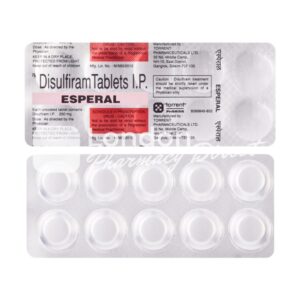
In brief
- Antabuse (disulfiram) may be available from some pharmacies without a prescription, although it is officially a prescription-only medicine in the UK and many other countries. Availability, packaging, and supply may vary by region.
- Antabuse is used to support the treatment of alcohol dependence. It works by inhibiting aldehyde dehydrogenase, causing an unpleasant reaction if alcohol is consumed, which helps deter drinking.
- The usual adult dose is 500 mg once daily for 1 to 2 weeks initially, then 250 mg daily for maintenance; the dose may be adjusted within a range of 125–500 mg daily.
- It is taken by mouth as tablets, most commonly in 250 mg or 500 mg strengths.
- Antabuse starts working after it has been taken regularly for a short period, but its aversive effect can begin as soon as alcohol is consumed; the reaction may occur even up to 2 weeks after the last dose.
- The duration of action is prolonged, with effects lasting throughout the dosing period and residual alcohol-aversion effects persisting for up to 2 weeks after stopping treatment.
- Do not drink alcohol while taking Antabuse, and avoid alcohol-containing medicines or products. A severe reaction can occur with flushing, palpitations, chest pain, breathlessness, dizziness, vomiting, and low blood pressure.
- The most common side effects are drowsiness, fatigue, nausea, vomiting, a metallic or garlic-like aftertaste, and skin rash.
- Would you like to try Antabuse without a prescription?
Basic Antabuse Information
- INN (International Nonproprietary Name): Disulfiram.
- Brand Names Available In United Kingdom: Antabuse.
- ATC Code: N07BB01.
- Forms & Dosages: Tablet, 250 mg and 500 mg; rare injection not generally marketed.
- Manufacturers In United Kingdom: Accord Healthcare, TEVA Pharmaceuticals, Mylan, and regional generics.
- Registration Status In United Kingdom: Prescription only.
- OTC / Rx Classification: Rx.
Everyday Use And Best Practices
Wondering whether Antabuse should be taken in the morning or at night?
The safest approach is to take disulfiram tablets at the same time every day, because routine helps adherence and reduces missed doses.
Many NHS clinicians prefer morning dosing if that fits the day better, especially when tablets are linked to breakfast or another fixed habit.
If the medicine makes you feel sleepy or washed out, evening dosing may suit some people better, but consistency matters more than the clock.
Shift work, school runs, commuting, and childcare can all affect daily dosing, so it is sensible to mention your routine to your pharmacist or prescriber.
Antabuse UK patients often find that taking it with food eases nausea, although it can usually be taken with or without meals.
That matters in real life, because hidden alcohol can crop up in sauces, puddings, mouthwash, some cough mixtures, and even aftershave.
A simple checklist for household products containing alcohol can prevent avoidable mistakes and make everyday use far easier to manage.
Safety Priorities
Is Antabuse suitable for everyone who wants to stop drinking?
No, because MHRA warnings and routine prescribing checks are there to prevent serious harm.
Disulfiram is prescription only in the UK, and it should not be started if alcohol was taken in the last 12 to 24 hours.
People with severe heart disease, psychosis, severe liver disease, pregnancy, or breastfeeding should avoid it.
Extra caution is also needed in diabetes, epilepsy, kidney disease, and cerebrovascular disease, where monitoring may be required.
| Absolute Contraindications | Relative Contraindications |
|---|---|
| Recent alcohol intake within 12 to 24 hours | Mild to moderate liver or kidney disease |
| Severe myocardial or coronary disease | Diabetes |
| Psychosis or severe mental impairment | Epilepsy or seizure disorders |
| Hypersensitivity to disulfiram | Cerebrovascular disease |
| Pregnancy and breastfeeding | Monitoring may be needed |
| Severe hepatic insufficiency |
Drowsiness, fatigue, and an alcohol reaction can all affect driving safety, operating machinery, and safety-critical work.
If you work in a pub, restaurant, care setting, or transport role, ask about occupational risks before starting disulfiram.
Severe disulfiram side effects from an alcohol reaction can be life-threatening, so urgent help is needed for chest pain, breathlessness, fainting, or very low blood pressure.
Dosage And Adjustments
How much Antabuse is usually prescribed in the UK?
The usual adult regimen is an initial 500 mg once daily for 1 to 2 weeks, followed by a maintenance dose of 250 mg daily.
The maintenance range can be adjusted between 125 mg and 500 mg depending on response and clinical judgement.
Tablets are commonly available as 250 mg or 500 mg in the UK, and the dose should always be set by a clinician.
- Take the tablet once daily at the same time each day.
- If a dose is missed, take it when remembered unless it is close to the next dose.
- Do not double up to make up for a missed dose.
- Seek medical attention immediately if too much is taken.
In older adults, treatment should begin at the lower end and liver and kidney function should be monitored.
In liver impairment, regular transaminase checks are important, and severe hepatic insufficiency is a reason to avoid treatment.
Disulfiram tablets are often continued for several months, and sometimes for a year or longer, alongside counselling and behavioural support.
User Testimonials
What do UK patients usually say about Antabuse treatment?
Positive reports often focus on feeling more accountable, having fewer urges to drink, and engaging better with structured recovery support.
Many patients also value clear pharmacist explanations and regular GP follow-up, because that makes the treatment feel less daunting.
Common challenges include remembering the daily tablet, worrying about hidden alcohol exposure, and side effects such as nausea or a metallic taste.
Some people also dislike the all-or-nothing nature of the alcohol deterrent effect, which can feel unforgiving if a mistake is made.
- Benefits: stronger accountability and fewer drinking urges.
- Side effects: nausea, taste changes, fatigue, or rash.
- Support needs: counselling, follow-up, and practical reminders.
- Triggers: social drinking, hidden alcohol, and routine disruptions.
Buying Guide
Can you buy disulfiram over the counter in the UK?
No, because Antabuse is not an over-the-counter medicine and must be prescribed.
In practice, people may collect it from high-street pharmacies such as Boots, LloydsPharmacy, or Superdrug if they are dispensing an NHS or private prescription.
Online pharmacy supply is legal only when the service is GPhC-registered and proper prescribing checks are in place.
| Source | Prescription Type | Safety Checks |
|---|---|---|
| Boots, LloydsPharmacy, Superdrug | NHS or private | Prescription validation and counselling |
| GPhC-registered online pharmacy | Private or NHS where available | Prescribing assessment and medicine review |
| Unregistered seller | None | Unsafe and not recommended |
In England, an NHS prescription charge usually applies unless you are exempt, while prescriptions are free in Scotland, Wales, and Northern Ireland.
Private prescription costs vary depending on the pharmacy and supplier.
In our online pharmacy, antabuse is available without a prescription, with discreet delivery to United Kingdom in 5 to 14 days.
What’s Inside And How It Works
What actually makes Antabuse different from other alcohol dependence medicines?
The active ingredient is disulfiram, the globally recognised INN used in clinical and regulatory settings.
In the UK, the best-known brand name is Antabuse, usually seen as 250 mg or 500 mg tablets.
The ATC code is N07BB01, which identifies disulfiram within medicines used for alcohol dependence.
| Brand Name | Common Strengths | Form |
|---|---|---|
| Antabuse | 250 mg, 500 mg | Tablet |
Disulfiram alcohol aversion works by causing unpleasant symptoms if alcohol is consumed.
These may begin with flushing, nausea, palpitations, dizziness, and vomiting.
The effect can persist for up to 2 weeks after the last dose, so alcohol avoidance must continue after stopping treatment.
Main Indications
Who is Antabuse for?
The main approved use is supporting people with alcohol dependence who want a strong deterrent to drinking.
It works best when combined with counselling, relapse prevention, and behavioural support rather than used alone.
Because it is a prescription-only medicine, treatment should start under medical supervision.
- Approved use: alcohol dependence support with a clear deterrent approach.
- Specialist discussion: occasional off-label use when first-line options are unsuitable.
- Common setting: structured recovery programmes with follow-up.
Off-label use is uncommon in UK clinics and should only be considered by a specialist.
Some clinicians discuss disulfiram treatment when first-line craving medicines are not suitable, but the decision depends on the patient’s history and risks.
Interaction Warnings
Could a normal meal or everyday medicine trigger problems on Antabuse?
Alcohol-containing products are the main issue, including some mouthwashes, medicines, desserts, and cooking ingredients.
Even small amounts of alcohol can trigger a reaction, so labels need to be checked carefully.
Tea and coffee are not major direct interactions, although reducing caffeine temporarily may help if you feel unwell.
| Check With A Pharmacist | Common Hidden Alcohol Sources |
|---|---|
| Cough remedies, antibiotics, sedatives, vitamins | Mouthwash, cough mixtures, sauces, puddings |
| Any medicine that may cause drowsiness | Aftershave, cooking ingredients, dessert toppings |
| New prescriptions or over-the-counter products | Labelled alcohol-containing products |
Tell your GP or pharmacist about every medicine you use, including herbal products and supplements.
Suspected side effects should be reported through the MHRA Yellow Card scheme.
Latest Evidence And Insights
What does recent evidence say about supervised disulfiram?
Studies published across the UK and Europe from 2022 to 2025 continue to support disulfiram for some patients when it is supervised and paired with psychosocial support.
Real-world use remains limited because the alcohol reaction risk means monitoring matters, and adherence has a big impact on outcomes.
That is why supervised disulfiram is often chosen for patients who want a strong external deterrent rather than a craving-reduction medicine.
Evidence is weaker for unsupervised use, so daily routine and support remain central to treatment success.
Alternative Choices
Are there NHS alternatives if Antabuse does not suit you?
Yes, and the best option depends on drinking pattern, liver health, opioid use, and willingness to take daily tablets.
- Naltrexone: may help reduce craving, but it is not suitable with opioid use.
- Acamprosate: often used to support abstinence, but it needs multiple daily doses.
- Topiramate: sometimes used off-label, although side effects can limit use.
Antabuse is often the better choice for people who want a clear drink-deterrent approach, while naltrexone and acamprosate may suit those who prefer craving reduction rather than alcohol aversion.
Topiramate can be discussed in specialist settings, but it is not a routine first-line option.
Regulation Snapshot
How is disulfiram regulated in the UK?
It is a licensed prescription-only medicine supplied through NHS or private prescription routes.
Brand availability can vary by pharmacy, but Antabuse 250 mg and 500 mg are recognised strengths.
Prescribers usually check alcohol use, liver function, and suitability before issuing it.
Online supply should only be through registered UK pharmacy services, and patients often place a lot of trust in local pharmacist counselling for medicines like this.
The NHS framework relies heavily on pharmacist advice, particularly where adherence, interactions, and alcohol exposure are concerned.
Frequently Asked Questions
How long after drinking can I start Antabuse? Usually 12 to 24 hours, but your prescriber should confirm this for your situation.
What happens if I drink on it? You may get flushing, nausea, palpitations, breathlessness, chest pain, dizziness, low blood pressure, and vomiting.
Can I buy Antabuse online in the UK? Only through a registered pharmacy with proper prescription checks.
How long does treatment last? Often several months, and sometimes longer when it is combined with support.
Guidelines For Proper Use
How should Antabuse tablets be used day to day?
Take exactly as prescribed and keep to the same time each day.
Avoid all alcohol exposures, including hidden sources in everyday products.
Keep tablets in the original packaging, stored at room temperature, away from heat and moisture.
If a dose is forgotten, do not double it.
If you feel unwell, speak to your GP, pharmacist, or NHS 111.
Disulfiram tablets should be used alongside counselling, relapse prevention, and support groups where possible.
Ask your pharmacist to review all medicines for interactions, especially if you use cough remedies, sedatives, or new over-the-counter products.
Seek urgent help for a severe reaction or overdose symptoms such as severe nausea, vomiting, low blood pressure, or seizures.
Delivery Across United Kingdom
| City | Region | Delivery Time |
|---|---|---|
| London | Greater London | 5 to 7 days |
| Birmingham | West Midlands | 5 to 7 days |
| Manchester | Greater Manchester | 5 to 7 days |
| Glasgow | Scotland | 5 to 7 days |
| Edinburgh | Scotland | 5 to 7 days |
| Leeds | West Yorkshire | 5 to 7 days |
| Liverpool | Merseyside | 5 to 7 days |
| Bristol | South West England | 5 to 7 days |
| Cardiff | Wales | 5 to 7 days |
| Newcastle upon Tyne | North East England | 5 to 7 days |
| Nottingham | East Midlands | 5 to 9 days |
| Sheffield | South Yorkshire | 5 to 9 days |
| Leicester | East Midlands | 5 to 9 days |
| Aberdeen | Scotland | 5 to 9 days |