
Alcoholism
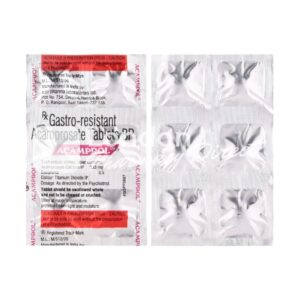
Acamprosate
from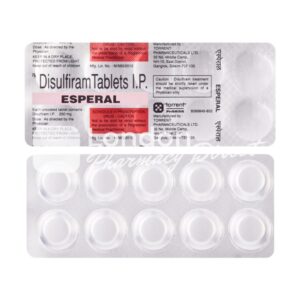
Antabuse
from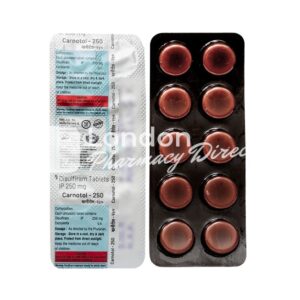
Disulfiram
from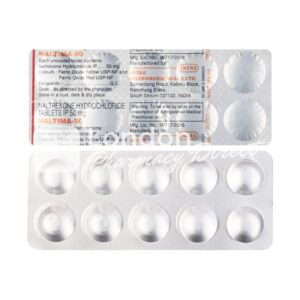
Naltrexone
from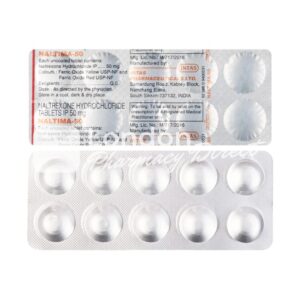
Revia
fromUnderstanding Alcohol Dependence
Alcohol dependence, commonly referred to as alcoholism, is a chronic condition characterised by an inability to control alcohol consumption despite negative consequences. This disorder affects millions of people across the United Kingdom and can develop gradually over time. The condition involves physical dependence, where the body becomes accustomed to alcohol, and psychological dependence, where individuals rely on alcohol to cope with emotions and stress. Understanding alcoholism is essential for both those affected and their loved ones, as it enables early intervention and appropriate treatment. The condition can impact every aspect of life, including relationships, employment, and overall health. Recognising the signs of alcohol dependence early can significantly improve outcomes and quality of life.
Medications for Alcohol Dependence
Acamprosate
Acamprosate is one of the primary medications available in the United Kingdom for treating alcohol dependence. This medication works by restoring the balance of neurotransmitters in the brain that have been disrupted by chronic alcohol use. It is particularly effective in reducing cravings and maintaining abstinence in individuals who have already stopped drinking. Acamprosate is available under the brand name Campral and comes in tablet form. The typical dosage involves taking tablets three times daily. This medication is especially useful for those who have already undergone detoxification and are committed to maintaining sobriety.
Naltrexone
Naltrexone is another important medication used in the treatment of alcohol dependence in the United Kingdom. This opioid receptor antagonist works by blocking the pleasurable effects of alcohol, thereby reducing the reward associated with drinking. By diminishing the positive reinforcement from alcohol consumption, naltrexone helps individuals resist the urge to drink. The medication is available in both tablet and injectable forms in the UK. Naltrexone is typically prescribed as a daily tablet or as a monthly injection known as Vivitrol. This medication has proven effective in reducing heavy drinking days and maintaining abstinence. It is often combined with counselling and behavioural therapies for optimal results. Healthcare providers carefully monitor patients taking naltrexone to ensure safety and efficacy.
Disulfiram
Disulfiram, marketed as Antabuse in the United Kingdom, is a medication that creates an unpleasant reaction when combined with alcohol. This medication is designed to act as a deterrent, discouraging individuals from drinking by creating adverse effects such as nausea, vomiting, and flushing if alcohol is consumed. Disulfiram has been used for decades in alcohol dependence treatment. The medication works best for highly motivated individuals who are committed to abstinence. Disulfiram is available as tablets and typically taken once daily. It requires a period of at least twelve hours of abstinence before starting treatment. Patients must be fully informed about the potential severe reactions before beginning this medication. Regular monitoring and support are essential when using disulfiram as part of treatment.
Treatment Approaches and Support Systems
Detoxification Process
Detoxification is often the first step in treating alcohol dependence, involving the removal of alcohol from the body. Medical supervision during detoxification is crucial, as withdrawal symptoms can range from mild to severe. The NHS provides supervised detoxification services in many areas, and private treatment facilities are also available. Benzodiazepines are commonly prescribed during detoxification to manage withdrawal symptoms safely. The process typically takes between five to fourteen days, depending on the severity of dependence. Healthcare professionals monitor vital signs and adjust medications as needed. Psychological support is provided alongside medical treatment to address emotional and mental health needs during this challenging period.
Behavioural Therapies
Cognitive behavioural therapy (CBT) is an evidence-based psychological treatment for alcoholism widely available throughout the United Kingdom. CBT helps individuals identify triggers for drinking and develop coping strategies to manage cravings. Motivational interviewing is another effective therapeutic approach that helps individuals increase their intrinsic motivation to change drinking behaviours. Group therapy sessions provide peer support and shared experiences, creating a sense of community among those recovering from alcohol dependence. Individual counselling sessions allow for personalised treatment plans tailored to specific needs and circumstances. These psychological interventions are often combined with medications for comprehensive treatment. Many NHS services offer these therapies, and private practitioners also provide specialist counselling.
Health Complications and Long-Term Effects
Physical Health Impacts
Chronic alcohol consumption can cause severe damage to multiple organs, particularly the liver, pancreas, and heart. Liver disease, including hepatitis and cirrhosis, is one of the most serious complications of long-term alcoholism. Cardiovascular problems such as high blood pressure, irregular heartbeat, and increased risk of heart attack are common consequences. Neurological damage can result in memory problems, cognitive decline, and peripheral neuropathy. Gastrointestinal issues including ulcers, gastritis, and increased cancer risk are associated with prolonged alcohol abuse. Immune system suppression makes individuals more susceptible to infections and illnesses. Early intervention and treatment can prevent or slow the progression of these serious health conditions.
Mental Health Considerations
Depression and anxiety disorders frequently co-occur with alcohol dependence, often requiring integrated treatment approaches. Alcohol initially provides temporary relief from negative emotions but ultimately worsens mental health conditions. Sleep disturbances are common, affecting overall wellbeing and recovery. Post-traumatic stress disorder and other trauma-related conditions may underlie problematic drinking patterns. Suicidal ideation and self-harm behaviours can accompany severe alcohol dependence. Mental health professionals work alongside addiction specialists to address both conditions simultaneously. Specialist dual diagnosis services are available throughout the UK for comprehensive care.
Support Resources and Recovery Networks
NHS Services
The National Health Service provides comprehensive support for alcohol dependence through specialist addiction services available in every area. Local alcohol services offer assessments, detoxification, medication management, and psychological therapies. Many GP surgeries can provide initial support and referrals to specialist services. Hospital-based addiction teams offer more intensive interventions for severe cases. Community-based services provide ongoing support and relapse prevention strategies. All NHS alcohol treatment services are confidential and free to access for eligible residents. Waiting times vary by location, but emergency services are available for acute situations.
Community and Self-Help Organisations
Numerous organisations throughout the United Kingdom provide essential support for alcohol dependence recovery:
- Alcoholics Anonymous operates meetings nationwide, providing peer support and structured recovery programmes based on the twelve-step approach
- SMART Recovery offers self-empowerment and personal responsibility-based recovery strategies as an alternative to traditional methods
- Al-Anon provides specialised support for family members and loved ones affected by someone’s alcohol dependence
- Drink Aware is a national charity providing comprehensive information, advice, and support resources about alcohol misuse
- Local council services often provide additional community-based support and practical assistance for individuals in recovery
- Online support groups and telephone helplines offer accessible support for those unable to attend in-person meetings
Charity organisations frequently provide grants and assistance to help individuals access treatment services.
Prevention and Lifestyle Changes
Building a Recovery Lifestyle
Successfully recovering from alcohol dependence requires comprehensive lifestyle changes beyond medication and therapy. Establishing regular routines including exercise, balanced nutrition, and adequate sleep supports physical and mental recovery. Social activities and hobbies provide positive alternatives to alcohol-centred activities. Avoiding high-risk situations and environments helps prevent relapse during vulnerable periods. Building strong support networks with family, friends, and healthcare providers creates accountability and encouragement. Stress management techniques such as meditation, yoga, and mindfulness help address underlying triggers for drinking. Continuing education about the disease of alcoholism strengthens commitment to recovery and self-awareness.
Long-Term Maintenance and Relapse Prevention
Ongoing treatment and support are crucial for maintaining long-term sobriety and preventing relapse. Regular medication reviews ensure continued effectiveness and appropriate dosage adjustments as needed. Continued participation in therapy and support groups strengthens recovery mechanisms and provides ongoing guidance. Developing personal relapse prevention plans identifies warning signs and establishes action strategies for vulnerable moments. Maintaining healthy relationships and social connections provides essential support networks during recovery. Regular check-ups with healthcare providers monitor physical and mental health recovery progress. Celebrating milestones and achievements reinforces positive progress and motivation for continued sobriety and improved wellbeing.