Tamoxifen
In brief
- In our pharmacy, tamoxifen can be purchased without a prescription, with delivery available in the UK. It is also a prescription-only medicine in regulated systems such as the MHRA, EMA and FDA, so use should ideally be guided by a clinician.
- Tamoxifen is used for hormone receptor-positive breast cancer, including adjuvant treatment of early breast cancer, metastatic breast cancer, ductal carcinoma in situ, and risk reduction in high-risk patients. It is a selective oestrogen receptor modulator (SERM) that blocks oestrogen receptors in breast tissue and helps reduce oestrogen-driven tumour growth.
- The usual dose of tamoxifen is 20 mg once daily for most indications; some patients with metastatic breast cancer may require 20–40 mg per day in divided doses.
- It is administered by mouth as tablets, and is also available as an oral solution/syrup in some markets.
- Tamoxifen usually starts working gradually over days to weeks, although the full therapeutic benefit in cancer treatment may take longer to become apparent.
- The duration of action is prolonged, with treatment commonly continued for 5 to 10 years in adjuvant breast cancer, or for as long as there is clinical benefit in metastatic disease.
- Alcohol is best avoided or limited, as it may increase the risk of side effects such as dizziness, liver strain and nausea, and is not advisable during cancer treatment unless your doctor says otherwise.
- The most common side effects include hot flushes, fatigue, nausea, vaginal discharge or bleeding, menstrual irregularities, leg cramps, headache, rash and thinning hair.
- Would you like to try tamoxifen without a prescription?
Basic Tamoxifen Information
- INN (International Nonproprietary Name): Tamoxifen
- Brand names available in United Kingdom: Nolvadex, Soltamox
- ATC Code: L02BA01
- Forms & dosages: Oral tablets 10 mg and 20 mg; oral solution 10 mg/5 mL
- Manufacturers in United Kingdom: AstraZeneca, Teva, Sandoz, Accord Healthcare, and others depending on supply
- Registration status in United Kingdom: Prescription Only (Rx)
- OTC / Rx classification: Prescription Only (Rx)
Wondering how tamoxifen fits into everyday life, what to watch for, and where it sits in UK treatment pathways?
For many people, the biggest question is not the medicine’s science, but the practical side of living with it day to day.
That means timing doses around work, school runs, hospital appointments, or caring for someone else, while also staying alert to side effects and interactions.
This guide keeps things plain and UK-focused, so it is easier to use alongside advice from your oncology team, GP, or pharmacist.
Everyday Use: How To Take Tamoxifen In Normal UK Routines
Morning Vs Evening Dosing
Do you need to take tamoxifen at exactly 8 o’clock every morning?
Not usually.
The important part is taking it once a day at roughly the same time, so it becomes part of your normal routine.
Some people tie it to brushing their teeth, the school drop-off, the first mug of tea, or an evening alarm on their phone.
Consistency matters more than the exact hour, because it helps doses become easier to remember.
If daytime use makes nausea or tiredness harder to manage, some people prefer evening dosing, provided the prescriber agrees.
That can suit shift workers, people commuting early into London, or parents juggling breakfast and getting children out of the door.
There is no single best time for everyone, which is why the best routine is the one you can keep reliably.
As one patient might put it, the medicine stops feeling like a chore once it is attached to an existing habit, such as locking the front door at night.
Taking With Or Without Meals
Tamoxifen can usually be taken with or without food, which makes it flexible for UK meal patterns.
That helps if breakfast is just toast and coffee, lunch is a packed sandwich, or tea-time is the main meal of the day.
If the tablet upsets your stomach, taking it with a meal or snack may feel gentler, even though food is not required.
Swallow tamoxifen tablets whole with water unless your pharmacist or prescriber has told you otherwise.
Do not crush or split tablets unless you have been given advice that the specific product is suitable for that.
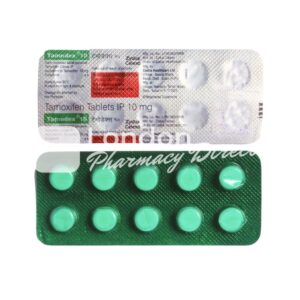
Tamoxifen is commonly available as 10 mg and 20 mg tablets, and there is also a 10 mg/5 mL oral solution for people who need liquid administration.
That can be useful where swallowing is difficult, or when a hospital team has chosen a liquid form for practical reasons.
- Daily routine tips: keep tablets beside something you use every day, such as a toothbrush or kettle.
- Daily routine tips: set a repeating alarm on your phone if you are likely to forget.
- Daily routine tips: keep a simple note of the time you took each dose if your schedule changes from week to week.
- Daily routine tips: pack a dose with you when travelling, but keep it in the original pack.
- Daily routine tips: if you miss a dose, take it as soon as you remember, but do not double up.
For people using tamoxifen tablets alongside work shifts, caring duties, or regular commuting, a fixed cue is often more helpful than trying to remember the clock.
Safety Priorities: Who Should Avoid Tamoxifen And What To Watch For
Who Should Avoid It
Because tamoxifen is a prescription-only medicine in the UK, it is not suitable for everyone.
It should be avoided in people with a history of deep vein thrombosis or pulmonary embolism, whether active or in the past.
It is also not suitable in pregnancy or while breastfeeding.
Coumarin-type anticoagulants are an important concern, so concurrent use needs specialist checking.
Extra caution is needed in people with uterine disease, pre-existing endometrial cancer, severe liver impairment, hyperlipidaemia, bone metastases at treatment start, or blood cell disorders.
Red flags that need prompt medical advice include:
- Chest pain.
- Sudden breathlessness.
- Swollen or painful leg, especially if it is one-sided.
- Unexpected vaginal bleeding or spotting.
- Vision changes.
Activities To Limit
If tamoxifen makes you dizzy, unsteady, or affects your vision, speak to a pharmacist or clinician before driving.
That advice matters for school runs, motorway driving, or commuting on busy roads.
Use extra care with work at heights, ladders, machinery, or caring tasks if side effects are interfering with concentration or balance.
Symptoms such as hot flushes, fatigue, nausea, cramps, headache, or vaginal bleeding are often mild to moderate, but they should still be reported early if they are troublesome.
Serious thromboembolic symptoms should never be ignored, because chest symptoms, leg swelling, and sudden breathlessness need urgent assessment.
If something feels wrong rather than merely uncomfortable, it is better to ask than to wait for the next routine appointment.
Dosage And Adjustments: What NHS Patients Are Usually Told
General Regimen
What dose is normally used in the UK?
For early breast cancer, ductal carcinoma in situ after surgery, and risk reduction in higher-risk patients, the usual adult dose is 20 mg once daily.
In metastatic breast cancer, the common daily range is 20 to 40 mg, often split, and treatment continues as long as there is clinical benefit.
People are often on tamoxifen for years rather than weeks, with treatment commonly lasting 5 to 10 years in hormone-responsive disease.
It should not be stopped without oncology advice, even if the tablets seem familiar or symptoms have settled.
| Indication | Typical Adult Dose | Usual Duration |
|---|---|---|
| Early breast cancer after surgery | 20 mg once daily | 5 to 10 years |
| Ductal carcinoma in situ | 20 mg once daily | 5 years |
| Risk reduction in high-risk patients | 20 mg once daily | 5 years |
| Metastatic breast cancer | 20 to 40 mg/day, usually split | As long as benefit continues |
Special Cases
Older adults usually do not need a routine dose change, although side effects still need monitoring as metabolism may slow with age.
Renal impairment does not usually require a specific dose adjustment, but caution is still sensible.
Hepatic impairment deserves particular care because tamoxifen is metabolised in the liver, and severe liver impairment is not recommended.
In children, use is rare and unlicensed, so specialist paediatric oncology input is needed.
If a dose is missed, take it as soon as remembered, but do not take a double dose to catch up.
If an overdose is taken, symptoms may include tremor, unsteady gait, and dizziness, and treatment is symptomatic because there is no specific antidote.
What UK Patients Say: Experiences, Benefits, And Common Difficulties
Positive Reports From UK Patients
What do people often say once they have settled into treatment?
Many describe a sense of reassurance after breast cancer treatment, because taking tamoxifen feels like doing something active to support their recovery.
Some people also say that clear follow-up appointments make the treatment feel manageable and well supported.
Others like having a simple daily routine, especially when they have a packed life and want one part of the day to feel under control.
That patient experience matters, because medicine is not only about the prescription; it is also about how treatment fits into real life.
Common Challenges
The first few months are often the hardest for tolerability.
Common lived experiences include hot flushes, fatigue, sleep disturbance, vaginal symptoms, mood changes, nausea, headaches, and leg cramps.
Some people also notice skin changes, thinning hair, or menstrual irregularities.
These effects can be frustrating, especially if someone is already coping with UK breast cancer treatment appointments and family demands.
Practical coping tips often help more than “pushing through”, and NHS-style advice usually encourages people to report side effects early.
That may mean adjusting the routine, reviewing interacting medicines, or discussing whether the treatment plan needs support from the oncology team.
- Hot flushes can be easier to manage with layered clothing and regular hydration.
- Fatigue may improve with pacing, gentle activity, and realistic expectations on busy days.
- Vaginal symptoms should be mentioned early rather than ignored.
- Sleep problems are worth discussing if they are affecting work or mood.
Buying Tamoxifen In The United Kingdom: Pharmacies, Prescriptions, And Cost
Pharmacy Sources
How do people usually get tamoxifen in the UK?
It should be obtained through a UK prescription, commonly via NHS or private prescribing and then dispensed by a community pharmacy or a regulated online pharmacy.
That could be a high-street chain such as Boots, LloydsPharmacy, or Superdrug, or an independent pharmacy with NHS dispensing.
When buying tamoxifen online, check that the pharmacy is properly regulated and MHRA-compliant, because unsafe sellers may offer prescription medicines without proper clinical oversight.
In our online pharmacy, tamoxifen is available without a prescription, with discreet delivery to United Kingdom in 5-14 days.
That said, it remains important to use any medicine responsibly and to seek clinical advice if you are unsure whether it is right for you.
Price Comparison
Cost depends on where the prescription comes from and whether the supply is NHS or private.
In England, NHS prescription charges apply, while prescriptions are free in Scotland, Wales, and Northern Ireland.
Private supply can vary in price, and oral solution or special formulations may affect availability.
| Supply Route | Typical UK Cost Context | Notes |
|---|---|---|
| NHS prescription | Prescription charges in England; free in Scotland, Wales, and Northern Ireland | Often dispensed through community pharmacies |
| Private prescription | Varies by prescriber and pharmacy | May be useful where private oncology or GP care is in place |
| Online pharmacy | Varies by service and formulation | Check registration and supply rules before ordering |
What Tamoxifen Contains And How It Works
Ingredients Overview
Tamoxifen is the international nonproprietary name, and brand examples include Nolvadex and Soltamox.
The medicine is available as 10 mg and 20 mg tablets, and as a 10 mg/5 mL oral solution.
Depending on supply, manufacturers may include AstraZeneca, Teva, Sandoz, Accord Healthcare, Medochemie, Hexal, and others.
Afimoxifene, also known as 4-hydroxy-tamoxifen, is a topical metabolite in research, but routine UK use remains standard oral tamoxifen.
Mechanism Basics Explained Simply
Tamoxifen is a selective oestrogen receptor modulator, or SERM.
In simple terms, it blocks oestrogen signals in some tissues, especially breast tissue.
That anti-oestrogen action is why it is used in hormone-responsive breast cancer and risk reduction.
Its ATC code is L02BA01, which places it in endocrine therapy as an anti-oestrogen.
Think of it as turning down the oestrogen message where that message is helping cancer cells grow.
| Term | Meaning | Why It Matters |
|---|---|---|
| SERM | Selective oestrogen receptor modulator | Acts differently in different tissues |
| Anti-oestrogen | Blocks oestrogen signalling | Used in breast cancer treatment |
| ATC L02BA01 | Endocrine therapy code | Helps classify the medicine |
Main Indications: Where Tamoxifen Is Approved And Where It Is Used Off-Label
Approved Uses
Tamoxifen is approved for adjuvant treatment after early breast cancer, ductal carcinoma in situ after surgery, metastatic breast cancer in women and men, and risk reduction in high-risk patients.
The common 20 mg daily regimen is used across several of these indications.
Treatment is usually specialist-led because duration, monitoring, and follow-up depend on the cancer type and overall risk profile.
Off-Label Use In UK Clinics
Some specialists may use tamoxifen off-label for gynecomastia or fertility-related regimens, but that is not routine self-directed use.
Bodybuilders’ PCT use is not an approved indication.
Off-label use should always be clinician-guided, because the same medicine can be helpful in one setting and inappropriate in another.
| Use | Typical Dose | Usual Setting |
|---|---|---|
| Early breast cancer | 20 mg once daily | Approved |
| DCIS after surgery | 20 mg once daily | Approved |
| Metastatic breast cancer | 20 to 40 mg/day | Approved |
| Gynecomastia or infertility | 10 to 20 mg once daily | Off-label, specialist guided |
Interactions And Lifestyle Factors: Food, Drink, And Medicines
Food Interactions
Are there major food rules with tamoxifen?
Usually not.
There are no major routine food restrictions, so normal UK eating patterns do not usually need changing.
Alcohol is best kept sensible, especially if there are liver concerns or if the medicine is making you feel unwell.
Tea and coffee are not major interaction issues for most people, so the usual cuppa can stay in place.
Drug Conflicts
The most important interaction issue is the CYP2D6 pathway, because tamoxifen needs metabolism to endoxifen for part of its effect.
Some SSRIs, especially paroxetine and fluoxetine, can reduce that conversion and may lower effectiveness.
Warfarin and other coumarin-type anticoagulants also need special caution.
Always check prescription medicines, over-the-counter products, and supplements with a pharmacist or oncologist, especially if you are taking tamoxifen tablets alongside long-term treatment for mood, pain, or clot prevention.
- Check antidepressants carefully, especially paroxetine and fluoxetine.
- Check anticoagulants before starting or continuing tamoxifen.
- Tell your team about supplements, not just prescriptions.
- Ask if a medicine change is needed before making it yourself.
Latest Evidence And Insights: What Matters Clinically Now
Key UK And EU Study Themes
What is the practical takeaway from current evidence?
The main message is that long-term treatment, usually 5 to 10 years in hormone-responsive breast cancer, improves outcomes when people can stay on therapy.
Adherence matters, because missed doses or early stopping can reduce the intended benefit.
That is why early management of side effects is so important: if symptoms are handled properly, people are more likely to persist with treatment.
Recent tamoxifen research has also looked at metabolism, side effects, and individual response rather than just the tablet itself.
Monitoring And Research
In some patients, endoxifen level testing may be considered, particularly if metabolism or interacting medicines are a concern.
That is not routine for everyone, but it can be helpful in selected cases.
Research continues into metabolite-based approaches such as afimoxifene, but standard oral tamoxifen remains the usual clinical treatment.
Where severe side effects or resistance are a problem, a specialist may consider interruption or switching, depending on the overall picture.
| Clinical Focus | Current Takeaway | Why It Helps |
|---|---|---|
| Adherence | Stay on treatment as prescribed | Supports better outcomes |
| Metabolism | CYP2D6 affects endoxifen formation | Explains some medicine interactions |
| Monitoring | Endoxifen testing in selected patients | May help in complex cases |
Alternatives To Tamoxifen: When Another Option May Suit Better
NHS Prescribing Alternatives
Sometimes tamoxifen is not the best fit, and another medicine may suit better depending on menopause status, side effects, and cancer type.
Anastrozole, letrozole, and exemestane are aromatase inhibitors commonly used in postmenopausal breast cancer.
Fulvestrant is another breast cancer option, while raloxifene is a SERM used for osteoporosis and breast cancer risk reduction in some contexts.
These options are not interchangeable without specialist advice.
Pros And Cons Checklist
The main practical differences often come down to bone health, menopausal status, side effects, and route of use.
For some postmenopausal patients, an aromatase inhibitor may be preferred; for others, tamoxifen remains the right balance of benefit and tolerability.
If tamoxifen side effects are troublesome, the solution is not to swap medicines on your own, but to discuss the next step with the oncology team.
- Tamoxifen: useful across several breast cancer settings, but can cause hot flushes and vaginal symptoms.
- Anastrozole, letrozole, exemestane: often used in postmenopausal breast cancer, but may affect bone health.
- Fulvestrant: specialist breast cancer treatment with a different mechanism.
- Raloxifene: a SERM option with a different main role in practice.
Regulation Snapshot: UK Rules, MHRA Approval, And NHS Prescribing
MHRA And Prescription Framework
Tamoxifen is MHRA-approved and prescription-only in the UK.
That means it should be prescribed by a GP or specialist according to the indication, rather than bought as an over-the-counter medicine.
It is also approved by major regulators internationally, including the EMA, US FDA, Health Canada, TGA, and PMDA.
The prescription framework exists because the medicine needs screening for contraindications, interactions, and long-term monitoring.
NHS Dispensing And Records
In practice, tamoxifen may start in hospital oncology and then move into shared care with the GP and community pharmacy.
Repeat prescriptions, medication reviews, and side effect checks are all part of that process.
If the tablet appearance changes, perhaps because a different manufacturer has supplied the medicine, it is worth checking the brand with the pharmacy so you know what you are taking.
That matters with tamoxifen tablets, tamoxifen liquid, and other regulated formulations, because confidence in the medicine often depends on recognising the pack.
Frequently Asked Questions
Can I Take Tamoxifen If I Miss A Dose?
Yes, take it as soon as you remember.
Do not double up to make up for a missed dose.
If you are missing doses often, a reminder system or a different time of day may help.
Can I Drink Alcohol?
Usually there is no strict alcohol ban, but sensible moderation is wise.
That is especially true if you have liver concerns or the medicine is making you feel sick or tired.
How Long Will I Be On It?
Many people take tamoxifen for 5 to 10 years, depending on the reason it was prescribed.
Some treatments last 5 years, while metastatic breast cancer treatment may continue as long as it is helping.
What Should I Do If I Get Spotting Or Leg Pain?
Unexpected vaginal bleeding or spotting should be reported promptly.
Leg pain or swelling, especially on one side, needs urgent assessment because of the risk of thromboembolism.
Chest symptoms, sudden breathlessness, or visual changes should not wait until the next routine appointment.
Proper Use: Pharmacist-Style Counselling For Day-To-Day Adherence
UK Pharmacist Counselling Style
Keep taking tamoxifen unless you are told to stop.
Store it at room temperature, between 15 and 30 degrees Celsius, in the original packaging, away from moisture.
Do not freeze oral solutions, and protect the medicine from direct sunlight.
If you travel, keep it in hand luggage or another safe place where the temperature stays sensible.
Check expiry dates when you collect repeat prescriptions so you do not run short at a difficult time.
NHS Patient Support Advice
Speak to a pharmacist, breast care nurse, GP, or oncology team if side effects affect sleep, work, intimacy, or mood.
Those are common quality-of-life issues and deserve proper attention.
Hydration, layered clothing for hot flushes, exercise as tolerated, and symptom tracking can all help day-to-day control.
A simple checklist can make adherence easier, especially when treatment is long term and life is busy.
- Use a phone reminder or pill organiser.
- Keep the medicine in its original pack.
- Tell your pharmacist about new medicines or supplements.
- Report chest symptoms, leg swelling, unusual bleeding, or visual changes urgently.
- Ask for help if sleep, mood, or intimacy are being affected.
Delivery Across United Kingdom
| City | Region | Delivery time |
|---|---|---|
| London | Greater London | 5-7 days |
| Birmingham | West Midlands | 5-7 days |
| Manchester | North West England | 5-7 days |
| Leeds | West Yorkshire | 5-7 days |
| Glasgow | Scotland | 5-7 days |
| Edinburgh | Scotland | 5-7 days |
| Liverpool | North West England | 5-7 days |
| Bristol | South West England | 5-7 days |
| Newcastle upon Tyne | North East England | 5-7 days |
| Nottingham | East Midlands | 5-9 days |
| Sheffield | South Yorkshire | 5-9 days |
| Cardiff | Wales | 5-7 days |
| Belfast | Northern Ireland | 5-7 days |
| Oxford | South East England | 5-9 days |
Tamoxifen remains one of the best-known oral anti-oestrogen medicines in breast cancer care, but its success depends on the right dose, the right timing, and careful checking for interactions and side effects.
If you are already taking it, the safest approach is simple: keep the routine steady, report red flags early, and ask for help when symptoms are getting in the way of daily life.
If you are starting treatment, a pharmacist or oncology team can help make the first few months much easier to manage.