Cefuroxime
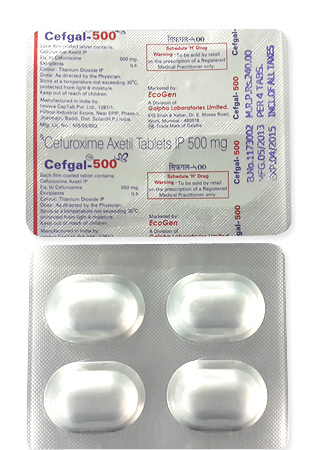
Cefuroxime
- In many pharmacies cefuroxime is available, but it is classified as prescription‑only (Rx) in nearly all markets; in some local pharmacies or regions it may sometimes be sold without a receipt, though it should be used only under medical supervision.
- Cefuroxime is a second‑generation cephalosporin antibiotic used to treat respiratory tract infections, otitis media, skin and soft tissue infections, early Lyme disease, uncomplicated gonorrhoea and other bacterial infections; it works by inhibiting bacterial cell‑wall synthesis through binding to penicillin‑binding proteins.
- Usual dosage: adults oral 250–500 mg twice daily for common infections (500 mg twice daily for Lyme disease); IV for severe infections 750 mg–1.5 g every 8 hours; single IM 1.5 g for uncomplicated gonorrhoea; paediatric dosing typically 10–15 mg/kg twice daily (adjust for renal function).
- Forms and administration: film‑coated tablets (125/250/500 mg) and oral suspension (125 mg/5 ml, 250 mg/5 ml) for oral use; powder for injection for IV/IM use (750 mg, 1.5 g); intracameral eye injection for ophthalmic use.
- Onset time: oral cefuroxime axetil reaches peak plasma concentrations in about 1–2 hours; clinical symptom improvement is commonly noticed within 24–72 hours when the organism is susceptible.
- Duration of action: the serum half‑life is approximately 1–2 hours in adults; therapeutic coverage depends on dosing schedule (oral dosing is commonly twice daily; IV dosing is often every 8 hours for severe infections).
- Alcohol warning: avoid alcohol while taking cefuroxime; although severe interactions are uncommon, alcohol may worsen side effects and impede recovery.
- The most common side effects are gastrointestinal—diarrhoea, nausea and abdominal pain; other frequent effects include rash and headache.
- Would you like to try “cefuroxime” without a prescription?
Cefuroxime
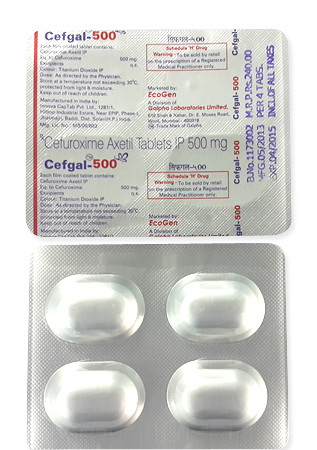
Basic Cefuroxime Information
- INN (International Nonproprietary Name): Cefuroxime.
- Brand Names Available In United Kingdom: Zinnat; Zinacef; generics under various regional brands.
- ATC Code: J01DC02 (Second‑generation cephalosporin antibacterial); S01AA27 for ophthalmic use.
- Forms & Dosages: Tablets 125 mg, 250 mg, 500 mg; oral suspension 125 mg/5 ml and 250 mg/5 ml granules for reconstitution; powder for injection vials 750 mg and 1.5 g; intracameral eye injection 1 mg/0.1 ml.
- Manufacturers In United Kingdom: GlaxoSmithKline (Zinnat, Zinacef) and various global manufacturers such as Apotex and Auro Pharma listed in supplier registries.
- Registration Status In United Kingdom: Not specified.
- OTC / Rx Classification: Prescription‑only (Rx) in nearly all markets.
Initial Instructions And Warnings For UK Patients
Are you worried about taking antibiotics safely at home?
Follow your NHS prescription and pharmacist advice and do not share antibiotics with anyone else.
If prescribed cefuroxime, take the full course even if you feel better.
Note whether you have oral cefuroxime axetil (tablets or suspension) or IV/IM cefuroxime sodium.
Store tablets at 15–25°C in a dry place.
Reconstituted suspension must be refrigerated and discarded after 10 days.
If you have a history of immediate allergic reactions to penicillins or cephalosporins tell the prescriber before treatment.
The MHRA flags cross‑reactivity risk for patients with severe penicillin anaphylaxis.
For a missed dose take it as soon as you remember unless it is close to the next dose and do not double up.
For overdose or severe reactions such as difficulty breathing, sudden rash or collapse call 999 or NHS 111 immediately.
At‑Home Safety Checklist:
- Confirm the exact product name (cefuroxime axetil for oral; cefuroxime sodium for injection).
- Keep a copy of the NHS prescription or electronic repeat and the patient information leaflet.
- Store tablets at room temperature and reconstituted suspension in the fridge; mark the discard date.
- Do not share or reuse leftover medicine; return unused prescription to your pharmacy for safe disposal.
- Tell your prescriber about any severe penicillin allergy or previous anaphylaxis before accepting cefuroxime.
Everyday Use & Best Practices
Morning Vs Evening Dosing
Wondering whether to take your cefuroxime in the morning or evening?
Cefuroxime oral regimens are most commonly prescribed as 250 mg or 500 mg twice daily to keep steady blood levels.
Take doses roughly 12 hours apart to maintain consistent antibiotic coverage.
A practical plan is one dose with breakfast and one with the evening meal to help memory and reduce stomach upset.
Setting phone reminders or using a weekly pill box helps prevent missed doses.
Taking With Or Without Meals (UK Diet Habits)
Do meals affect how well cefuroxime works?
For cefuroxime axetil oral tablets and suspension, taking the dose with food increases absorption.
Avoid taking oral cefuroxime on an empty stomach when possible, especially if prone to nausea.
Antacids containing aluminium or magnesium can reduce absorption so leave about two hours between antacid and the dose.
For reconstituted suspension follow the leaflet directions and shake before use.
- Typical dosing reminders: take one dose with breakfast and one with the evening meal.
- Keep doses about 12 hours apart where prescribed twice daily.
- Reconstitute suspension per leaflet, refrigerate, shake before each dose and discard after ten days.
- Carry an NHS repeat prescription or arrange an electronic repeat to avoid gaps.
Checklist To Track Doses:
- Tick your diary or phone each dose when taken.
- Keep medicine in its original container with the label intact.
- Ask your community pharmacy (Boots, LloydsPharmacy or Superdrug) to set up reminders for repeats if you need ongoing treatment.
Safety Priorities
Who Should Avoid It (MHRA Warnings)
Who must not take cefuroxime?
Do not use cefuroxime if you have a known allergy to cefuroxime or other cephalosporins.
Tell your prescriber if you have a history of immediate‑type beta‑lactam anaphylaxis to penicillins because cross‑reactivity is possible.
Use caution and discuss with the prescriber if you have severe renal impairment, a history of Clostridioides difficile infection, or severe hepatic disease.
Pregnancy and breastfeeding should be discussed with the prescriber and used only if clearly indicated.
Activities To Limit (Driving, Work Safety)
Can cefuroxime affect driving or work?
Cefuroxime can cause dizziness or headache in some people, so avoid driving or hazardous work until you know how it affects you.
Alcohol can increase drowsiness and worsen side effects and is best avoided while you are unwell and taking antibiotics.
Report suspected adverse reactions to the MHRA Yellow Card scheme and ask your pharmacist for help with reporting.
| Contraindication | Action |
|---|---|
| Known allergy to cefuroxime or cephalosporins | Do not take; contact prescriber immediately. |
| History of severe penicillin anaphylaxis | Inform prescriber; avoid unless specialist advises otherwise. |
| Severe renal impairment | Dose adjustment or alternative required; seek medical review. |
| History of C. difficile colitis | Use with caution and review urgently if severe diarrhoea develops. |
Immediate Actions Checklist If You Suspect Severe Reaction:
- Stop the medicine immediately.
- Call 999 for emergency help if you have breathing difficulty, swelling or collapse.
- For non‑emergency concerns contact NHS 111 or your GP.
Dosage & Adjustments
General Regimen (NHS Guidance)
What doses do prescribers commonly use?
Uncomplicated tonsillitis, pharyngitis and sinusitis are commonly treated with 250 mg orally twice daily for 5–10 days.
Otitis media and lower respiratory tract infections are usually 250–500 mg orally twice daily for 7–10 days.
Early Lyme disease commonly uses 500 mg orally twice daily for 14–21 days.
Severe infections in hospital may require IV cefuroxime sodium at 750 mg–1.5 g every eight hours.
Pediatric dosing is weight‑based, typically 10–15 mg/kg twice daily per the product leaflet.
Special Cases (Elderly, Comorbidities)
How are doses adjusted for special situations?
Elderly patients usually need no dose change for age alone unless renal impairment is present.
With significant renal impairment dose reduction is required and severe impairment (CrCl <30 ml/min) often requires halving the dose or extending the interval.
For meningitis or severe systemic infections paediatric doses are higher and IV regimens are adjusted per specialist guidance.
For uncomplicated gonorrhoea a single 1.5 g IM dose is a documented regimen; ensure STI follow‑up.
| Condition | Typical Adult Dose |
|---|---|
| Tonsillitis, Sinusitis | 250 mg PO twice daily for 5–10 days |
| Otitis Media, Lower RTI | 250–500 mg PO twice daily for 7–10 days |
| Early Lyme Disease | 500 mg PO twice daily for 14–21 days |
| Severe Infection (IV) | 750 mg–1.5 g IV every 8 hours |
Renal Adjustment Calculator Tip: halve dose or extend interval when CrCl is under 30 ml/min and seek specialist advice for complex cases.
User Testimonials
Positive Reports From UK Patients
Do patients find cefuroxime helpful?
Many UK patients report symptom relief within 48–72 hours for throat and ear infections when treated with Zinnat or generic cefuroxime.
Patients praise the twice‑daily schedule as easy to follow and helpful for adherence.
Hospital patients say oral cefuroxime is a convenient step‑down after IV Zinacef treatment.
Common Challenges (Patient.info, NHS Forums)
What problems do people commonly report online?
Common adverse experiences include gastrointestinal upset such as diarrhoea and nausea, and occasional rash.
Forums often show confusion about reconstituted suspension storage and how long it lasts in the fridge.
Missed‑dose anxiety and questions about returning to work or school are frequent and pharmacists at Boots and LloydsPharmacy are regularly praised for clear counselling.
| Experience | What To Do |
|---|---|
| Rapid symptom improvement | Continue full course as prescribed. |
| Diarrhoea or nausea | Stay hydrated; seek GP if severe or bloody diarrhoea develops. |
| Missed dose worry | Take as soon as remembered unless near next dose; do not double. |
Top Patient Tips:
- Finish the full course even if feeling better after 48–72 hours.
- Keep reconstituted suspension refrigerated and discard after ten days.
- Talk to your local pharmacist for clear dosing and storage instructions.
Buying Guide
Pharmacy Sources (Boots, LloydsPharmacy, Superdrug)
Where can you collect cefuroxime in the UK?
Cefuroxime is prescription‑only and can be collected from community pharmacies such as Boots, LloydsPharmacy, Superdrug and independent chemists.
Hospital pharmacies supply IV formulations used in trust protocols.
Registered online pharmacies can receive NHS electronic prescriptions; always use MHRA‑approved suppliers.
Price Comparison (NHS Prescription Charge Vs Private)
How much will it cost?
In England a standard NHS prescription charge applies per item; check the current NHS rate before collection.
Prescriptions are free for residents of Scotland, Wales and Northern Ireland.
Private prescription prices vary and branded Zinnat is typically more expensive than generics.
Checklist For Verifying Online Suppliers:
- Confirm the website is a registered UK pharmacy with a physical address.
- Check that products are labelled cefuroxime axetil for oral preparations or cefuroxime sodium for injections.
- Use NHS electronic prescription services where possible to avoid falsified medicines.
Purchase Note: In our online pharmacy, cefuroxime is available without a prescription, with discreet delivery to United Kingdom in 5‑14 days.
What’s Inside & How It Works
Ingredients Overview
What formulations exist and what do they contain?
Oral cefuroxime is usually presented as cefuroxime axetil, a prodrug in film‑coated tablets of 125 mg, 250 mg and 500 mg and as granules for suspension at 125 mg/5 ml and 250 mg/5 ml.
IV/IM preparations are cefuroxime sodium supplied as 750 mg and 1.5 g vials and an intracameral eye injection is 1 mg/0.1 ml.
Excipients differ by brand; check the product leaflet for allergens such as lactose.
Mechanism Basics Explained Simply
How does cefuroxime kill bacteria?
Cefuroxime is a second‑generation cephalosporin that inhibits bacterial cell wall synthesis.
The drug has broad activity against many Gram‑positive and Gram‑negative bacteria and is relatively stable to some beta‑lactamases.
Interactions To Note:
- Probenecid can raise cefuroxime blood levels.
- Antacids may reduce oral absorption if taken at the same time.
Main Indications
Approved Uses (MHRA Listing)
What infections is cefuroxime licensed to treat?
Licensed indications include respiratory tract infections such as tonsillitis, sinusitis, otitis media and pneumonia, skin and soft tissue infections, and early Lyme disease.
Perioperative prophylaxis and ophthalmic use (intracameral) are established indications for specific formulations.
Uncomplicated gonorrhoea has documented single‑dose IM regimens with cefuroxime sodium.
Off‑Label Uses In UK Clinics
When do clinicians use it outside the licence wording?
Cefuroxime is often used as a step‑down oral therapy after IV cefuroxime in hospital once cultures show susceptibility.
Selected urinary tract infections may be treated if culture and sensitivity results support use.
Patients should expect prescribers to switch therapy if cultures suggest resistance and to follow local antimicrobial stewardship policies.
| Condition | Typical Adult Dose |
|---|---|
| Tonsillitis/Pharyngitis | 250 mg PO twice daily for 5–10 days |
| Otitis Media | 250–500 mg PO twice daily for 7–10 days |
| Early Lyme Disease | 500 mg PO twice daily for 14–21 days |
Seek review if there is no improvement at 48–72 hours, worsening symptoms or severe adverse effects.
Interaction Warnings
Food Interactions (Alcohol, Tea/Coffee)
What should I avoid eating or drinking when taking cefuroxime?
Food actually improves absorption of oral cefuroxime axetil so take doses with meals.
Avoid taking antacids containing aluminium or magnesium at the same time; separate by about two hours.
Alcohol does not commonly cause a disulfiram‑like reaction with cefuroxime, but it can worsen dizziness and gastrointestinal side effects so it is sensible to avoid alcohol while taking the antibiotic.
Drug Conflicts (MHRA Yellow Card Reports)
Which medicines interact with cefuroxime?
Probenecid increases cefuroxime levels and may require clinician review if you are taking uricosuric therapy.
Antacids and other gastric pH modifiers can reduce absorption of the oral prodrug.
Report any unexpected skin reactions or interactions via the MHRA Yellow Card and ask your pharmacist for assistance.
| Do | Don’t |
|---|---|
| Take oral doses with food. | Take antacids at the same time as your dose. |
| Tell your prescriber about probenecid use. | Ignore new rashes or severe diarrhoea without reporting them. |
Latest Evidence & Insights
Key UK & EU Studies 2022–2025
What does recent research say about cefuroxime?
Recent UK and EU literature confirms cefuroxime remains a useful second‑generation cephalosporin for many community respiratory infections and selected perioperative prophylaxis roles.
Antimicrobial stewardship studies through 2022–2025 stress targeted use to limit resistance and recommend using local antibiograms to guide therapy.
Comparative analyses show oral cefuroxime axetil retains activity against common otitis pathogens in many regions but resistance patterns vary by locality.
Practical Takeaways For Patients
What should patients expect in practice?
Prescribers will choose cefuroxime when the likely bacteria are susceptible and will switch therapy if culture results indicate resistance.
Follow‑up is important if symptoms do not improve at 48–72 hours so that treatment can be reviewed.
One‑Line Patient Summary: Take the full course, expect improvement within 48–72 hours for bacterial infections, and seek review if not better.
Alternative Choices
NHS Prescribing Alternatives With Pros/Cons Checklist
What other antibiotics might be prescribed instead?
Common alternatives include amoxicillin, amoxicillin‑clavulanate, cefaclor and cefixime depending on the suspected organism and local guidelines.
Amoxicillin is often first‑line for many respiratory infections and tends to be cheaper.
Amoxicillin‑clavulanate is broader but carries higher risk of diarrhoea.
Cefixime, a third‑generation cephalosporin, can be preferred for some gonorrhoea cases.
| Alternative | Pros | Cons |
|---|---|---|
| Amoxicillin | Good streptococcal coverage; inexpensive. | Less Gram‑negative activity. |
| Amoxicillin‑Clavulanate | Broader spectrum including beta‑lactamase producers. | More gastrointestinal side effects. |
| Cefixime | Useful for certain gonorrhoea strains. | Less activity against some streptococci. |
When To Ask For A Review Or Switch
When should you see the prescriber again?
Ask for a review if you develop severe diarrhoea, a widespread rash, persistent fever, or no clinical improvement within 48–72 hours.
Prescribers will consider culture results and local resistance patterns when deciding whether to switch therapy.
Regulation Snapshot
MHRA Approval & NHS Prescribing Framework
How is cefuroxime regulated in the UK?
Cefuroxime is a prescription‑only medicine and MHRA‑licensed formulations include oral cefuroxime axetil and injectable cefuroxime sodium.
Prescribers follow MHRA product information and local antimicrobial guidelines when prescribing.
Prescription, Supply And Reporting In The UK
How do prescriptions and reporting work?
GPs or urgent care clinics issue prescriptions and community pharmacies dispense cefuroxime with pharmacist counselling.
Report adverse events via the MHRA Yellow Card scheme and ask your pharmacy for help with reporting if needed.
For online purchases use NHS‑approved electronic prescription services or registered pharmacies to reduce the risk of falsified medicines.
Prescribing Flowchart:
- Clinical assessment and decision to prescribe.
- Prescription issued by GP, urgent care or hospital team.
- Dispensing and counselling by a registered pharmacy.
- Report suspected adverse reactions via Yellow Card.
FAQ Section
Will Cefuroxime Treat My Sore Throat?
Only if the sore throat is bacterial and your prescriber suspects a susceptible organism.
The usual NHS dose for bacterial sore throat is 250 mg orally twice daily for 5–10 days.
Viral sore throats do not respond to antibiotics.
Can I Drink Alcohol Or Drive On Cefuroxime?
Avoid alcohol while unwell because it can worsen side effects such as dizziness and nausea.
Do not drive or operate heavy machinery if you feel dizzy or drowsy after taking cefuroxime.
What If I Miss A Dose?
Take the missed dose as soon as you remember unless it is close to the next scheduled dose.
Do not take a double dose to make up for a missed one.
Are There Common Side Effects?
Common side effects include diarrhoea, nausea, abdominal pain, vomiting, rash and headache.
Seek urgent help for signs of an allergic reaction such as swelling, difficulty breathing or collapse.
Guidelines For Proper Use
UK Pharmacist Counselling Style
What should you expect when the pharmacist dispenses cefuroxime?
Pharmacists will confirm allergy history and explain the dosing schedule, food guidance and storage instructions.
They will advise on missed doses, interactions with antacids and probenecid, and when to seek GP/111/999.
Expect written information with your dispensed medicine and an opportunity to ask questions.
NHS Patient Support Advice
Where can you get extra help from the NHS?
Use NHS 111 online for triage and contact your GP if symptoms persist at 48–72 hours.
Ask your GP practice about electronic repeat prescriptions only where clinically appropriate to avoid self‑refill.
Pharmacist Checklist For Patients:
- Confirm exact product and dose when collecting.
- Store tablets at 15–25°C and keep suspension refrigerated for up to ten days after reconstitution.
- Finish the full prescribed course even if symptoms improve early.
Printable Patient Leaflet: request one from your pharmacy if you prefer a hard copy summary of dos and don’ts.
Delivery Across United Kingdom
| City | Region | Delivery time |
|---|---|---|
| London | England | 5–7 days |
| Birmingham | England | 5–7 days |
| Manchester | England | 5–7 days |
| Glasgow | Scotland | 5–7 days |
| Leeds | England | 5–7 days |
| Liverpool | England | 5–7 days |
| Bristol | England | 5–7 days |
| Newcastle Upon Tyne | England | 5–9 days |
| Sheffield | England | 5–9 days |
| Edinburgh | Scotland | 5–7 days |
| Belfast | Northern Ireland | 5–9 days |
| Cardiff | Wales | 5–9 days |
| Coventry | England | 5–9 days |
| Leicester | England | 5–9 days |
Final Notes
Cefuroxime is a well‑established second‑generation cephalosporin with oral and injectable formulations used across the UK for a range of bacterial infections.
Always follow NHS and prescriber instructions, finish the full course and seek review if you do not improve within 48–72 hours.
If you experience severe side effects or suspected allergic reaction call 999 or contact NHS 111 immediately.
For non‑urgent questions your community pharmacist can help with dosing, storage and reporting to the MHRA Yellow Card scheme.