
Antibacterial
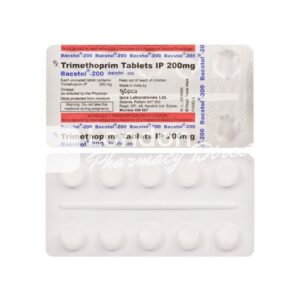
Bactrim
from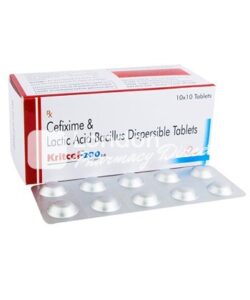
Cefixime
from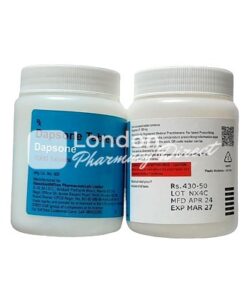
Dapsone
from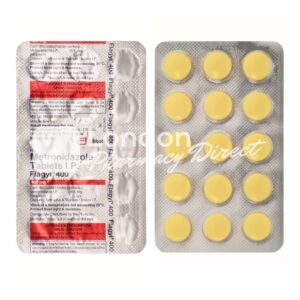
Flagyl
from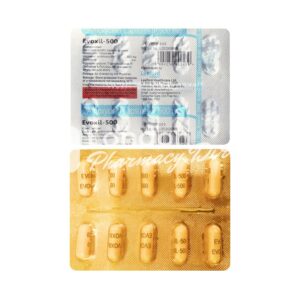
Levofloxacin
from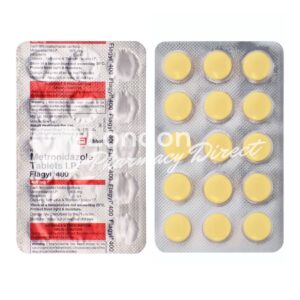
Metronidazole
from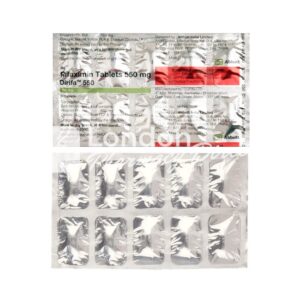
Rifaximin
from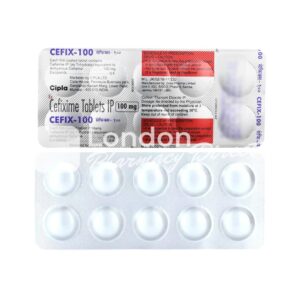
Suprax
from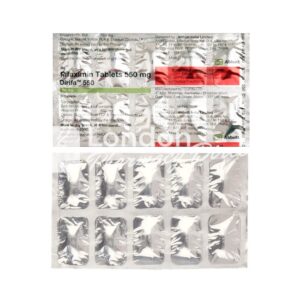
Xifaxanta
fromUnderstanding Antibacterial Products
Antibacterial products are specially formulated treatments designed to kill or inhibit the growth of harmful bacteria on the skin and in the body. These products play a crucial role in preventing infections and maintaining good hygiene standards in both domestic and clinical settings. Antibacterial agents work by disrupting bacterial cell walls, interfering with protein synthesis, or damaging bacterial DNA, making them unable to survive or reproduce.
The importance of antibacterial products has grown significantly in recent years, particularly following increased awareness of bacterial infections and cross-contamination risks. In the United Kingdom, antibacterial products are widely available and recommended by healthcare professionals for various applications, from minor wound care to serious infections. Understanding how these products work and when to use them is essential for effective treatment and prevention of bacterial-related illnesses.
Topical Antibacterial Treatments
Topical antibacterial products are applied directly to the skin’s surface and are among the most commonly used antibacterial treatments available in UK pharmacies. These preparations come in various forms including creams, ointments, gels, and solutions, each designed for specific skin conditions and infection types.
Popular topical antibacterials in the UK market include:
- Mupirocin is a widely prescribed antibiotic ointment used for treating bacterial skin infections, particularly impetigo and infected wounds
- Neomycin-based products combine multiple antibacterial agents and are effective against a broad spectrum of bacteria
- Chlorhexidine solutions are frequently used for wound cleansing and as antiseptic preparations before medical procedures
- Silver sulfadiazine cream remains popular for burn treatment and prevention of infection in damaged skin
- Fusidic acid is commonly prescribed for staphylococcal infections and is often combined with other treatments for enhanced effectiveness
These topical treatments are typically available without prescription in various strengths and are suitable for minor infections, wound care, and skin abrasions. Healthcare professionals recommend applying these products directly to clean, affected areas and following specific application instructions for optimal results.
Oral Antibacterial Medications
Oral antibacterial medications, commonly known as antibiotics, are taken by mouth to treat systemic bacterial infections throughout the body. These medications are prescribed by healthcare professionals when topical treatments are insufficient or when internal infections require treatment.
Common oral antibacterials available in UK pharmacies include:
- Amoxicillin is a penicillin-based antibiotic widely prescribed for various bacterial infections including ear infections, urinary tract infections, and respiratory tract infections
- Cephalexin belongs to the cephalosporin class and is used when patients cannot tolerate penicillin-based antibiotics
- Erythromycin is a macrolide antibiotic often prescribed as an alternative for patients with penicillin allergies
- Trimethoprim is frequently used for urinary tract infections and can be obtained with a prescription
- Flucloxacillin is particularly effective against staphylococcal infections and is commonly prescribed for skin and soft tissue infections
Oral antibacterials must be prescribed by a registered healthcare professional and should only be used as directed. It is essential to complete the full course of treatment even if symptoms improve, as stopping prematurely can lead to antibiotic resistance and recurrent infections.
Antibacterial Wound Care Products
Specialised antibacterial wound care products are specifically formulated to prevent infection whilst promoting healing of cuts, scrapes, and more serious wounds. These products are essential in both domestic first aid and professional healthcare settings across the United Kingdom.
Key antibacterial wound care options include:
- Antibiotic wound dressings contain incorporated antibacterial agents that are gradually released onto the wound surface, maintaining protection for extended periods
- Honey-based products such as Manuka honey dressings have gained popularity due to their natural antibacterial properties and wound healing benefits
- Iodine solutions and iodine-impregnated dressings provide broad-spectrum antibacterial coverage and are particularly useful for contaminated or heavily colonised wounds
- Antimicrobial barrier films create a protective shield whilst preventing bacterial proliferation
- Silver-impregnated dressings release silver ions that effectively eliminate bacteria without damaging healthy tissue
When selecting wound care products, consider the wound type, size, and infection risk level. For minor wounds, simple antiseptic cleansing followed by standard plasters may suffice. For larger wounds or those at higher infection risk, more advanced antibacterial dressings are recommended and should be applied by healthcare professionals.
Antibacterial Personal Hygiene Products
Antibacterial personal hygiene products are formulated to reduce harmful bacteria on skin and surfaces, helping prevent the spread of infections in everyday situations. These products range from handwashes to body cleansers and are available throughout UK pharmacies and retail outlets.
Popular antibacterial hygiene products include:
- Triclosan-based handwashes have been traditionally popular, though recent regulations have limited their use in certain products
- Chlorhexidine-containing soaps provide effective antibacterial action whilst being gentle on skin
- Tea tree oil-based products offer natural antibacterial properties combined with pleasant fragrance
- Alcohol-based hand sanitisers are particularly effective and convenient for situations where handwashing facilities are unavailable
- Antibacterial body washes containing various antimicrobial agents help maintain skin hygiene and reduce bacterial colonisation
Regular use of antibacterial hygiene products is recommended, particularly after using the toilet, before preparing food, and after contact with potentially contaminated surfaces. However, thorough mechanical cleaning with regular soap and water remains the most effective hygiene practice, with antibacterial products providing additional protection.
When to Use Antibacterial Products and Professional Advice
Knowing when to use antibacterial products and understanding their limitations is crucial for their effective use and preventing antimicrobial resistance. Inappropriate use of these products can lead to resistance development, making infections harder to treat in the future.
Use antibacterial products when:
- You have visible signs of bacterial infection such as pus, increasing redness, or warmth around wounds
- Your healthcare professional has specifically recommended them for your condition
- You are at higher risk of infection due to immunocompromise or medical conditions
- You require preventative treatment before medical procedures or surgery
- You have sustained cuts, scrapes, or abrasions that require protection
Do not use antibacterial products for:
- Viral infections such as colds or influenza, where they will be ineffective
- Minor scratches or wounds that show no signs of infection
- Routine hygiene purposes when regular soap suffices
- Prolonged periods without professional guidance or review
Always consult with UK pharmacists or healthcare professionals before using antibacterial products, particularly if you have allergies, are pregnant, breastfeeding, or taking other medications. Proper guidance ensures safe, effective treatment and helps combat growing antimicrobial resistance concerns.