Zentel
In brief
- In our pharmacy, you can buy Zentel without a prescription, with discreet delivery throughout the United Kingdom.
- Zentel contains albendazole and is used to treat parasitic worm infections such as neurocysticercosis, hydatid disease, and other helminth infections. It works by inhibiting parasite microtubule formation and blocking glucose uptake, which leads to the death of the worm.
- The usual dose depends on the infection: for common worm infections, 400 mg as a single dose is often used; for hydatid disease, 400 mg twice daily; and for neurocysticercosis, 15 mg/kg/day in two divided doses, up to 800 mg/day.
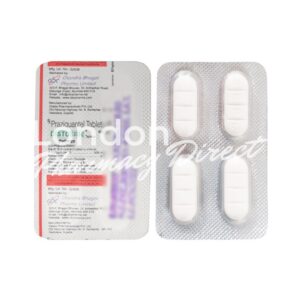
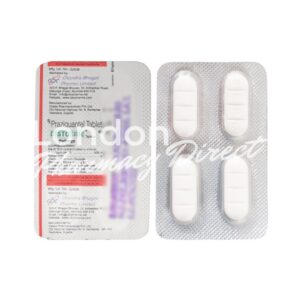
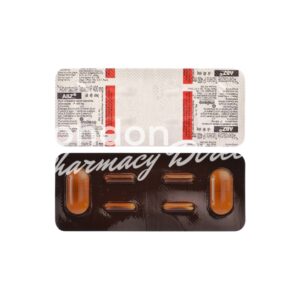
- Zentel is available as 200 mg tablets and an oral suspension (400 mg/10 mL), which is often used for children.
- It usually starts working within a few hours, but the full effect may take a few days depending on the type of parasite and the treatment course.
- The duration of action varies by indication: a single dose may be enough for some infections, whilst others require 1–3 days or longer courses such as 8–30 days, or repeated 28-day cycles for hydatid disease.
- Alcohol is best avoided during treatment, as it may increase the risk of stomach upset and put extra strain on the liver.
- The most common side effects are nausea, abdominal pain, vomiting, dizziness, headache, and raised liver enzymes.
- Would you like to try Zentel without a prescription?
Basic Zentel information
- INN (international nonproprietary name): Albendazole
- Brand names available in the United Kingdom: Zentel
- ATC code: P02CA03
- Forms and dosages: 200 mg tablets, oral suspension 400 mg/10 mL
- Manufacturers in the United Kingdom: GlaxoSmithKline (Zentel brand)
- Registration status in the United Kingdom: Prescription-only medicine (POM)
- OTC / Rx classification: Prescription-only medicine (POM)
Everyday use and best practices
Taking Zentel can feel straightforward, but people still want to know the right time, whether food matters, and what to do if a dose is vomited back up.
In the UK, albendazole is prescription-only, so it should be taken exactly as advised by your GP, out-of-hours service, or pharmacist.
Morning vs evening dosing
For most infections, timing is less important than taking albendazole consistently at the prescribed interval.
Some courses are once daily, while others are twice daily, depending on the diagnosis and the regimen chosen.
That matters especially for hydatid disease or neurocysticercosis, where missed timing can reduce effectiveness and make the course harder to manage safely.
Taking with or without meals
Albendazole tablets are often easier to absorb when taken with food, and a fatty meal may improve absorption.
That is practical in a UK routine, whether it is breakfast with eggs or yoghurt, or dinner alongside a normal meal.
Tablets can be swallowed with water, while albendazole suspension may suit children or anyone who struggles with tablets.
- Check the prescription and confirm the dose.
- Take it at the time advised.
- Take it with food if directed, especially if your clinician wants better absorption.
- Complete the full duration of the course.
- If you vomit soon after a dose, contact a pharmacist or prescriber for advice before repeating it.
As a rule used in NHS-style counselling, keep the medicine in its original packaging and use a pharmacy if anything is unclear.
Safety priorities
Zentel is helpful for certain worm infections, but it is not suitable for everyone.
The key MHRA warnings are clear: avoid it in the first trimester of pregnancy, in people with a known allergy to albendazole, and in severe active liver disease.
Who should avoid it
Extra caution is needed if there is pre-existing liver disease, low blood counts, retinal lesions, or a need for prolonged treatment.
In the UK, a prescriber or pharmacist may ask about pregnancy plans, breastfeeding, and other medicines before issuing an NHS or private prescription.
Activities to limit
Dizziness, headache, or feeling generally unwell can affect driving, operating machinery, or safety-critical work.
If albendazole makes you light-headed, avoid driving until you feel well again.
- Severe rash.
- Yellowing of the skin or eyes.
- Unusual bruising or bleeding.
- Persistent vomiting.
- Neurological symptoms such as severe headache, confusion, or fits.
Anyone with serious symptoms should contact NHS 111, their GP, or urgent services depending on how unwell they are.
Dosage and adjustments
The dose of albendazole depends on the infection, so there is no single universal NHS dose for every patient.
That is why diagnosis matters before treatment is started.
General regimen
For other helminth infections, treatment is often 400 mg once or a short 1 to 3 day course.
For neurocysticercosis, the usual regimen is 15 mg/kg/day in two divided doses, with a maximum of 800 mg/day, for around 8 to 30 days.
For cystic hydatid disease, the usual adult dose is 400 mg twice daily, or 15 mg/kg/day, often in repeated 28-day cycles with 14-day breaks.
Special cases
Children are usually dosed by body weight, and children under 2 years should only use it with specialist advice.
Elderly patients usually do not need a routine dose adjustment, although monitoring may be sensible.
In liver impairment, caution and liver function monitoring are important because the medicine is metabolised in the liver.
| Condition | Typical adult dose | Typical duration |
|---|---|---|
| Neurocysticercosis | 15 mg/kg/day in 2 divided doses, max 800 mg/day | 8-30 days |
| Cystic hydatid disease | 400 mg twice daily or 15 mg/kg/day | 28-day cycles with 14-day breaks |
| Other helminth infections | Typically 400 mg once | 1-3 days |
Legal status and availability in the UK
Zentel (albendazole) is a prescription-only medicine (POM) in the UK.
In our online pharmacy, Zentel is available without a prescription, with discreet delivery to the United Kingdom in 9–21 days.
What is inside and how it works
Albendazole is the active ingredient in Zentel, and that is the name you will usually see on the box or leaflet.
Albendazole is also available in the UK under the brand name Eskazole or as a generic, but the medicine itself is the same active ingredient.
Ingredients overview
In the UK, Zentel is commonly supplied as 200 mg tablets or as oral suspension 400 mg/10 mL, which is often useful in children.
Mechanism basics
Albendazole is an anthelmintic, meaning it helps stop worms from surviving in the body.
It interferes with parasite function so the infection can be cleared over time.
- The medicine enters the body.
- The parasite is affected.
- The infection is gradually cleared.
It is not an antibiotic, so it does not treat colds, flu, or ordinary stomach upset.
Main indications
Zentel is used for parasitic worm infections, not for general gut symptoms.
Its approved uses include neurocysticercosis, hydatid disease, and other helminth infections under clinical supervision.
Approved uses
In UK practice, it is prescription-only and should be used when a clinician has identified the parasite or decided that treatment is appropriate.
Off-label uses in UK clinics
Off-label prescribing can happen only when a qualified prescriber believes it is clinically justified.
Choices vary depending on parasite type, test results, and local guidance.
| Condition | Typical use | Notes |
|---|---|---|
| Neurocysticercosis | Approved use | Usually specialist-led treatment |
| Hydatid disease | Approved use | Often repeated cycles |
| Other worm infections | Approved use | Duration depends on the diagnosis |
| Selected clinic-specific cases | Off-label use may be considered | Alternative medicines may also be chosen |
Interaction warnings
There is no major food conflict, but taking albendazole with food may help absorption and comfort.
Tea and coffee are not known to be major interactions, although most patients prefer to take the medicine with a normal meal.
Food interactions
Alcohol is not listed here as a direct interaction, but it is sensible to avoid excess alcohol because of liver stress.
Drug conflicts
Always tell the GP or pharmacist about every medicine you take, including over-the-counter products and herbal remedies.
That is especially important if you already use medicines that can affect the liver or if you are taking other antiparasitics.
- Current medicines.
- Pregnancy status.
- Liver disease.
- Other antiparasitic medicines.
- Any symptoms after starting treatment.
If any unexpected reaction occurs, it may need reporting through the MHRA Yellow Card scheme.
Alternative choices
Albendazole is useful, but one worm medicine does not fit every infection.
Depending on the parasite, a prescriber may choose a different treatment for better fit, age, pregnancy, or liver risk.
NHS prescribing alternatives
- Mebendazole: often used for common worm infections and may be simpler for some patients.
- Ivermectin: used for certain parasitic diseases.
- Praziquantel: used for some tapeworm infections.
In practice, a GP or pharmacist may switch away from Zentel if another option is more appropriate for the infection.
Regulation snapshot
Zentel and albendazole are prescription-only in the UK and supplied within an MHRA-regulated framework.
Brand availability can vary, and some patients may receive a generic albendazole product rather than branded Zentel.
MHRA approval and NHS prescribing
NHS prescribing depends on the diagnosis and local formularies, so the exact product may differ by pharmacy.
If a pharmacy cannot supply the brand, ask whether an equivalent albendazole product is available.
| Product | Prescription status | Where supplied |
|---|---|---|
| Zentel | Prescription-only | UK pharmacies |
| Generic albendazole | Prescription-only | Pharmacies and NHS suppliers |
Frequently asked questions
Can I get Zentel on the NHS?
Yes, if a prescriber considers it appropriate for the diagnosed infection.
Should I take albendazole with food?
Yes, taking it with food may improve absorption, and a fatty meal can help.
Is Zentel safe in pregnancy or breastfeeding?
First-trimester pregnancy is a key contraindication unless the prescriber says otherwise for a serious reason, and breastfeeding needs caution because albendazole is excreted in breast milk.
What if I miss a dose?
Take it as soon as you remember unless it is close to the next dose, and do not double up.
Guidelines for proper use
A good counselling conversation usually covers the exact dose, when to take it, whether food helps, which side effects to watch for, and when to seek help.
That is the same reassurance-led style many UK pharmacists use at the counter or over the phone.
UK pharmacist counselling style
Patients are usually told to complete the full course and to report liver-related symptoms promptly if they appear.
If treatment is prolonged, follow-up blood tests may be requested by the prescriber.
NHS patient support advice
Store albendazole at room temperature, keep it in the original container, and protect it from moisture and light.
If a dose is missed, take it as soon as possible unless close to the next dose.
If an overdose is suspected, seek immediate medical attention because there is no specific antidote and treatment is supportive.
- GP surgery.
- Community pharmacy.
- NHS 111.
- Urgent care if severe symptoms occur.
Delivery across the United Kingdom
| City | Region | Delivery time |
|---|---|---|
| London | Greater London | 9–21 days |
| Birmingham | West Midlands | 9–21 days |
| Manchester | North West England | 9–21 days |
| Glasgow | Scotland | 9–21 days |
| Edinburgh | Scotland | 9–21 days |
| Leeds | West Yorkshire | 9–21 days |
| Liverpool | North West England | 9–21 days |
| Bristol | South West England | 9–21 days |
| Cardiff | Wales | 9–21 days |
| Sheffield | South Yorkshire | 9–21 days |
| Newcastle upon Tyne | North East England | 9–21 days |
| Nottingham | East Midlands | 9–21 days |
| Leicester | East Midlands | 9–21 days |
| Coventry | West Midlands | 9–21 days |
| Aberdeen | Scotland | 9–21 days |