Albendazole
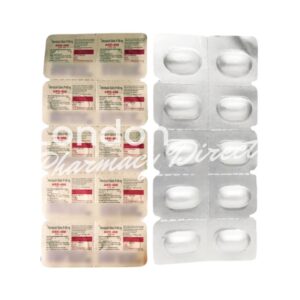
In brief
- Albendazole is a prescription-only medicine (POM) in the UK.
- Albendazole is an anthelmintic medicine used to treat parasitic worm infections such as ascariasis, enterobiasis, hookworm, trichuriasis, taeniasis, strongyloidiasis, and echinococcosis. It works by inhibiting microtubule formation in parasites, which prevents them from absorbing glucose and leads to their death.
- The usual dose depends on the infection: 400 mg as a single dose for many common intestinal worms; 400 mg once daily for 3 days for some infections; and 15 mg/kg/day in two divided doses for more serious tissue infections, up to a maximum of 800 mg daily.
- Albendazole is taken by mouth as a tablet, chewable tablet, or oral suspension.
- It usually starts working within a few hours, although improvement in symptoms or parasite clearance may take longer depending on the type of infection.
- The duration of action varies: a single dose may be enough for minor worm infections, while treatment may last 3 days or several weeks for more severe conditions such as neurocysticercosis or hydatid disease.
- Alcohol should be avoided or limited during treatment, as albendazole can affect the liver and alcohol may increase the risk of liver-related side effects.
- The most common side effects are nausea, abdominal pain, diarrhoea, headache, dizziness, and raised liver enzymes.
- Would you like to try albendazole without a prescription?
Basic albendazole information
- INN (international nonproprietary name): Albendazole
- Brand names available in the United Kingdom: Eskazole, Zentel
- ATC code: P02CA03
- Forms and dosages: Oral tablet 200 mg, 400 mg; chewable tablet 200 mg, 400 mg; oral suspension 100 mg/5 ml, 200 mg/5 ml, 400 mg/10 ml
- Manufacturers in the United Kingdom: GlaxoSmithKline (Zentel) and others
- Registration status in the United Kingdom: Prescription-only medicine (POM)
- OTC / Rx classification: Prescription-only medicine (POM)
Everyday use and best practices for UK patients
Morning vs evening dosing
Wondering whether to take albendazole before the school run or after work?
For most patients, the time of day can fit around normal routines, as long as the dose is taken exactly as prescribed.
A pharmacist or prescriber may advise taking albendazole with food, because that can help absorption in some regimens.
That makes it easier to link albendazole tablets to a regular mealtime, such as breakfast before the commute, lunch at work, or the evening meal after the children are in bed.
In UK life, sticking to a routine matters more than choosing a “perfect” clock time.
A single dose after breakfast can be easier to remember than something floating around in a busy day.
For a three-day worms treatment, pairing each dose with the same meal each day can improve adherence.
Taking with or without meals
Could a fatty meal make a difference?
For some regimens, food can improve absorption, so a practical UK approach is to take it with breakfast that includes eggs, at lunch, or with the evening meal.
If the label says a single dose, that is very different from a 3-day course, so always check the pack carefully before you start.
Albendazole is available as oral tablets, chewable tablets, and oral suspension, including Zentel suspension, with common strengths such as 200 mg and 400 mg.
- Set a phone alarm so the dose is not forgotten.
- Keep the pack in the same place each day.
- Read the label closely for single-dose or repeat-dose instructions.
- If the medicine is a suspension, shake it if the label says to do so.
Safety priorities and who should avoid albendazole
Who should avoid it
Is this medicine safe for everyone in the house?
No, and that is where careful counselling matters.
The main MHRA warnings are straightforward.
- Do not use in pregnancy, especially in the first trimester.
- Do not use with active liver disease or notable liver enzyme elevation.
- Do not use if there is a known allergy to albendazole or other benzimidazoles.
There are also relative cautions, including liver impairment, bone marrow suppression or cytopenias, breastfeeding, and eye involvement in cysticercosis.
Those situations need a clinician’s judgement rather than a guess based on internet advice.
Activities to limit
Dizziness and headache can happen, so patients should be cautious with driving, cycling, ladders, machinery, or safety-critical work until they know how they feel.
If a dose leaves someone feeling off balance, it is sensible to avoid a school run on a bike or a shift on equipment until symptoms settle.
Seek urgent help if yellowing of the skin or eyes appears, if there is severe abdominal pain, unusual bruising, fever, or neurological symptoms.
In the UK, the best route is to speak to a GP, pharmacist, or NHS 111 if anything is unclear, and side effects can be reported through the Yellow Card scheme.
Dosage and adjustments for different people
General regimen
Which dose is used depends on the parasite, not just the brand on the box.
Prescribing is usually done by a clinician, and some conditions need body weight to be taken into account.
| Condition | Typical dose | Duration |
|---|---|---|
| Ascariasis, trichuriasis, hookworm, enterobiasis | 400 mg single dose | Adults and children over 2 years; repeat in 2 to 3 weeks if needed |
| Strongyloidiasis, taeniasis | 400 mg once daily | 3 days |
| Hymenolepiasis | 400 mg once daily | 3 days, with repeat after 3 weeks if needed |
| Neurocysticercosis | 15 mg/kg/day, max 800 mg | 8 to 30 days, with corticosteroids and antiepileptics |
| Echinococcosis | 15 mg/kg/day, max 800 mg | 28-day courses, usually 3 cycles with 14-day intervals |
Special cases
Can children and older adults use the same approach?
Children over 2 years often use the same dose as adults, while safety and efficacy are not established under 2 years.
Elderly patients usually do not need a routine dose change, but liver function monitoring may be sensible.
Hepatic impairment needs caution, and active liver disease is a contraindication.
Renal impairment generally does not require adjustment, although data are limited in severe cases.
Legal status and availability in the UK
Albendazole is a prescription-only medicine (POM) in the UK.
In our online pharmacy, albendazole is available without a prescription, with discreet delivery to the United Kingdom in 9–21 days.
What albendazole is and how it works
Ingredients overview
Albendazole is the active ingredient, with ATC code P02CA03.
It belongs to the anthelmintic group and is a benzimidazole derivative.
Available dosage forms include oral tablets, chewable tablets, and oral suspension.
Mechanism basics explained simply
How does it get rid of worms?
It blocks the parasite’s ability to use glucose, which weakens the worm and eventually kills it over time.
That is why albendazole is used for intestinal and tissue parasites, not for ordinary stomach bugs.
Some infections need longer courses and closer medical monitoring, especially when tissue involvement is present.
- The parasite’s energy supply is disrupted.
- The worm becomes weaker and less able to survive.
- The body clears the infection with time and treatment.
Main uses of albendazole in UK practice
Approved uses
What infections is it usually used for?
Common worm infections include ascariasis, trichuriasis, hookworm, enterobiasis, taeniasis, strongyloidiasis, and hymenolepiasis.
Specialist use also includes neurocysticercosis and echinococcosis, which are treated under medical supervision.
Off-label uses in UK clinics
Off-label use may happen when a clinician judges it appropriate, for example in some protozoal infections or cutaneous larva migrans.
That should never be a self-diagnosis project, because the wrong worm medicine can delay proper treatment.
Veterinary products such as Valbazen exist for animals, but they must not be used for human treatment.
| Condition | Usual treatment length | Who prescribes |
|---|---|---|
| Common intestinal worms | Single dose or 3 days | GP |
| Neurocysticercosis | 8 to 30 days | Specialist clinician |
| Echinococcosis | Multiple cycles | Specialist clinician |
Interaction warnings: food, drink, and medicines
Food interactions
Does tea or coffee matter much?
Food tends to matter more than tea or coffee, because a meal can help absorption in some regimens.
Alcohol is best limited, especially if there is liver risk or the course is longer than a single dose.
Drug conflicts
Which medicines should be mentioned at the pharmacy?
- Liver-affecting medicines.
- Antiepileptics.
- Corticosteroids.
- Medicines that suppress blood counts.
- Herbal products and over-the-counter remedies.
Corticosteroids and antiepileptics may be used alongside albendazole in neurocysticercosis, so that combination is familiar in specialist care.
Always tell the pharmacist about every prescription, OTC product, and herbal supplement so that interactions can be reviewed.
Alternatives to albendazole on the NHS
NHS prescribing alternatives with pros and cons
What if another worm medicine is a better fit?
Mebendazole, praziquantel, and ivermectin are the main comparisons to think about.
| Medicine | Pros | Cons |
|---|---|---|
| Mebendazole | Useful for some simple worm infections | Not the best fit for every parasite |
| Praziquantel | Used for tapeworms and flukes | Different indication from albendazole |
| Ivermectin | Used for selected helminths | Not interchangeable with albendazole |
When another option may be preferred
Mebendazole may be preferred for simple intestinal worms in some settings.
Praziquantel is used when the infection is not suited to albendazole.
Self-switching between worm medicines is unsafe, because the parasite, pregnancy status, and liver health all affect the choice.
Regulation snapshot in the UK
MHRA approval and NHS prescribing framework
In the UK, albendazole follows prescriber guidance and medicines regulation, and it is a prescription-only medicine (POM).
The licensed brands in the UK are Zentel and Eskazole; the active ingredient is the key point.
Common questions about albendazole
Can I take albendazole with food?
Yes, food is often fine, and a meal may help absorption in some regimens.
Do I need a repeat dose?
Sometimes yes, especially for pinworms and certain courses, so always follow the label or prescriber’s advice.
Can I drive after taking it?
If dizziness or headache appears, avoid driving until you feel steady again.
What if I miss a dose or vomit soon after taking it?
Take a missed dose as soon as you remember unless it is nearly time for the next one, and do not double up.
If too much is taken, get medical help straight away.
How to use albendazole properly day to day
UK pharmacist counselling style
What helps most at home is simple, steady routine.
Take albendazole exactly as prescribed and complete the full course.
If worms are spreading through the household, ask whether family members also need treatment.
Good hygiene matters too, so washing hands, keeping nails short, and changing bedding if advised can reduce reinfection risk.
That is often just as important as the tablet itself when a child keeps getting pinworms back from school or nursery.
NHS patient support advice
If symptoms persist, the dose is unclear, or side effects become troublesome, speak to a community pharmacist, GP, or NHS 111.
Storage is straightforward: keep at room temperature, tightly closed, protected from light and moisture, and in the original packaging when travelling.
For a missed dose, do not double up.
For an overdose, seek immediate medical help.
Used sensibly, albendazole can be a practical and effective part of worms treatment in UK homes.
Delivery across the United Kingdom
| City | Region | Delivery time |
|---|---|---|
| London | England | 9–21 days |
| Birmingham | England | 9–21 days |
| Manchester | England | 9–21 days |
| Leeds | England | 9–21 days |
| Glasgow | Scotland | 9–21 days |
| Edinburgh | Scotland | 9–21 days |
| Cardiff | Wales | 9–21 days |
| Belfast | Northern Ireland | 9–21 days |
| Liverpool | England | 9–21 days |
| Sheffield | England | 9–21 days |
| Bristol | England | 9–21 days |
| Newcastle upon Tyne | England | 9–21 days |
| Nottingham | England | 9–21 days |
| Leicester | England | 9–21 days |