Mebendazole
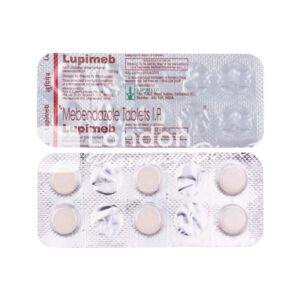
In brief
- In some pharmacies and in certain countries, mebendazole may be available without a prescription, especially for limited-size packages; however, in the UK, EU and most other regions it is usually prescription-only. Availability and delivery depend on local regulations.
- Mebendazole is used to treat intestinal worm infections such as pinworm, roundworm, whipworm and hookworm. It works by inhibiting the worms’ glucose uptake and microtubule formation, which depletes their energy stores and kills them.
- The usual dose for adults and children over 2 years is 100 mg once for pinworm, repeated after 2–3 weeks if needed; for many other worm infections, 100 mg twice daily for 3 days is typical. Some infections may require 200 mg twice daily for 3 days.
- The form of administration is a tablet, chewable tablet, or oral suspension.
- It usually starts working within a few hours after taking a dose, although the worms are cleared over the following days.
- The duration of action is usually 1–3 days for most helminth infections, with repeat treatment sometimes needed after 2–3 weeks to prevent reinfection, especially with pinworm.
- Alcohol is best avoided during treatment, as it may increase gastrointestinal side effects and may not be suitable if you have liver problems.
- The most common side effects are abdominal pain, diarrhoea and nausea; less commonly, rash, headache and raised liver enzymes can occur.
- Would you like to try mebendazole without a prescription?
Basic Mebendazole Information
- INN (International Nonproprietary Name): Mebendazole
- Brand Names Available In United Kingdom: Vermox
- ATC Code: P02CA01
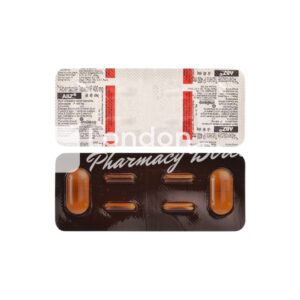
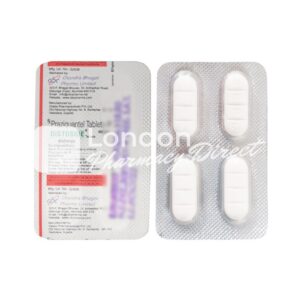
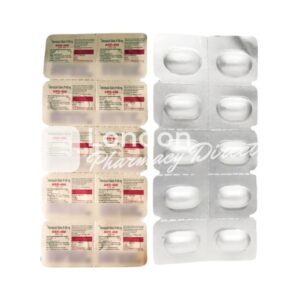
- Forms & Dosages: Tablets 100 mg, chewable tablets 100 mg, oral suspension 20 mg/mL and 100 mg/5 mL in 30 mL packaging
- Manufacturers In United Kingdom: Not specified
- Registration Status In United Kingdom: Usually prescription medicine, though limited-size packs may be available OTC in select settings
- OTC / Rx Classification: Usually prescription (Rx)
Worm treatment needs to fit into real life, not the other way round.
For many people in the UK, that means a simple routine, a repeat dose when needed, and clear advice on who in the household should be treated too.
Everyday Use And Best Practices
Morning Versus Evening Dosing
Mebendazole can usually be taken at a time that suits the patient, unless the prescriber or pharmacist gives different instructions.
That flexibility helps with busy UK routines, whether the dose is easier to remember after brushing teeth, at breakfast, or just before bed.
If the tablet or suspension is part of a short course, the main point is to keep to the schedule you were given.
For pinworm treatment, a repeat dose after 2 to 3 weeks may be advised to reduce reinfection risk, so it helps to set a reminder straight away.
Taking With Or Without Meals
Mebendazole tablets or suspension can generally be taken with or without food.
For anyone who feels a bit nauseous, or for families juggling school runs and work shifts, taking it with a light meal may feel easier.
A short course does not usually mean stopping normal activities.
If a 3-day regimen is prescribed for mebendazole for worms, finish the full course even if symptoms improve early.
- Take the dose at a time you are most likely to remember.
- Use the full course if one has been prescribed.
- For threadworm or pinworm, ask about repeat dosing after 2 to 3 weeks.
- Keep up handwashing and laundry routines to help prevent reinfection.
Safety Priorities
Who Should Avoid It
The main MHRA warnings are straightforward and should come first.
Do not use mebendazole if you have had hypersensitivity to mebendazole or any of the ingredients.
It should also be avoided in pregnancy, especially during the first trimester, because of potential embryotoxicity.
Children under 1 year are not generally recommended to take it, and children aged 1 to 2 years should only use it with specialist advice.
Severe liver problems need extra caution because levels may build up in the body.
Activities To Limit
Most people do not need to stop driving while taking mebendazole.
That said, anyone feeling unwell, dizzy, or affected by side effects should avoid driving and other safety-critical tasks until they feel better.
That includes shift workers, parents who need to lift children, and anyone doing manual work with tools or machinery.
Any worrying reaction should be reported through a pharmacist, GP, or the MHRA Yellow Card scheme.
| Situation | Advice |
|---|---|
| Avoid | Hypersensitivity, first-trimester pregnancy, and use in very young children unless advised |
| Use with caution | Severe liver impairment, children under 2 years, and any situation involving CYP450-interacting medicines |
| Usually fine | Driving, ordinary work, and normal daily activity if you feel well |
Dosage And Adjustments
General Regimen
NHS guidance for mebendazole dosage depends on the worm involved.
For pinworm, the usual pattern is 100 mg once, with a repeat dose after 2 to 3 weeks if needed.
For Ascaris, Trichuris, and hookworm, 100 mg twice daily for 3 days is a common regimen.
Some infections, including Strongyloides and Taenia, may need 200 mg twice daily for 3 days, sometimes longer.
In most helminth infections, mebendazole is used short term, often for 1 to 3 days.
Special Cases
Older adults usually do not need a standard dose change, although liver function may need monitoring.
Kidney impairment has no specific rule, so clinicians use judgement based on the person in front of them.
Children under 2 years should only be treated if a clinician advises it.
| Condition | Usual Dose | Duration |
|---|---|---|
| Pinworm | 100 mg once, repeat after 2 to 3 weeks if needed | 1 to 2 doses over 3 weeks |
| Ascaris, Trichuris, Hookworm | 100 mg twice daily | 3 days |
| Strongyloides, Taenia | 200 mg twice daily | 3 days, sometimes longer |
| Children under 2 years | Not generally recommended unless prescribed by a specialist | As directed |
User Testimonials
Positive Reports From UK Patients
People asking about threadworm treatment often want to know whether it works quickly and whether the course is simple.
Common themes in UK patient experiences include quick relief, a short and manageable course, and the reassurance of pharmacist advice.
Common Challenges
Feedback seen in patient forums often mentions the same practical issues.
- Itching may not settle immediately.
- Family members may also need treatment.
- Hygiene measures often need repeating to stop the cycle starting again.
Testimonials can be helpful, but they are not evidence and should never replace NHS or pharmacist advice.
Buying Guide
Pharmacy Sources
In the UK, people usually buy mebendazole through community pharmacies or online pharmacy services linked to registered UK pharmacies.
Well-known names include Boots, LloydsPharmacy, and Superdrug, as well as NHS prescription supply routes.
In our online pharmacy, mebendazole is available without a prescription, with discreet delivery to United Kingdom in 5 to 14 days.
Price Comparison
In England, prescription charges may apply, while prescriptions are free in Scotland, Wales, and Northern Ireland.
Private online prices can vary, especially for limited-size packs such as Vermox price listings for a box of 6 tablets.
Before placing an order to buy Vermox online, check that the seller is GPhC-registered and based in the UK.
| Buying Route | Typical Access | Cost Notes |
|---|---|---|
| NHS prescription | GP or prescriber issue, then pharmacy supply | England charges may apply; free in Scotland, Wales, and Northern Ireland |
| Pharmacy counter advice | In-store pharmacist assessment and supply where appropriate | Depends on local supply and pack size |
| Online pharmacy | Registered UK online pharmacy | Prices vary by pack size and service |
What Is Inside And How It Works
Ingredients Overview
The active ingredient is mebendazole.
Common UK forms include Vermox tablets 100 mg and oral suspension.
Mebendazole is an anthelmintic, meaning a worm treatment, and it carries the ATC code P02CA01.
Mechanism Basics Explained Simply
In plain English, mebendazole works by stopping worms from taking in nutrients and surviving.
That makes it a practical worm medicine for common intestinal infections.
| Form | Strength | Common UK Packaging |
|---|---|---|
| Tablets | 100 mg | Blister packs |
| Oral suspension | 20 mg/mL or 100 mg/5 mL | 30 mL bottle |
| Chewable tablets | 100 mg | Where available |
Main Indications
Approved Uses
In UK practice, mebendazole for worms is commonly used for pinworm or threadworm, roundworm, whipworm, and hookworm.
People often notice itchiness, tummy upset, or spread through the household before they suspect a worm infection.
Off-Label Uses
Some uses may be specialist-led depending on the infection type and local guidance.
Treatment decisions depend on age, travel history, and the diagnosis made by the clinician.
| Infection | Usual Dose Pattern | Repeat Treatment |
|---|---|---|
| Pinworm / Threadworm | 100 mg once | May be needed after 2 to 3 weeks |
| Roundworm, Whipworm, Hookworm | 100 mg twice daily for 3 days | Sometimes, depending on infection and advice |
| Strongyloides, Taenia | 200 mg twice daily | May need longer treatment |
Interaction Warnings
Food Interactions
There are no major everyday food rules for most UK patients taking mebendazole.
A light meal can help if nausea occurs.
Alcohol should be treated cautiously if you feel unwell or have liver problems.
Drug Conflicts
Interactions are mainly a concern with medicines that affect liver enzymes, especially CYP-related drugs.
Pharmacists should be told about anything that could change how the medicine is processed.
- Tell your pharmacist if you take liver-affecting medicines.
- Tell them about any regular prescription treatment.
- Tell them if you are taking anything for infection, epilepsy, or long-term illness.
- Tell them if you have liver disease or have had previous side effects.
- New rash or hives.
- Persistent vomiting or stomach pain.
- Yellowing of the skin or eyes.
- Unexpected worsening after starting treatment.
Latest Evidence And Insights
Key UK And EU Studies 2022 To 2025
Recent evidence has mainly focused on short-course effectiveness, reinfection prevention, and safety monitoring.
The useful message for readers is that mebendazole remains a practical treatment for common worm infections when used correctly.
What Matters For UK Patients Now
Evidence is always read alongside NHS and MHRA guidance.
That means the everyday priorities stay the same: treat the right people, think about the household, and use repeat dosing for pinworm when advised.
- Short courses can work well for common worms.
- Household hygiene still matters after treatment.
- Repeat dosing helps reduce reinfection risk for pinworm.
- Pharmacist-led advice remains useful for practical questions.
Alternative Choices
NHS Prescribing Alternatives
Mebendazole is not the only anthelmintic tablet, and the best option depends on worm type and clinician preference.
Alternatives include albendazole, pyrantel pamoate, levamisole, and praziquantel.
| Medicine | Typical Use | Key Point |
|---|---|---|
| Albendazole | Worm infections | Similar class, different product choice |
| Pyrantel pamoate | Worm infections | Used for some intestinal worms |
| Levamisole | Worm infections | Less commonly discussed by patients |
| Praziquantel | Certain parasite infections | Used when a different worm type is involved |
When Another Treatment May Be Preferred
One-size-fits-all does not apply in worm treatment.
Some parasites need different medicines, and some alternatives may be less familiar to patients or stocked differently in UK pharmacies.
- Pros of mebendazole: familiar, short course, useful for common worms.
- Cons of mebendazole: not suitable for everyone, and repeat dosing may be needed.
- Pros of alternatives: may better match a specific parasite.
- Cons of alternatives: choice depends on diagnosis, availability, and prescribing preference.
Regulation Snapshot
MHRA Approval And NHS Prescribing Framework
Mebendazole is regulated in the UK and is commonly supplied as a prescription medicine, with some limited-size packs available OTC in select settings.
The UK route may be through a GP, a pharmacist, or an online pharmacy that follows the proper rules.
What UK Patients Should Check
Always check the brand, strength, and expiry date before taking the medicine.
Make sure the pharmacy is registered.
England has prescription charges, while Scotland, Wales, and Northern Ireland generally do not.
| UK Route | Who Supplies | Cost Notes |
|---|---|---|
| GP prescription | NHS prescriber and community pharmacy | England charge rules may apply |
| Pharmacist supply | Registered pharmacist | Depends on product and local service |
| Online pharmacy | GPhC-registered UK online pharmacy | Service and pack price may vary |
Frequently Asked Questions
Common UK Patient Questions
- Can I take mebendazole with food? Yes, it can usually be taken with or without food.
- Do I need to treat the whole household? For threadworm, household treatment is often discussed because reinfection spreads easily.
- Can children take it? Children over 2 years are commonly treated, but under 2 years need clinician advice.
- When should I repeat the dose? For pinworm, a repeat dose after 2 to 3 weeks may be advised.
When To Seek Help
Contact a pharmacist, GP, or NHS 111 if symptoms persist, there is blood in the stool, or a child is very unwell.
Guidelines For Proper Use
UK Pharmacist Counselling Style
Use mebendazole exactly as the label or pharmacist tells you.
Complete the course if one has been prescribed.
Treat all household members if that has been advised.
Wash hands regularly, keep nails short, and focus on morning washing for the areas most likely to spread eggs.
Hot-wash bedding and follow normal laundry routines to reduce the chance of reinfection.
NHS Patient Support Advice
Ask the pharmacist about supply, side effects, or repeat treatment if anything is unclear.
Store mebendazole below 25°C, away from moisture and light.
Transport in ordinary ambient conditions and avoid excess heat or humidity.
If a dose is missed, take it as soon as remembered unless the next dose is nearly due, and do not double the dose.
If too much is taken, stomach upset such as nausea, vomiting, or abdominal pain may happen, and severe cases need support.
- Follow the label carefully.
- Finish the course when prescribed.
- Keep up hygiene measures at home.
- Ask about repeat dosing if pinworm keeps coming back.
Delivery Across United Kingdom
| City | Region | Delivery Time |
|---|---|---|
| London | Greater London | 5 to 7 days |
| Birmingham | West Midlands | 5 to 7 days |
| Manchester | North West England | 5 to 7 days |
| Glasgow | Scotland | 5 to 7 days |
| Edinburgh | Scotland | 5 to 7 days |
| Liverpool | North West England | 5 to 7 days |
| Leeds | West Yorkshire | 5 to 7 days |
| Sheffield | South Yorkshire | 5 to 9 days |
| Bristol | South West England | 5 to 7 days |
| Cardiff | Wales | 5 to 7 days |
| Belfast | Northern Ireland | 5 to 7 days |
| Nottingham | East Midlands | 5 to 9 days |
| Newcastle upon Tyne | North East England | 5 to 9 days |
| Leicester | East Midlands | 5 to 9 days |
Summary For UK Patients
Mebendazole is a familiar worm medicine used for common intestinal infections in the UK.
It is usually simple to take, often short course, and works best when paired with good hygiene and the right repeat-dose advice.
If you are unsure whether your symptoms fit threadworm treatment, or you need help choosing between Vermox tablets and another option, speak to a pharmacist before starting.