Euthyrox
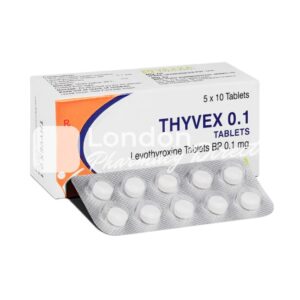
In brief
- In most countries euthyrox is classified as prescription-only and is supplied at pharmacies on presentation of a valid prescription; note that in some places or from some sellers it may be possible to obtain levothyroxine without a prescription, but this is not recommended and you should seek medical supervision.
- Euthyrox (levothyroxine sodium) is used to treat hypothyroidism, for thyroid hormone replacement and as adjunct therapy in thyroid cancer; it is a synthetic thyroxine (T4) that is converted to the active T3 in tissues and acts on nuclear thyroid hormone receptors to restore metabolic function.
- Usual adult starting doses are 25–50 mcg once daily and titrated every 4–6 weeks based on TSH; full replacement is typically about 1.6 mcg/kg/day once daily, with lower starting doses for the elderly and higher or tailored doses for thyroid cancer or suppression therapy; paediatric/neonatal dosing is much lower and weight‑based.
- Administered orally as tablets (commonly colour‑coded by strength, strengths from 25 to 300 mcg) and as oral liquid formulations in some markets (eg 25 or 50 mcg/mL).
- Some patients notice symptomatic improvement within days to a couple of weeks, but biochemical changes and clear clinical benefit usually take 4–6 weeks as TSH and thyroid hormone levels adjust.
- Euthyrox has a long duration of action with a terminal half‑life of around 7 days in euthyroid adults, allowing once‑daily dosing and steady state over several weeks.
- Avoid excessive alcohol intake; alcohol does not directly contraindicate levothyroxine but heavy drinking can affect liver function and overall health and may worsen side effects or interfere with thyroid status.
- The most common side effect is headache; many side effects (eg nervousness, insomnia, tremor, palpitations) reflect over‑replacement or excess thyroid hormone rather than the drug at correct doses.
- Would you like to try euthyrox without a prescription?
Basic Euthyrox Information
- INN (International Nonproprietary Name): Levothyroxine sodium
- Brand Names Available In United Kingdom: Eltroxin; Euthyrox; Levothyroxine
- ATC Code: H03AA01
- Forms & Dosages: Oral tablets (commonly 25, 50, 75, 88, 100, 112, 125, 137, 150, 175, 200, 300 mcg); oral liquid available in select markets (25 mcg/mL, 50 mcg/mL)
- Manufacturers In United Kingdom: Merck KGaA (Euthyrox, Eltroxin) and local generic manufacturers
- Registration Status In United Kingdom: Not specified
- OTC / Rx Classification: Prescription only (Rx)
Initial Instructions, Warnings And Daily-Life Integration For UK Patients
Do you have questions about starting euthyrox or levothyroxine sodium?
This medicine is prescription-only in the United Kingdom, so obtain it via the NHS or a registered pharmacy.
Take levothyroxine on an empty stomach 30–60 minutes before breakfast to ensure reliable absorption.
Stick to the same brand or generic formulation because tablets are often colour-coded by strength and switching can shift your effective dose.
Store tablets in their original packaging at 20–25°C and keep them protected from light and moisture.
Do not use levothyroxine for weight loss; misuse is unsafe and ineffective.
If you miss a dose, take it when remembered unless it is near the next dose; never double up to catch up.
Seek urgent care for overdose signs such as palpitations, chest pain or marked tremor.
Report adverse events via the MHRA Yellow Card scheme and ask your pharmacist for help with reporting.
Everyday Use & Best Practices
Morning Vs Evening Dosing
Which routine fits your life — morning or evening?
Take levothyroxine once daily, preferably first thing in the morning 30–60 minutes before breakfast for the most predictable absorption.
Shift workers or people who cannot manage mornings may use an evening regimen, provided it is taken 3–4 hours after the last meal and stays consistent.
Discuss any change of routine with your GP or pharmacist so blood tests and dose adjustments remain accurate.
Taking With Or Without Meals (UK Diet Habits)
Do typical UK breakfasts affect your tablet?
Avoid taking levothyroxine with tea, milk, cereal or porridge because calcium, iron and fibre lower uptake.
Keep supplements such as calcium, iron or multivitamins at least four hours apart from your levothyroxine dose.
Separate antacids and bile‑acid binders by several hours as they can reduce absorption.
Practical tips: set a phone alarm, store tablets beside your toothbrush but away from steam, or ask your pharmacy for blister packs if timing is unreliable.
Patients travelling between UK nations should maintain the same timing routine even if prescription arrangements differ.
Safety Priorities
Who Should Avoid It (MHRA Warnings)
Who must take extra care with levothyroxine?
- Absolute contraindications: untreated thyrotoxicosis, untreated adrenal insufficiency, recent or ongoing acute myocardial infarction, and known hypersensitivity to levothyroxine or tablet excipients.
- Elderly people and patients with coronary artery disease should start on low doses (for example, 12.5–25 mcg/day) with slow titration.
- Clinicians are expected to review cardiac risk before starting full replacement therapy as per standard UK practice.
Activities To Limit (Driving, Work Safety)
Can you drive or operate machinery while taking levothyroxine?
Most people can drive and work normally once their dose is stable and symptoms are controlled.
If palpitations, tremor, dizziness or sleep disturbance appear after dose changes, avoid heavy machinery and driving until reviewed.
Those in safety‑critical roles should inform occupational health about any medication changes and follow NHS guidance on fitness to work.
Dosage & Adjustments
General Regimen (NHS Guidance)
How is the starting dose chosen?
Dosing is individualised, with many adults starting at 25–50 mcg once daily and titration every 4–6 weeks guided by TSH testing.
Full replacement for healthy adults is typically around 1.6 mcg/kg/day, taken once daily.
Blood tests should be checked after dose changes and before assuming stability.
Do not change brand or formulation without clinician advice because tablet colour-coding helps reduce dispensing errors.
Special Cases (Elderly, Comorbidities)
Are special groups treated differently?
| Group | Typical Starting Dose |
|---|---|
| Healthy Adults | 25–50 mcg once daily; titrate to ~1.6 mcg/kg/day |
| Elderly / Cardiac Disease | 12.5–25 mcg once daily with cautious titration |
| Neonates (Severe Hypothyroidism) | 10–15 mcg/kg/day (specialist-guided) |
| Liver / Kidney Impairment | No routine change; monitor closely |
| Thyroid Cancer Management | Specialist-tailored suppression doses |
Monitoring checklist: baseline TSH, repeat about six weeks after changes, and regular reviews thereafter.
User Testimonials
Positive Reports From UK Patients
What do people say after stabilising on levothyroxine?
Many report clearer energy, improved mood and better concentration once replacement is optimised.
Common brands mentioned include Eltroxin and Euthyrox among UK patients who have seen benefit.
Pharmacy counselling at Boots, LloydsPharmacy or independent chemists and clear GP follow-up are regularly praised by patients.
Common Challenges (Patient.info, NHS Forums)
What problems do patients commonly face?
- Fluctuating symptoms after brand or generic switches are frequently discussed on Patient.info and NHS forums.
- Absorption problems due to iron supplements, high-calcium diets or timing errors are common causes of unstable TSH.
- Prescription logistics, like charges that vary across UK nations and occasional supply shortages, are frequently raised concerns.
Appointment prep checklist: bring a list of all medicines, note brand and tablet colour, record the exact time you take levothyroxine, and write down persistent symptoms to discuss.
Buying Guide
Pharmacy Sources (Boots, LloydsPharmacy, Superdrug)
Where can you collect levothyroxine?
Levothyroxine products such as Eltroxin and Euthyrox are prescription-only and normally collected from community pharmacies including Boots, LloydsPharmacy, Superdrug or independent chemists.
Registered online pharmacies also dispense against an uploaded NHS prescription; hospital outpatient pharmacies provide specialist strengths when required.
In our online pharmacy, euthyrox is available without a prescription, with discreet delivery to United Kingdom in 5-14 days.
Price Comparison (NHS Prescription Charge Vs Private)
How much will it cost you?
| Source | Cost Notes |
|---|---|
| NHS Prescription (England) | Standard prescription charge applies unless exempt |
| NHS Prescription (Scotland, Wales, Northern Ireland) | No prescription charge |
| Private Prescription / Private Online | Costs vary by brand and pack size; branded products and liquid formulations are typically more expensive |
| Generic Levothyroxine | Usually cheaper but try to stay on the same formulation |
Safe online pharmacy checklist: use a registered provider, upload a valid prescription, check pharmacist contact details and keep records of batch and brand dispensed.
What’s Inside & How It Works
Ingredients Overview
What exactly is in each tablet?
The active ingredient is levothyroxine sodium, also called synthetic thyroxine or T4.
Excipients vary by manufacturer and some patients may react to specific tablet components, so always check the patient information leaflet or ask your pharmacist.
Manufacturers often colour-code tablets by strength to reduce dispensing errors.
Mechanism Basics Explained Simply
How does levothyroxine correct symptoms?
Levothyroxine is synthetic T4 which is absorbed from the gut and converted in the body to the active hormone T3.
T3 regulates metabolism, heart rate and energy, so replacing T4 helps relieve fatigue, cold sensitivity and weight gain associated with hypothyroidism.
Effects are gradual and blood tests for TSH and free T4 are checked about six weeks after dose changes.
Bear in mind food, calcium, iron and certain medicines affect absorption, so take on an empty stomach and separate interacting agents by several hours.
Main Indications
Approved Uses (MHRA Listing)
When is levothyroxine prescribed?
Levothyroxine sodium is routinely prescribed for primary and secondary hypothyroidism and for hormone replacement after thyroidectomy or radioiodine therapy.
It is also used under specialist care to suppress TSH as part of thyroid cancer management.
Off-Label Uses In UK Clinics
Are there situations where clinicians prescribe cautiously?
Some clinicians may offer levothyroxine for subclinical hypothyroidism in selected patients such as those with symptoms, fertility planning, or positive anti‑TPO antibodies after weighing risks and benefits.
Never use levothyroxine for weight loss or cosmetic purposes; that practice is contraindicated and dangerous.
Pharmacy pickup checklist: confirm the indication shown on the prescription and ask the GP or pharmacist to explain the monitoring schedule.
Interaction Warnings
Food Interactions (Alcohol, Tea/Coffee)
Which foods and drinks reduce effectiveness?
Tea and milk with breakfast cereals can reduce levothyroxine uptake, and coffee taken immediately after dosing also lowers absorption.
High‑fibre meals, soy and some drinks should be separated from dosing when possible.
Alcohol does not directly interfere with absorption, but chronic heavy drinking can complicate monitoring and overall health.
Drug Conflicts (MHRA Yellow Card Reports)
Which medicines affect levothyroxine requirements?
Calcium and iron supplements, antacids, cholestyramine, certain anticonvulsants and some oestrogen therapies can alter levothyroxine levels.
When thyroid status changes, medications such as warfarin and insulin may require dose review.
Report suspected interactions or adverse reactions to the MHRA via the Yellow Card scheme and ask your pharmacist for an interaction check.
Appointment checklist: always bring a current list of all prescription medicines, over‑the‑counter products and supplements.
Latest Evidence & Insights
Key UK & EU Studies 2022–2025
What have recent studies shown?
Research across UK and EU centres from 2022–2025 has emphasised individualised T4 therapy and found limited benefit from routine combined T4/T3 therapy for most patients.
Recent papers also support brand consistency to keep TSH stable and advise monitoring about six weeks after dose changes.
Studies suggest many persistent symptoms relate to comorbidities, absorption issues or expectations rather than dosing alone.
What This Means For Patients Now
How should patients act on the evidence?
Expect stepwise dose adjustments with TSH checks at approximately six weeks after changes.
Discuss persistent symptoms beyond normal TSH readings with your GP and consider screening for coexisting issues such as iron deficiency or vitamin D insufficiency.
Pharmacist-led monitoring and shared‑care arrangements with the NHS can speed up reviews and reduce clinic delays.
Alternative Choices
NHS Prescribing Alternatives (Eltroxin, Generic Levothyroxine)
What alternatives might your GP prescribe?
The NHS commonly prescribes branded products like Eltroxin or local generics that all contain levothyroxine sodium but differ in excipients and appearance.
Specialist options include liothyronine (T3) or combination preparations, but these are usually specialist‑initiated and not routine first‑line therapy.
Pros/Cons Checklist (NHS Vs Private Options)
Which route suits you best?
- NHS generics: regulated and cost-effective but brand switches may cause symptom concerns for some patients.
- Branded products: may provide reassurance for individual patients but are more expensive on private prescription.
- Liquid formulations: useful for absorption problems but usually cost more and may be supplied privately.
Discuss switching options with a clinician and request pharmacist involvement if absorption or adherence problems arise.
Regulation Snapshot
MHRA Approval & Safety Reporting
Who oversees safety in the UK?
Levothyroxine sodium is an authorised prescription medicine and the MHRA collects safety reports through the Yellow Card system.
Manufacturers provide patient information leaflets that list contraindications and side effects.
NHS Prescribing Framework & Repeat Prescriptions
How does the NHS manage long-term therapy?
GPs prescribe levothyroxine following local protocols with lab-guided dose titration and many practices support electronic repeat dispensing to aid continuity.
Prescription charges differ across the UK: England usually applies a charge unless the patient is exempt, while Scotland, Wales and Northern Ireland do not charge for prescriptions.
Practical checklist: ask the GP to record the exact brand and strength and request pharmacist counselling if a formulation change is made.
FAQ Section
Top Questions UK Patients Ask
Can I take levothyroxine at night?
Yes; night dosing is acceptable if necessary, provided it is taken 3–4 hours after the last meal and remains consistent — discuss with your GP.
What if the pharmacy gives me a different brand?
Inform your GP and consider a TSH check about six weeks after a brand switch to ensure stability.
Is levothyroxine safe in pregnancy?
Levothyroxine is commonly used in pregnancy and doses often increase; inform your GP early and request closer monitoring.
Can I stop treatment when I feel better?
No; most primary hypothyroidism requires lifelong replacement and any change should be supervised by a clinician.
Quick Answers (Clear, Actionable)
Bring a full medication list to appointments, separate calcium and iron by several hours from levothyroxine, store tablets at 20–25°C in original packaging, and report adverse effects via the MHRA Yellow Card.
Guidelines For Proper Use
UK Pharmacist Counselling Style
What will the pharmacist tell you?
Pharmacists will verify the prescription, advise on empty‑stomach dosing 30–60 minutes before breakfast, warn about interactions with calcium and iron, and confirm the exact brand and tablet strength.
They will also give storage advice and can perform medication reviews or flag concerns to the GP.
NHS Patient Support Advice
What support does the NHS provide?
Your GP should arrange baseline and follow-up TSH testing about six weeks after dose changes and provide longer-term reviews as needed.
Pregnant patients, elderly people and those with heart disease normally receive closer monitoring.
Use NHS 111 for urgent queries and report suspected adverse reactions to the MHRA Yellow Card scheme.
Keeping a medication diary and requesting printed information or pharmacy labels helps make consultations more productive.
Delivery Across United Kingdom
| City | Region | Delivery time |
|---|---|---|
| London | England | 5-7 days |
| Birmingham | England | 5-7 days |
| Manchester | England | 5-7 days |
| Glasgow | Scotland | 5-7 days |
| Leeds | England | 5-7 days |
| Liverpool | England | 5-7 days |
| Bristol | England | 5-7 days |
| Edinburgh | Scotland | 5-7 days |
| Belfast | Northern Ireland | 5-7 days |
| Cardiff | Wales | 5-7 days |
| Sheffield | England | 5-9 days |
| Newcastle Upon Tyne | England | 5-9 days |
| Brighton | England | 5-9 days |