
Voltaren
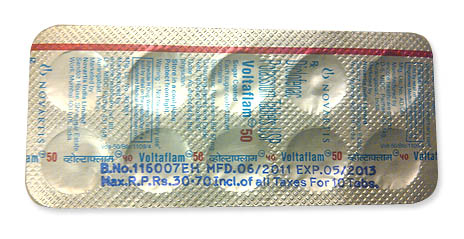
Voltaren
- Voltaren (diclofenac) can be purchased in some pharmacies and e-pharmacies without a prescription for topical forms such as the 1% gel in many countries, including the UK and EU, while oral tablets, suppositories, injections and eye drops are usually prescription-only. Availability and legal status vary by country.
- Voltaren is used to relieve pain and inflammation in conditions such as osteoarthritis, rheumatoid arthritis, ankylosing spondylitis, muscle sprains, back pain and other musculoskeletal disorders. It is a non-steroidal anti-inflammatory drug (NSAID) that works by inhibiting cyclo-oxygenase (COX-1 and COX-2), which reduces prostaglandin production and therefore pain, swelling and fever.
- The usual dose depends on the form and condition: for adults, oral diclofenac is often 100–150 mg per day in divided doses for arthritis, with a maximum of 200 mg per day; for acute pain, 50 mg every 8 hours as needed; topical gel is typically applied as 2–4 g to the affected area up to 4 times daily. Follow the pack instructions or a clinician’s advice.
- Voltaren is available as enteric-coated tablets, extended-release tablets, topical gel, suppositories, oral powder, ophthalmic solution and injection. The most common OTC form is the gel; tablets and injections are generally prescription medicines.
- Voltaren usually starts to work within about 30–60 minutes when taken by mouth, while topical gel may begin to ease pain within 1–2 hours, with some people noticing local relief sooner.
- The duration of action is typically around 4–6 hours for standard oral tablets, longer for extended-release preparations, and several hours for topical applications, depending on the amount used and the area treated.
- Alcohol should be avoided or kept to a minimum, as it can increase the risk of stomach irritation, ulcers and gastrointestinal bleeding when combined with diclofenac.
- The most common side effects are indigestion, nausea, abdominal pain, diarrhoea, headache, dizziness, and with the gel, skin irritation, rash or itching at the application site.
- Would you like to try Voltaren without a prescription?
Voltaren

Basic Voltaren Information
- INN (International Nonproprietary Name): Diclofenac
- Brand names available in United Kingdom: Voltaren, Voltarol
- ATC Code: M01AB05
- Forms & dosages: Enteric-coated tablet 25mg, 50mg, 75mg, 100mg; extended-release tablet 75mg, 100mg; gel 1%, 2%; ophthalmic solution 0.1%; powder for oral solution 50mg; solution for injection 75mg/3mL ampoule; suppository 50mg, 100mg
- Manufacturers in United Kingdom: GlaxoSmithKline, Novartis, Pharmaceutica Remedia, Terapia, KRKA, Sun Pharma
- Registration status in United Kingdom: Oral, injectable, and eye-drop forms are prescription only in most countries; some low-dose topical gels are OTC
- OTC / Rx classification: Topical gel mostly OTC; tablet, injection, and eye drops prescription only in most countries
Everyday Use And Best Practices
Morning Vs Evening Dosing
Can Voltaren fit into a normal workday without fuss?
For many UK patients, the answer depends on the form they have been given.
Diclofenac sodium tablets are usually taken exactly as prescribed, and if they upset the stomach they are often taken with food.
Voltaren gel or Voltarol gel is different because it is applied to clean, dry skin at regular intervals, rather than swallowed on a fixed mealtime schedule.
Enteric-coated tablets, extended-release tablets, suppositories, and diclofenac topical products all have slightly different timing, so the label matters.
If a dose is taken in the morning, that may suit people who want coverage for the school run, commuting, or a busy shift.
Evening dosing can suit others if pain is worst after work or when trying to sleep.
In everyday UK practice, people often ask Boots, LloydsPharmacy, Superdrug, or an NHS community pharmacist for simple timing advice, especially when they are juggling work, family, and pain.
Practical tips:
- Do wash your hands after using gel.
- Do not apply Voltaren gel to broken or irritated skin.
- Do not use heat packs over the gel site.
- Do keep it away from the eyes and mouth.
- Do follow the prescribed interval, rather than guessing.
Oral and injectable forms are generally prescription-only in the UK, while some topical gels may be bought over the counter for local pain.
Taking With Or Without Meals
With British meal patterns, many people find it easiest to take tablets after breakfast or with the evening meal.
That can help reduce stomach upset, which is a common reason diclofenac pain relief UK patients stop treatment early.
Gel users do not need to time applications around meals, but they should allow the skin to dry before dressing.
If a patient is unsure which form they have, the box usually makes it clear whether it is Voltarol tablets, Voltarol gel, or another diclofenac preparation.
Safety Priorities
Who Should Avoid It
Who really should not take diclofenac without specialist advice?
The main safety message comes first because Voltaren side effects and warnings matter more than convenience.
Diclofenac should be avoided in people with a history of NSAID allergy, aspirin-sensitive asthma, active stomach ulcer or bleeding, severe kidney or liver disease, or after coronary artery bypass graft surgery.
Extra caution is also needed in older adults, people with cardiovascular disease, inflammatory bowel disease, anticoagulant use, or renal impairment, because the lowest effective dose is the safest starting point.
These are the situations where MHRA-style caution is sensible, even if the product is available in a pharmacy setting.
- Avoid if you have had wheeze, hives, or allergic reactions to ibuprofen, naproxen, or aspirin.
- Avoid if you have active stomach ulcers or bleeding.
- Avoid after CABG surgery.
- Use extra care with heart, kidney, liver, or bowel disease.
- Use extra care if you take anticoagulants or regular steroid treatment.
If any severe rash, facial swelling, chest pain, reduced urine, black stools, vomiting blood, wheeze, or sudden breathlessness appears, urgent medical help is needed.
Activities To Limit
Can you drive after taking diclofenac?
Some people feel fine, while others get dizziness or headache, so driving and operating machinery should be avoided until the effect is known.
That advice matters for commuting, warehouse work, delivery driving, and other safety-critical jobs in the UK.
If the gel causes skin irritation, it is sensible to avoid exercise that rubs the area until the skin settles.
When pain relief is needed for a shift, patients should also avoid mixing treatments casually, because stacking painkillers is where trouble starts.
Dosage And Adjustments
General Regimen
What dose is usually used for diclofenac sodium tablets or gel?
NHS-style prescribing follows the principle of the lowest effective dose for the shortest possible time.
For osteoarthritis or rheumatoid arthritis in adults, oral dosing is 100-150mg per day in divided doses, with a maximum of 200mg per day.
For acute mild-to-moderate pain, 50mg every 8 hours as needed is the usual adult regimen.
Ankylosing spondylitis is generally treated with 100-125mg per day in divided doses.
For topical diclofenac gel, the standard amount is 2-4g to the affected area four times daily.
Oral and injectable forms are prescription only in most UK settings, while OTC gel is commonly used for local musculoskeletal pain.
Special Cases
| Form | Usual Dose | Key Caution |
|---|---|---|
| Enteric-coated tablets | 100-150mg/day in divided doses | Stomach, kidney, and heart risk need review |
| Extended-release tablets | 75mg or 100mg, depending on prescription | Follow the prescribed schedule closely |
| Topical gel | 2-4g four times daily | Do not apply to broken skin |
| Suppositories | 50mg or 100mg | Prescription-only in most places |
| Injection | 75mg/3mL ampoule | Usually hospital or prescriber-led use |
Children under 18 are generally not recommended for diclofenac unless a specialist advises otherwise.
Older people need extra caution because gastrointestinal, kidney, and cardiovascular side effects are more likely.
Liver impairment may need dose reduction, and advanced renal failure is a reason to avoid treatment or monitor very closely.
User Experiences
Positive Reports From UK Patients
What do people usually say after trying Voltaren for arthritis pain relief?
In community-pharmacy conversations, many UK patients describe Voltaren gel as feeling more targeted for a sore knee, wrist, shoulder, or lower back.
Others say prescribed diclofenac tablets helped them get through a flare of arthritis when local measures were not enough.
That “targeted” feeling is one reason Voltarol gel is popular with people who want to avoid a full tablet dose if the pain is local.
- What patients like: quicker relief for local pain, easy application, and the sense that the medicine is being used where it hurts.
- What patients like: useful symptom control for arthritis when it is prescribed appropriately.
Common Challenges
- What patients struggle with: stomach upset from tablets, especially if taken without food.
- What patients struggle with: skin irritation, rash, or itching with gel.
- What patients struggle with: uncertainty about Voltarol vs ibuprofen and whether they can take both.
Many people ask a pharmacist first before booking a GP appointment, and that is a sensible route for short-term pain relief, particularly when the product is OTC.
Buying Guide
Pharmacy Sources
Where can UK patients usually buy Voltaren or Voltarol?
High-street pharmacies such as Boots, LloydsPharmacy, and Superdrug stock anti-inflammatory gels UK customers commonly recognise, alongside regulated online pharmacies.
Patients should check for an MHRA-compliant UK pharmacy logo and avoid unregulated marketplaces, especially if they are buying online in a hurry.
In our online pharmacy, Voltaren is available without a prescription, with discreet delivery to United Kingdom in 5-14 days.
That does not remove the need to check the exact product, because the common UK and EU brand names are Voltaren and Voltarol, and the active ingredient must still be diclofenac.
Price Comparison
| Buying Route | Availability | Likely Cost | Notes |
|---|---|---|---|
| High-street pharmacy | OTC gel or pharmacist advice | Varies by pack size | Common sizes include 20g, 50g, and 100g tubes |
| NHS prescription in England | Prescription items | Prescription charge may apply | Charges do not usually apply in Scotland, Wales, or Northern Ireland |
| Private online pharmacy | OTC or prescription depending on product | Varies by brand and pack | Check the active ingredient and UK registration |
What Is Inside And How It Works
Ingredients Overview
The active ingredient in Voltaren is diclofenac, with ATC code M01AB05.
It is a non-steroidal anti-inflammatory drug, or NSAID, used to reduce pain, swelling, and stiffness.
Common forms include enteric-coated tablets, extended-release tablets, gel, ophthalmic solution, powder for oral solution, injection, and suppositories.
Tablet packs are often sold in 20, 30, 60, or 100, while gel tubes commonly come in 20g, 50g, or 100g sizes.
Mechanism Basics Explained Simply
Diclofenac works by blocking chemicals involved in inflammation, which helps reduce the sore, swollen feeling that comes with many joint and muscle problems.
Topical diclofenac is designed to act locally in the area where it is applied, which is why many people prefer Voltarol gel for back pain or a painful knee.
| Form | Usual Use |
|---|---|
| Tablets | Widespread inflammatory pain and arthritis |
| Gel | Local muscle or joint pain |
| Suppositories | Prescription use when oral treatment is unsuitable |
| Injection | Clinically supervised treatment |
Main Indications
Approved Uses
The main approved uses include osteoarthritis, rheumatoid arthritis, ankylosing spondylitis, and acute mild-to-moderate pain.
Eye-drop forms are used after eye surgery, such as post-cataract care, where that product is prescribed.
For most UK searches, the common questions are about Voltaren for arthritis pain relief and Voltarol for back pain.
- Joint pain from osteoarthritis or inflammatory arthritis.
- Sprains and strains.
- Back pain, especially local muscle and soft-tissue pain.
- Post-operative eye care when prescribed.
- Flare-ups of inflammatory joint disease.
If pain lasts more than 7 days with topical treatment, it should be reviewed, especially if it is new, severe, or linked with swelling, fever, or reduced mobility.
Off-Label Uses In UK Clinics
Some clinicians may use diclofenac in other pain situations, but that should only happen under professional advice.
Patients should not assume every ache needs a stronger NSAID, because the safer choice depends on the person and the pain pattern.
Interaction Warnings
Food Interactions
Can food or drink change how diclofenac behaves?
Alcohol can increase stomach irritation and bleeding risk, so it should be limited while using diclofenac sodium.
Tea and coffee are not major direct interactions, but people with reflux or dyspepsia may feel worse if they take tablets on an empty stomach with caffeine.
Drug Conflicts
Tell your GP or pharmacist about all medicines, including over-the-counter painkillers and herbal supplements.
- Other NSAIDs: ibuprofen or naproxen can raise the risk of side effects if combined.
- Aspirin: may increase stomach and bleeding risk.
- Anticoagulants or antiplatelets: need careful review.
- Corticosteroids: can add to stomach risk.
- Blood pressure medicines, lithium, and methotrexate: may need monitoring.
Pharmacists often spot these combinations before dispensing, and adverse events can be reported through the MHRA Yellow Card scheme.
Do not stack painkillers without advice.
Latest Evidence And Insights
Key UK And EU Studies 2022-2025
What does the recent evidence suggest in plain English?
Topical diclofenac remains useful for localised musculoskeletal pain, especially for people who want fewer stomach side effects than oral NSAIDs.
Oral diclofenac is effective, but safety concerns mean it is used more selectively, particularly in people with cardiovascular risk.
UK and EU guidance continues to support topical NSAIDs for short-term local pain relief and encourages careful review of oral NSAID use.
What This Means In Everyday Practice
- What evidence suggests: topical treatment is often preferred first for local pain.
- What evidence suggests: oral treatment needs more caution in higher-risk patients.
- What patients should do: seek review if pain persists, spreads, or worsens.
Persistent or widespread pain needs a clinician review rather than indefinite self-treatment.
Alternative Choices
NHS Prescribing Alternatives With Pros And Cons
How does Voltaren compare with other NSAIDs?
- Ibuprofen: often suitable for short-term general pain, but not always the best choice for inflammatory joint pain.
- Naproxen: can suit some inflammatory conditions.
- Ketoprofen: another anti-inflammatory option used in some settings.
- Meloxicam: may be considered for longer-term management under supervision.
- Celecoxib: may be considered when stomach risk is an issue.
- Piroxicam: another option, though not always first choice.
When To Choose Another Option
A switch may make sense if there is stomach irritation, poor response, interaction concerns, or a need for longer-term management under supervision.
Voltarol vs ibuprofen often comes down to pain type, age, and medical history rather than which is “stronger”.
For local pain, UK GPs and pharmacists may suggest topical NSAIDs before oral ones, depending on the person’s background.
Regulation Snapshot
MHRA Approval And NHS Prescribing Framework
Diclofenac and Voltaren are regulated in the UK by the MHRA and used within the NHS according to prescription rules and clinical need.
Oral tablets, injections, and ophthalmic forms are generally prescription only, while some topical low-dose gels may be sold OTC.
Voltaren and Voltarol are both used in the UK and EU, so patients should check the exact product name before buying.
OTC Vs Prescription In The UK
| Form | UK Status | Common Access Route | Notes |
|---|---|---|---|
| Topical gel | Mostly OTC | Pharmacy or online pharmacy | Often used for local pain |
| Tablets | Prescription only | GP or prescriber | Higher systemic risk |
| Injection | Prescription only | Clinic or hospital setting | Usually specialist-led |
| Eye drops | Prescription only | Prescriber | Short courses after surgery |
Travellers should remember that rules abroad can differ, so a product bought overseas may not match UK status.
Frequently Asked Questions
Can I Use Voltaren Gel With Ibuprofen?
Not without advice, because combining diclofenac with another NSAID can raise side effects.
How Long Should I Use It For?
Topical treatment should usually be reviewed if it is not helping after about 7 days for injury-type pain.
Chronic arthritis may need longer supervision from a clinician.
Is It Safe For Older People?
Older adults can use diclofenac, but only with caution and the lowest effective dose because stomach, kidney, and cardiovascular risks are higher.
What If I Miss A Dose?
Take it as soon as remembered unless it is nearly time for the next dose, and do not double up.
Guidelines For Proper Use
UK Pharmacist Counselling Style
What would a pharmacist normally say at the counter?
Use the lowest effective dose.
Follow the label or prescription exactly.
Stop and seek advice if there is stomach bleeding, rash, breathing problems, or worsening swelling.
Do not use it longer than needed.
Store tablets at room temperature, protect them from moisture, keep gel away from heat and direct sunlight, and do not freeze topical or ophthalmic products.
NHS Patient Support Advice
- Ask a pharmacist if the medicine is not helping or if you are unsure about combining treatments.
- Speak to a GP if pain is ongoing, severe, or linked with swelling or reduced movement.
- Call NHS 111 for urgent advice when symptoms are worrying but not immediately life-threatening.
- Check the active ingredient is diclofenac when buying branded or generic products, especially online or while travelling.
Short-term sprain and strain pain should improve over days, while chronic arthritis often needs longer medical supervision.
Delivery Across United Kingdom
| City | Region | Delivery time |
|---|---|---|
| London | Greater London | 5-7 days |
| Birmingham | West Midlands | 5-7 days |
| Manchester | North West England | 5-7 days |
| Glasgow | Scotland | 5-7 days |
| Edinburgh | Scotland | 5-7 days |
| Liverpool | North West England | 5-7 days |
| Leeds | Yorkshire and the Humber | 5-7 days |
| Bristol | South West England | 5-7 days |
| Sheffield | Yorkshire and the Humber | 5-7 days |
| Newcastle upon Tyne | North East England | 5-7 days |
| Nottingham | East Midlands | 5-9 days |
| Leicester | East Midlands | 5-9 days |
| Cardiff | Wales | 5-9 days |
| Aberdeen | Scotland | 5-9 days |
| Coventry | West Midlands | 5-9 days |