Lotriderm
Lotriderm
- In our pharmacy, you can buy lotriderm without a prescription, with delivery in 5–14 days throughout the United Kingdom. Discreet and anonymous packaging.
- Lotriderm is used to treat fungal skin infections such as athlete’s foot, jock itch and ringworm; it combines clotrimazole (an azole antifungal that inhibits fungal ergosterol synthesis by blocking lanosterol 14α‑demethylase) with betamethasone dipropionate (a potent topical corticosteroid that reduces inflammation, redness and itching).
- The usual dose for adults and those aged 17+ is to apply a thin film to the affected area twice daily (morning and evening) — up to 2 weeks for tinea corporis/cruris and up to 4 weeks for tinea pedis; do not exceed 45 g per week.
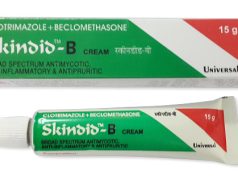
- Administered topically as a cream (commonly 1% clotrimazole / 0.05% betamethasone dipropionate in 15 g or 30 g tubes); a lotion formulation is available in some regions.
- Symptomatic relief of itching and inflammation often begins within 24–48 hours, while complete antifungal clearance may take several days to weeks depending on the infection.
- The anti-inflammatory effects typically persist around 24 hours (hence twice-daily application); total treatment courses are usually limited to the 2–4 week periods stated above.
- There is no specific interaction with alcohol for topical use, but avoid applying alcohol-containing products to treated skin and follow medical advice about alcohol in special circumstances (pregnancy, breastfeeding or extensive treatment).
- The most common side effect is burning or stinging at the application site.
- Would you like to try lotriderm without a prescription?
Lotriderm
Basic Lotriderm Information
- INN (International Nonproprietary Name): Clotrimazole and Betamethasone dipropionate.
- Brand Names Available In United Kingdom: Not widely specified for the UK; combination products are listed internationally as Lotrisone (North America) and Lotriderm (Canada/other regions); check MHRA/BNF for local listings.
- ATC Code: D01AC20.
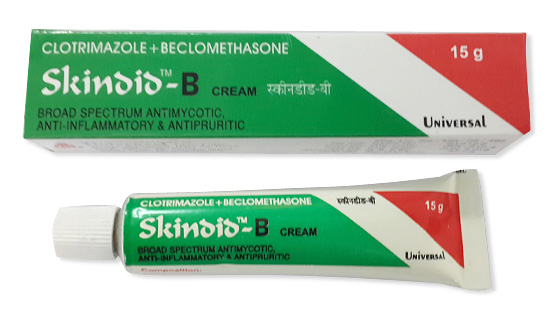
- Forms & Dosages: Cream 1% clotrimazole / 0.05% betamethasone dipropionate (as 0.643 mg betamethasone dipropionate per 1 g cream) in 15 g and 30 g tubes is the most common form.
- Manufacturers In United Kingdom: Not specified; international suppliers include Merck (Lotrisone), Pharmascience, Cipla and other generic manufacturers.
- Registration Status In United Kingdom: Not widely marketed across Europe under the Lotrisone/Lotriderm names; confirm registration and local guidance via MHRA/BNF.
- OTC / Rx Classification: Prescription only (Rx) in major markets.
Initial Instructions, Warnings And Daily-Life Integration
What should I read before using this cream?
Read the patient information leaflet and follow any advice from the prescriber or your community pharmacist.
This is a prescription-only medicine in major markets, so check with your GP or community pharmacist before use and confirm local MHRA or NHS guidance where needed.
Do not apply the cream to the eyes, mouth or genitals.
Avoid use in children under 17 years unless directed by a prescriber because safety and efficacy are not established in younger patients.
Do not exceed 45 g in any one week.
Store the cream at 20–25°C and keep it out of reach of children.
Apply to clean, dry skin and allow the cream to dry before dressing.
Avoid heavy occlusion such as plasters or very tight clothing, since this increases steroid absorption and the risk of side effects.
If you use public pools, gyms or saunas, dry the treated area first and towel it thoroughly before reapplying if your prescriber advises further application.
Report suspected side effects via the MHRA Yellow Card scheme and seek GP or pharmacist advice if symptoms persist or worsen.
Helpful at-hand checklist:
- When to apply: thin film twice daily after washing and drying the area.
- When to stop: after the recommended course (see duration guidance) or if no improvement.
- Who to contact: GP, community pharmacist, NHS 111 for urgent advice and use Yellow Card for adverse reactions.
Keep a medicine-card entry noting the prescription date and the tube size provided (typically 15 g or 30 g) for future reference.
Everyday Use & Best Practices
Morning Vs Evening Dosing
How often should I put the cream on?
Apply a thin film of cream to the affected area twice daily, in the morning and in the evening.
Apply after washing and fully drying the skin so the medication makes good contact with the surface.
Use a pea-sized amount for small areas and spread gently to cover the infection.
Repeat application at the next scheduled dose rather than more frequently.
Avoid applying immediately before heavy exercise or prolonged periods when you will sweat heavily because sweating reduces contact time and may wash the product away.
Taking With Or Without Meals (UK Diet Habits)
Do food or drink change how the cream works?
Topical clotrimazole 1% with betamethasone dipropionate 0.05% is unaffected by meals, alcohol, tea or coffee because it is applied to the skin.
Timing the application around your hygiene routine is useful — for example, after your morning shower and before bed.
Step-by-step application:
- Wash the area gently with mild soap and water.
- Dry the area completely with a clean towel.
- Apply a thin film of the antifungal steroid cream to the affected skin.
- Wash your hands after application unless the hands are the treated area.
Safety Priorities
Who Should Avoid It (MHRA Warnings)
Who must not use this cream?
Do not use if you have a known hypersensitivity to clotrimazole, betamethasone dipropionate or any excipient in the cream.
Avoid application to eyes, mouth or intravaginally.
Do not use in children under 17 years unless specifically prescribed by a clinician because safety and efficacy are not established for younger patients.
If you are pregnant or breastfeeding, use only if essential and after review with your GP or pharmacist because topical corticosteroids should be used with caution in these groups.
Activities To Limit (Driving, Work Safety)
Will using the cream affect my driving or work?
The cream does not affect driving or the ability to operate machinery.
Avoid activities that cause heavy sweating, prolonged friction or occlusion of the treated area, such as long manual shifts in tight protective clothing, to reduce steroid absorption and irritation.
If the treated area is on your hands, wear protective gloves when handling cleaning chemicals or food until the skin is dry and non-greasy.
Safety checklist:
- Contraindications: known allergy to ingredients, not for eyes/mouth/genitals.
- Special populations: avoid in under-17s unless prescribed; use pregnancy caution.
- When to stop: worsening irritation, signs of widespread steroid effects, or no improvement by the end of the recommended course.
Dosage & Adjustments
General Regimen (NHS Guidance)
What is the usual dosing schedule?
Adults and patients aged 17 years and over should apply a thin film twice daily to affected areas — morning and evening.
For tinea corporis and tinea cruris, treatment is for up to two weeks.
For tinea pedis (athlete's foot), treatment is for up to four weeks.
Do not exceed 45 g of cream in any one week.
Continue treatment while symptoms are improving and stop if there is no benefit by the end of the recommended period.
Special Cases (Elderly, Comorbidities)
Are dose changes needed for older people or those with other illnesses?
Children under 17 should not use the cream unless a prescriber has specifically advised it.
Elderly patients do not usually require dose adjustment, but monitor carefully for local skin thinning and potential systemic steroid effects with prolonged use.
Patients with liver or kidney disease do not need routine dose changes because systemic absorption is minimal, but use caution with large surface areas or compromised skin.
If the cream is used over large areas, under occlusion, or on broken skin, discuss risks with the prescriber.
| Frequency | Duration | Age Limits | Max Weekly Amount |
|---|---|---|---|
| Twice daily | Tinea corporis/cruris: up to 2 weeks | 17 years and over | Do not exceed 45 g/week |
| Twice daily | Tinea pedis: up to 4 weeks | 17 years and over | Do not exceed 45 g/week |
User Testimonials
Positive Reports From UK Patients
What do patients say about the cream?
Many UK patients report a rapid reduction in itching, redness and inflammation within days when prescribed the combination cream for tinea infections.
Patients say the antifungal plus steroid action offers faster symptomatic relief than antifungal alone in inflamed cases.
Comments gathered in community forums and pharmacy feedback note quicker comfort while the antifungal works on the infection.
Common Challenges (Patient.info, NHS Forums)
What problems do people commonly report?
Frequent issues include stopping treatment too soon, which can lead to recurrence of the fungal infection.
Another common problem is using the cream for longer than recommended, increasing the risk of skin thinning and other steroid-related effects.
Some users mistakenly apply the cream to unsuitable conditions such as rosacea or perioral dermatitis and experience worsening.
Occasional slight stinging on first application is reported; persistent irritation should prompt review by a pharmacist or GP.
Pros and cons checklist:
- Pros: fast symptomatic relief, combination treats inflammation and infection together.
- Cons: risks with prolonged use, potential for masking infection, not suitable for all skin conditions.
When to see GP or pharmacist: worsening symptoms, no improvement after recommended course, severe irritation or signs of systemic steroid effect.
Buying Guide
Pharmacy Sources (Boots, LloydsPharmacy, Superdrug)
Where can I get the cream in the UK?
Lotrisone/Lotriderm and generics are prescription-only and may be obtained via a GP, NHS clinic or private prescription.
Community pharmacies such as Boots, LloydsPharmacy and Superdrug dispense prescribed tubes when supplied with a valid prescription.
Online pharmacy services can deliver on receipt of a valid prescription, and some private services offer telemedicine consultation plus prescription supply.
Tube sizes commonly dispensed are 15 g and 30 g.
Note: in our online pharmacy, lotriderm is available without a prescription, with discreet delivery to United Kingdom in 5-14 days.
Price Comparison (NHS Prescription Charge Vs Private)
How much will it cost?
In England a standard NHS prescription charge usually applies per item, while prescriptions are free in Scotland, Wales and Northern Ireland.
Private prices vary by pharmacy and tube size, and branded products are usually more expensive than generics.
When using private telemedicine, compare the total cost including the consultation fee and the medicine price.
| Access Route | Typical Cost Notes | Common Retailers |
|---|---|---|
| NHS Prescription | Standard prescription charge in England; free in Scotland/Wales/Northern Ireland | Local GP surgery, NHS clinic |
| Private Prescription / Online | Varies by clinic and tube size; branded more costly than generics | Boots, LloydsPharmacy, Superdrug, licensed online pharmacies |
What’s Inside & How It Works
Ingredients Overview
What are the active ingredients?
The cream contains clotrimazole 1% as the antifungal component and betamethasone dipropionate 0.05% as the topical corticosteroid.
The betamethasone dipropionate concentration equates to 0.643 mg of the steroid per 1 g of cream.
The cream form is the common dosage form and is typically supplied in 15 g and 30 g tubes.
Mechanism Basics Explained Simply
How do the two act together?
Clotrimazole interferes with the fungal cell membrane, slowing and stopping fungal growth.
Betamethasone reduces inflammation, itch and redness, giving symptomatic relief while the antifungal clears infection.
Because the steroid can mask signs of infection, a limited course is recommended to avoid hiding an ongoing fungal problem.
Overuse of steroids may cause local skin atrophy and, rarely, systemic corticosteroid effects if large areas are treated or if prolonged occlusion occurs.
Warning: Use the cream only for the conditions and durations recommended by the prescriber.
Main Indications
Approved Uses (MHRA Listing)
What is the cream licensed to treat?
The combination is primarily prescribed for inflamed fungal skin infections such as tinea corporis (ringworm), tinea cruris (jock itch) and tinea pedis (athlete's foot) where itching and inflammation are significant.
Recommended durations are up to two weeks for body infections and up to four weeks for foot infections.
Off-Label Uses In UK Clinics
Are there other uses clinicians sometimes consider?
Some clinicians use combination cream selectively for inflamed fungal presentations needing rapid symptom control, but many UK prescribers prefer antifungal monotherapy first to reduce steroid exposure.
Not recommended uses include diaper dermatitis, rosacea, perioral dermatitis and nail fungal infections.
Approved vs Not Recommended Checklist:
- Approved: inflamed tinea corporis, tinea cruris, tinea pedis (see durations).
- Not recommended: facial use, diaper areas, perioral dermatitis, nail infections.
Interaction Warnings
Food Interactions (Alcohol, Tea/Coffee)
Do food and drink affect the cream?
There are no meaningful food or drink interactions because the product is applied topically.
Alcohol and caffeine do not change the cream’s efficacy when used on the skin.
Drug Conflicts (MHRA Yellow Card Reports)
Which medicines should I avoid using at the same time?
Avoid using additional topical corticosteroids or multiple topical antifungals on the same area without clinical advice.
If you are taking systemic corticosteroids or immunosuppressants, discuss use with your prescriber due to theoretical increased infection risk or systemic effects.
Report any suspected adverse reactions through the MHRA Yellow Card scheme.
Interaction checklist:
- Avoid combining with other topical steroids without advice.
- Discuss if on systemic immunosuppressants.
- Report adverse reactions via Yellow Card.
Latest Evidence & Insights
Key UK & EU Studies 2022–2025
What does recent guidance say?
UK and European reviews between 2022 and 2025 have emphasised cautious use of antifungal–steroid combination creams.
Evidence shows combinations give faster symptomatic relief but may encourage inappropriate long-term steroid exposure and mask ongoing infection.
As a result, many guidance documents favour starting with antifungal monotherapy and reserving combinations for selected, inflamed cases that need rapid symptom control.
Practical Clinical Takeaways
How do clinicians apply this evidence?
Use the lowest effective potency for the shortest duration possible and document the indication on the prescription.
Re-evaluate the patient at the end of the course and consider swab or alternative antifungal therapy if infection persists.
- Limit steroid-containing creams to short courses.
- Document indication and duration on the prescription.
- Encourage reporting of adverse events and follow local formulary guidance.
Alternative Choices
NHS Prescribing Alternatives With Pros/Cons Checklist
What are safer or alternative treatments?
Antifungal monotherapy such as topical clotrimazole (for example, Canesten) is widely available over the counter and avoids steroid risks, though relief may be slower.
Topical terbinafine (Lamisil) is another OTC option that is effective for many tinea infections.
Oral terbinafine prescribed by a GP can be used for more extensive or recurrent infections but requires medical review.
Milder steroid combinations such as miconazole with hydrocortisone (Daktacort) may be suitable for less severe inflammation.
- Antifungal monotherapy: pros — OTC availability and no steroid risks; cons — slower symptomatic relief.
- Topical terbinafine: pros — effective for many fungal infections; cons — may need longer treatment for some infections.
- Oral therapy: pros — useful for extensive/recurrent disease; cons — requires GP review and monitoring.
How To Discuss Options With The Pharmacist/GP
What should I tell the clinician?
If inflammation is mild, ask the pharmacist about antifungal-only options first.
For recurrent, widespread or resistant infections, request GP review for possible swab, change of topical agent, or oral therapy.
Always mention any allergies, previous topical steroid use and current medications during the consultation.
| Option | Pros | Cons |
|---|---|---|
| Canesten (clotrimazole) | OTC, no steroid risks | May take longer for symptom relief |
| Lamisil (terbinafine) | Effective for many tinea infections | Oral forms need GP review |
| Daktacort (miconazole/hydrocortisone) | Milder steroid alternative | Less potent steroid effect |
Regulation Snapshot
MHRA Approval & NHS Prescribing Framework
Is the cream regulated in the UK?
The clotrimazole plus betamethasone dipropionate combination is classified as prescription-only in major markets and should be prescribed in line with local formularies.
Check the MHRA and local NHS trust formularies for specific listing and guidance.
Practical Notes For UK Patients
What should I check when I get a prescription?
Prescriptions are dispensed at community pharmacies and standard prescription charges apply in England unless you are exempt.
Use the MHRA Yellow Card scheme to report adverse events and ask your pharmacist about duration and alternatives at dispensing.
Regulatory checklist for patients:
- Confirm prescription status and read the leaflet.
- Store between 20–25°C and keep out of reach of children.
- Dispose of unused cream per local guidance and recycling protocols.
FAQ Section
Can I Use Lotriderm On My Face?
No — avoid facial application because topical steroids can thin facial skin and may induce rosacea-like changes.
Seek GP or pharmacist advice for suspected facial fungal infections before using any steroid-containing cream.
Can I Swim Or Shower After Applying?
Wait until the cream is absorbed and the skin is dry because showering immediately can wash the medication off.
If swimming in public pools, dry the area first and reapply only if your prescriber has advised you to do so.
What If I Miss A Dose Or Apply Too Much?
If you miss a dose, apply as soon as you remember unless it is almost time for the next dose; do not double up to make up for a missed application.
Overuse or prolonged application increases the risk of local skin atrophy and systemic steroid effects; seek medical advice if large amounts have been used.
Is It Safe In Pregnancy?
Topical absorption is limited, but use only if essential and prescribed after a risk assessment by your GP or midwife.
When to call GP or pharmacist checklist:
- Severe or spreading infection despite treatment.
- New or worsening local irritation, blistering or signs of infection.
- Use in pregnancy or breastfeeding without prior prescriber advice.
- Use by a child under 17 years without specific prescription.
Guidelines For Proper Use
UK Pharmacist Counselling Style
What will the pharmacist tell me at the counter?
Apply a thin film of cream twice daily and limit the duration to 2–4 weeks depending on the site of infection.
Avoid application to eyes, mouth and genitals and do not use in under‑17s unless directed by a prescriber.
Explain storage conditions (20–25°C), disposal and the maximum of 45 g per week.
Report irritation and stop the cream if severe adverse effects occur.
NHS Patient Support Advice
What support is available if treatment fails?
If there is no improvement within the recommended timeframe, return to your GP for reassessment and possible swab or alternative therapy.
Use NHS 111 or your local pharmacist for urgent advice and report side effects via the MHRA Yellow Card.
Keep a note of prescription details — brand or generic name, tube size and date — for any repeat requests.
Printable patient checklist:
- Apply twice daily to clean, dry skin.
- Limit duration and volume (45 g/week maximum).
- Stop and seek review if no improvement or if severe irritation develops.
Delivery Across United Kingdom
| City | Region | Delivery time |
|---|---|---|
| London | England | 5-7 days |
| Birmingham | England | 5-7 days |
| Manchester | England | 5-7 days |
| Glasgow | Scotland | 5-7 days |
| Leeds | England | 5-7 days |
| Sheffield | England | 5-7 days |
| Liverpool | England | 5-7 days |
| Bristol | England | 5-7 days |
| Edinburgh | Scotland | 5-7 days |
| Belfast | Northern Ireland | 5-7 days |
| Cardiff | Wales | 5-7 days |
| Newcastle Upon Tyne | England | 5-9 days |
| Nottingham | England | 5-9 days |
| Southampton | England | 5-9 days |