
Antifungals
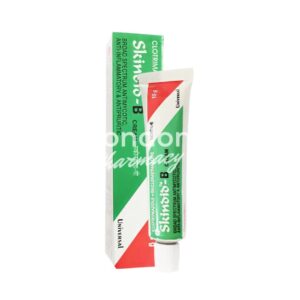
Betamethasone Clotrimazole
from
Fluconazole
from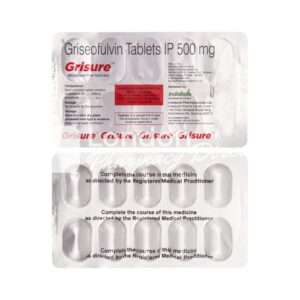
Griseofulvin
from
Lotriderm
fromUnderstanding Fungal Infections
Fungal infections affect millions of people across the United Kingdom each year. These infections occur when fungi invade the skin, nails, or internal organs, causing discomfort and health complications. Fungal infections are caused by microscopic organisms that thrive in warm, moist environments. Common types include athlete’s foot, candidiasis, ringworm, and nail infections. Unlike bacterial infections, fungal infections require specific treatment approaches as they respond differently to medication. Many fungal infections are contagious and can spread from person to person or through contaminated surfaces. The severity ranges from mild surface infections to serious systemic conditions requiring immediate medical attention. Understanding the nature of these infections helps patients seek appropriate treatment quickly and prevent further complications.
Types of Antifungal Medications Available
Antifungal medications work by either killing fungal cells or stopping their growth. The United Kingdom market offers several types of antifungal treatments, each designed for specific applications. The main categories of antifungal treatments include:
- Topical antifungals in creams, ointments, powders, and solutions applied directly to affected areas
- Oral antifungals as tablets or capsules taken by mouth to treat internal or widespread infections
- Injectable antifungals administered in hospitals for serious systemic infections
- Specialist formulations such as nail lacquers and medicated shampoos for targeted treatment
The choice of medication depends on the infection type, severity, location, and individual patient factors. Common active ingredients include terbinafine, clotrimazole, miconazole, and fluconazole. Combination products may contain multiple antifungal agents or include anti-inflammatory components. Your pharmacist can recommend the most suitable option based on your specific condition and medical history.
Popular Antifungal Products in the UK Market
Several antifungal products are widely available across UK pharmacies. Canesten remains one of the most recognised brands, offering creams and solutions for various fungal infections including thrush and athlete’s foot. Lamisil products contain terbinafine and are effective for nail infections and severe skin infections. Daktarin provides miconazole-based treatments suitable for oral thrush and skin conditions. Nizoral shampoo contains ketoconazole and treats fungal scalp infections and dandruff. Diflucan tablets contain fluconazole for systemic candida infections. Terbinafine tablets are available as generic medications and branded versions, treating nail fungal infections effectively. Loceryl nail lacquer offers a topical solution specifically for infected nails. Econazole creams provide effective treatment for various fungal skin conditions. Amorolfine nail lacquer is another specialist product for nail infections. Many of these products are available over-the-counter, whilst others require prescription from your GP.
Treatment of Common Fungal Conditions
Athlete’s Foot
Athlete’s foot, medically known as tinea pedis, affects the spaces between toes and requires consistent topical treatment. Antifungal creams applied twice daily for two to three weeks typically resolve the infection. Products like Canesten and Lamisil cream are highly effective for this condition.
Candidiasis or Thrush
Candidiasis or thrush affects oral cavities, skin folds, and intimate areas. Oral thrush responds well to lozenges or liquid suspensions, whilst genital thrush requires specific creams or pessaries.
Ringworm
Ringworm, despite its name, is a fungal infection, not parasitic. It appears as circular patches on skin and responds well to topical antifungals over three to four weeks.
Nail Infections
Nail infections are challenging and require longer treatment courses, often lasting several months with oral antifungals. Scalp infections need specialist shampoos combined with oral medication for complete resolution. Skin fold infections benefit from powders and creams to maintain dryness and prevent recurrence. Dandruff-related conditions respond to medicated shampoos containing antifungal agents. Treatment success depends on consistent application and maintaining proper hygiene throughout the course.
Application Guidelines and Safety Information
Proper application of antifungal treatments significantly improves effectiveness and prevents resistance development. Topical creams should be applied thinly and evenly to clean, dry skin, extending slightly beyond visible infection areas. Application frequency typically ranges from once to twice daily, depending on the product. Nail treatments require particular attention, as application must penetrate the nail plate effectively. Wash hands thoroughly after application unless treating your hands. Oral medications must be taken exactly as prescribed, completing the full course even if symptoms disappear.
Some antifungals interact with other medications, so inform your pharmacist about any current treatments. Pregnancy and breastfeeding require careful consideration, as some antifungals may not be suitable. Common side effects are generally mild, including skin irritation or digestive upset. Serious side effects are rare but seek immediate medical advice if you experience unusual symptoms. Store all antifungal medications according to package instructions, typically in cool, dry places. Never share antifungal treatments with others, as individual requirements vary. If symptoms persist after completing treatment, consult your GP for reassessment and alternative options.
Prevention and Long-term Management
Preventing fungal infections is significantly easier than treating them once established. Keep skin clean and thoroughly dry, especially in warm, moist areas like between toes and under breasts. Wear breathable cotton clothing and change damp clothes promptly after exercise or swimming. Use shower shoes in communal areas like swimming pools, gyms, and changing rooms to prevent athlete’s foot transmission. Maintain good nail hygiene by keeping nails short and clean, avoiding trauma to nails and cuticles. Use separate towels and personal care items if someone in your household has a fungal infection. Maintain a healthy immune system through balanced diet, regular exercise, and adequate sleep. Control blood sugar levels if diabetic, as high glucose increases fungal infection risk. Avoid prolonged antibiotic use, which can disrupt beneficial bacteria and increase fungal growth. Regular foot inspections help identify early signs of infection before they become serious. For individuals prone to recurrent infections, regular use of antifungal powders or sprays provides preventative protection. Consult your pharmacist about personalised prevention strategies based on your specific risk factors and medical history.