
Itraconazole
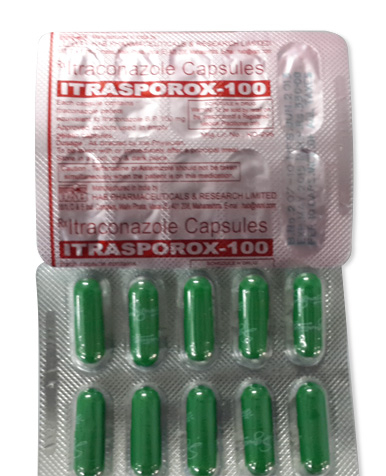
Itraconazole
- Itraconazole is available from pharmacies and online sellers in many countries, including the UK and globally under brands such as Sporanox and generic itraconazole; however, it is usually a prescription-only medicine, so supply without a prescription is generally restricted and depends on local regulations.
- Itraconazole is an antifungal medicine used to treat infections caused by fungi, including nail fungus, skin fungal infections, oral and oesophageal candidiasis, and some systemic mycoses. It works by inhibiting fungal ergosterol synthesis via blockade of the fungal cytochrome P450 enzyme 14-α-demethylase, weakening the fungal cell membrane.
- The usual adult dose depends on the infection: for onychomycosis, 200 mg once daily; for some systemic fungal infections, 200–400 mg daily; for oropharyngeal or oesophageal candidiasis, 100–200 mg daily; and for dermatomycoses, 200 mg daily or 100 mg twice daily.
- Itraconazole is administered as capsules/tablets, an oral solution, or, in hospital settings, intravenous infusion.
- It usually begins working within a few hours, but noticeable improvement in fungal infections often takes several days to weeks, especially for nail infections.
- The duration of action is prolonged, allowing once-daily or divided daily dosing; treatment length ranges from 1–2 weeks for some candidal infections to several weeks or months for nail and systemic infections.
- Alcohol should be avoided or kept to a minimum, as it may increase the risk of liver-related adverse effects and worsening side effects.
- The most common side effects are nausea, vomiting, diarrhoea, abdominal pain, headache, dizziness, rash, and raised liver enzymes.
- Would you like to try itraconazole without a prescription?
Itraconazole
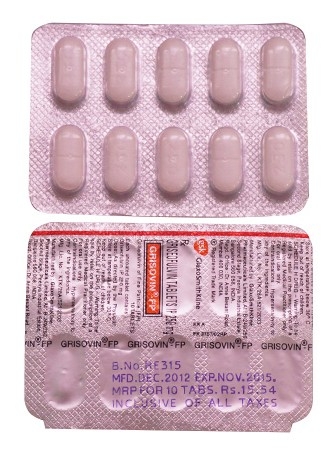
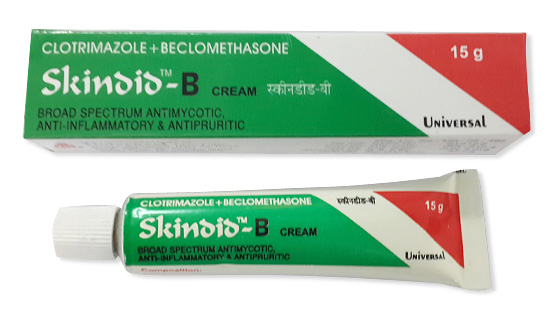
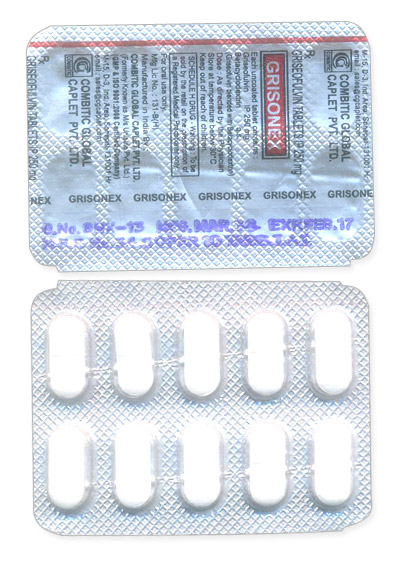
Everyday Use And Best Practices For UK Patients
Basic Itraconazole Information
- INN (International Nonproprietary Name): Itraconazole
- Brand Names Available In United Kingdom: Sporanox, Orungal, generic itraconazole
- ATC Code: J02AC02
- Forms & Dosages: Capsules/Tablets 50mg, 100mg, 200mg; Oral Solution 10mg/mL; IV Infusion 200mg/25mL
- Manufacturers In United Kingdom: Janssen Pharmaceutica/Johnson & Johnson and other generic suppliers, subject to availability
- Registration Status In United Kingdom: Prescription-only antifungal
- OTC / Rx Classification: Prescription-only medication, not available OTC
Morning Vs Evening Dosing
Taking itraconazole at the same time every day helps people stay on track, especially when treatment runs for weeks rather than days.
For itraconazole capsules, the usual advice is to take them with food, so many UK patients build it into breakfast or the evening meal.
For itraconazole oral solution, the timing can be different, and it is usually taken on an empty stomach.
A fixed prescription antifungal routine can make a big difference when life is busy, such as before the school run, after tea, or with a late shift meal.
Do not switch between itraconazole capsules and itraconazole oral solution without pharmacist or GP advice, because absorption differs and the dose may not behave the same way.
Taking With Or Without Meals
Food matters with itraconazole, and that is where a simple routine is often easiest to follow.
Tea and toast, cereal at breakfast, a sandwich at lunch, or an evening meal can all work better than taking capsules on an empty stomach.
The oral solution may suit some people better, although the taste is often unpleasant, and a rinse afterwards can help if your prescriber or pharmacist advises it.
Capsules are usually better with a proper meal rather than a snack, because a fuller stomach can support more reliable use in everyday practice.
- Take itraconazole exactly as prescribed.
- Keep capsules and oral solution separate unless your clinician says otherwise.
- Build doses into a daily dosing habit such as breakfast, lunch, or supper.
- Use a phone alarm or pill organiser if you miss routine medicines easily.
Safety Priorities Before Starting Itraconazole
Who Should Avoid It
Itraconazole is prescription-only in the UK and should always be checked by a pharmacist or prescriber before it is started.
It should be avoided in pregnancy unless the infection is life-threatening, and it must not be used in active or chronic liver impairment.
People with heart failure need extra caution, and major interaction risks exist with CYP3A4 medicines.
MHRA-style counselling means patients should disclose all medicines, including herbal products, HRT, statins, anticoagulants, epilepsy medicines, and heart medicines.
| Do Not Use | Use With Caution | Ask Your GP Or Pharmacist |
|---|---|---|
| Pregnancy unless life-threatening infection | Heart failure history | All prescription medicines and herbal products |
| Active or chronic hepatic impairment | Liver or kidney disease | Whether your current treatment is safe with itraconazole |
| Certain CYP3A4 drug combinations | Elderly patients | Whether you need closer monitoring |
Activities To Limit
Dizziness, blurred vision, headache, or fatigue can affect driving and machinery use, so extra care is sensible while starting treatment.
Shift workers, drivers, and anyone using ladders or power tools should be especially cautious until they know how itraconazole affects them.
Alcohol should be discussed carefully if liver disease is present or if side effects become worse, because the liver is already a key concern with this medicine.
Dosage And Adjustments In Everyday Practice
General Regimen
Common adult doses vary by infection, and the formulation matters just as much as the milligram strength.
For nail fungus, a usual adult dose is 200 mg/day for about three months for toenails or six weeks for fingernails.
For candidiasis, 100–200 mg/day is commonly used for one to two weeks, while some systemic infections may need 200–400 mg/day for several months.
NHS prescribers may use itraconazole differently for skin, nail, or internal fungal infections, so the label on the box should always match the treatment plan.
Special Cases
Older adults may need closer monitoring and a lower starting dose, particularly if kidney or liver function is reduced.
Liver disease, kidney disease, or multiple medicines are all reasons for a careful review before treatment begins.
Children usually need specialist input and weight-based dosing, because the safety data are more limited.
| Standard Dose | Special Adjustment | Who Decides |
|---|---|---|
| Itraconazole 100mg to 400mg daily depending on infection | Lower starting dose or closer monitoring in older adults | GP, hospital team, or specialist prescriber |
| Onychomycosis courses often last weeks to months | Review in liver or kidney disease | Prescriber and pharmacist together |
| Adult dosing depends on formulation | Children need weight-based dosing | Specialist consultation |
User Testimonials And Real-World Experience
Positive Reports From UK Patients
Patients often value itraconazole when nail, skin, or yeast infections are stubborn and other treatments have not worked well enough.
Some like the fact that certain courses are relatively short, and others feel reassured when the prescription antifungal comes with pharmacy support from familiar names such as Boots, LloydsPharmacy, or Superdrug.
Common Challenges
Patient discussions often mention nausea, forgetting doses, delays before improvement, and confusion over food instructions.
Nail infections can take months to look better even after treatment has finished, so patience matters as much as adherence.
- What patients say helps most is setting alarms for daily dosing.
- Many people find food instructions easier once they tie the dose to a regular meal.
- Pharmacist reminders are useful when other medicines are being taken too.
- People are less frustrated when they know nail improvement is slow.
Buying Guide In The UK
Pharmacy Sources
Itraconazole is usually obtained on the NHS or through a private prescription rather than over the counter.
Major UK chains and online pharmacies can dispense it when the prescription is appropriate, and a GPhC-registered online pharmacy is the safest choice for private ordering.
Our online pharmacy is available without a prescription, with discreet delivery to United Kingdom in 5-14 days, which can be helpful for people who need private access and convenient delivery.
Price Comparison
England prescription charges may apply, while prescriptions are generally free in Scotland, Wales, and Northern Ireland.
Private prices vary by brand and formulation, especially for Sporanox capsules versus generic itraconazole.
| Route | Typical Cost Context | Practical Points |
|---|---|---|
| NHS prescription | England charges may apply; generally free in Scotland, Wales, and Northern Ireland | Good if you already have NHS access and eligibility |
| Private prescription | Varies by brand and formulation | Useful when speed, flexibility, or choice matters |
| High street chain or online pharmacy | Depends on stock, formulation, and delivery service | Check pharmacist access, total cost, and delivery time |
What Is Inside And How Itraconazole Works
Ingredients Overview
The INN is itraconazole, and common forms include 50 mg, 100 mg, and 200 mg capsules or tablets, a 10mg/mL oral solution, and hospital IV infusion.
Well-known brands include Sporanox and Orungal, alongside many generic itraconazole products.
Mechanism Basics Explained Simply
Itraconazole is a triazole antifungal that stops fungi from building their protective cell structure properly.
That is why it is used for fungal infections of nails, skin, mouth, and some systemic infections.
- Itraconazole blocks fungal growth.
- It is used for broad fungal coverage.
- Capsules, oral solution, and IV forms are used in different settings.
Main Indications In UK Clinical Practice
Approved Uses
MHRA-style approved uses include onychomycosis, oropharyngeal and oesophageal candidiasis, dermatomycoses, and some systemic mycoses.
It is often chosen when treatment needs to be stronger or more targeted, especially where broad activity is helpful.
Off-Label Uses In UK Clinics
Specialist teams may sometimes use itraconazole outside the labelled indications, but that depends on local guidance and individual risk assessment.
Hospital use can differ from GP prescribing, particularly for severe or complex fungal disease.
| Condition | Typical Dose Range | Expected Duration |
|---|---|---|
| Onychomycosis | 200 mg/day | 6 weeks to 3 months |
| Oropharyngeal or oesophageal candidiasis | 100–200 mg/day | 1–2 weeks |
| Systemic mycoses | 200–400 mg/day | Several months, individualised |
Interaction Warnings: Food, Drink, And Other Medicines
Food Interactions
Capsules are usually taken with food, while the oral solution may be taken without food.
There is no special tea or coffee warning in the supplied data, so the practical point is to keep to the same routine and not improvise with the formulation.
Alcohol should be discussed carefully if liver disease is present or if side effects worsen.
Drug Conflicts
Serious interaction risks exist with CYP3A4 medicines and with terfenadine, cisapride, pimozide, quinidine, and dofetilide.
Pharmacists should also be told about statins, anticoagulants, epilepsy drugs, and heart medicines before itraconazole is supplied.
Suspected side effects can be reported through the UK Yellow Card scheme.
| Safe To Mention | Must Check | Do Not Combine |
|---|---|---|
| Tea, coffee, and ordinary meals for routine planning | Statins, anticoagulants, epilepsy drugs, heart medicines | Terfenadine, cisapride, pimozide, quinidine, dofetilide |
| Alcohol if you do not have liver disease and feel well | Any herbal product or HRT | Medicines metabolised through high-risk CYP3A4 pathways without review |
Latest Evidence And Insights
Key UK And EU Studies 2022–2025
Recent UK and EU practice continues to support itraconazole as an established systemic antifungal.
It remains useful where broad activity is needed, especially for dermatophyte, yeast, and certain systemic fungal infections.
- Itraconazole remains part of everyday clinical practice.
- It is still relevant for stubborn fungal infections.
- Choice depends on infection type, interactions, and monitoring.
Alternative Choices On The NHS
NHS Prescribing Alternatives With Pros And Cons Checklist
Fluconazole, voriconazole, posaconazole, isavuconazole, ketoconazole, caspofungin, and amphotericin B are all used as alternatives in the right setting.
Fluconazole may be simpler for some yeast infections, while itraconazole can be useful for broader fungal coverage.
Hospital agents are usually reserved for more serious infections, where monitoring and specialist input matter more.
- Ease Of Use: Fluconazole can be simpler in some cases.
- Interaction Risk: Itraconazole needs careful checking because of CYP3A4 issues.
- NHS Setting: Hospital drugs are usually used for severe disease.
- Monitoring: Liver, heart, and drug-interaction review may be needed.
Regulation Snapshot For The UK
MHRA Approval And NHS Prescribing Framework
Itraconazole is a prescription-only medicine in the UK and is regulated under MHRA standards.
NHS prescribing usually follows diagnosis, formulation choice, interaction checking, and monitoring where needed.
Pharmacy checks are an important safeguard, especially for private and online prescriptions.
| Regulation | Prescribing Route | Patient Action |
|---|---|---|
| MHRA-regulated prescription medicine | NHS or private prescription | Tell the pharmacist about all medicines and medical conditions |
| Brand names may vary | Specialist or GP-led review | Check the label and dosing instructions carefully |
| INN remains itraconazole | Pharmacy supply after clinical check | Ask questions before starting if anything is unclear |
Frequently Asked Questions For UK Patients
Common Questions
Do I take itraconazole with food? Capsules are usually taken with food, while oral solution is usually taken on an empty stomach.
How long before nail fungus improves? Nail changes can take months to show, even after treatment has finished.
Can I get itraconazole on the NHS or only privately? It can be prescribed on the NHS or privately, depending on your situation.
What if I miss a dose? Take it when remembered unless it is close to the next dose, and do not double up.
Guidelines For Proper Use
UK Pharmacist Counselling Style
Before treatment starts, the dose, formulation, timing, food instructions, interaction risks, and urgent side effects should all be checked.
Capsules and tablets should be stored below 30°C, kept dry, and left in original packaging.
Oral solution should be stored at room temperature and not frozen, while IV use is hospital-based.
NHS Patient Support Advice
Keep a list of every medicine and show it to each pharmacist or GP appointment.
Contact a clinician urgently if liver symptoms, swelling, breathlessness, severe rash, or persistent vomiting appear.
Adherence is easier with alarms, blister packs, or linking doses to routine meals.
- Before Starting: Check dose, formulation, and interactions.
- During Treatment: Watch for side effects and keep to the same daily routine.
- When To Seek Help: Liver symptoms, swelling, breathlessness, rash, or ongoing vomiting.
Delivery Across United Kingdom
| City | Region | Delivery Time |
|---|---|---|
| London | England | 5-7 days |
| Birmingham | England | 5-7 days |
| Manchester | England | 5-7 days |
| Leeds | England | 5-7 days |
| Liverpool | England | 5-7 days |
| Glasgow | Scotland | 5-7 days |
| Edinburgh | Scotland | 5-7 days |
| Cardiff | Wales | 5-7 days |
| Belfast | Northern Ireland | 5-7 days |
| Sheffield | England | 5-9 days |
| Bristol | England | 5-9 days |
| Newcastle upon Tyne | England | 5-9 days |
| Nottingham | England | 5-9 days |
| Leicester | England | 5-9 days |