
Clotrimazole
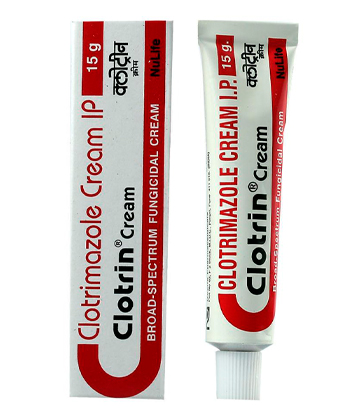
Clotrimazole
- In our pharmacy you can buy clotrimazole without a prescription or receipt; 1% topical creams, solutions and dusting powders are OTC in most countries and widely available from high‑street and online pharmacies, though some vaginal tablets, higher strengths or combination products may require a prescription depending on local regulations.
- Clotrimazole is used to treat superficial fungal infections (dermatophyte and Candida infections such as athlete’s foot, ringworm, jock itch, vulvovaginal candidiasis and oropharyngeal thrush). It is an imidazole antifungal that inhibits fungal 14α‑demethylase, disrupting ergosterol synthesis and damaging the fungal cell membrane.
- Usual dosages: for tinea (athlete’s foot, ringworm, jock itch) apply 1% cream 2–3 times daily for 2–4 weeks (continue for at least 2 weeks after symptom resolution); for vulvovaginal candidiasis use a 100 mg vaginal tablet nightly for 6 nights or a single 500 mg vaginal tablet; for oropharyngeal candidiasis a 10 mg lozenge dissolved in the mouth five times daily for up to 14 days (where available).
- Forms of administration: topical (cream, lotion, solution, powder), vaginal (tablets/ovules), and oral lozenge (troche) for oropharyngeal use.
- Onset time: symptomatic relief is often noticed within 48–72 hours, though visible improvement may take up to a week and full clearance requires completing the prescribed course.
- Duration of action: depends on formulation — topical treatment courses are typically 2–4 weeks; a single 500 mg vaginal dose provides sustained treatment effect for vulvovaginal thrush; lozenge therapy is usually given for up to 14 days.
- Alcohol warning: there is no specific alcohol contraindication for topical or vaginal clotrimazole; clotrimazole lozenges have minimal systemic absorption, but avoid excessive alcohol if you have liver disease and consult a clinician for systemic antifungal concerns.
- The most common side effect is local irritation — for topical use this includes burning, redness, itching, peeling or rash (occasionally blistering); vaginal use may cause local burning, itching, pelvic cramps or altered discharge.
- Would you like to try clotrimazole without a prescription?
Clotrimazole
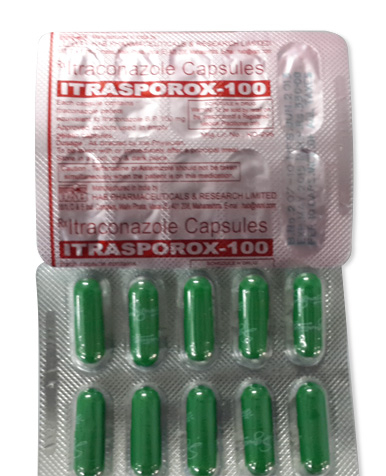
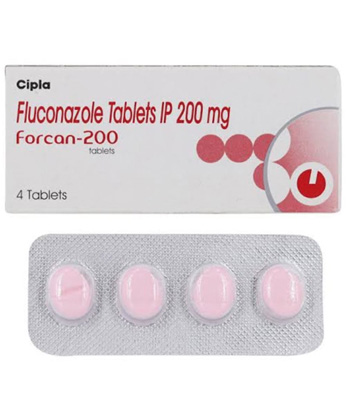
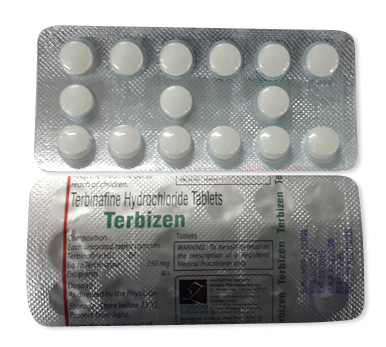
Basic Clotrimazole Information
- INN (International Nonproprietary Name): Clotrimazole
- Brand Names Available In United Kingdom: Canesten, Clotrimazolum GSK, Clotrimazolum US Pharmacia, Clotrimazolo EG, Clotrimazolo FG (various local generics)
- ATC Code: D01AC01 (topical), G01AF02 (vaginal)
- Forms & Dosages: Cream 1%–2%; Solution/lotion 1%; Dusting powder 1%; Vaginal tablets/pessaries 100 mg and 500 mg; Oral lozenges 10 mg (rare)
- Manufacturers In United Kingdom: Major global suppliers listed include Bayer (Canesten) and GSK among others; multiple generics are supplied by international manufacturers and local distributors
- Registration Status In United Kingdom: Canesten and generics are registered across Europe and most topical and vaginal formulations are available over the counter, while some higher-strength or combination products may require prescription
- OTC / Rx Classification: 1% topical creams, lotions and dusting powders are typically OTC; certain vaginal preparations or combination products may be prescription-only depending on the product
Please read these safety notes before using clotrimazole.
If you have a known sensitivity to imidazole antifungals or have had an allergic skin reaction, do not use clotrimazole.
Seek urgent care for any severe rash, widespread swelling or breathing difficulty after application.
Never apply clotrimazole to the eyes.
Store treatments below 25°C, keep them away from moisture and direct sunlight, and do not freeze creams or lotions.
In England prescription items may carry an NHS charge; prescriptions are free in Scotland, Wales and Northern Ireland.
Many 1% topical preparations and several vaginal pessaries are available over the counter at Boots, LloydsPharmacy and Superdrug.
Daily-life tip: apply after showering and before bed when you have time to let the area air-dry and retain creams or pessaries.
Avoid sharing towels, change damp socks or underwear promptly, and allow affected skin to breathe when possible.
Use this quick pre-use checklist before applying clotrimazole.
- Allergy To Imidazoles: Yes / No.
- Pregnancy Or Breastfeeding: Check with GP or pharmacist if unsure.
- Broken Or Severely Inflamed Skin: Seek clinical advice before topical use.
Storage And Safety Quick List:
- Keep below 25°C and away from sunlight.
- Do not refrigerate or freeze.
- Keep out of reach of children.
Everyday Use & Best Practices
Morning Vs Evening Dosing
Which time works best depends on your routine and the product.
For skin infections a typical routine is to apply clotrimazole 1% cream in the morning after showering and again in the evening before bed.
This takes advantage of natural hygiene moments and helps the cream absorb while you sleep.
For vaginal pessaries insert at night to aid retention and reduce leakage.
Taking With Or Without Meals (Uk Diet Habits)
Topical and vaginal clotrimazole have no meaningful food interactions.
Oral lozenges are uncommon in the UK but follow the product leaflet: allow the lozenge to dissolve and avoid eating immediately afterwards.
A heavy meal, strong tea or coffee does not alter the effect of topical products.
If you have skin breakdown or vaginal irritation avoid high alcohol intake because it can aggravate local symptoms.
Step-By-Step Application For Skin (Simple Bullet List):
- Wash and dry the affected area thoroughly.
- Apply a thin film of clotrimazole 1% cream to cover affected skin and a small margin of normal skin.
- Use two to three times daily for the recommended duration.
- Allow the cream to absorb before dressing.
Timing Options (Quick Table):
| Situation | Recommended Timing |
|---|---|
| Daily Skin Care | After shower (morning) and before bed (evening) |
| Vaginal Pessary | At bedtime for retention (single 500 mg or nightly 100 mg) |
| Oral Lozenges | As per leaflet; avoid eating while dissolving |
Safety Priorities
Who Should Avoid It (Mhra Warnings)
Do not use clotrimazole if you have known hypersensitivity to clotrimazole or other imidazoles.
Avoid use on severely broken, inflamed or widespread damaged skin where absorption may increase unless advised by a clinician.
Topical and vaginal use is usually considered safe in pregnancy and lactation, but always check with your GP or pharmacist first.
Serious systemic effects are rare with topical clotrimazole.
Activities To Limit (Driving, Work Safety)
Clotrimazole does not impair driving or most work tasks.
If you experience significant local irritation, dizziness or lightheadedness after application, avoid safety-critical work until symptoms settle.
Healthcare workers or food handlers with active fungal infections should follow workplace policies on exclusion until treated and deemed non-infectious.
Do Not Use If (Checklist):
- Known Allergy To Imidazoles.
- Severe Or Widespread Skin Reactions.
- Medication Intended For The Eyes.
Red Flag Symptoms Requiring Urgent Review:
- Widespread rash or facial swelling.
- Difficulty breathing.
- High fever or systemic illness after application.
Dosage & Adjustments
General Regimen (Nhs Guidance)
For tinea such as athlete’s foot, ringworm or jock itch apply 1% clotrimazole cream to the affected area two to three times daily for 2–4 weeks and continue treatment for at least two weeks after symptoms clear.
For vulvovaginal candidiasis use a 100 mg pessary nightly for six nights or a single 500 mg pessary depending on product choice.
Oropharyngeal candidiasis treated with 10 mg lozenges is less common in the UK and usually requires a prescription.
Special Cases (Elderly, Comorbidities)
Children can be treated topically similar to adults, but obtain paediatric advice for children under two years.
Elderly patients normally require no dose adjustment but should be monitored for increased skin sensitivity.
Topical and vaginal routes need no adjustment in liver or kidney impairment; avoid systemic oral clotrimazole where severe liver disease exists.
If you miss a dose apply it as soon as remembered and do not double up at the next scheduled time.
Dosage Summary Table:
| Indication | Typical Dose | Duration |
|---|---|---|
| Tinea (Athlete’s Foot, Ringworm, Jock Itch) | Clotrimazole 1% cream 2–3× daily | 2–4 weeks, continue 2 weeks after resolution |
| Vulvovaginal Candidiasis | Vaginal pessary 100 mg nightly × 6 nights or single 500 mg | 1–6 days depending on product |
| Oropharyngeal Candidiasis | 10 mg lozenge 5× daily (rare, Rx) | 14 days or 48 hours after symptom resolution |
Special-Case Flags (Checklist):
- Under 2 Years: Seek paediatric advice.
- Severe Liver Disease: Avoid systemic oral forms.
- Recurrent Infections: Consider GP review and microbiological testing.
User Testimonials
Positive Reports From UK Patients
Many UK patients report itch and redness improving within a few days when using clotrimazole 1% cream for skin fungal infections.
Vaginal pessaries—both the single 500 mg and the six-night 100 mg courses—are often praised for convenience and symptom relief.
Brand names such as Canesten are commonly referenced in feedback and forums.
Common Challenges (Patient.info, Nhs Forums)
Common issues raised on Patient.info and NHS message boards include stopping treatment too soon and seeing symptoms return.
Predisposing factors such as diabetes, tight footwear or damp shoes are frequent causes of recurrence.
Some users find the variety of OTC options at Boots, LloydsPharmacy and Superdrug confusing and are unsure when to consult a GP.
What Patients Say (Bulleted Highlights):
- Fast itch relief with clotrimazole cream.
- Convenience of Canesten 500 mg single-dose pessary.
- Need to address predisposing factors to avoid recurrence.
When To See A GP (Checklist):
- Symptoms Worsen Or Do Not Improve After Full Course.
- Repeated Episodes Or Suspected Underlying Condition (Diabetes, Immunosuppression).
- Systemic Symptoms Such As Fever Or Malaise.
Buying Guide
Pharmacy Sources (Boots, Lloydspharmacy, Superdrug)
Clotrimazole 1% creams and many vaginal pessaries are widely stocked at high-street pharmacies including Boots, LloydsPharmacy and Superdrug.
Online e-pharmacies also sell cream, powder and pessary formulations.
Common branded choices include Canesten and various generics; packaging and names vary between suppliers.
Price Comparison (Nhs Prescription Charge Vs Private)
In England an NHS prescription item generally carries a charge; prescriptions are free in Scotland, Wales and Northern Ireland.
OTC prices for a small tube of 1% cream may be less than the prescription charge in England, while pessaries differ in price and convenience.
Choose a single 500 mg pessary for a one-off dose or a 6×100 mg pack for a multi-night course depending on cost and preference.
Common Pack Types And Typical Cost Guide:
| Pack Type | Typical OTC Price Range | Prescription Usually Required? |
|---|---|---|
| Clotrimazole 1% Cream (small tube) | Low cost (varies by retailer) | Usually OTC |
| Vaginal Pessary 100 mg × 6 | Moderate cost | Usually OTC |
| Vaginal Pessary Single 500 mg | Moderate to higher cost | Usually OTC |
Safe Online Buying Checklist:
- Buy From A Registered Pharmacy Or Recognised Retailer.
- Check For MHRA-Approved Products And Clear Expiry Dates.
- Avoid Suspiciously Cheap Or Unlabelled Packs.
In our online pharmacy, clotrimazole is available without a prescription, with discreet delivery to United Kingdom in 5-14 days.
What’s Inside & How It Works
Ingredients Overview
Clotrimazole is an imidazole antifungal with the INN clotrimazole listed in regulatory databases.
Typical formulations contain 1%–2% clotrimazole in creams, lotions or powders and 100 mg or 500 mg in vaginal pessaries.
Excipients vary by brand to aid spreadability and absorption; always check the leaflet if you have known sensitivities.
Mechanism Basics Explained Simply
Clotrimazole inhibits the fungal enzyme pathway that produces ergosterol, an essential component of fungal cell membranes.
Without ergosterol the fungal cell membrane weakens, growth stops and the infection clears.
Imidazoles such as clotrimazole are often fungistatic but can be fungicidal at sufficient local concentrations against some organisms.
Common Formulations (Labelled List):
- Creams 1%–2% for skin and some intravaginal use.
- Vaginal Tablets/Pessaries 100 mg and 500 mg for thrush.
- Solutions/Lotions 1% for topical application.
- Dusting Powders 1% for skin intertrigo and feet.
Mechanism → Effect → Patient Impact (One-Row Table):
| Mechanism | Effect | Patient Impact |
|---|---|---|
| Blocks Ergosterol Synthesis | Weakens Fungal Cell Membrane | Stops Fungal Growth, Relieves Itch And Redness |
Main Indications
Approved Uses (Mhra Listing)
Clotrimazole is licensed for topical treatment of superficial fungal infections such as tinea (athlete’s foot, ringworm, jock itch) and for vulvovaginal candidiasis using pessaries or creams.
Oropharyngeal candidiasis can be treated with lozenges where available, though these are less commonly used in the UK.
Off-Label Uses In Uk Clinics
Clinics may use clotrimazole adjunctively for mixed infections or prescribe combination products containing corticosteroids for inflammatory fungal conditions under supervision.
Combination steroid–antifungal products can mask symptoms and should be used only with clinical oversight.
Indication, Product Type And Typical Duration:
| Indication | Common Product Type | Typical Duration |
|---|---|---|
| Athlete’s Foot / Tinea Pedis | Clotrimazole 1% Cream / Powder | 2–4 Weeks |
| Vulvovaginal Candidiasis | Vaginal Pessary 100 mg or 500 mg | 1–6 Days |
| Oropharyngeal Candidiasis | Clotrimazole Lozenges (Rx in many areas) | Up To 14 Days |
Red Flags Prompting GP Referral (Checklist):
- Systemic Signs Such As Fever Or Spreading Infection.
- Infection Persists After Full Course.
- Recurrent Episodes Suggesting Underlying Issue.
Interaction Warnings
Food Interactions (Alcohol, Tea/Coffee)
Topical and vaginal clotrimazole have negligible food interactions.
Alcohol, tea or coffee do not affect topical efficacy.
For oral systemic forms, which are rare, caution is advised in severe liver disease.
Drug Conflicts (Mhra Yellow Card Reports)
Drug interactions with topical clotrimazole are uncommon.
Combination products that include corticosteroids or antibiotics change the safety profile and may increase irritation or mask symptoms.
MHRA Yellow Card reports occasionally record local adverse reactions but serious systemic interactions are rare with topical use.
Do Not Mix (Short Bullet List):
- Avoid Concurrent Use With Other Strong Topical Agents Without Pharmacist Advice.
- Do Not Combine With Unchecked Steroid Preparations At Home.
Reporting Checklist:
- Report Unusual Or Severe Reactions Via The MHRA Yellow Card Scheme.
- Consult A Pharmacist If Using Multiple Topical Preparations.
Latest Evidence & Insights
Key Uk & Eu Studies 2022–2024
Recent UK and EU literature continues to support topical imidazoles like clotrimazole for superficial Candida and dermatophyte infections with a favourable safety profile.
Comparative studies indicate terbinafine may deliver faster dermatophyte eradication in some tinea cases, while clotrimazole remains effective for many Candida and mixed infections.
Local resistance to clotrimazole remains uncommon but surveillance is recommended for recurrent or treatment-failing cases.
What It Means For Patients
Adherence and treatment duration are key drivers of success; stopping early is a frequent cause of recurrence found in studies and forum reports.
Clotrimazole is a reasonable first-line OTC option for many skin and vaginal fungal infections, but persistent or recurrent infections should prompt GP review for alternative therapy or testing.
Study Conclusions (Bulleted Summary):
- Clotrimazole Is Safe And Effective For Superficial Fungal Infections.
- Terbinafine May Be Faster For Certain Dermatophyte Infections.
- Adherence Reduces Recurrence Rates.
When To Seek Further Evaluation (Checklist):
- Recurrent Infection Despite Correct Use.
- Immunosuppression Or Diabetes Increasing Risk.
- Systemic Symptoms Or Spreading Infection.
Alternative Choices
Nhs Prescribing Alternatives With Pros/Cons Checklist
Terbinafine topical (Lamisil) is often preferred for dermatophyte infections because it can act faster in some cases.
Miconazole (Daktarin) is another widely used imidazole with a spectrum similar to clotrimazole.
For vulvovaginal candidiasis oral fluconazole (single 150 mg) is commonly prescribed for non-pregnant adults and can be more convenient for some patients.
Otc/Private Options And When To Choose Them
Many 1% clotrimazole creams and pessaries are available OTC; choose a single 500 mg pessary for convenience or a 6-night 100 mg course for cost balance.
Consider pharmacist advice when symptoms are atypical or recurrent and GP referral for repeated episodes or pregnancy.
Agent Comparison Table:
| Agent | Typical Indication | Pros | Cons |
|---|---|---|---|
| Clotrimazole | Dermatophyte, Candida | OTC, Good Tolerability | May Be Slower For Some Tinea Cases |
| Terbinafine | Tinea (Dermatophyte) | Faster Eradication For Some Cases | Possible Local Irritation In Some Patients |
| Fluconazole (Oral) | Vulvovaginal Candidiasis | Single Oral Dose Option | Not Suitable In Pregnancy; Caution In Liver Disease |
GP Referral Checklist:
- Recurrent Or Treatment-Resistant Cases.
- Systemic Symptoms Or Widespread Infection.
- Pregnancy Or Complex Comorbidities.
Regulation Snapshot
Mhra Approval & Product Status In The Uk
Clotrimazole is widely licensed for topical and vaginal use and classified under ATC codes D01AC01 and G01AF02.
Many 1% formulations are available OTC in the UK, while higher strengths or combined products may require a prescription.
The MHRA oversees product licences and safety reporting in the UK.
Nhs Prescribing Framework & Pharmacy Practice
NHS prescribing decisions take into account cost-effectiveness, clinical indication and prior treatments as per local formularies.
Community pharmacists commonly recommend OTC clotrimazole for straightforward tinea or thrush and will refer to a GP when red flags appear.
OtC Vs Prescription Status (Small Table):
| Product Type | OTC Or Prescription |
|---|---|
| Clotrimazole 1% Cream / Powder | Usually OTC |
| Vaginal Pessaries (100 mg / 500 mg) | Often OTC, Some Variants May Be Rx |
| Combination Products With Steroids | May Require Prescription |
Pharmacist Screening Questions (Checklist):
- How Long Have Symptoms Been Present?
- Are You Pregnant Or Breastfeeding?
- Have You Had Similar Episodes Before?
FAQ Section
Will Clotrimazole Cure My Thrush And How Long Will It Take?
Many patients respond well to vaginal pessaries with symptom relief often within days.
Complete cure depends on following the full course: either a single 500 mg pessary or 6 nights of 100 mg as directed by the product leaflet.
Stopping early is a common reason for incomplete cure and recurrence.
When Should I See A Gp Instead Of Using Otc Products?
See a GP if symptoms persist after a full course, if episodes recur frequently, or if you have diabetes, are immunosuppressed or pregnant.
Also consult a GP for unusual odour, severe pain, systemic symptoms such as fever, or if you are unsure whether the problem is fungal—conditions like eczema, psoriasis or bacterial vaginosis can mimic thrush.
Quick Red-Flag List:
- Persistent Symptoms After Full Course.
- Recurrent Episodes Or Systemic Signs.
- Pregnancy, Diabetes, Or Immunosuppression.
Self-Care Before Contacting A Gp (Checklist):
- Complete The Recommended Course Of Treatment.
- Address Predisposing Factors Like Damp Shoes Or Tight Clothing.
- Keep Affected Skin Clean And Dry.
Guidelines For Proper Use
Uk Pharmacist Counselling Style
Pharmacists confirm symptoms and duration, check contraindications such as allergy or pregnancy, and advise on correct application.
Advice typically includes applying a thin layer 2–3 times daily for skin infections and inserting pessaries at bedtime for vaginal treatment.
Pharmacists will emphasise completing the full course and recommend reducing predisposing factors such as keeping feet dry and changing socks frequently.
Nhs Patient Support Advice
Patients can use NHS 111 online for self-care guidance and should see a GP for repeated or severe infections.
Report adverse effects via the MHRA Yellow Card scheme and ask pharmacists for follow-up if symptoms are not improving.
Pharmacists should remind patients about prescription charges in England versus free prescriptions elsewhere in the UK when discussing cost options.
Pharmacist Counselling Checklist:
- Confirm Duration And Nature Of Symptoms.
- Check For Pregnancy, Age Under 2 Years, Or Known Allergies.
- Advise On Application, Duration, And When To Return To The Pharmacy Or GP.
Patient Take-Home Checklist (Fits An A4 Page):
- Wash And Dry Areas Before Applying Cream.
- Use 2–3 Times Daily For Skin, Pessary At Night For Thrush.
- Finish Full Course Even If Symptoms Improve.
- Keep Products Below 25°C And Away From Sunlight.
- Return For Review If No Improvement Or If Symptoms Return.
Delivery Across United Kingdom
| City | Region | Delivery Time |
|---|---|---|
| London | England | 5-7 days |
| Birmingham | England | 5-7 days |
| Manchester | England | 5-7 days |
| Glasgow | Scotland | 5-7 days |
| Edinburgh | Scotland | 5-7 days |
| Leeds | England | 5-7 days |
| Belfast | Northern Ireland | 5-7 days |
| Cardiff | Wales | 5-7 days |
| Liverpool | England | 5-9 days |
| Sheffield | England | 5-9 days |
| Newcastle | England | 5-9 days |
| Nottingham | England | 5-9 days |
| Brighton | England | 5-9 days |