
Lamisil
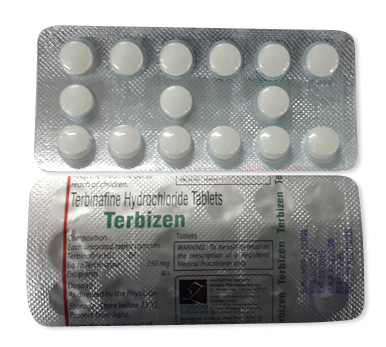
Lamisil
- In our pharmacy, you can buy lamisil topical products without a prescription (available OTC in some markets); oral tablets (250 mg) are prescription-only. We offer delivery in 5–14 days throughout the United Kingdom with discreet packaging.
- Lamisil (terbinafine) is used to treat fungal skin and nail infections such as athlete’s foot, tinea corporis/cruris and onychomycosis; it is fungicidal by inhibiting squalene epoxidase, blocking ergosterol synthesis and causing fungal cell death.
- Usual doses: oral terbinafine 250 mg once daily (typical courses 6 weeks fingernails, 12 weeks toenails; 2–6 weeks for skin infections); topical 1% cream or spray applied as a thin layer once or twice daily for 1–4 weeks depending on the condition.
- Forms of administration: oral tablet (250 mg) and topical formulations (cream 1%, spray 1%) applied to the affected area.
- Onset time: for skin infections many people notice improvement within 1–2 weeks; for nail infections visible improvement usually takes several weeks to months as the nail grows out.
- Duration of action: terbinafine has a terminal half-life of about 16 days with persistent tissue levels for weeks after dosing; clinical treatment courses typically range from 1–12 weeks depending on indication.
- Alcohol warning: avoid excessive alcohol while taking oral terbinafine and report any signs of liver problems; alcohol may increase the risk of liver injury and monitoring is advised.
- Most common side effec: gastrointestinal symptoms such as nausea or abdominal discomfort (other common effects include headache and skin rash).
- Would you like to try lamisil without a prescription?
Lamisil
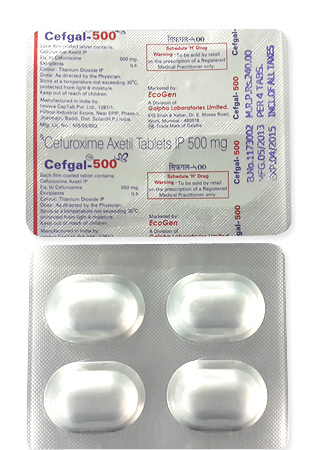
Basic Lamisil Information
- INN (International Nonproprietary Name): Terbinafine
- Brand Names Available In United Kingdom: Lamisil® (tablets 250 mg and cream 1%). Generics are widely available and sold under names such as Terbinafine and other local brands.
- ATC Code: D01BA02
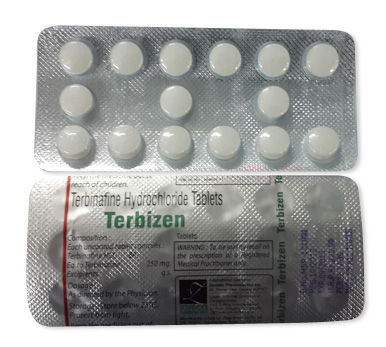
- Forms & Dosages: Oral tablets 250 mg (packs of 7, 14, 28, 30). Topical cream 1% (tubes 7 g, 15 g, 30 g). Topical spray 1% in some markets (15 ml, 30 ml).
- Manufacturers In United Kingdom: Original brand Novartis Pharma AG with many generics produced by companies such as Sandoz, Zentiva, Krka, Teva, Glenmark, Stada, Medochemie and Egis.
- Registration Status In United Kingdom: Lamisil is authorised in the UK/EU for dermatophyte infections. Oral terbinafine is prescription-only; topical 1% forms may be available OTC in some jurisdictions.
- OTC / Rx Classification: Oral tablet — Prescription-only (Rx). Topical forms — Available OTC in some markets but remain prescription-only in others.
Everyday Use & Best Practices
Morning Vs Evening Dosing
Wondering whether to take the tablet in the morning or evening?
Choose a consistent time each day to build a routine and reduce missed doses.
Many UK patients prefer taking Lamisil 250 mg with breakfast to anchor the dose to a daily habit.
For onychomycosis follow the continuous oral regimen: 6 weeks for fingernails and 12 weeks for toenails as per NHS guidance.
Mark doses on a calendar or use a phone alarm to improve adherence to terbinafine tablets.
Taking With Or Without Meals (UK Diet Habits)
Unsure if food matters with terbinafine?
Oral terbinafine absorption is around 40–50% and the tablet may be taken with or without food.
Taking the tablet with a light breakfast—tea and toast or porridge—often reduces the chance of nausea.
If using topical Lamisil cream or spray, apply a thin layer once or twice daily to clean, dry skin and allow footwear to dry before putting it on.
- Daily Alarm: set a phone reminder for tablets.
- Calendar: mark start and planned end dates for nail courses.
- Foot-Care Routine: dry feet, change socks daily, antifungal powder if needed.
- Note Of OTC Vs Rx: oral Lamisil 250 mg requires a prescription in the UK; topical 1% may be OTC.
Safety Priorities
Who Should Avoid It (MHRA Warnings)
Worried about safety or liver risk?
Do not use terbinafine if there is known hypersensitivity to terbinafine or any excipient.
Oral terbinafine must be avoided in people with chronic or active liver disease because of risk of accumulation and toxicity.
MHRA safety advice emphasises stopping oral therapy if signs of liver injury develop—dark urine, jaundice, or persistent nausea.
Oral terbinafine is not routinely recommended for under-18s, and pregnant or breastfeeding patients should seek specialist advice.
Activities To Limit (Driving, Work Safety)
Worried about side effects affecting daily tasks?
Terbinafine can cause dizziness or visual disturbance in some people; avoid driving or operating heavy machinery until you know how it affects you.
Topical forms rarely affect alertness but may cause local irritation; wash hands before handling tools, food or childcare if cream has been applied.
- Contraindications: active liver disease; known hypersensitivity.
- Urgent Symptoms—Stop And Contact GP/NHS 111:
- Yellowing of the skin or eyes (jaundice)
- Dark urine or persistent nausea
- Severe allergic reaction (swelling, difficulty breathing)
Dosage & Adjustments
General Regimen (NHS Guidance)
Wondering what the usual dose is?
Standard adult oral dose is 250 mg once daily for most infections.
For nail infections take oral terbinafine continuously: 6 weeks for fingernails and 12 weeks for toenails.
Skin infections usually respond to 2–4 weeks of oral therapy, while topical Lamisil 1% cream or spray is applied as a thin layer 1–2 times daily for 1–4 weeks depending on the condition.
Special Cases (Elderly, Comorbidities)
Need adjustments for age or kidney problems?
No routine dose reduction is required for elderly patients, but closer monitoring is advised because of possible hepatic or renal impairment.
For moderate to severe renal impairment (CrCl <50 mL/min) consider a 50% dose reduction or specialist advice.
Avoid oral terbinafine in hepatic impairment due to accumulation and toxicity risk.
Oral use in children under 18 is not routinely recommended and should be specialist-led if considered.
| Form | Typical Adult Dose | Usual Duration |
|---|---|---|
| Oral Tablet | Terbinafine 250 mg once daily | 6 weeks (finger), 12 weeks (toe); skin 2–6 weeks |
| Topical Cream/Spray 1% | Apply thin layer 1–2 times daily | 1–4 weeks (varies by condition) |
User Testimonials
Positive Reports From UK Patients
Curious how others found treatment?
Many UK patients report that oral terbinafine cleared stubborn nail fungal infections when topical treatments failed.
Common praise notes the convenience of once-daily Lamisil 250 mg tablets and reasonably good cost when prescribed on the NHS.
Patients often observe fungal clearance before visual improvement, with noticeable nail regrowth over 3–6 months after finishing treatment.
Common Challenges (Patient.info, NHS Forums)
Worried about side effects or relapse?
Frequent patient-reported issues include taste disturbance or loss, transient gastrointestinal upset and concerns about liver monitoring.
Recurrence can occur after treatment and slow nail regrowth frustrates many; practical tips from forums include photographing nails at baseline and maintaining footwear hygiene.
| Pros | Cons |
|---|---|
| Effective for dermatophyte onychomycosis; once-daily tablet; widely available | Taste disturbance, GI upset, monitoring for liver symptoms; slow visual results |
Buying Guide
Pharmacy Sources (Boots, LloydsPharmacy, Superdrug)
Trying to find a trusted source?
In the UK, oral Lamisil tablets are prescription-only, while topical 1% cream or spray may be available OTC in some outlets.
Trusted high-street pharmacies include Boots, LloydsPharmacy and Superdrug, and reputable online sellers should display GPhC registration.
Generic terbinafine tablets and creams are commonly stocked by major chains and may reduce cost compared with the branded product.
Price Comparison (NHS Prescription Charge Vs Private)
Wondering about cost?
Prescription charges apply in England unless a patient is exempt; prescriptions are free in Scotland, Wales and Northern Ireland.
Private prices vary and online pharmacies often offer generic terbinafine cheaper than branded Lamisil 250 mg tablets.
Always check packaging (blister packs for tablets, 1% cream tubes) and expiry dates before purchase.
| Source | Typical Availability | Price Note |
|---|---|---|
| NHS Prescription | Oral terbinafine (Rx) | Subject to prescription charge in England |
| High-Street Pharmacies | Topical 1% OTC (varies), generics | OTC topical often cheaper |
| Registered Online Pharmacies | Rx and OTC options | Generics commonly cheaper; check GPhC registration |
What’s Inside & How It Works
Ingredients Overview
Want to know what the medicine contains?
The active ingredient is terbinafine (terbinafine hydrochloride in oral tablets).
Oral formulation: terbinafine 250 mg tablets commonly supplied in blister packs of 7–30 tablets.
Topical forms include cream 1% and spray 1% in tubes or bottles.
Manufacturers include Novartis and a range of generic producers such as Sandoz, Zentiva and Krka.
Mechanism Basics Explained Simply
Curious how it kills fungi?
Terbinafine is fungicidal against dermatophytes by inhibiting squalene epoxidase and blocking ergosterol synthesis, causing fungal cell death.
Oral therapy penetrates the nail via the bloodstream, while topical Lamisil acts locally on skin.
Pharmacokinetics: oral absorption is about 40–50% with significant first-pass metabolism and a terminal half-life around 16 days after repeated dosing, with adipose accumulation.
Main Indications
Approved Uses (MHRA Listing)
Not sure what it treats?
Terbinafine is authorised for dermatophyte infections including onychomycosis (nail fungus), tinea corporis/cruris (body and groin) and tinea pedis (athlete’s foot).
Typical oral dose is 250 mg once daily with durations of 6 weeks for fingernails and 12 weeks for toenails; skin infections commonly need 2–6 weeks.
Topical 1% forms are applied once or twice daily for 1–4 weeks for straightforward skin infections.
Off-Label Uses In UK Clinics
Wondering about specialist options?
Clinicians sometimes use terbinafine off-label in combination with topical agents for resistant cases or selected fungal infections not responding to first-line therapy.
Specialist dermatology advice is recommended for recurrent or complex onychomycosis, immunosuppressed patients, or non-dermatophyte nail infections.
Interaction Warnings
Food Interactions (Alcohol, Tea/Coffee)
Can I have a drink while taking terbinafine?
There are no major interactions with tea or coffee; however, avoid excess alcohol during oral terbinafine therapy because of additional liver stress.
Moderate alcohol intake is advised rather than heavy drinking while on treatment.
Drug Conflicts (MHRA Yellow Card Reports)
Worried about mixing medicines?
Terbinafine affects CYP enzymes—particularly CYP2D6—so concurrent use with certain antidepressants, beta-blockers and other CYP2D6 substrates requires review.
MHRA Yellow Card reports include hepatic events and rare severe reactions; report any suspected adverse event via the Yellow Card scheme.
| Potential Interaction | Advice |
|---|---|
| Antidepressants, some beta-blockers | Review with prescriber due to CYP2D6 interaction |
| Alcohol | Avoid heavy intake; moderate only |
Latest Evidence & Insights
Key UK & EU Studies 2022–2025
Looking for the most recent studies?
Recent UK and EU literature up to 2025 continues to support oral terbinafine 250 mg once daily as an effective first-line for dermatophyte onychomycosis, showing higher mycological cure rates than topical monotherapy for moderate to severe cases.
Studies highlight the value of pre-treatment mycological confirmation and baseline liver assessment in selected patients.
What The Evidence Means For Patients
How should that shape care?
Patients should discuss nail sampling with their GP or pharmacist before long courses of systemic therapy, expect safety counselling on liver symptoms, and combine systemic treatment with footwear and hygiene measures to reduce recurrence.
New topical agents may be preferable for patients who cannot take oral terbinafine.
Alternative Choices
NHS Prescribing Alternatives
Wondering about other options on the NHS?
Alternatives include itraconazole or fluconazole for certain nail or skin mycoses depending on the pathogen, interactions and comorbidities.
Topical options for mild infections include terbinafine cream or ciclopirox for nails, while oral agents are reserved for more severe disease.
Pros/Cons Checklist
- Terbinafine Oral: pros — fungicidal, once-daily dosing; cons — liver risk, taste disturbance.
- Itraconazole: pros — useful for some resistant infections; cons — significant drug interactions and monitoring.
- Topical Agents: pros — minimal systemic risk; cons — poorer nail penetration and longer treatment times.
Regulation Snapshot
MHRA Approval & Status
Curious about regulation?
Terbinafine is authorised for dermatophyte infections in the UK and EU; oral tablets are prescription-only while topical forms may be OTC in some markets.
MHRA safety communications note rare but serious hepatic reactions and recommend monitoring and clear patient counselling.
NHS Prescribing Framework
How do GPs decide to prescribe?
GPs are advised to confirm diagnosis where possible, weigh the benefit against liver and interaction risks before starting systemic terbinafine, and document baseline liver history.
Community pharmacists often advise on topical treatment, OTC options and refer patients to GPs for systemic therapy consideration.
FAQ Section
Common UK Patient Questions
- How Long Until I See Improvement? Skin infections often improve within 2–4 weeks; nails take months—visual improvement lags behind fungal cure and regrowth may be seen after treatment ends.
- Do I Need Blood Tests? Routine baseline liver function tests are advised if risk factors exist; otherwise monitor clinically and test if symptoms arise.
- Can I Drink Alcohol? Limit alcohol; avoid heavy drinking while on oral terbinafine because of liver stress.
- Is Topical Treatment Enough? Mild skin infections often respond to topical Lamisil 1% cream or spray, but nail infections generally need systemic therapy for the best outcomes.
When To Contact NHS 111 Or GP
Seek urgent advice for jaundice, severe abdominal pain, unexplained bleeding, or signs of anaphylaxis.
Guidelines For Proper Use
UK Pharmacist Counselling Style
Need clear counselling points?
Pharmacists should confirm the indication, ask about liver disease, alcohol use and other medicines—especially those metabolised by CYP2D6.
Advise expected timelines for nail regrowth, common side effects such as taste change and GI upset, and instruct patients to stop and seek help for signs of liver injury or hypersensitivity.
Storage advice: store tablets and topical products at 15–30°C, protect from moisture and light, and keep containers tightly closed.
NHS Patient Support Advice
Looking for practical support tips?
Advise patients to photograph affected areas for monitoring, practise footwear hygiene, avoid sharing nail clippers and return to the GP if there is no improvement or if side effects develop.
For prescription or service queries direct patients to their local GP, NHS 111 or a registered pharmacy service.
In our online pharmacy, lamisil is available without a prescription, with discreet delivery to United Kingdom in 5-14 days.
Delivery Across United Kingdom
| City | Region | Delivery time |
|---|---|---|
| London | England | 5-7 days |
| Birmingham | England | 5-7 days |
| Manchester | England | 5-7 days |
| Glasgow | Scotland | 5-7 days |
| Leeds | England | 5-7 days |
| Liverpool | England | 5-7 days |
| Edinburgh | Scotland | 5-7 days |
| Bristol | England | 5-7 days |
| Sheffield | England | 5-9 days |
| Newcastle Upon Tyne | England | 5-9 days |
| Belfast | Northern Ireland | 5-9 days |
| Cardiff | Wales | 5-9 days |
| Coventry | England | 5-9 days |
| Leicester | England | 5-9 days |
| Nottingham | England | 5-9 days |