
Glucotrol
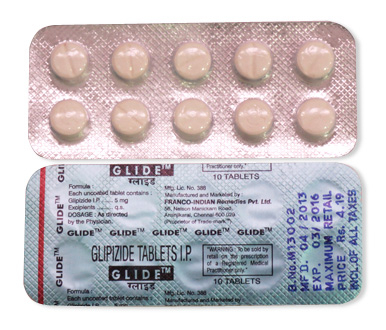
Glucotrol
- In community pharmacies and from authorised online suppliers in the UK and internationally, Glucotrol (glipizide) is classified as a prescription-only medicine and should be supplied on prescription; although some pharmacies or online vendors may offer Glucotrol without a prescription, doing so is non-compliant with regulations and carries medical and legal risks.
- Glucotrol is used to treat type 2 diabetes mellitus; it is a sulfonylurea that lowers blood glucose by stimulating insulin release from pancreatic beta cells through closure of ATP‑sensitive potassium channels.
- The usual adult dose is an initial 5 mg once daily (30 minutes before breakfast for immediate‑release; with breakfast for Glucotrol XL), titrating by 2.5–5 mg every few days as needed; maintenance is typically 5–20 mg daily (single or divided doses), with maximums of 40 mg/day for immediate‑release and 20 mg/day for XL.
- Administration is oral tablets: immediate‑release tablets (commonly 2.5, 5, 10 mg) and extended‑release Glucotrol XL tablets (5 mg, 10 mg).
- Onset of action: immediate‑release formulations usually begin to work within about 15–30 minutes (peak effect 1–3 hours); extended‑release formulations have a slower onset, typically 2–4 hours.
- Duration of action: immediate‑release effects commonly last approximately 12–24 hours depending on dose and patient factors; Glucotrol XL provides a sustained effect up to about 24 hours.
- Alcohol warning: alcohol can potentiate the hypoglycaemic effect and may provoke flushing or other reactions; avoid alcohol or use with caution and monitor blood glucose closely.
- The most common side effect is hypoglycaemia; other frequent adverse effects include dizziness, headache, nausea, diarrhoea or constipation, mild skin rash and weight gain; rare but serious reactions include hepatic dysfunction and haematological abnormalities.
- Would you like to try Glucotrol without a prescription?
Glucotrol
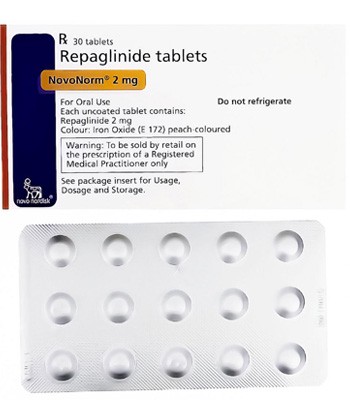
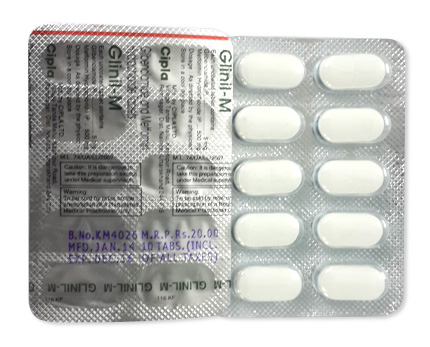
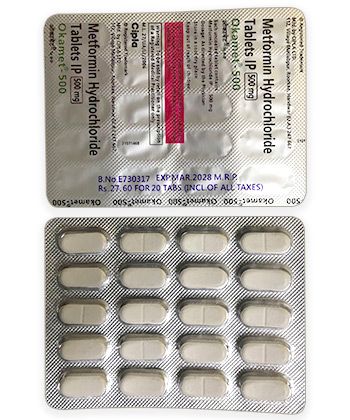
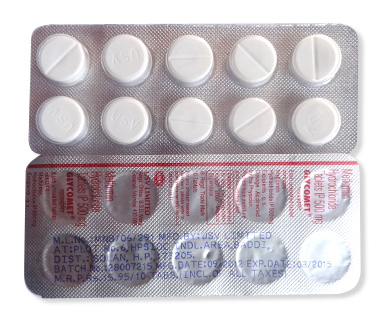
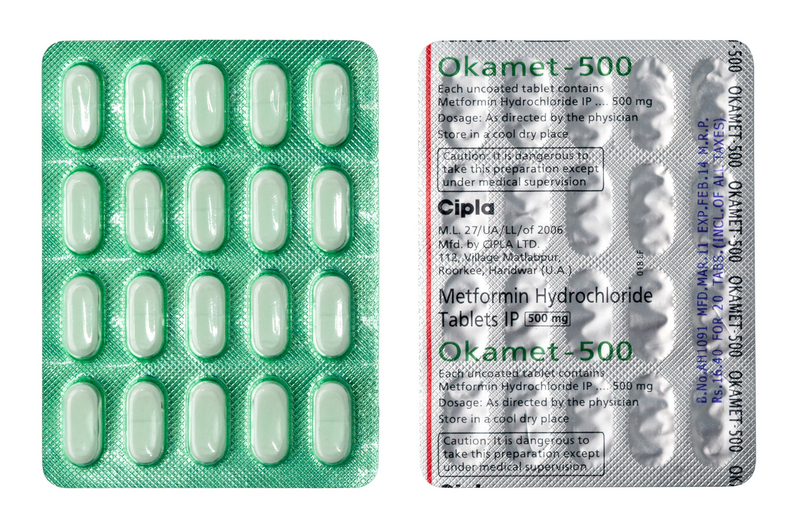
Basic Glucotrol Information
- INN (International Nonproprietary Name): Glipizide
- Brand Names Available In United Kingdom: Glipizide (generic widely available); branded forms globally include Glucotrol and Glucotrol XL (Pfizer) and Minodiab in parts of Europe — specific UK brand listings not specified
- ATC Code: A10BB07
- Forms & Dosages: Immediate‑release tablets commonly 2.5 mg, 5 mg and 10 mg; Glucotrol XL extended‑release 5 mg and 10 mg.
- Manufacturers In United Kingdom: not specified
- Registration Status In United Kingdom: not specified
- OTC / Rx Classification: Prescription Only (Rx)
Initial Instructions, Warnings And Daily‑Life Integration For UK Patients
Worried about low blood sugar or taking the wrong medicine for your type of diabetes?
Glipizide (INN: glipizide) is a prescription‑only medicine used for type 2 diabetes and is not suitable for type 1 diabetes or diabetic ketoacidosis.
Hypoglycaemia is a real risk with glipizide; learn the symptoms — sweating, shakiness, confusion — and always carry fast‑acting glucose such as glucose gel or dextrose tablets.
Bring full medication details to every NHS appointment and when you visit community pharmacies like Boots, LloydsPharmacy or Superdrug so pharmacists can check interactions and dosing.
When travelling with tablets, keep them in the original packaging, store between 20–25°C and avoid temperature extremes in luggage or cars.
Remember that prescription charges apply in England — check current NHS rates — while prescriptions are free in Scotland, Wales and Northern Ireland.
Fix dosing to mealtimes to reduce the chance of hypoglycaemia; immediate‑release glipizide is usually taken about 30 minutes before breakfast, and Glucotrol XL with breakfast.
Inform the DVLA and your insurance provider if you have recurrent hypoglycaemia as it may affect driving and safety‑critical work.
Carry a small wallet card with your dose, emergency contact details and a short hypoglycaemia action plan.
- Hypoglycaemia Action Checklist: recognise symptoms, take 15–20 g fast‑acting glucose, retest in 10–15 minutes, repeat if needed, eat a small snack if next meal is >1 hour away, seek help for severe confusion or unconsciousness.
- Wallet Card Template: Name, Medicine: Glipizide (dose), Emergency Contact, GP Contact, Allergies.
Everyday Use & Best Practices
Morning Vs Evening Dosing
Which is best — morning or evening dosing?
Immediate‑release glipizide is usually started as 5 mg once daily about 30 minutes before breakfast to match the peak insulin release with the morning meal.
Glucotrol XL (extended‑release) is taken with breakfast to provide a smoother, once‑daily effect across the day.
If your main meal is in the evening rather than breakfast, discuss timing with your GP or pharmacist so the drug's peak aligns with carbohydrate intake and reduces overnight hypoglycaemia risk.
Taking With Or Without Meals (UK Diet Habits)
Will what you eat change how glipizide works?
Glipizide increases insulin release irrespective of current glucose, so taking it with a predictable meal routine reduces the chance of low blood sugar.
If breakfasts vary from a full English to cereal and toast, aim for consistent carbohydrate choices on treatment days or discuss dose timing with your clinician.
Keep meal sizes reasonably consistent day‑to‑day to help avoid surprise hypos, and always have a carbohydrate snack available if plans change.
- Timing Tips: take immediate‑release ~30 minutes before your usual breakfast; take XL with breakfast; avoid skipping the meal after dosing; carry a quick glucose source when routines vary.
Simple Daily Timetable (photocopiable):
- 07:00 — Wake and blood glucose check (if monitoring).
- 07:30 — Take immediate‑release glipizide (or take XL with breakfast).
- 08:00 — Eat breakfast (include carbohydrate).
- 10:00–11:00 — Spot‑check sugar if symptoms or variable routine.
- Evening — keep evening meal size consistent; inform clinician if large changes occur.
Safety Priorities
Who Should Avoid It (MHRA Warnings)
Do you have conditions that make glipizide unsafe?
Do not use glipizide if you have known hypersensitivity to sulfonylureas or any excipients.
Glipizide is not for type 1 diabetes or diabetic ketoacidosis — insulin therapy is required for those conditions.
Use caution or avoid if you have severe hepatic or renal impairment without specialist advice; these conditions increase hypoglycaemia risk and need close monitoring.
Patients with G6PD deficiency, malnutrition, unpredictable food intake, adrenal or pituitary insufficiency and some chronic gastrointestinal disorders require careful review before starting glipizide.
Elderly patients are more sensitive to hypoglycaemia and usually start on a lower dose with closer follow‑up.
Activities To Limit (Driving, Work Safety)
Can glipizide affect your ability to drive or do safety‑critical tasks?
Avoid driving, operating heavy machinery or performing safety‑critical jobs if you experience hypoglycaemia or feel unwell after dosing.
Follow DVLA guidance on diabetes and driving and report recurrent hypoglycaemia to your GP so driving fitness can be reassessed.
Inform your employer via occupational health where appropriate and have a clear plan for on‑shift glucose monitoring if required.
- Do Not drive if you have had a hypo in the previous 24 hours without full recovery.
- Do Not operate machinery if feeling faint, confused or shaky after taking glipizide.
- Do carry identification that you are taking glipizide and have hypo treatment available.
Dosage & Adjustments
General Regimen (NHS Guidance)
What dose will your GP usually start?
Adults with type 2 diabetes commonly start on 5 mg once daily for immediate‑release glipizide, taken about 30 minutes before breakfast.
Glucotrol XL is given with breakfast and is often chosen for once‑daily convenience and steadier plasma levels.
Titration is typically by 2.5–5 mg at several‑day intervals according to blood glucose results and tolerability.
Maintenance doses are commonly 5–20 mg daily, given once or in divided doses.
Maximums: immediate‑release up to 40 mg/day and Glucotrol XL up to 20 mg/day.
Special Cases (Elderly, Comorbidities)
How should doses change for elderly people or those with other illnesses?
Elderly patients should start at the lower end of the dosing range and be titrated slowly due to higher susceptibility to hypoglycaemia.
Patients with renal or hepatic impairment require lower starting doses, slower titration and more frequent monitoring of renal and liver function.
Children are not indicated for glipizide use; safety and efficacy are unestablished.
When glipizide is used alongside other glucose‑lowering drugs, adjust doses carefully to avoid stacked hypoglycaemia and ensure clear monitoring plans.
| Group | Starting Dose | Titration | Maintenance / Max |
|---|---|---|---|
| Adults (Type 2) | 5 mg once daily (immediate‑release) | Increase by 2.5–5 mg at several‑day intervals | 5–20 mg daily; max 40 mg/day (IR) or 20 mg/day (XL) |
| Elderly | Lower end of range | Slow titration; frequent review | Individualised with close monitoring |
| Renal / Hepatic Impairment | Start low | Slow titration; monitor function | Adjust based on tests and specialist advice |
User Testimonials
Positive Reports From UK Patients
Does it fit into real life for people on the NHS?
Many patients appreciate once‑daily dosing, particularly with Glucotrol XL, which simplifies routines and reduces pill burden.
Users report better fasting glucose readings and early improvements in HbA1c when the medicine is well timed with meals.
Community pharmacists at Boots and LloydsPharmacy are often credited for practical counselling on timing and hypoglycaemia prevention.
Common Challenges (Patient.info, NHS Forums)
What do patients say when things are difficult?
Anxiety about hypoglycaemia is common, especially when daily routines change for travel or shift work.
Some patients notice modest weight gain, and many worry about drug interactions when new prescriptions are started.
Online patient.info and NHS community threads frequently mention confusion over missed doses, dose adjustments and the need to carry glucose gel and a monitor.
- Pros: once‑daily dosing options, effective HbA1c reduction, pharmacists provide good counselling.
- Cons: hypoglycaemia anxiety, possible weight gain, interaction worries, timing issues for shift workers.
Short anonymised examples for leaflets:
- "Once I switched to XL, mornings became easier — fewer tablets and steadier sugars."
- "I panic a little if my routine changes, so I keep glucose gel in my bag at all times."
Buying Guide
Pharmacy Sources (Boots, LloydsPharmacy, Superdrug)
Where can glipizide be obtained in the UK?
Glipizide is prescription‑only and is typically dispensed from NHS prescriptions at Boots, LloydsPharmacy, Superdrug and independent community pharmacies.
Online pharmacies may supply with a valid prescription, and generic glipizide is widely available from multiple manufacturers.
Brand names include Glucotrol and Glucotrol XL internationally, while generics are common locally.
Price Comparison (NHS Prescription Charge Vs Private)
How much will it cost me?
In England, prescriptions carry a per‑item charge — check current NHS rates as they change — while prescriptions are free in Scotland, Wales and Northern Ireland.
Private prescriptions and pay‑as‑you‑go online services will cost more than an NHS prescription.
For patients with multiple prescription items, a Prescription Prepayment Certificate may offer savings.
| Source | Cost Notes |
|---|---|
| NHS Prescription (England) | Per‑item charge applies; check current NHS rates |
| NHS Prescription (Scotland, Wales, NI) | Prescriptions free |
| Private / Online With Prescription | Higher cost; may include consultation fee |
Checklist For Buying Safely Online:
- Verify pharmacy registration and MHRA licensing.
- Only supply with a valid prescription prescribed by a UK prescriber.
- Check packaging, batch numbers and expiry dates on delivery.
In our online pharmacy, glucotrol is available without a prescription, with discreet delivery to United Kingdom in 5‑14 days.
What’s Inside & How It Works
Ingredients Overview
What exactly is in the tablet?
The active ingredient is glipizide (INN), a sulfonylurea classified under ATC A10BB07.
Immediate‑release tablets are commonly available in 2.5 mg, 5 mg and 10 mg strengths, while Glucotrol XL comes as 5 mg and 10 mg extended‑release tablets.
Excipients and pack formats vary by manufacturer and may be supplied in blister packs or bottles.
Mechanism Basics Explained Simply
How does it lower blood sugar?
Glipizide stimulates pancreatic beta cells to release more insulin, which lowers blood glucose levels.
This requires that the pancreas still produces insulin, which is why glipizide is not effective in type 1 diabetes.
Because insulin is released regardless of current glucose level, glipizide can cause hypoglycaemia; consistent meals and monitoring are important.
Compared with glyburide (glibenclamide), glipizide is often viewed as having a lower hypoglycaemia risk, but the risk remains significant and must be managed.
- Formulation Strengths: IR 2.5/5/10 mg; XL 5/10 mg.
Main Indications
Approved Uses (MHRA Listing)
What is glucotrol approved for?
Glipizide is approved for treatment of type 2 diabetes mellitus when diet, exercise and metformin (if suitable) are insufficient.
It is prescription‑only under MHRA/NHS prescribing frameworks and is not indicated for type 1 diabetes or diabetic ketoacidosis.
Off‑Label Uses In UK Clinics
Is it ever used for anything else?
Off‑label use is uncommon and would be consultant‑led and documented if considered, for example when first‑line options are unsuitable or not tolerated.
Any off‑label decision should involve shared decision‑making, documented consent and safety monitoring.
- Approved Indications: Type 2 diabetes when lifestyle and first‑line medicines are insufficient.
- Off‑Label Checklist: consultant oversight, informed consent, clear follow‑up and monitoring plan.
Interaction Warnings
Food Interactions (Alcohol, Tea/Coffee)
Can food or drink change how glipizide works?
Alcohol can potentiate the hypoglycaemic effect of sulfonylureas and should be avoided in large amounts.
Caffeine does not prevent hypoglycaemia and may mask some symptoms such as tachycardia, so do not rely on coffee or tea as protection.
Keep meals regular and include carbohydrate when taking glipizide to match the insulin response.
Drug Conflicts (MHRA Yellow Card Reports)
What medicines interact with glipizide?
Many medicines can alter blood glucose or mask hypoglycaemia; examples include other glucose‑lowering agents, beta‑blockers which may mask warning signs and drugs that potentiate glipizide such as certain antifungals or antibiotics.
Corticosteroids and some antidepressants can raise blood glucose and complicate control.
Always check with a pharmacist when starting or stopping any medicine, including over‑the‑counter remedies, and report suspected adverse reactions via the MHRA Yellow Card scheme.
- Common Interacting Classes: other antidiabetics, beta‑blockers, azole antifungals, certain antibiotics, corticosteroids, some antidepressants.
Latest Evidence & Insights
Key UK & EU Studies 2022–2025
Is glipizide still supported by recent studies?
Recent UK and European reviews reinforce metformin and lifestyle as first‑line therapy, with sulfonylureas such as glipizide still effective for HbA1c lowering but used more selectively because newer agents offer cardiovascular and weight benefits with lower hypoglycaemia risk.
Randomised and real‑world studies report comparable glucose‑lowering efficacy for sulfonylureas versus many oral agents but consistently show a higher absolute risk of hypoglycaemia.
How This Changes Practice In Primary Care
What does this mean for GPs and patients?
In primary care, glipizide is often a second‑line option when metformin is unsuitable or not tolerated, or where cost considerations apply.
GPs should monitor patients closely for hypoglycaemia and review suitability as comorbidities such as cardiovascular or renal disease evolve.
- Key Findings: effective HbA1c lowering, higher hypoglycaemia risk, selective use in modern practice.
- GP Review Intervals: frequent monitoring during titration, annual review including HbA1c and renal/liver function, earlier review if hypoglycaemia occurs.
Alternative Choices
NHS Prescribing Alternatives With Pros/Cons Checklist
Should you switch from glipizide to another drug?
Common NHS alternatives include metformin (first‑line; weight‑neutral, low hypoglycaemia risk), gliclazide or glimepiride (other sulfonylureas), DPP‑4 inhibitors (weight neutral), SGLT2 inhibitors and GLP‑1 agonists which have favourable cardiovascular and weight profiles but are more costly.
When comparing options, consider efficacy, hypoglycaemia risk, weight effects, renal benefits or risks, cost and monitoring burden.
When To Discuss Switch With Your GP
When is it time to change therapy?
Discuss switching if you experience repeated hypoglycaemia, have troublesome weight gain, develop new cardiovascular or renal disease, are planning pregnancy, or cannot tolerate current therapy.
Any change should be led by the GP or clinic with clear plans for dose changes, monitoring and patient education.
- Decision Prompts For GP Appointments: number of hypos per month, changes in weight, new comorbidities, renal function trend, patient preference.
Regulation Snapshot
MHRA Approval & NHS Prescribing Framework
Is glucotrol regulated in the UK?
Glipizide is prescription‑only and classified under ATC code A10BB07.
Branded forms like Glucotrol/Glucotrol XL are originally from Pfizer, and numerous generics are supplied internationally.
Prescribing in the UK follows MHRA guidance, national NICE recommendations and local NHS formularies and commissioning policies.
Reporting Problems And Safety Monitoring
How should adverse events be reported?
Patients and clinicians should report adverse reactions via the MHRA Yellow Card scheme.
Routine NHS monitoring typically includes HbA1c checks, renal and liver function tests, and assessment for hypoglycaemic episodes.
Community pharmacists are important in counselling, spotting issues and advising when patients should see their GP or attend emergency care.
- Reporting Steps: identify suspected reaction, seek clinical advice if severe, report via Yellow Card online or through a pharmacist, document in GP record.
FAQ Section
Common UK Patient Questions
Can I stop glipizide if my sugars are normal?
No; do not stop without discussing with your GP as stopping may lead to loss of control or require alternative strategies.
What if I miss a dose?
Take as soon as remembered unless it is near the next scheduled dose; do not double up to make up a missed dose.
Can I drink alcohol while taking glipizide?
Small amounts with food may be safer, but avoid binge drinking as alcohol potentiates hypoglycaemia.
Will glipizide make me gain weight?
Some patients report modest weight gain; discuss lifestyle support and alternative therapies with your clinician if weight is a concern.
Quick, Practical Answers
- Pharmacy Handout Q&A Card: list contact numbers, what to do for a hypo, missed dose advice and when to call the GP.
- If You Feel Hypoglycaemic: stop activity, check blood sugar, treat with 15–20 g fast‑acting glucose, retest in 10–15 minutes and seek help for severe or persistent symptoms.
Guidelines For Proper Use
UK Pharmacist Counselling Style
What should a pharmacist tell you when dispensing glipizide?
Confirm patient identity and indication (type 2 diabetes), explain the dosing schedule — 5 mg start, immediate‑release ~30 minutes before breakfast or XL with breakfast — and highlight signs of hypoglycaemia and how to treat it.
Advise on interactions, storage at 20–25°C and invite questions about driving, work and travel.
Offer printed information and encourage Yellow Card reporting for any side effects.
NHS Patient Support Advice
Where can patients get structured help?
Enroll in the annual diabetes review including HbA1c and renal/liver checks and consider structured education programmes such as DESMOND for self‑management support.
Arrange community pharmacy or practice follow‑ups after dose changes and provide clear out‑of‑hours advice for hypoglycaemia that may require A&E for severe confusion or unconsciousness.
- Pharmacist Counselling Script: check meds, explain dosing, list hypoglycaemia actions, show glucose gel, advise storage and report side effects.
- Patient Checklist: carry hypo treatment, keep wallet card, attend reviews, monitor sugar if symptomatic.
Delivery Across United Kingdom
| City | Region | Delivery Time |
|---|---|---|
| London | Greater London | 5-7 days |
| Birmingham | West Midlands | 5-7 days |
| Manchester | Greater Manchester | 5-7 days |
| Glasgow | Scotland | 5-7 days |
| Leeds | West Yorkshire | 5-7 days |
| Liverpool | Merseyside | 5-7 days |
| Bristol | South West England | 5-7 days |
| Edinburgh | Scotland | 5-7 days |
| Sheffield | South Yorkshire | 5-7 days |
| Newcastle | North East England | 5-9 days |
| Nottingham | Nottinghamshire | 5-9 days |
| Leicester | Leicestershire | 5-9 days |
| Coventry | West Midlands | 5-9 days |
Final Note
All clinical recommendations in this article reference the supplied product information for glipizide and reflect common UK practice; individual patient care must be personalised by a GP or specialist.
If there is any doubt about suitability, dosing or hypoglycaemia management, seek advice from your GP, diabetes nurse or pharmacy team before making changes to treatment.