
Metoclopramide
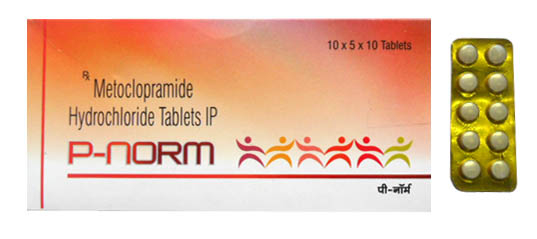
Metoclopramide
- Metoclopramide is prescription-only in most countries (including the UK and EU) and is normally supplied from pharmacies with a prescription; availability varies by jurisdiction and some pharmacies or online suppliers may supply it without a prescription—check local regulations and pharmacy policy before purchase.
- Metoclopramide is used as an antiemetic and prokinetic (for nausea, vomiting, gastroparesis and as an adjunct in migraine); it is a dopamine D2 receptor antagonist, a 5‑HT3 receptor antagonist and 5‑HT4 receptor agonist that increases gastric motility and raises the threshold of activity in the chemoreceptor trigger zone.
- Usual adult doses: 10 mg orally, IV or IM three times daily for nausea/vomiting (max commonly 30 mg/day); for diabetic gastroparesis 10 mg 30 minutes before meals and at bedtime (up to 4 times/day; short‑term max 40 mg). Children: 0.1–0.15 mg/kg per dose every 8 hours (max ~0.5 mg/kg/day, and usually max 10 mg per dose). Treatment is typically short term (≤5 days); avoid prolonged use due to tardive dyskinesia risk.
- Forms and routes: oral tablets (5 mg, 10 mg), orally dispersible tablets (ODT), oral solution/syrup, and parenteral ampoules/vials for IM or IV administration.
- Onset of effect: orally usually within 30–60 minutes; IV onset typically within 1–3 minutes; IM onset around 10–15 minutes.
- Duration of action: effects generally last about 4–6 hours per dose for symptom relief and prokinetic action.
- Alcohol warning: avoid alcohol while taking metoclopramide as it may increase drowsiness, dizziness and other central nervous system side effects and impair safe use.
- The most common side effects are drowsiness and fatigue, restlessness or akathisia, dizziness and diarrhoea; prolonged use may cause raised prolactin (galactorrhoea, gynaecomastia) and there is a risk of serious extrapyramidal effects including tardive dyskinesia.
- Would you like to try metoclopramide without a prescription?
Metoclopramide






Basic Metoclopramide Information
- INN (International Nonproprietary Name): Metoclopramide.
- Brand Names Available In United Kingdom: Primperan; Maxolon.
- ATC Code: A03FA01 — Metoclopramide (A03F Propulsives; A03 Drugs For Functional Gastrointestinal Disorders).
- Forms & Dosages: Tablets 5 mg and 10 mg; Orally dispersible tablets 5 mg and 10 mg; Oral solution 5 mg/5 mL and 10 mg/10 mL; Ampoule/vial 10 mg/2 mL for IM/IV.
- Manufacturers In United Kingdom: Sanofi; Amdipharm; others (local packaging and suppliers vary).
- Registration Status In United Kingdom: Prescription only; approved and regulated by national agencies including MHRA.
- OTC / Rx Classification: Prescription Only (Rx).
Instructions & Quick Safety Notes For UK Patients
Worried about serious movement side effects or how this medicine will fit into your day?
Immediate Warnings And Daily-Life Integration
Metoclopramide is prescription‑only in the UK and should only be used as directed by a prescriber.
Follow MHRA guidance: typical anti‑sickness courses are five days or less and do not exceed 12 weeks for any indication.
Keep a printed or digital medication card showing dose, prescriber and indication to show pharmacists or emergency staff.
Do not use metoclopramide if you have a history of tardive dyskinesia with antipsychotics or metoclopramide.
Avoid alcohol while taking metoclopramide because drowsiness and sedation may be worse.
If you feel dizzy, drowsy or restless, stop driving and avoid manual tasks until effects settle.
If you experience unusual involuntary movements, severe restlessness, high fever or muscle rigidity, seek urgent medical advice.
How To Store, Carry And Explain This Medicine To Others
Store metoclopramide at 15–30°C and protect it from light and moisture.
Do not freeze injectable forms; keep ampoules in a stable, cool place when transporting.
Carry a medication card or the original packaging when travelling or going to work so staff know the dose and indication.
If someone else needs to give you the medicine (for example, in an emergency), make sure they read the label and know the route — oral tablets, dispersible tablet, syrup or IM/IV injection.
Explain to carers or colleagues that the usual anti‑sickness course is short to reduce the risk of long‑term movement problems.
| Storage Item | Advice |
|---|---|
| Temperature | Store at 15–30°C. |
| Light & Moisture | Protect from light and moisture; keep in original packaging. |
| Injectables | Do not freeze; transport in insulated packaging if temperature may vary. |
| Opened Oral Solution | Use within manufacturer timeframes printed on the bottle. |
- Checklist For Emergency Contacts: GP, out-of-hours service number, nearest A&E, pharmacist contact, and a trusted family member.
Everyday Use & Best Practices
Which dosing schedule will fit my routine and reduce side effects like drowsiness?
Morning Vs Evening Dosing
For routine anti‑sickness use adults commonly take 10 mg three times daily (maximum 30 mg/day).
If prescribed three times daily, spread doses across the day — breakfast, mid‑afternoon and evening — to maintain even levels.
For diabetic gastroparesis the usual advice is 10 mg 30 minutes before meals and at bedtime, up to four times daily for short periods.
If drowsiness is an issue, arrange the largest dose at a time when you can rest, for example after the evening meal rather than mid‑morning.
Taking With Or Without Meals (UK Diet Habits)
Metoclopramide may be taken with or without food for most indications.
For gastroparesis take 30 minutes before a typical UK breakfast (tea or coffee and toast) to help the prokinetic effect.
For sudden nausea, take the oral dispersible tablet or syrup as soon as possible; these formulations are easier if vomiting is present.
| Formulation | Ease Of Use |
|---|---|
| 10 mg Tablet | Standard oral tablet, take with water; stable packaging. |
| Orally Dispersible Tablet | Dissolves on the tongue; useful if you are nauseous or vomiting. |
| Oral Syrup/Solution | Easy dose titration for children or if swallowing is difficult. |
- Practical Dosing Schedule Options: 10 mg three times daily (breakfast, mid‑afternoon, evening); or 10 mg 30 minutes before meals and at bedtime for gastroparesis.
- Keep a small pillbox or dose reminder and the medication card when you travel or work.
Safety Priorities
Who should definitely not take metoclopramide and which activities should be avoided while on it?
Who Should Avoid It (MHRA Warnings)
Absolute contraindications include known hypersensitivity to metoclopramide or any excipients.
Do not use metoclopramide if you have pheochromocytoma, seizure disorder, gastrointestinal haemorrhage, mechanical obstruction or perforation, or a history of tardive dyskinesia.
Use with caution in Parkinson’s disease because central D2 blockade can worsen symptoms.
Discuss risks and benefits with your prescriber if you are pregnant or breastfeeding because metoclopramide increases prolactin and may cause galactorrhoea with prolonged use.
In renal or hepatic impairment and in older adults, dose reductions and closer monitoring are recommended.
Activities To Limit (Driving, Work Safety)
Avoid driving or operating heavy machinery if you feel drowsy, dizzy or develop movement disturbances such as akathisia.
If you drive for work or hold a UK driving licence check DVLA guidance and inform your employer or occupational health service if side effects impair driving or manual tasks.
Report suspected adverse reactions to the MHRA Yellow Card scheme and ask your pharmacist to help with reporting if needed.
| Side Effect | Activity Restriction |
|---|---|
| Drowsiness / Dizziness | Avoid driving and hazardous tasks until recovered. |
| Akathisia (Inner Restlessness) | Avoid prolonged standing or precision manual tasks; seek prompt medical review. |
| Involuntary Movements | Stop medication and seek urgent assessment. |
- Checklist Of Contraindications: hypersensitivity, pheochromocytoma, seizures, GI obstruction/perforation, history of tardive dyskinesia.
Dosage & Adjustments
What is the usual NHS dosing and how should doses be changed for children or impaired organs?
General Regimen (NHS Guidance)
Adults for nausea and vomiting typically take 10 mg orally, intravenously or intramuscularly three times daily with a maximum of 30 mg in 24 hours.
For diabetic gastroparesis short‑term dosing may be 10 mg 30 minutes before meals and at bedtime, up to four times daily (maximum 40 mg short term).
Typical antiemetic courses are five days or less and must not exceed 12 weeks of treatment for any indication.
For children (1–18 years) a dose of 0.1–0.15 mg/kg per dose every 8 hours is used, up to 0.5 mg/kg/day and a maximum of 10 mg per dose.
Special Cases (Elderly, Comorbidities)
In renal impairment with GFR <40 mL/min consider a 50% dose reduction.
In hepatic impairment consider roughly a 50% dose reduction and monitor closely.
Elderly patients should start on reduced doses and be monitored for extrapyramidal reactions and sedation.
Review concurrent medicines that depress the central nervous system or other dopamine antagonists; dose adjustments or alternative therapy may be required.
| Patient Group | Typical Adjustment |
|---|---|
| Adults (standard) | 10 mg three times daily (max 30 mg/day). |
| Gastroparesis | 10 mg before meals and at bedtime (up to 4 times daily; short term). |
| Children (1–18 yrs) | 0.1–0.15 mg/kg q8h (max 0.5 mg/kg/day; max 10 mg/dose). |
| Renal / Hepatic Impairment | Consider 50% dose reduction. |
- Monitoring Checkpoints: review for drowsiness, akathisia, involuntary movements, sedation; adjust dose or stop if adverse effects emerge.
User Testimonials
Do real UK patients find metoclopramide effective for sudden nausea or migraines?
Positive Reports From UK Patients
Many UK patients report rapid relief of nausea, particularly when metoclopramide is given intravenously or intramuscularly in A&E for migraine.
Users commonly say it helped them return to eating and normal activities faster during gastroenteritis or chemotherapy when used as part of a regimen.
Patients often mention clear counselling from pharmacists about the short‑course guidance and the need to watch for movement side effects.
Common Challenges (Patient.info, NHS Forums)
Common complaints on Patient.info and NHS forums include drowsiness and feelings of restlessness or akathisia shortly after taking the medicine.
Some patients report temporary involuntary movements that resolved after stopping the drug, and others express concern about long‑term movement disorders.
Brand confusion (Primperan, Maxolon, generics) and cost comparisons between high‑street pharmacies and NHS prescriptions are recurring themes.
- Pros/Cons Summary: Rapid anti‑sickness action and good prokinetic effect versus risk of drowsiness, akathisia and rare tardive dyskinesia with prolonged use.
- Checklist For Reporting To Clinician: new or worsening restlessness; involuntary movements; persistent drowsiness; any breast milk changes in breastfeeding women.
Buying Guide
Where can you obtain metoclopramide in the UK and how much will it cost?
Pharmacy Sources (Boots, LloydsPharmacy, Superdrug)
Metoclopramide is prescription‑only in the UK and is commonly dispensed through community pharmacies such as Boots, LloydsPharmacy and Superdrug with an NHS or private prescription.
Registered online pharmacies that are GPhC‑registered can also supply repeat prescriptions; check credentials before ordering.
Hospitals typically supply IV/IM doses where required in A&E or oncology settings.
In our online pharmacy, metoclopramide is available without a prescription, with discreet delivery to United Kingdom in 5-14 days.
Price Comparison (NHS Prescription Charge Vs Private)
An NHS prescription generally minimises out‑of‑pocket cost for those eligible; England charges may apply for those not exempt, while prescriptions are free in Scotland, Wales and Northern Ireland.
Private fees at community pharmacies vary by chain and whether a branded product is requested.
Online private supply costs also vary; using the NHS prescription route is often cheapest for ongoing treatment.
| Source | Typical Cost Consideration |
|---|---|
| NHS Prescription | Lowest out‑of‑pocket cost for eligible patients; free in Scotland, Wales, Northern Ireland. |
| Boots / LloydsPharmacy / Superdrug | Variable private prices; branded products may cost more. |
| Registered Online Pharmacy | Convenient for repeat prescriptions; ensure GPhC registration. |
| Hospital Supply | IV/IM forms commonly supplied for immediate treatment. |
- Checklist For Safe Online Pharmacy Verification: GPhC registration, NHS.uk link on site, verified contact details, pharmacist consultation option, secure payment.
What’s Inside & How It Works
What is the active ingredient and how does metoclopramide relieve nausea?
Ingredients Overview
The active ingredient is metoclopramide, commonly as metoclopramide hydrochloride in many formulations.
Available strengths include 5 mg and 10 mg tablets, oral dispersible tablets, oral solutions (5 mg/5 mL or 10 mg/10 mL) and 10 mg/2 mL ampoules for IM/IV use.
Excipients vary by brand and label information should be checked for sugars or alcohol in oral solutions if you are diabetic or intolerant to certain components.
Mechanism Basics Explained Simply
Metoclopramide blocks dopamine D2 receptors in the chemoreceptor trigger zone and acts on serotonin receptors as a 5‑HT3 antagonist and 5‑HT4 agonist.
This combination increases gastric motility and raises the threshold for vomiting, producing both prokinetic and antiemetic effects.
It also releases prolactin, which explains the risk of galactorrhoea or gynaecomastia with prolonged use.
| Form | Strengths |
|---|---|
| Tablet / ODT | 5 mg, 10 mg. |
| Oral Solution | 5 mg/5 mL; 10 mg/10 mL. |
| Injection | 10 mg/2 mL ampoules for IM/IV. |
- Plain-English Mechanism: reduces nausea by blocking brain vomiting signals and speeding up stomach emptying.
Main Indications
When do clinicians prescribe metoclopramide and when might they use something else?
Approved Uses (MHRA Listing)
Approved indications include treatment of nausea and vomiting and short‑term use in diabetic gastroparesis at prokinetic doses.
It is used in prevention and treatment of chemotherapy‑induced nausea and as an adjunct in some migraine protocols, particularly in hospital settings where IV/IM dosing is required.
MHRA and EMA guidance note short courses are preferred and longer durations raise the risk of tardive dyskinesia.
Off-Label Uses In UK Clinics
Clinicians may prescribe short courses for severe gastroenteritis‑related nausea or postoperative nausea if first‑line options are unsuitable.
Alternatives such as domperidone, ondansetron, prochlorperazine or promethazine may be chosen according to cardiac risk, CNS side‑effect profile and availability.
| Indication | Typical Dosing |
|---|---|
| Nausea / Vomiting | 10 mg orally/IV/IM three times daily (max 30 mg/day). |
| Diabetic Gastroparesis | 10 mg 30 min before meals and at bedtime (up to 4 times daily, short term). |
| Chemotherapy Nausea | 10–20 mg IV prior to chemo per regimen. |
- Checklist: Confirm indication, planned duration (often ≤5 days), and monitoring arrangements before starting.
Interaction Warnings
What should I avoid eating or taking with metoclopramide?
Food Interactions (Alcohol, Tea/Coffee)
Avoid alcohol because it increases the risk of drowsiness and sedation with metoclopramide.
Caffeine from tea or coffee does not have a direct pharmacological conflict but may increase jitteriness; reduce intake if you experience tremor or restlessness.
Drug Conflicts (MHRA Yellow Card Reports)
Metoclopramide can add to CNS depression when taken with opioids, benzodiazepines or first‑generation antihistamines.
Combining with other dopamine antagonists, including some antipsychotics, increases the risk of extrapyramidal adverse effects.
Although QT prolongation is a greater concern with domperidone, always check combined chemotherapy regimens for cardiac drug interactions and monitor accordingly.
- High‑Priority Interactions: opioids, benzodiazepines, antipsychotics, other dopamine antagonists, and drugs that may affect renal/hepatic function.
- One‑Column Checklist To Tell Your Pharmacist: all current medicines (including over‑the‑counter), alcohol use, pregnancy/breastfeeding status, and any history of movement disorders.
Latest Evidence & Insights
What have UK and EU studies in recent years said about metoclopramide safety and effectiveness?
Key UK & EU Studies 2022–2025
Recent reviews have focused on balancing antiemetic efficacy with the risk of movement disorders and reinforced short‑course recommendations to reduce tardive dyskinesia risk.
NHS hospital audits reported rapid symptom relief with IV metoclopramide for migraine and acute nausea but noted the importance of monitoring for akathisia and stopping treatment promptly if it appears.
Comparative studies looked at metoclopramide versus alternatives such as domperidone and ondansetron for different indications, highlighting trade‑offs between CNS side effects and cardiac risks.
Practical Implications For Patients
Expect prescribers to specify a clear, short duration (often ≤5 days) and to provide advice on side effects to watch for.
If you are being considered for longer treatment for gastroparesis, expect discussion of short‑term benefit versus long‑term risk and likely specialist referral.
- Annotated Bibliography Snippets: recent NHS audits (rapid IV relief, monitor for akathisia); EU safety reviews (advise short courses); comparative trials (metoclopramide vs alternatives).
- Checklist Of Questions To Ask Your Prescriber: planned duration; what to do with side effects; alternatives if you have risk factors for extrapyramidal symptoms.
Alternative Choices
What are the commonly prescribed alternatives on the NHS and how do they compare?
NHS Prescribing Alternatives
Domperidone is an alternative prokinetic often considered when central nervous system side effects are a concern, though it carries cardiac cautions due to QT prolongation risk.
Ondansetron and granisetron are commonly used in chemotherapy‑induced nausea and are typically hospital‑led treatments.
Prochlorperazine (Stemetil) and promethazine are other antiemetics used for specific indications depending on patient history and risk profile.
Pros/Cons Checklist
Metoclopramide: effective antiemetic and prokinetic but carries risk of extrapyramidal effects and prolactin elevation with prolonged use.
Domperidone: less CNS penetration so fewer movement side effects but increased attention to cardiac safety and ECG monitoring in some cases.
Ondansetron: effective for severe or chemotherapy‑related vomiting but more hospital‑centred and can be costlier.
| Alternative | Pros | Cons |
|---|---|---|
| Domperidone | Fewer CNS side effects. | QT prolongation risk; cardiac cautions. |
| Ondansetron | Effective for chemotherapy nausea. | Hospital use common; cost considerations. |
| Prochlorperazine | Good antiemetic in some settings. | CNS side effects similar to metoclopramide. |
- Checklist For Choosing: consider cardiac history, CNS sensitivity, indication (chemo vs gastroparesis), pregnancy/breastfeeding status.
Regulation Snapshot
How is metoclopramide regulated and what are prescribers’ responsibilities on the NHS?
MHRA Approval & Label Points
Metoclopramide is prescription‑only in the UK and MHRA labelling reflects EMA safety guidance limiting routine treatment to short courses because of tardive dyskinesia risk.
The drug is also listed as essential by the WHO but national regulators emphasise pharmacovigilance and careful monitoring.
NHS Prescribing Framework
GPs and hospital prescribers should document indication and planned duration and counsel patients about adverse effects and short‑term use.
Pharmacists should counsel, record supplies and assist patients in reporting adverse reactions via the MHRA Yellow Card scheme.
| Year | Regulatory Update |
|---|---|
| Recent Years | Label updates reinforce short‑course recommendations and counselling requirements. |
- Checklist Of Responsibilities: prescribers document indication/duration; pharmacists counsel and flag prolonged supplies; patients report adverse effects.
FAQ Section
Quick answers to the questions patients ask most often.
Top Patient Questions
- Q: How long can I take metoclopramide? A: Typically up to five days for anti‑sickness use; avoid treatment longer than 12 weeks to reduce tardive dyskinesia risk.
- Q: Is it safe to drive while taking it? A: Do not drive if you feel drowsy, dizzy or have movement problems; follow DVLA and employer advice.
- Q: Can I drink alcohol or take other meds? A: Avoid alcohol; check with your pharmacist about CNS depressants, antipsychotics and other interactions.
- Q: What if I miss a dose or overdose? A: Take a missed dose unless the next dose is due soon; do not double up. Overdose can cause drowsiness, disorientation and extrapyramidal reactions — seek emergency care.
- Red Flag Symptoms Requiring Urgent Care: severe involuntary movements, high fever with rigidity, severe breathlessness, or prolonged unresponsiveness.
Guidelines For Proper Use
What will your pharmacist tell you when dispensing metoclopramide and where can you get help on the NHS?
UK Pharmacist Counselling Style
Pharmacists will verify indication, explain dose and the short‑course duration limit, and highlight common side effects such as drowsiness, akathisia and diarrhoea.
They will ask about pregnancy, breastfeeding, neurological history and current medicines and advise avoiding alcohol and when to seek urgent help.
Written information and a medication card should be offered and prescriptions flagged if duration exceeds recommended limits.
NHS Patient Support Advice
Request a medication review from your GP or practice pharmacist if symptoms persist or you require repeated courses.
For chronic gastroparesis or repeat need, ask for a gastroenterology referral via your GP.
Use NHS 111 for immediate non‑urgent advice and report adverse reactions via the MHRA Yellow Card; community pharmacists can assist with reporting and queries.
- Pharmacist Counselling Checklist: indication, dose/timing, duration limit, side effects to watch for, interaction check, pregnancy/breastfeeding check.
- Patient Take‑Home Leaflet Template: name of drug, dose, reason for use, duration, side effects, emergency contacts, and Yellow Card reporting link or instruction.
Delivery Across United Kingdom
| City | Region | Delivery Time |
|---|---|---|
| London | England | 5-7 days |
| Birmingham | England | 5-7 days |
| Manchester | England | 5-7 days |
| Glasgow | Scotland | 5-7 days |
| Leeds | England | 5-7 days |
| Liverpool | England | 5-7 days |
| Sheffield | England | 5-7 days |
| Edinburgh | Scotland | 5-7 days |
| Bristol | England | 5-7 days |
| Newcastle Upon Tyne | England | 5-7 days |
| Nottingham | England | 5-7 days |
| Southampton | England | 5-9 days |
| Belfast | Northern Ireland | 5-9 days |
| Cardiff | Wales | 5-9 days |
| Leicester | England | 5-9 days |