Glucovance
In brief
- Available from community pharmacies and authorised online retailers in the US, Canada, India and other markets; Glucovance is prescription‑only in most countries (Rx), although some pharmacies or online suppliers may sell it without a receipt.
- Glucovance is used to treat type 2 diabetes as an adjunct to diet and exercise; glyburide (a sulfonylurea) increases insulin secretion from pancreatic β‑cells, while metformin reduces hepatic glucose production and improves peripheral insulin sensitivity.
- The usual starting dose is one tablet of 2.5 mg/500 mg or 5 mg/500 mg once or twice daily with meals; increase by no more than 2.5 mg/500 mg per day every ≥2 weeks as needed; usual maximum is 20 mg glyburide / 2000 mg metformin per day in divided doses.
- Oral administration as a film‑coated tablet (commonly 2.5/500 mg or 5/500 mg), taken with food to reduce gastrointestinal side effects.
- Onset: the glyburide component typically begins to lower blood glucose within 1–3 hours (peak several hours), while metformin’s full glycaemic effects develop over days to weeks, though some glucose‑lowering may be seen within hours to days.
- Duration: the insulin‑secreting effect of glyburide can last up to about 24 hours; metformin’s glucose‑lowering effect persists with regular dosing and is maintained while therapy continues.
- Alcohol should be avoided or limited—excessive alcohol increases the risk of lactic acidosis with metformin and can worsen hypoglycaemia risk with glyburide; exercise caution in patients with alcohol misuse.
- The most common side effects are gastrointestinal symptoms (nausea, diarrhoea, abdominal discomfort) and hypoglycaemia; other effects include headache, dizziness and metallic taste.
- Would you like to try “glucovance” without a prescription?
Basic Glucovance Information
- INN (International Nonproprietary Name): Glyburide and Metformin Hydrochloride (combinational drug).
- Brand Names Available In United Kingdom: Not uniformly available; branded generics compositionally equivalent may be present in some markets.
- ATC Code: A10BD02.
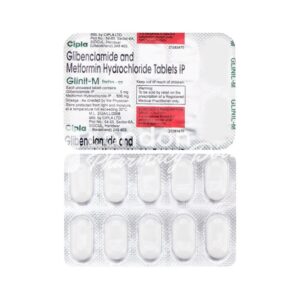
- Forms & Dosages: Common strengths are 2.5 mg glyburide / 500 mg metformin and 5 mg / 500 mg tablets, typically film-coated, capsule-shaped.
- Manufacturers In United Kingdom: Not specified.
- Registration Status In United Kingdom: Not specified.
- OTC / Rx Classification: Prescription-only (Rx) everywhere according to available product information.
Initial Patient Instructions And Warnings
Worried about safety on the first day? Read the immediate warnings below and carry the emergency steps with you.
- Prescription status: Glucovance (glyburide/metformin) is prescription-only; obtain it from your GP or an NHS diabetes clinic.
- Regulatory reporting: MHRA-regulated prescribing applies and adverse reactions may be reported via the Yellow Card scheme.
- Do not start if: you have known renal impairment with eGFR <30 mL/min/1.73m², active hepatic disease, or ongoing metabolic acidosis.
- Emergency signs — act now: call 999 or go to A&E for severe hypoglycaemia, loss of consciousness, or suspected lactic acidosis indicated by deep rapid breathing, severe fatigue or abdominal pain.
- Overdose: seek immediate medical attention because of the risks of severe hypoglycaemia and lactic acidosis from metformin.
- Daily precautions: keep a hypoglycaemia kit at home and at work, including fast-acting carbohydrate and glucose gel for quick treatment of low blood sugar.
- Travel and storage: store tablets up to 25°C, protect from moisture, and carry your prescription or a GP letter when crossing UK health-administration borders.
- Pharmacy help: use NHS or high-street pharmacies for repeat prescriptions, and check tablet strength and colour on each dispense.
Everyday Use And Best Practices
Morning Versus Evening Dosing
When should I take my tablets so they fit family life and work?
Glucovance is usually taken once or twice daily with meals to reduce gastrointestinal upset and the risk of hypoglycaemia.
Common starting regimens are a single 2.5/500 mg or 5/500 mg tablet once or twice daily with the main meals.
Many patients take the larger or first daily dose at breakfast and, if prescribed twice daily, the second dose with the evening meal.
If your working day starts early, take the morning dose just before breakfast so carbohydrate intake follows promptly.
If you eat late in the evening, take the evening dose at the main meal rather than at bedtime to avoid nocturnal hypos.
Taking With Or Without Meals (UK Diet Habits)
Do I need to change my typical UK meals when taking Glucovance?
Always take tablets with food, ideally with a carbohydrate-containing meal, to moderate metformin-related nausea and glyburide-related hypoglycaemia.
For those who have a cooked breakfast, take the morning dose with that meal.
For lighter breakfasts such as tea and toast, ensure you have a mid-morning snack available if you are on a glyburide-containing treatment.
Use a daily pillbox and set phone reminders via the NHS app or a pharmacy text service to keep dosing consistent.
| Time | Suggested Action |
|---|---|
| Before Breakfast | Take morning dose with cooked breakfast or have a carbohydrate snack afterwards. |
| Midday | Skip unless prescribed; carry glucose gel if travelling or active. |
| Evening Meal | Take second dose with main dinner; avoid dosing at bedtime. |
- Quick Daily Checklist:
- Take tablets with meals.
- Carry a hypoglycaemia kit when leaving home.
- Use a pillbox and set reminders on your phone or NHS app.
Safety Priorities
Who Should Avoid It (MHRA Warnings)
Is Glucovance safe for everyone?
- Absolute contraindications include renal dysfunction with eGFR <30 mL/min/1.73m², metabolic acidosis including diabetic ketoacidosis or lactic acidosis, and known hypersensitivity to glyburide, metformin or sulfonylureas.
- Do not use in active hepatic disease as metformin is contraindicated in significant hepatic impairment.
- Elderly patients need lower starting doses and closer monitoring because of increased risk of lactic acidosis and hypoglycaemia.
- Inform your GP if you have heart failure, a history of heavy alcohol use, recent severe infection, dehydration, or planned radiological contrast studies.
Activities To Limit (Driving, Work Safety)
Can I drive or do manual work while on Glucovance?
- Glyburide can cause hypoglycaemia and dizziness; take extra care when driving or operating machinery.
- If you have recurrent hypoglycaemic episodes, inform your GP and check DVLA guidance as licence restrictions or reporting may be required.
- Shift workers or those working at heights should keep fast-acting glucose to hand and discuss a glucagon kit with their clinician if severe hypoglycaemia risk is high.
- Always carry identification stating you have diabetes and are taking a glyburide/metformin combination.
Dosage And Adjustments
General Regimen (NHS Guidance)
How is dosing started and adjusted?
Start with one tablet of 2.5/500 mg or 5/500 mg once or twice daily with meals.
Increase the dose in increments of no more than 2.5 mg/500 mg every two or more weeks according to response and tolerability.
The usual maximum combined daily dose is 20 mg glyburide with 2000 mg metformin in divided doses.
Baseline renal function (eGFR) should be checked prior to initiation and repeated periodically thereafter.
Special Cases (Elderly, Comorbidities)
Who needs closer monitoring and dose changes?
- Elderly patients: start at the lowest dose and titrate cautiously because of higher lactic acidosis and hypoglycaemia risk.
- Renal impairment: contraindicated if eGFR <30 mL/min/1.73m²; use extreme caution or avoid at eGFR 30–45 mL/min/1.73m².
- Hepatic impairment: do not use.
- Intercurrent illness, dehydration or planned iodinated contrast examinations: temporarily stop metformin-containing therapy and re-check renal function before restarting.
| Dose Step | Action |
|---|---|
| Start | 1 tablet 2.5/500 mg or 5/500 mg once daily with food. |
| Titration | Increase by 2.5/500 mg every ≥2 weeks as needed. |
| Maximum | Up to 20 mg glyburide / 2000 mg metformin per day in divided doses. |
| Monitoring | Baseline eGFR and at least annual renal checks; more often if at risk. |
User Testimonials
Positive Reports From UK Patients
What have other UK patients said in forums and at the pharmacy counter?
- “My HbA1c improved after moving to the combination when metformin alone wasn’t enough,” is a common positive theme from UK patients.
- Patients appreciate fewer tablets and once- or twice-daily convenience compared with separate agents.
- Improved post-meal glucose readings are frequently reported after starting a glyburide/metformin combination.
Common Challenges (Patient.info, NHS Forums)
What problems do patients typically face?
| Pros | Cons |
|---|---|
| Convenient dosing and dual mechanism of action. | Higher risk of hypoglycaemia compared with non-sulfonylurea add-ons. |
| Often improves HbA1c when monotherapy is insufficient. | Gastrointestinal upset from metformin in some patients. |
| Easier adherence when combined into one tablet. | Tablet appearance may vary by manufacturer, causing patient confusion. |
- Typical patient tips include carrying sugary snacks, informing family or colleagues about hypo signs, and asking a pharmacist at Boots or Lloyds for counselling.
Buying Guide
Pharmacy Sources (Boots, LloydsPharmacy, Superdrug)
Where can UK patients get Glucovance or equivalent?
Glucovance-equivalent combinations are prescription-only and dispensed at high-street pharmacies such as Boots, LloydsPharmacy and Superdrug when prescribed by a GP or diabetes clinic.
NHS-approved online pharmacies may dispense branded or generic glyburide/metformin products when provided with a valid NHS prescription.
Pharmacists can explain differences between branded and generic products and advise on tablet appearance and storage.
Price Comparison (NHS Prescription Charge Vs Private)
How much will it cost me?
England usually charges an NHS prescription fee per item; Scotland, Wales and Northern Ireland often provide free NHS prescriptions for most patients.
Private prescriptions are priced by each pharmacy and branded Glucovance generally costs more than generics.
For price-sensitive patients, ask your GP to prescribe the generic glyburide/metformin combination.
In our online pharmacy, glucovance is available without a prescription, with discreet delivery to United Kingdom in 5-14 days.
| Pharmacy Type | Typical Access | Cost Notes |
|---|---|---|
| High-Street (Boots, Lloyds, Superdrug) | Dispense on NHS or private prescription. | May offer repeat dispensing and medicine use reviews. |
| NHS-Approved Online Pharmacies | Dispense on receipt of electronic NHS prescription. | Generics often cheaper; check tablet strength on delivery. |
| Private Prescription Services | Available with GP private prescription. | Price varies; branded products cost more than generics. |
What’s Inside And How It Works
Ingredients Overview
What are the active ingredients in Glucovance?
The fixed-dose combination contains glyburide (also known as glibenclamide in some countries) and metformin hydrochloride.
Common tablet strengths include 2.5 mg glyburide / 500 mg metformin and 5 mg / 500 mg.
Other markets may offer different strengths such as 1.25/250 mg in some generics.
Mechanism Basics Explained Simply
How do the two drugs work together?
| Ingredient | Main Action |
|---|---|
| Glyburide (glibenclamide) | Stimulates pancreatic beta cells to increase insulin secretion and reduce blood glucose. |
| Metformin | Reduces hepatic glucose production and improves peripheral insulin sensitivity. |
The combination offers complementary actions: one increases insulin release while the other reduces glucose production and improves uptake.
Because of the glyburide component, the combination raises the risk of hypoglycaemia, while metformin is responsible for most gastrointestinal side effects and the lactic acidosis precaution.
Main Indications
Approved Uses (MHRA Listing)
- This glyburide/metformin combination is indicated for adults with type 2 diabetes who are not adequately controlled with diet and exercise alone and for whom monotherapy with either agent is insufficient.
- Use is prescription-only and should be part of a comprehensive diabetes management plan that includes lifestyle measures and monitoring.
Off-Label Uses In UK Clinics
- Clinicians may use the combination as a pragmatic step-up from monotherapy where appropriate, subject to local formulary decisions.
- Not recommended for children and unsuitable in significant renal or hepatic disease.
- Off-label use should follow clinical judgement and be documented in the patient’s record.
Interaction Warnings
Food Interactions (Alcohol, Tea/Coffee)
What lifestyle factors increase risk?
Alcohol can increase the risk of lactic acidosis from metformin and may also increase hypoglycaemia risk from glyburide.
Avoid binge or heavy drinking and seek GP advice about safe limits when on glyburide/metformin therapy.
Caffeinated drinks such as tea and coffee do not directly interact but can mask some hypoglycaemia symptoms like tremor and palpitations.
Drug Conflicts (MHRA Yellow Card Reports)
Which medicines commonly interact?
- Concurrent hypoglycaemic agents raise the risk of low blood sugar when combined with glyburide.
- Certain antibiotics, antifungals and drugs affecting hepatic metabolism may alter glyburide levels.
- Iodinated contrast media and some diuretics can increase the risk of lactic acidosis with metformin and require temporary interruption and renal checks.
- Report unexpected adverse reactions to the MHRA Yellow Card scheme or ask your pharmacist to help if unsure.
- Always check with your GP or pharmacist before starting OTC medications or herbal remedies.
Latest Evidence And Insights
Key UK And EU Studies 2022–2025
How does recent research affect decisions in the UK?
- Recent EU and UK analyses emphasise selecting combination therapy carefully because the sulfonylurea component carries a higher hypoglycaemia risk than many newer add-ons.
- Comparative studies show that glyburide/metformin combinations can provide similar glycaemic control to some alternatives but with greater hypoglycaemia rates than DPP-4 or SGLT2 inhibitors.
- Real-world registries underscore the need for renal monitoring and note adherence challenges driven by gastrointestinal side effects.
Clinical implication: individualise therapy according to age, renal function, cardiovascular risk, weight and affordability, and consult local NICE and formulary guidance when choosing an add-on.
Alternative Choices
NHS Prescribing Alternatives With Pros/Cons Checklist
What are other options if a glyburide/metformin combination is unsuitable?
| Option | Pros | Cons |
|---|---|---|
| Metformin Monotherapy | Low hypoglycaemia risk, inexpensive. | Gastrointestinal side effects; not suitable if contraindicated. |
| DPP-4 Inhibitors (e.g., sitagliptin or Janumet) | Lower hypoglycaemia risk. | Higher cost; Janumet combines sitagliptin with metformin and may be preferred in some patients. |
| SGLT2 Inhibitors | Cardio‑renal benefits for suitable patients. | Costlier; genitourinary side effects and not suitable for low eGFR. |
| Insulin | Effective glucose lowering for many patients. | Requires training; hypoglycaemia and weight gain possible. |
- Checklist For Choice: assess renal/hepatic status, cardiovascular history, hypoglycaemia risk, local NHS formulary cost and patient preference.
Regulation Snapshot
MHRA Approval & NHS Prescribing Framework
How is this product regulated in the UK context?
Products of this glyburide/metformin class are prescription-only and prescribers must follow MHRA safety updates and local NHS formulary guidance where available.
The ATC classification A10BD02 places the combination in the group of blood glucose‑lowering combinations excluding insulins.
Dispensing pharmacies provide patient information leaflets and must advise on storage (store up to 25°C) and safe disposal of medicines.
Regional prescription entitlements differ: England usually applies an NHS prescription charge per item, whereas Scotland, Wales and Northern Ireland often provide free NHS prescriptions.
Frequently Asked Questions
Can I Take Glucovance If I Drink Alcohol Socially?
Moderate alcohol is discouraged because heavy drinking increases the risk of lactic acidosis and hypoglycaemia.
How Often Should My Kidneys Be Checked?
Check baseline eGFR before starting therapy and at least annually thereafter, and more often if you are elderly or have comorbidities or dose changes.
What If I Miss A Dose?
Take the missed dose as soon as you remember unless it is near the next scheduled dose, and do not double up doses.
If you experience hypoglycaemia after a missed or irregular dose, follow your hypo action plan and seek medical advice if severe.
Can I Drive While Taking It?
Driving is permitted if blood glucose control is stable and there are no recent hypoglycaemic episodes.
Report recurrent hypoglycaemia to your GP and follow DVLA guidance as licence conditions may apply.
Guidelines For Proper Use
UK Pharmacist Counselling Style
What will a pharmacist at Boots or Lloyds tell me at dispensing?
Pharmacists should confirm tablet strength, advise taking the medicine with meals, warn about hypoglycaemia signs, and explain storage instructions to store up to 25°C and to protect tablets from moisture.
They should offer teach-back for hypo management, provide a patient information leaflet, and arrange repeat prescriptions or suggest a GP review when needed.
Pharmacists can also help complete a Yellow Card report for suspected adverse reactions and provide advice on generic options if cost is a concern.
NHS Patient Support Advice
What NHS services should I use while on combination therapy?
Register for local diabetes education such as DESMOND or NHS diabetes programmes for structured support and lifestyle advice.
Attend annual review appointments for renal function, HbA1c, foot checks and cardiovascular risk assessments.
Use medicine use reviews and repeat dispensing services available at many pharmacies and through the NHS app.
Delivery Across United Kingdom
| City | Region | Delivery time |
|---|---|---|
| London | England | 5-7 days |
| Birmingham | England | 5-7 days |
| Manchester | England | 5-7 days |
| Glasgow | Scotland | 5-7 days |
| Leeds | England | 5-7 days |
| Liverpool | England | 5-7 days |
| Newcastle Upon Tyne | England | 5-7 days |
| Sheffield | England | 5-7 days |
| Bristol | England | 5-7 days |
| Edinburgh | Scotland | 5-7 days |
| Cardiff | Wales | 5-9 days |
| Belfast | Northern Ireland | 5-9 days |
| Plymouth | England | 5-9 days |
| Norwich | England | 5-9 days |
| Aberdeen | Scotland | 5-9 days |