Metformin
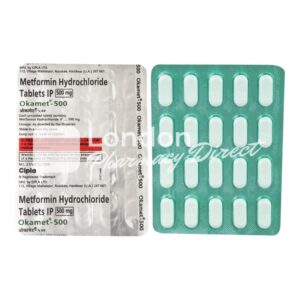
In brief
- In our pharmacy, you can buy metformin without a prescription, with delivery in 5–14 days throughout the United Kingdom. Discreet and anonymous packaging.
- Metformin is used to treat type 2 diabetes mellitus by lowering blood glucose. It is a biguanide oral hypoglycaemic agent that reduces hepatic glucose production and improves insulin sensitivity; it is also sometimes used off-label for polycystic ovary syndrome and prediabetes under medical supervision.
- The usual dose of metformin for adults with type 2 diabetes is 500 mg once or twice daily with meals, then increased gradually by 500 mg each week as tolerated. Common maintenance doses are 1500–2000 mg per day, with a usual maximum of 2000–2550 mg per day depending on the formulation.
- Metformin is available as immediate-release tablets, extended-release tablets, and oral solution. Tablets are taken by mouth, usually with meals to reduce stomach upset.
- Metformin begins working within a few hours of the first dose, but its full blood glucose-lowering effect is usually seen over several days to 1–2 weeks as the dose is adjusted.
- The duration of action depends on the formulation: immediate-release metformin lasts about 6–12 hours, while extended-release preparations provide once-daily coverage for around 24 hours.
- Alcohol should be avoided or kept to a minimum, as heavy drinking increases the risk of lactic acidosis, a rare but serious complication.
- The most common side effects are gastrointestinal, such as nausea, diarrhoea, abdominal discomfort, flatulence, and a metallic taste. Mild weight loss can also occur.
- Would you like to try metformin without a prescription?
Basic Metformin Information
- INN (International Nonproprietary Name): Metformin.
- Brand names available in United Kingdom: Generic metformin; brands vary by supplier and pack, with Glucophage seen in other markets.
- ATC Code: A10BA02.
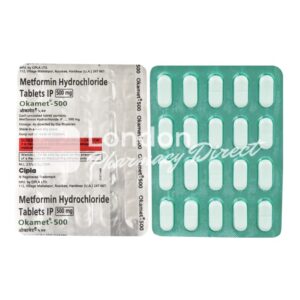
- Forms & dosages: Immediate-release tablets 500 mg, 850 mg, 1000 mg; prolonged/extended-release tablets 500 mg, 750 mg, 1000 mg; oral solution 100 mg/mL; combination tablets with sulfonylureas or thiazolidinediones.
- Manufacturers in United Kingdom: Multiple generic manufacturers and distributors; local brand availability varies by pack and pharmacy supply.
- Registration status in United Kingdom: Prescription only (Rx) and MHRA-approved.
- OTC / Rx classification: Prescription only (Rx).
Everyday Use And Best Practices
Morning Versus Evening Dosing
Do you keep forgetting whether metformin belongs with breakfast or tea?
That is a common question in the pharmacy, because metformin tablets are often taken with meals to help reduce stomach upset.
Some people take it once a day, while others take it twice a day, depending on the formulation and the dose prescribed.
Immediate-release tablets are available as 500 mg, 850 mg and 1000 mg strengths, while extended-release tablets are available as 500 mg, 750 mg and 1000 mg strengths.
For many UK patients, the routine is built around breakfast and the evening meal, but school runs, shift work, and family schedules can make that tricky.
If fasting is part of your routine, including Ramadan-style fasting, any change to timing should be discussed with a clinician or pharmacist first.
That is especially important if you take metformin for diabetes alongside other medicines.
Taking With Or Without Meals
Taking metformin with food is usually the gentlest option, particularly if your meals are irregular or heavy in fibre or fat, which can make gut side effects more noticeable.
Riomet 100 mg/mL oral solution exists in some markets, but UK patients should follow the formulation supplied by the NHS or a regulated private pharmacy.
- Keep a routine by linking the dose to a meal you rarely miss.
- Use phone reminders if your day changes from week to week.
- Carry tablets safely in the original pack, away from heat and damp.
- Check with a pharmacist before changing timing, strength or formulation.
Safety Priorities
Who Should Avoid It
Are you worried about whether metformin is safe with kidney problems or poor health?
In the UK, metformin is a prescription only medicine and is approved by the MHRA.
It should not be used in severe renal impairment, with an eGFR below 30 mL/min/1.73 m², or in metabolic acidosis, including diabetic ketoacidosis.
It is also contraindicated in hypersensitivity to metformin or excipients, and in acute states that increase lactic acidosis risk such as hypoxia, shock or sepsis.
Extra caution is needed with hepatic impairment, dehydration, unstable or acute heart failure, and alcohol misuse or binge drinking, because these can raise the risk of complications.
Activities To Limit
Metformin usually does not cause hypoglycaemia on its own, but illness, poor food intake, or combination treatment can affect concentration and how steady you feel.
If you are starting treatment or having a dose change, it is sensible to see how you feel before driving or operating machinery.
- Seek urgent help if you have severe vomiting.
- Seek urgent help if breathing becomes rapid or deep.
- Seek urgent help if you feel extreme weakness or collapse.
- Seek urgent help if confusion, drowsiness or severe unwellness develops.
Dosage And Adjustments
General Regimen
How much metformin should an adult start with?
Product information for metformin for diabetes says the usual initial dose is 500 mg once or twice daily with meals.
The dose is then increased by 500 mg each week as tolerated, with a maximum of 2000 to 2550 mg per day depending on the regimen.
Extended-release tablets are usually taken once daily and are generally used up to a total of 2000 mg.
In NHS-aligned practice, dose changes are clinician-led, not something to adjust yourself if blood sugars look higher for a few days.
Special Cases
Children aged 10 years and over can be treated in appropriate circumstances, usually starting at 500 mg once daily and increasing carefully as tolerated.
Older adults usually need a slower titration and closer monitoring of renal function.
| Group | Typical Approach | Key Point |
|---|---|---|
| Adults | Start 500 mg once or twice daily with meals | Increase by 500 mg per week if needed |
| Children 10+ | Start 500 mg once daily | Titrate carefully; max usually 2000 mg daily |
| Elderly | Start low and go slowly | Renal monitoring is important |
| Renal impairment | Monitor closely; adjust if eGFR 30–45 mL/min/1.73 m² | Contraindicated if eGFR is below 30 |
| Hepatic impairment | Not recommended | Higher lactic acidosis risk |
User Testimonials
Positive Reports From UK Patients
What do people in the UK often say about metformin reviews?
Many patients value it because it is familiar, widely used, and usually low cost, with easy access through the NHS and repeat prescriptions.
Some people also report steadier glucose readings once they settle into a good dosing routine.
For many households, advice from the pharmacist is part of the normal rhythm of treatment, especially when a repeat prescription needs checking.
Common Challenges
On Patient.info and similar NHS forums, the most common complaints are nausea, diarrhoea, bloating and occasionally forgetting doses.
Those experiences are real for the person describing them, but they do vary a lot from one patient to another.
- Taking doses with meals can help the stomach settle.
- Slow dose increases often improve tolerability.
- Extended-release versions are often easier to live with.
- A reminder app can help if mornings are rushed.
Buying Guide
Pharmacy Sources
If you are trying to buy metformin online, the safest route is through a UK-registered pharmacy with proper prescription checks and a GPhC registration.
Common dispensing routes include the NHS, private prescription services and regulated online pharmacies, including well-known chains such as Boots, LloydsPharmacy and Superdrug.
Never use a site that cannot prove it is registered in the UK, because supply without proper oversight is a real safety risk.
In our online pharmacy, metformin is available without a prescription, with discreet delivery to United Kingdom in 5-14 days.
Price Comparison
In the UK, prescription charges usually apply in England unless you are exempt, while prescriptions are generally free in Scotland, Wales and Northern Ireland.
Generic versions can help reduce cost, and different brands may vary in price depending on pack size and supplier.
| Source | Typical Pros | Safety Checks | Typical Cons |
|---|---|---|---|
| NHS prescription | Trusted supply, often low cost or free | GP and pharmacist review | May need appointments and repeat processing |
| Private prescription | Flexible access, pharmacy support | Prescription and suitability checks | Usually higher cost |
| Online pharmacy | Convenient, discreet delivery | GPhC registration and clinical screening | Unsafe if the site is unregulated |
What Is Inside And How It Works
Ingredients Overview
Metformin is the active ingredient, and it is the INN, BAN and USAN for this medicine.
It belongs to the biguanide class and carries ATC code A10BA02.
Across markets it appears as tablets and oral solution, with brands such as Glucophage, Fortamet, Glumetza and Riomet seen in other countries, while UK patients most often receive generic metformin.
Mechanism Basics Explained Simply
How does metformin actually help?
Put simply, it lowers glucose production in the liver and helps the body respond better to insulin.
- Less glucose is released from the liver.
- Insulin works more effectively in the body.
- Blood sugar control becomes easier to manage over time.
Main Indications
Approved Uses
The main approved use of metformin is type 2 diabetes in adults, with use also established in children aged 10 years and over in appropriate circumstances.
Treatment is often long term, and for many people it becomes part of daily life for years or even lifelong unless side effects or contraindications develop.
That is why NHS metformin prescribing usually comes with regular review rather than a one-off script.
Off-Label Uses In UK Clinics
Metformin for PCOS may be discussed in UK clinics, and it is also sometimes considered in prediabetes or weight-related conversations, but only under medical supervision.
Off-label use means the medicine is being used outside its main approved indication, not that it is safe to start on your own.
- Is there a clear diagnosis?
- Is kidney function known?
- Are current medicines checked for conflicts?
- Are pregnancy plans discussed?
Interaction Warnings
Food Interactions
Alcohol is the biggest food and drink concern with metformin, especially binge drinking, because it can increase the chance of lactic acidosis.
Tea and coffee are usually not direct interactions, although caffeine may worsen stomach discomfort in sensitive people.
If a person already has diarrhoea or poor intake, even ordinary drinks can feel harsher on the gut, so hydration matters.
Drug Conflicts
Yellow Card reporting is used in the UK for suspected medicine problems, and that includes concerns about metformin interactions.
Medicines that reduce kidney function or increase dehydration risk can make metformin less suitable, and combination diabetes therapy can increase hypoglycaemia risk when metformin is used with other drugs.
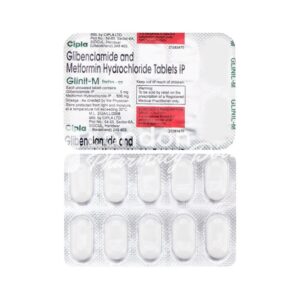
Combination products include Glucovance and Actoplus Met, which show how metformin may sit alongside sulfonylureas or thiazolidinediones.
| Interaction Category | Why It Matters | Practical Advice |
|---|---|---|
| Alcohol | Raises lactic acidosis risk, especially if binge drinking | Limit or avoid; ask a clinician for advice |
| Contrast dyes | Can affect kidney function | Tell the radiology team you take metformin |
| Diuretics | May increase dehydration risk | Monitor fluid intake and symptoms |
| Insulin | Can increase hypoglycaemia risk in combination treatment | Watch for low sugar symptoms |
| Sulfonylureas | May add hypoglycaemia risk | Use only as prescribed |
Latest Evidence And Insights
Key UK And EU Studies 2022–2025
What has recent metformin research in the UK and EU been looking at?
The main themes have stayed fairly consistent: metformin remains a first-line treatment, with ongoing interest in gastrointestinal tolerability, the convenience of extended-release tablets, and long-term vitamin B12 monitoring.
Prescribing still relies on established safety data and routine pharmacovigilance rather than dramatic new claims.
That matters because patients need realistic advice, not hype.
Alternative Choices
NHS Prescribing Alternatives
If metformin is not tolerated or does not control glucose well enough, clinicians may discuss alternatives such as gliclazide, glimepiride, sitagliptin, dapagliflozin or pioglitazone.
Each option has different strengths and trade-offs, so the best choice depends on kidney function, glucose targets, weight considerations and side effect history.
- Gliclazide and glimepiride may lower glucose well, but can raise hypoglycaemia risk.
- Sitagliptin is often discussed when tolerability is a priority.
- Dapagliflozin may be useful in some patients, depending on suitability.
- Pioglitazone is another option, but it is not right for everyone.
Combination Medicines
Combination treatments can help when one medicine is not enough, and examples include Janumet, Kombiglyze, Jentadueto, Avandamet, Actoplus Met and Kombiglyze XR.
These options are usually considered in treatment pathways where convenience, efficacy and monitoring all need to be balanced.
- Once-daily convenience.
- Lower pill burden.
- Possible GI side effects if metformin is still part of the mix.
- Hypoglycaemia risk if paired with certain drugs.
- Weight effects and monitoring needs vary by product.
Regulation Snapshot
MHRA Approval And NHS Prescribing Framework
Metformin is MHRA-approved and prescription only in the UK.
Generic availability is broad, packaging can vary between manufacturers, and local brand presentation may differ from one pharmacy to another.
Multiple generic versions improve access and affordability, which is one reason metformin remains such a common part of UK diabetes care.
Prescription And Monitoring Context
GP-led prescribing usually sits alongside repeat prescriptions, renal function checks and routine medication reviews.
UK patients often expect this kind of joined-up support from the NHS and from the pharmacist, especially when treatment is long term.
| Who | Role | Patient Expectation |
|---|---|---|
| MHRA | Approves and regulates medicines | Safety and quality oversight |
| NHS | Provides prescribing framework and access | Trusted treatment pathways |
| GP | Starts and reviews treatment | Monitoring and dose decisions |
| Pharmacist | Counselling, supply and support | Practical advice and side effect help |
| Online pharmacy | Convenient access to regulated supply | Discreet ordering and delivery |
Frequently Asked Questions
Can I Take Metformin Before Food?
It is usually better to take metformin with meals, because that often reduces stomach upset.
What If I Miss A Dose?
Take the next scheduled dose and do not double up.
Is Metformin Free On The NHS?
It may be free depending on where you live in the UK and whether you qualify for exemption, with England having prescription charges in many cases.
Why Does Metformin Upset My Stomach?
Nausea, diarrhoea, bloating and abdominal discomfort are well-known side effects, and they are often worse early on or when the dose rises too quickly.
Guidelines For Proper Use
UK Pharmacist Counselling Style
How should metformin be used day to day?
Take it exactly as prescribed, increase the dose slowly if your clinician advises it, and do not stop suddenly without guidance.
Persistent diarrhoea should be reported, and so should possible vitamin B12 deficiency symptoms such as tiredness, numbness or tingling.
Store tablets at room temperature between 15 and 30°C, protected from moisture, heat and light, and do not freeze solutions.
That advice matters because poor storage can affect the medicine, especially in a warm bathroom or a car glovebox.
NHS Patient Support Advice
If side effects continue, contact your GP or pharmacist for a review rather than just putting up with them.
Urgent care is needed if lactic acidosis is suspected, particularly after severe vomiting, rapid breathing, or collapse.
A medication review is sensible if kidney function changes, and some people may do better with an easier formulation such as extended-release tablets.
- Take doses with meals when possible.
- Use reminders so doses are not missed.
- Keep storage conditions cool, dry and light-protected.
- Ask for review if stomach problems do not settle.
- Discuss kidney changes, new medicines or fasting plans early.
Delivery Across United Kingdom
| City | Region | Delivery time |
|---|---|---|
| London | England | 5-7 days |
| Birmingham | England | 5-7 days |
| Manchester | England | 5-7 days |
| Leeds | England | 5-7 days |
| Liverpool | England | 5-7 days |
| Sheffield | England | 5-9 days |
| Bristol | England | 5-9 days |
| Newcastle upon Tyne | England | 5-9 days |
| Nottingham | England | 5-9 days |
| Glasgow | Scotland | 5-7 days |
| Edinburgh | Scotland | 5-7 days |
| Cardiff | Wales | 5-7 days |
| Belfast | Northern Ireland | 5-7 days |
| Aberdeen | Scotland | 5-9 days |
| Exeter | England | 5-9 days |