
Ursofalk
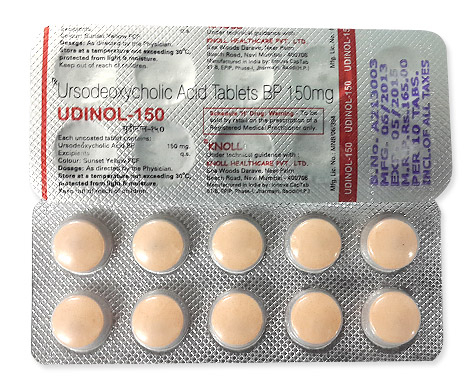
Ursofalk
- In our pharmacy, you can buy ursofalk without a prescription, with delivery in 5–14 days throughout the United Kingdom. Discreet and anonymous packaging.
- Ursofalk (ursodeoxycholic acid) is used to dissolve non‑calcified cholesterol gallstones, to prevent gallstones during rapid weight loss and as long‑term therapy for primary biliary cholangitis; it works as a hydrophilic bile acid that reduces cholesterol saturation of bile, promotes bile flow and exerts cytoprotective effects on liver and biliary cells.
- Usual adult doses are approximately 8–10 mg/kg/day for gallstone dissolution (commonly 300 mg twice daily in practice), 300 mg twice daily for prevention in high‑risk rapid weight‑loss patients, and about 13–15 mg/kg/day (divided doses) for primary biliary cholangitis.
- Administered orally as capsules or tablets — commonly available strengths include 250 mg, 300 mg (capsule), and 500 mg tablets.
- Biochemical effects and symptomatic improvement may begin within a few weeks; however, gallstone dissolution typically requires months of therapy and should be confirmed by imaging.
- Duration of action is maintained while the drug is taken — expect gallstone treatment to continue for 6–24 months and primary biliary cholangitis treatment to be long‑term with regular monitoring.
- Avoid or limit alcohol while using ursofalk, as alcohol can worsen underlying liver disease and interfere with liver monitoring and recovery.
- The most common side effect is diarrhoea.
- Would you like to try ursofalk without a prescription?
Ursofalk
Basic Ursofalk Information
- INN (International Nonproprietary Name): Ursodeoxycholic Acid (commonly referred to as ursodiol).
- Brand Names Available In United Kingdom: Not specified.
- ATC Code: A05AA02 – Ursodeoxycholic acid.
- Forms & Dosages: Capsules 300 mg (common in some markets); tablets 250 mg and 500 mg.
- Manufacturers In United Kingdom: Not specified; global suppliers include Pierre Fabre, Teva, Sandoz, and others.
- Registration Status In United Kingdom: Prescription-only medicine across major markets; licensed in Europe under various brands (EMA approvals listed in global registers).
- OTC / Rx Classification: Prescription-only (Rx) in major markets.
Instructions, Warnings And Daily-Life Integration (Uk Patients)
What should I do when I collect Ursofalk from the pharmacy?
Ursofalk contains ursodeoxycholic acid, also known as ursodiol, and it is a prescription-only medicine in major markets.
Always collect your medicine from an authorised pharmacy such as Boots, LloydsPharmacy, Superdrug or a registered online pharmacy.
Keep the original packaging and the patient information leaflet for reference and for expiry details.
Store the medicine below 25°C and protect it from moisture; do not freeze the product.
If you live in England expect NHS prescription charges unless you are exempt under NHS rules.
Patients in Scotland, Wales and Northern Ireland commonly receive prescriptions free of charge, but always check local NHS guidance for your status.
Do not use Ursofalk if you have complete biliary obstruction or calcified gallstones.
Do not take it if you have a known allergy to ursodeoxycholic acid or any ingredient in the product.
Stop the medicine and seek urgent care if you develop jaundice, worsening abdominal pain or any severe allergic signs such as swelling of the face or throat.
Try to synchronise dosing with an everyday habit such as breakfast or evening tea time to make adherence easier.
Carry a repeat prescription slip or an NHS summary when travelling in case you need a local prescription replacement.
Ask the dispensing pharmacist for counselling on common side effects such as diarrhoea and how to manage them.
Quick Checklist For Storage & Emergency Signs:
- Store below 25°C, keep in original pack, protect from moisture.
- Seek urgent care for jaundice, severe abdominal pain or allergic reaction.
- Keep a repeat-prescription note when travelling.
Pharmacy Contacts:
- Boots – local branches and online prescription service.
- LloydsPharmacy – in-store and NHS repeat prescription services.
- Superdrug – prescription collection points and registered online services.
- Registered online pharmacies – upload NHS prescription for delivery.
Everyday Use & Best Practices
Morning Vs Evening Dosing
How should I split Ursofalk across the day to keep levels steady?
Most regimens divide the total daily dose, typically 8–15 mg/kg/day as advised by clinicians for different indications.
For gallstone dissolution or prevention in rapid weight loss, common practice is twice daily dosing, for example 300 mg twice daily in many cases.
Primary biliary cholangitis often requires a divided dose across the day to reach the usual 13–15 mg/kg/day total used in specialist care.
Choosing a morning and an evening dose helps maintain steady bile acid levels and fits easily into daily routines.
Taking With Or Without Meals (Uk Diet Habits)
Is it best to take Ursofalk with food?
UDCA is usually taken with food to reduce gastrointestinal upset, so pairing the dose with breakfast or dinner suits many UK routines.
Avoid very high-fat meals immediately before dosing if you experience nausea or worse GI symptoms.
Keep a simple dosing diary for two to four weeks to spot side effects and then discuss patterns with your GP.
Sample Routines:
- Breakfast routine: take one dose with cereal and tea or coffee.
- Evening routine: take second dose with dinner or evening tea.
- Bariatric patients: follow specialist advice on timing around meals.
Safety Priorities
Who Should Avoid It (Mhra Warnings)
Who must not take this medicine?
Absolute contraindications include complete biliary obstruction and known hypersensitivity to ursodeoxycholic acid.
Calcified gallstones will not respond to dissolution therapy and should not be treated with UDCA for that purpose.
Use with caution in decompensated liver disease, during pregnancy or breastfeeding where benefits and risks must be weighed, and in acute biliary inflammation.
As with any prescription-only medicine, prescribers will monitor liver function tests while you are taking UDCA.
Activities To Limit (Driving, Work Safety)
Will Ursofalk affect my ability to drive or operate machinery?
UDCA rarely causes dizziness or sedation; the most common effects are gastrointestinal such as diarrhoea and nausea.
If you feel unsteady, drowsy or experience significant side effects, avoid driving or operating machinery until you know how the medicine affects you.
Document any new symptoms and notify your GP or pharmacist promptly so actions can be advised.
When To Stop Driving And Contact Services:
- If you experience dizziness, severe drowsiness or sudden visual disturbance, stop driving and seek medical advice.
- If you have signs of severe allergic reaction, call emergency services immediately.
Dosage & Adjustments
General Regimen (Nhs Guidance)
How will my prescriber choose the dose of Ursofalk?
Standard dosing depends on the indication and is calculated in mg/kg by the prescriber to match the clinical need.
For dissolving non‑calcified cholesterol gallstones, typical doses are around 8–10 mg/kg/day, which often translates into practical regimens such as 300 mg twice daily for many adults.
For gallstone prevention during rapid weight loss, 300 mg twice daily is commonly used.
For primary biliary cholangitis, prescribers generally aim for 13–15 mg/kg/day divided into two or three doses.
Special Cases (Elderly, Comorbidities)
Do older patients need lower doses?
Elderly patients usually do not require routine dose reductions unless they have significant liver or renal impairment.
Avoid use in decompensated cirrhosis or where there is complete biliary obstruction.
Children under 18 have limited evidence of safety and efficacy for most indications and are rarely treated without specialist oversight.
In renal impairment dose adjustment is typically not required, but clinical monitoring is advised.
Baseline and periodic liver tests are recommended and should be arranged by your GP or hepatology team.
Typical Doses By Indication (Examples):
- Dissolution of gallstones: ~8–10 mg/kg/day (practical example: 300 mg twice daily for many adults).
- Gallstone prevention in high-risk weight loss: 300 mg twice daily.
- PBC management: ~13–15 mg/kg/day divided across the day.
User Testimonials
Positive Reports From Uk Patients
Do patients in the UK report benefit from Ursofalk?
Many UK patients on forums and patient.info report fewer biliary colic episodes and improved liver blood tests when treated long-term for PBC.
People prescribed UDCA prophylactically after bariatric surgery often praise the twice-daily routine as easy to fit around meals.
Long-term users commonly comment on the convenience of oral therapy compared with surgical recovery.
Common Challenges (Patient.info, Nhs Forums)
What problems do patients commonly report?
Initial diarrhoea and delayed onset of benefit are often mentioned, with dissolution sometimes taking many months to appear on imaging.
Some patients become frustrated if surgery is still required despite medical therapy, particularly for symptomatic stones.
Brand packaging differences and occasional pharmacy availability issues are frequent practical complaints.
Report any suspected adverse effects through the MHRA Yellow Card scheme for safety monitoring.
Top 5 Patient-Reported Pros And Cons:
- Pro: Easy twice-daily dosing.
- Pro: Improvement in liver biochemistry for many PBC patients.
- Con: Diarrhoea can be troublesome at the start.
- Con: Months required before imaging shows stone dissolution.
- Con: Not effective for calcified stones; surgery may still be needed.
Buying Guide
Pharmacy Sources (Boots, LloydsPharmacy, Superdrug)
Where can I get Ursofalk in the UK?
Ursofalk and other ursodeoxycholic acid brands are prescription-only and must be supplied following a valid prescription from a GP or specialist clinic.
Major pharmacy chains provide prescription fulfilment services in-store and online; registered online pharmacies accept NHS prescription uploads for home delivery.
Hospital clinics often issue repeat prescriptions for specialist indications such as PBC.
Price Comparison (Nhs Prescription Charge Vs Private)
How much does Ursofalk cost on the NHS compared with private purchase?
On the NHS in England standard prescription charges apply unless you are exempt, while Scotland, Wales and Northern Ireland commonly provide free prescriptions.
Private prescription prices vary by pharmacy and brand; asking for generic ursodeoxycholic acid may reduce cost.
Compare prices across major chains and registered online pharmacies to find the best private price if required.
Private Vs NHS Notes:
- NHS prescriptions in England incur the standard charge unless exempt.
- Private prescriptions allow choice of brand but may cost more.
In our online pharmacy, ursofalk is available without a prescription, with discreet delivery to United Kingdom in 5-14 days.
What’s Inside & How It Works
Ingredients Overview
What is the active ingredient in Ursofalk?
The active ingredient is ursodeoxycholic acid (UDCA), also called ursodiol, which is the international nonproprietary name.
Dosage forms on global markets include capsules and tablets; common strengths include 250 mg and 500 mg tablets and 300 mg capsules in some countries.
Excipients vary by brand and packaging; consult the product leaflet supplied with your pack for a full list.
Mechanism Basics Explained Simply
How does ursodeoxycholic acid act in the body?
UDCA changes the composition of bile by reducing cholesterol saturation and improving bile flow, which helps dissolve non‑calcified cholesterol gallstones in selected patients.
In cholestatic liver disorders such as PBC, UDCA helps improve bile flow and liver biochemistry, delaying disease progression in many treated patients.
It is not effective for calcified or pigment stones and will not promote weight loss.
Form Strengths Overview:
- Tablet strengths commonly encountered: 250 mg and 500 mg.
- Capsule strengths commonly encountered internationally: 300 mg.
Main Indications
Approved Uses (Mhra Listing)
What conditions is Ursofalk used for?
Primary licensed uses include dissolution of non‑calcified cholesterol gallstones and long-term therapy for primary biliary cholangitis or cirrhosis.
It is also used prophylactically to reduce gallstone risk during rapid weight loss such as after bariatric surgery.
Off-Label Uses In Uk Clinics
Are there other uses in specialist practice?
Some hepatologists use UDCA off‑label in selected cholestatic or metabolic liver disorders where evidence is variable and specialist monitoring is available.
Imaging and liver function tests are essential to confirm response and to decide if alternative treatment such as cholecystectomy is required.
Monitoring Checklist For Indications:
- Baseline liver function tests and periodic monitoring during therapy.
- Imaging (ultrasound or other) to check gallstone dissolution at intervals over 6–24 months.
Interaction Warnings
Food Interactions (Alcohol, Tea/Coffee)
Does food or drink affect Ursofalk?
There are no major direct interactions with common beverages such as tea or coffee, but alcohol can worsen liver disease and should be minimised while on treatment.
Caffeine itself does not change UDCA levels but high‑caffeine or high‑fat meals may increase gastrointestinal symptoms in sensitive people.
Drug Conflicts (Mhra Yellow Card Reports)
Which medicines can interfere with UDCA?
UDCA has relatively few drug interactions, but bile acid sequestrants may reduce UDCA absorption if taken at the same time.
Always provide a full list of current medicines to your pharmacist so any potential interactions can be checked.
Report any suspected adverse reactions through the MHRA Yellow Card scheme to help monitor safety.
Drugs To Watch:
- Bile acid sequestrants (take UDCA and sequestrant at separate times).
- Any new medicines started by other prescribers—inform your pharmacist.
Latest Evidence & Insights
What does recent research say about UDCA (2022–2025)?
UDCA remains first-line therapy for primary biliary cholangitis with robust long‑term data showing improved liver biochemistry and delayed disease progression for many patients.
Obeticholic acid is now an adjunct option for patients with incomplete response to UDCA and is started by specialists in appropriate cases.
For gallstone dissolution the evidence confirms efficacy only for non‑calcified cholesterol stones and that treatment durations typically range from six to twenty‑four months with repeated imaging to confirm resolution.
Recent studies have focussed on combination strategies and real‑world adherence, but none have displaced UDCA where it is indicated.
Practical Takeaway:
- Expect months for effect; plan blood tests and imaging and discuss surgical options early if there is no response.
Alternative Choices
What are the alternatives to Ursofalk for gallstones and PBC?
For symptomatic or calcified gallstones, cholecystectomy is the NHS standard and provides definitive, rapid symptom relief though it carries the usual operative risks.
Chenodeoxycholic acid (chenodiol) is an older bile acid used in some places but is associated with higher hepatotoxicity risk and is less commonly used.
Obeticholic acid is a specialist second-line option for PBC when UDCA is insufficient and must be initiated and monitored by a hepatologist.
For cholestatic pruritus other options include bile acid sequestrants and rifampicin under specialist guidance.
Pros And Cons — Surgical Vs Medical:
- Surgery: definitive and rapid relief; carries anaesthetic and surgical risk and recovery time.
- UDCA: non‑invasive and well tolerated for many; takes months to work and is limited to non‑calcified cholesterol stones.
Regulation Snapshot
How is ursodeoxycholic acid regulated in the UK?
Ursodeoxycholic acid is classified as prescription-only in major regulatory regions and is controlled under the MHRA framework in the UK consistent with EMA precedents for licensing.
Branded generics and trade names must be prescribed by a GP or specialist and hospital hepatology services commonly manage initiation for PBC.
Check with your pharmacy for brand availability and pack sizes, and report adverse reactions via the Yellow Card scheme.
Practical Notes:
- For orphan or specialist indications hospital pharmacies and specialist commissioning may apply.
Frequently Asked Questions
How long until Ursofalk works for gallstones?
Typically the time to effect is measured in months; treatment for dissolving non‑calcified cholesterol stones usually continues for six to twenty‑four months with imaging checks to confirm dissolution.
Can I stop UDCA when I feel better?
For primary biliary cholangitis UDCA is typically a long-term therapy and should not be stopped without specialist advice.
For gallstones stop only after imaging confirms complete dissolution and you have clinician approval.
Is Ursofalk safe in pregnancy?
Use only when the potential benefit outweighs the risk; data are limited and discussion with your obstetrician and hepatology team is essential.
What if I miss a dose?
Take the missed dose as soon as you remember unless it is close to the time of the next dose; do not double the dose to make up.
When To Contact Your GP Or A&E:
- New jaundice, worsening abdominal pain, fever with rigours, severe diarrhoea or signs of allergic reaction.
Guidelines For Proper Use
Uk Pharmacist Counselling Style
What should a pharmacist discuss when dispensing Ursofalk?
Pharmacists should confirm the indication, explain the prescribed dosing schedule and advise on storage below 25°C and protection from moisture.
Explain common side effects such as diarrhoea and nausea and describe simple measures to manage them, such as taking doses with food.
Check for interactions, especially with bile acid sequestrants, and advise on timing of co‑administration.
Provide the patient information leaflet and encourage MHRA Yellow Card reporting for unexpected reactions.
Nhs Patient Support Advice
How does the NHS support patients on UDCA?
Patients should be encouraged to book periodic GP or hepatology follow-ups for liver function tests and imaging when UDCA is used for gallstones or PBC.
Advise patients about prescription charge differences across UK nations and on using the NHS App or local pharmacy repeat services to manage medication supply.
Pharmacist Checklist And Monitoring Timeline:
- Baseline LFTs before starting, then periodic checks as advised by prescriber.
- Imaging for gallstone dissolution at intervals up to 6–24 months depending on response.
Delivery Across United Kingdom
| City | Region | Delivery Time |
|---|---|---|
| London | England | 5-7 days |
| Birmingham | England | 5-7 days |
| Manchester | England | 5-7 days |
| Glasgow | Scotland | 5-7 days |
| Leeds | England | 5-7 days |
| Liverpool | England | 5-7 days |
| Edinburgh | Scotland | 5-7 days |
| Bristol | England | 5-7 days |
| Sheffield | England | 5-7 days |
| Newcastle | England | 5-7 days |
| Cardiff | Wales | 5-7 days |
| Belfast | Northern Ireland | 5-7 days |
| Nottingham | England | 5-9 days |
| Southampton | England | 5-9 days |
| Plymouth | England | 5-9 days |