Serc
Serc
- In our pharmacy, you can buy Serc without a prescription, with delivery across the United Kingdom and discreet packaging available.
- Serc (betahistine) is used to treat Ménière’s disease and other causes of peripheral vertigo; it is a histamine analogue that acts as an H1 receptor agonist and H3 receptor antagonist to increase histaminergic activity and improve inner‑ear microcirculation, helping to reduce vertigo and tinnitus.
- The usual dose is 16 mg two to three times daily or 24 mg twice daily, with a typical maximum of 48 mg per day; dosage may be adjusted by the prescriber according to response and tolerability.
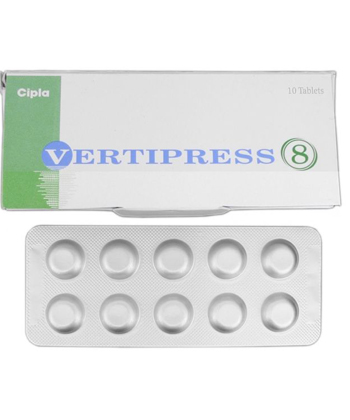
- Serc is administered orally as tablets (commonly 8 mg, 16 mg or 24 mg; film‑coated/plain tablets, usually in blister packs or boxes).
- Improvement is often gradual — some patients notice symptomatic benefit within a few days, but meaningful improvement commonly takes several weeks of regular treatment.
- Each dose has a relatively short pharmacological duration (plasma half‑life about 3–4 hours), so clinical effect is maintained by regular dosing; symptomatic control is sustained while treatment continues.
- Avoid or limit alcohol while taking Serc, as alcohol can worsen dizziness and increase side effects such as drowsiness and gastrointestinal discomfort.
- The most common side effect is nausea and other gastrointestinal disturbances (dyspepsia); other possible effects include headache and allergic skin reactions.
- Would you like to try serc without a prescription?
Serc
Basic Serc Information
- INN (International Nonproprietary Name): Betahistine
- Brand Names Available In United Kingdom: Serc
- ATC Code: N07CA01
- Forms & Dosages: Tablets 8 mg, 16 mg, 24 mg in blister packs or boxes (film‑coated/plain tablets)
- Manufacturers In United Kingdom: Not specified
- Registration Status In United Kingdom: Approved for prescription use
- OTC / Rx Classification: Prescription‑only (Rx)
Important patient instructions before the sections (read first)
Immediate warnings: Serc (betahistine) is prescription‑only in the UK and MHRA‑approved.
Do not take Serc if you have pheochromocytoma, a known allergy to betahistine or excipients, or if you are pregnant without discussing options with your GP or pharmacist.
Stop treatment and seek urgent advice for severe rash, breathing difficulties, sudden severe headache or chest pain.
Daily‑life integration: Take your tablets at the same times each day to build a routine with NHS prescriptions and pill organisers.
Keep doses with breakfast or lunch if you have reflux or an active stomach ulcer.
When travelling carry a note of your prescription and store tablets at room temperature below 25°C.
Practical UK tips: Use your GP or NHS 111 for new or worsening symptoms.
Ask community pharmacists at Boots, LloydsPharmacy or Superdrug for counselling and check prescription payment rules — patients in England usually pay the standard prescription charge while prescriptions are free in Scotland, Wales and Northern Ireland.
For online ordering use MHRA‑registered or ePHR‑verified pharmacies.
Quick checklist
- Contraindications: pheochromocytoma, pregnancy, allergy to betahistine.
- Missed dose: take when remembered unless near next dose; do not double up.
- Storage: original container, room temperature <25°C, keep dry.
Everyday Use & Best Practices
Morning Vs Evening Dosing
Most UK clinicians start patients on 16 mg two to three times daily or 24 mg twice daily, with a maximum of 48 mg per day.
Splitting doses across morning and lunchtime often reduces midday dizziness and keeps blood levels steady during the day.
If nausea appears on waking, swap the morning dose to lunchtime or take with a light snack.
Practical tip: set phone alarms or use a weekly pillbox that fits NHS repeat prescriptions to keep to a dosing schedule for Serc tablets.
Taking With Or Without Meals (UK Diet Habits)
Betahistine can irritate the stomach for some patients, so taking tablets with food is often better.
Typical UK breakfasts such as tea and toast or a cereal bowl usually provide enough food to reduce stomach upset when taking Serc 16 mg.
Avoid taking Serc on an empty stomach if you suffer dyspepsia or a history of peptic ulcer disease.
- Dosing options: 16 mg twice daily, 16 mg three times daily, or 24 mg twice daily.
- Checklist for adjustments: move morning dose to lunchtime for nausea; attach dose to mealtimes for shift workers; skip dose if fasting for medical tests and ask GP.
Safety Priorities
Who Should Avoid It (MHRA Warnings)
Absolute contraindications include pheochromocytoma and known hypersensitivity to betahistine or excipients.
Pregnancy is generally a contraindication and requires discussion with your GP about alternatives.
Use caution if you have bronchial asthma, peptic ulcer disease, hypotension or severe cardiac disease; clinical judgement and MHRA guidance guide use.
Activities To Limit (Driving, Work Safety)
Most people tolerate Serc without major sedation, but mild drowsiness can occur.
If you experience dizziness or drowsiness when starting or increasing dose, avoid driving or operating machinery until you are certain you are unaffected.
Keep a simple driving log for NHS appointments and contact the DVLA if vertigo episodes persist or affect fitness to drive.
Stop and seek advice symptoms checklist:
- Severe rash, swelling or breathing difficulty.
- New severe headache or chest pain.
- Sudden marked increase in dizziness or fainting.
Dosage & Adjustments
General Regimen (NHS Guidance)
NHS clinicians commonly prescribe 16 mg two to three times daily or 24 mg twice daily for Ménière’s disease and chronic peripheral vertigo.
Improvement is often gradual over weeks, so expect a trial of several weeks before judging benefit.
If there is no clear benefit after a few months your GP or ENT specialist may adjust or stop treatment.
Special Cases (Elderly, Comorbidities)
Elderly patients do not require a systematic dose reduction but should start cautiously and have blood pressure and comorbidities monitored.
Betahistine is generally avoided in children owing to insufficient safety and efficacy data.
Renal or hepatic impairment typically requires clinical monitoring rather than routine dose changes.
| Example Regimen | Common Dose | Max Daily Dose |
|---|---|---|
| Start | 16 mg two to three times daily | 48 mg |
| Alternative | 24 mg twice daily | 48 mg |
Dose‑review milestones:
- Reassess at 4–8 weeks for symptom change.
- Consider stopping or referral at 3 months if no benefit.
User Testimonials
Positive Reports From UK Patients
Many UK patients report fewer spinning attacks and reduced vertigo frequency after several weeks on betahistine.
Positive feedback often mentions improved daily function, better sleep and fewer days off work.
Common Challenges (Patient.info, NHS Forums)
Common patient concerns include delayed benefit of several weeks, occasional stomach upsets and variable effectiveness between individuals.
Patients commonly combine Serc with vestibular rehabilitation exercises advised by physiotherapists or ENT clinics.
- Benefits reported: reduced vertigo frequency, improved sleep, better function.
- Challenges reported: slow onset, stomach upset, inconsistent benefit.
| Side Effect | Reported Frequency |
|---|---|
| Gastrointestinal upset | Common |
| Headache | Occasional |
| Mild drowsiness | Occasional |
| Allergic rash | Rare |
Buying Guide
Pharmacy Sources (Boots, LloydsPharmacy, Superdrug)
Serc (betahistine) is prescription‑only in the UK and can be collected from NHS hospital pharmacies, GP practice dispensaries or community chains such as Boots, LloydsPharmacy and Superdrug.
For repeat supplies use NHS repeat dispensing or electronic repeatable prescriptions where available.
Pharmacists can sometimes arrange a private supply if clinically appropriate and the patient is informed.
In our online pharmacy, serc is available without a prescription, with discreet delivery to United Kingdom in 5-14 days.
Price Comparison (NHS Prescription Charge Vs Private)
Under NHS prescriptions patients in England typically pay the standard prescription charge unless exempt.
Prescriptions are free in Scotland, Wales and Northern Ireland.
Private prices vary between chains and online pharmacies; compare the per‑tablet cost for 16 mg and 24 mg formulations.
Checklist To Verify An Online Pharmacy:
- MHRA registration or General Pharmaceutical Council details visible on the site.
- Clear prescription requirements and pharmacist contact details.
- Secure payment and discreet delivery options.
| Route | Typical Cost To Patient |
|---|---|
| NHS Prescription (England) | Standard prescription charge (unless exempt) |
| NHS Prescription (Scotland/Wales/NI) | Free |
| Private Purchase | Varies by pharmacy — compare per‑tablet price |
What’s Inside & How It Works
Ingredients Overview
The active ingredient is betahistine (betahistine dihydrochloride).
Common strengths sold in the UK include 16 mg and 24 mg film‑coated tablets; 8 mg tablets are available with some brands internationally.
Excipients vary by manufacturer so check the patient information leaflet for allergens before use.
Mechanism Basics Explained Simply
Betahistine is classified under ATC code N07CA01 as an antivertigo agent.
It is thought to increase blood flow in the inner ear and to act on histamine receptors to reduce endolymphatic pressure, thereby decreasing vertigo symptoms.
The effect is symptomatic rather than curative, which aligns with its use in Ménière’s disease and other peripheral vestibular disorders.
- Active ingredient: betahistine dihydrochloride.
- Strengths: commonly 16 mg and 24 mg tablets in the UK.
- Mechanism: inner ear blood flow modulation and histamine receptor activity to reduce vertigo.
Main Indications
Approved Uses (MHRA Listing)
Serc is licensed for the symptomatic treatment of Ménière’s disease and various peripheral vestibular vertigo disorders.
Prescribing follows an ENT or GP assessment based on clinical presentation.
Off‑Label Uses In UK Clinics
Off‑label use is uncommon but may be considered for chronic vestibular dysfunction when clinicians judge potential benefit.
ENT specialists may use betahistine alongside vestibular rehabilitation and lifestyle measures as part of a comprehensive plan.
- Approved: Ménière’s disease and peripheral vestibular vertigo.
- Off‑label: selected chronic vestibular cases after specialist review.
Interaction Warnings
Food Interactions (Alcohol, Tea/Coffee)
Avoid alcohol while stabilising on Serc because alcohol can worsen dizziness and increase gastric irritation.
No notable direct interaction is documented with tea or coffee, but caffeine may exacerbate vestibular symptoms in some patients.
Drug Conflicts (MHRA Yellow Card Reports)
Clinically significant drug–drug interactions with betahistine are limited.
Use caution with medications that affect blood pressure or cause sedation.
Report suspected adverse reactions via the MHRA Yellow Card system; pharmacists routinely review interactions when dispensing.
| Common Medications | Monitoring Advice |
|---|---|
| Antihypertensives | Monitor blood pressure for additive vasodilatory effects |
| Sedatives / CNS depressants | Watch for increased drowsiness; avoid driving until stable |
Avoid/Monitor Checklist:
- Avoid alcohol during dose changes.
- Inform your pharmacist of all blood pressure or sedative medicines.
- Report side effects to MHRA Yellow Card if they are unexpected or severe.
Latest Evidence & Insights
Key UK & EU Studies 2022–2025
Recent UK and EU literature from 2022–2025 continues to show mixed results for betahistine.
Some trials and observational studies report symptomatic benefit in reducing vertigo frequency, while systematic reviews question the magnitude of effect.
Regulators such as the MHRA and EMA maintain licensure for symptomatic relief based on existing data.
What It Means For Patients
Clinicians may trial Serc for several weeks and then reassess benefit and tolerability.
Shared decision‑making is important because evidence varies in strength, so patients should document symptom frequency, severity and side effects for review.
Patient checklist for tracking:
- Record vertigo episodes daily for 4–8 weeks.
- Note any side effects such as nausea or rash.
- Bring the diary to GP or ENT review to inform decisions.
Alternative Choices
NHS Prescribing Alternatives With Pros/Cons Checklist
Non‑drug alternatives such as vestibular rehabilitation are first‑line physical options with good evidence for vestibular compensation and low risk.
Other medications used in practice include cinnarizine and meclizine for symptomatic control, though they may cause sedation and have differing evidence bases.
- Vestibular rehabilitation: low risk, effective for compensation.
- Cinnarizine: can help vertigo but may cause drowsiness or extrapyramidal symptoms with long‑term use.
- Meclizine: useful short‑term antiemetic/sedative effects; variable evidence for long‑term benefit.
When To Consider Switching
Consider switching if there is no improvement after an adequate trial (usually 8–12 weeks) or if side effects are intolerable.
Pregnancy, contraindications or specialist recommendations may also prompt a change.
Persistent, severe Ménière’s disease may require ENT referral for escalation to injections or surgical options.
| Alternative | Pros | Cons |
|---|---|---|
| Vestibular Rehabilitation | Good evidence, low risk | Requires commitment and clinic access |
| Cinnarizine | Useful for vertigo control | May cause sedation or movement disorders |
| Meclizine | Short‑term symptom relief | Variable long‑term evidence, sedative |
Regulation Snapshot
MHRA Approval & NHS Prescribing Framework
Serc (betahistine) is prescription‑only in the UK and approved by the MHRA.
Prescribing commonly follows NHS clinical pathways and local formulary decisions, with hospital ENT clinics providing specialist prescriptions when needed.
International/Regulatory Notes Relevant To UK
Betahistine is widely authorised in the UK, EU, Canada and Australia.
It was withdrawn in the USA because of efficacy debates and is not currently available there.
Health Canada lists DINs for 16 mg and 24 mg formulations as part of international monitoring.
| Region | Regulatory Status |
|---|---|
| United Kingdom | Licensed, prescription‑only |
| EU / EEA | Licensed in multiple member states |
| Canada | Licensed (Health Canada DINs for 16 mg/24 mg) |
| United States | Not available (withdrawn) |
Travel checklist: carry a copy of your prescription and confirm import rules when bringing medication between countries.
FAQ Section
Will Serc Stop My Vertigo Completely?
Serc will not necessarily stop vertigo completely for every patient.
Many people experience a reduction in frequency or intensity over several weeks rather than an immediate cure.
Keep a symptom diary for 4–8 weeks to assess how much improvement you have.
What If I Miss A Dose Or Experience Side Effects?
If you miss a dose, take it as soon as you remember unless it is close to the next scheduled dose.
Do not double the next dose to make up for a missed one.
For common side effects such as mild nausea, headache or a mild rash, consult your pharmacist or GP for advice.
Stop and seek urgent medical help for signs of a severe allergic reaction.
Report adverse events via the MHRA Yellow Card scheme.
- Urgent action: breathing difficulties, severe rash, chest pain — call 999.
- Non‑urgent: worsening nausea, headache — contact your GP or NHS 111.
Guidelines For Proper Use
UK Pharmacist Counselling Style
Pharmacists will confirm the indication before supplying Serc and will discuss dose options such as 16 mg or 24 mg formulations.
They will check for contraindications including pheochromocytoma and pregnancy, and highlight common side effects and storage advice.
Pharmacists will also advise on reporting side effects via the MHRA Yellow Card system and review potential interactions with other medicines.
NHS Patient Support Advice
Use NHS 111 for urgent non‑life‑threatening advice and request GP follow‑up for persistent or worsening symptoms.
Ask your GP for ENT referral when attacks continue despite appropriate treatment.
Make use of NHS repeat prescriptions and medicines use reviews at your pharmacy to manage ongoing supply and problems.
- Pharmacist counselling checklist: confirm dose, check contraindications, advise on side effects, storage and Yellow Card reporting.
- Patient action plan: symptom diary, appointment scheduling, prescription payment checks for England vs devolved nations.
Delivery Across United Kingdom
| City | Region | Delivery time |
|---|---|---|
| London | England | 5-7 days |
| Birmingham | England | 5-7 days |
| Manchester | England | 5-7 days |
| Glasgow | Scotland | 5-7 days |
| Leeds | England | 5-7 days |
| Liverpool | England | 5-7 days |
| Bristol | England | 5-7 days |
| Sheffield | England | 5-7 days |
| Edinburgh | Scotland | 5-7 days |
| Cardiff | Wales | 5-9 days |
| Belfast | Northern Ireland | 5-9 days |
| Newcastle | England | 5-9 days |
Final Notes
Serc (betahistine) is a widely used prescription antivertigo treatment in the UK and is licensed for Ménière’s disease and peripheral vestibular vertigo.
Talk with your GP or pharmacist about whether Serc is suitable for you and whether a trial is worthwhile given the mixed evidence and your individual situation.
Keep concise records of symptoms, side effects and any safety concerns and present these at reviews to help decide ongoing treatment.
If you have further questions about obtaining Serc tablets in the UK, speak to the pharmacy team who can explain NHS dispensing, private supply options and safe online ordering.