Rabeprazole
Rabeprazole
- Although rabeprazole is prescription-only in most countries, in our pharmacy you can buy rabeprazole without a prescription, with delivery in 5–14 days throughout the United Kingdom. Discreet and anonymous packaging.
- Rabeprazole is used to treat acid-related conditions such as gastro-oesophageal reflux disease (GORD/GERD), duodenal and gastric ulcers, Zollinger–Ellison syndrome and as part of combination therapy for H. pylori eradication; it is a proton pump inhibitor prodrug that suppresses gastric acid by irreversibly inhibiting the H+/K+ ATPase in gastric parietal cells.
- Usual adult doses are 20 mg once daily for GERD and ulcers; 20 mg twice daily when used in H. pylori triple therapy (for 7–14 days); higher or divided doses (eg starting 60 mg/day) are used and titrated for Zollinger–Ellison syndrome; 10 mg tablets are also available.
- Administered orally, usually as enteric‑coated tablets (10 mg or 20 mg); granules or suspensions are available in some markets for paediatric use and co‑packaged kits exist for H. pylori regimens.
- Rabeprazole typically begins to reduce gastric acid relatively quickly compared with some PPIs — acid suppression can start within 1–3 hours and symptomatic relief may be noticed within a few days.
- The duration of acid suppression from a single dose is about 24 hours, which is why it is usually taken once daily (or twice daily in eradication regimens or severe acid hypersecretion).
- Avoid excessive alcohol while taking rabeprazole, as alcohol can worsen reflux symptoms and may reduce treatment effectiveness; moderate alcohol is not a direct contraindication but is best limited.
- The most common side effect is diarrhoea, with other frequent effects including headache, nausea and abdominal pain; rarer but serious effects include hepatic dysfunction, hypersensitivity reactions and increased risk of certain infections with long‑term use.
- Would you like to try rabeprazole without a prescription?
Rabeprazole

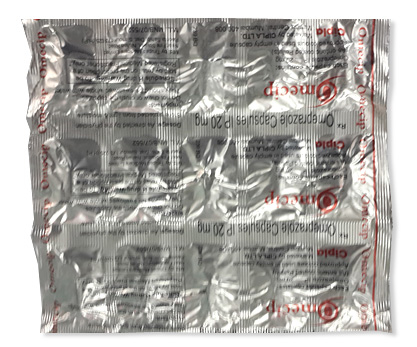
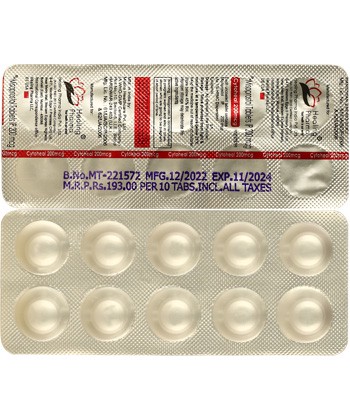
Basic Rabeprazole Information
- INN (International Nonproprietary Name): Rabeprazole
- Brand Names And Packaging Info Globally: Rabeprazole is marketed under a wide spectrum of brand names with packaging varying by country.
United States: AcipHex — 10 mg, 20 mg enteric-coated tablets.
EU/UK: Pariet, Rabecid — 10 mg, 20 mg tablets or blister strips.
India: Rabicip, Acidil — 10 mg, 20 mg tablets/strips; sometimes co-formulated with domperidone or sodium bicarbonate.
Japan: Pariet — 10 mg, 20 mg tablets in blister packs.
Other: Rabeman, Rabium, Razo — 10 mg, 20 mg tablets.
Note: In some regions combination forms for H. pylori eradication are available under brands such as Rabicure or Helicure.
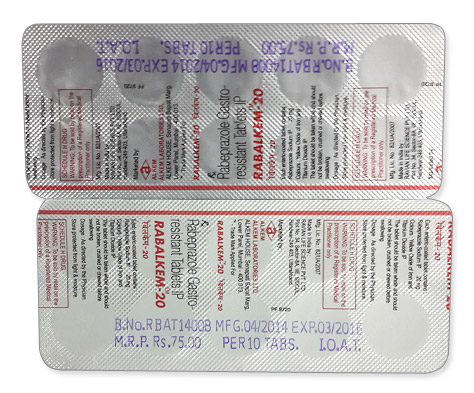
Packing typically uses foil blisters to protect tablets from humidity and light.
- ATC Code: A02BC04 (proton pump inhibitors — rabeprazole monotherapy); A02BD12/13 for combination H. pylori therapy.
- Forms & Dosages: Tablets/enteric-coated tablets are the most common, typically 10 mg and 20 mg.
Granules or suspensions exist in a few markets for paediatric use.
Co-packaged kits for H. pylori eradication (rabeprazole plus antibiotics) are available in some regions.
- Manufacturers In United Kingdom: Originator and generics are supplied globally by companies such as Eisai, Janssen, Dr Reddy’s, Sun Pharma, Sandoz, Torrent, Hikma and Mylan.
In the EU market generics are marketed by Accord, Teva and STADA among others.
- Registration Status In United Kingdom: Rabeprazole is authorised and prescribed across EU/UK settings under brand names including Pariet.
It is a prescription medicine in major regulatory systems and is managed through GP and secondary care prescribing frameworks.
- OTC / Rx Classification: Prescription only (Rx) in nearly all regulatory agencies due to proton pump inhibitor class safety considerations.
Important Instructions And Warnings For UK Patients
Follow MHRA and NHS advice: rabeprazole is prescription only and should not be self-adjusted or stopped abruptly without clinician advice.
If you have liver disease, are pregnant or breastfeeding, or have unexplained abdominal pain or weight loss, contact NHS 111 or your GP before taking rabeprazole.
Store tablets below 25°C in their original blister to protect them from moisture and light.
Daily-life tip: pair your dose with a stable habit such as breakfast tea to reduce missed doses and keep your NHS number and allergy list ready when visiting Boots, LloydsPharmacy or online pharmacies.
Everyday Use & Best Practices
Morning Vs Evening Dosing
Worried whether to take rabeprazole in the morning or at night?
For most people with reflux and GERD the usual NHS regimen is 20 mg once daily, commonly taken in the morning before food to fit daily routines.
Taking the 20 mg dose before breakfast matches typical UK habits such as tea and toast and helps maintain consistent symptom control and adherence to GP prescriptions.
When rabeprazole is used for H. pylori eradication the standard is 20 mg twice daily together with two antibiotics for 7–14 days.
If you are on a twice-daily regimen, space doses roughly 12 hours apart to maintain even acid suppression.
Taking With Or Without Meals (UK Diet Habits)
Wondering if you must take rabeprazole with food?
Rabeprazole is an enteric‑coated prodrug activated in the acidic environment of gastric parietal cells and may be taken with or without food.
Taking it before a substantial UK breakfast can help make the dose part of a daily habit and improve adherence to therapy.
Avoid taking it immediately with very fatty meals or heavy alcohol intake, since these can provoke reflux symptoms and reduce perceived benefit.
- Dose timing: usually 20 mg once daily for GERD, or 20 mg twice daily for H. pylori regimens.
- Missed dose: take when remembered unless it is near the next dose; do not double up.
- Consistency tip: take before your main breakfast to fit into routines like morning tea or medication boxes.
- Brand note: Pariet tablets and other rabeprazole tablets are available in 10 mg and 20 mg strengths.
Safety Priorities
Who Should Avoid It (MHRA Warnings)
Are there people who must not take rabeprazole?
Known hypersensitivity to rabeprazole or related substituted benzimidazoles is an absolute contraindication.
Use rabeprazole cautiously in severe hepatic impairment and only in pregnancy or breastfeeding when the clinician judges benefits to outweigh risks.
Long‑term proton pump inhibitor use carries class risks such as hypomagnesaemia, vitamin B12 deficiency, increased risk of Clostridioides difficile infection and possible fracture risk with prolonged high‑dose therapy.
Activities To Limit (Driving, Work Safety)
Could rabeprazole affect your ability to drive or work with machinery?
Headache and dizziness are reported with rabeprazole and patients experiencing these symptoms should avoid driving, operating heavy machinery or safety‑critical work until they have recovered.
Pharmacists should advise patients to report rashes, severe diarrhoea, jaundice or signs of blood disorders promptly to their GP or contact NHS 111.
- Contraindications: allergy to rabeprazole or substituted benzimidazoles.
- Warning signs: severe skin reaction, persistent diarrhoea, yellowing of eyes, unexplained bruising or bleeding.
- When to contact NHS 111/GP: severe abdominal pain, unexplained weight loss, pregnancy concerns, or if on complex polypharmacy.
Dosage & Adjustments
General Regimen (NHS Guidance)
Want a clear summary of common doses?
Standard adult doses from published product information are: GERD — 20 mg once daily for 4–8 weeks; duodenal ulcer — 20 mg once daily for about 4 weeks.
H. pylori eradication regimens use 20 mg twice daily with two antibiotics for 7–14 days.
For acid hypersecretion such as Zollinger–Ellison syndrome treatment starts at higher doses (for example 60 mg daily) and is individually titrated by specialists.
Special Cases (Elderly, Comorbidities)
Do older patients or those with other conditions need dose changes?
Elderly patients do not routinely require a dose reduction but should be monitored for falls, fractures, electrolyte disturbances and interactions due to polypharmacy.
No dose adjustment is required in mild to moderate renal impairment, while severe hepatic impairment may require dose reduction and closer monitoring for adverse effects.
| Indication | Typical Dose | Duration / Monitoring |
|---|---|---|
| GERD | 20 mg once daily | 4–8 weeks; review if symptoms persist |
| Duodenal Ulcer | 20 mg once daily | About 4 weeks |
| H. pylori Eradication | 20 mg twice daily + 2 antibiotics | 7–14 days; follow local resistance guidance |
| Zollinger–Ellison | Start higher (e.g. 60 mg/day) and titrate | Individualised long‑term therapy with specialist oversight |
User Testimonials
Positive Reports From UK Patients
Do patients say rabeprazole works quickly?
Many UK patients report rapid relief of heartburn and quicker acid suppression compared with some other proton pump inhibitors, which aligns with rabeprazole’s reputation for fast onset.
Positive feedback often includes better sleep due to reduced nocturnal reflux and quicker symptom control when medication is combined with lifestyle changes.
Common Challenges (Patient.info, NHS Forums)
What problems do people commonly mention online?
Common patient concerns include breakthrough symptoms after stopping treatment, mild gastrointestinal side effects such as diarrhoea or constipation, and headaches or occasional dizziness.
Patients also describe confusion over appropriate durations and difficulty obtaining repeat prescriptions without GP review.
- What patients praise: fast symptom relief, improved sleep, effective reflux control when taken regularly.
- Common complaints: rebound heartburn on stopping, mild GI upset, headaches, and access to repeat prescriptions.
- Checklist for GP/pharmacist: report new severe symptoms, review duration if therapy extends beyond recommended periods, and discuss deprescribing where appropriate.
Buying Guide
Pharmacy Sources (Boots, LloydsPharmacy, Superdrug)
Where can rabeprazole be obtained in the UK?
Rabeprazole is prescription‑only and available via GP prescription, NHS repeat prescriptions, clinics and registered online pharmacies including major chains and accredited online providers.
Brands in the UK market include Pariet and generic rabeprazole tablets in 10 mg and 20 mg pack sizes.
In our online pharmacy rabeprazole is available without a prescription, with discreet delivery to United Kingdom in 5-14 days.
Price Comparison (NHS Prescription Charge Vs Private)
How do costs compare between NHS and private purchase?
In England a standard NHS prescription charge applies for those who are not exempt, while prescriptions are free in Scotland, Wales and Northern Ireland — this influences out‑of‑pocket cost.
Private prescriptions or consultations through online clinics are likely to be more expensive than NHS prescriptions; comparing generic prices against branded Pariet will usually show generics are cheaper.
| Source | Typical Pack Sizes | Advice |
|---|---|---|
| NHS GP/Repeat Prescription | 10 mg or 20 mg tablets, packs vary | Best for ongoing treatment and review; check repeat intervals |
| Private/Online Clinic | 10 mg or 20 mg tablets | Faster access but higher cost; verify accredited logos |
| High Street Pharmacy (Boots, LloydsPharmacy) | 10 mg or 20 mg | Collect on presentation of prescription; pharmacists offer counselling |
What’s Inside & How It Works
Ingredients Overview
Curious what the tablets contain?
Rabeprazole tablets are typically enteric‑coated and contain rabeprazole sodium as the active ingredient in 10 mg or 20 mg strengths, with excipients that vary by manufacturer.
Branded Pariet may have a proprietary formulation while generic rabeprazole tablets contain the same active substance with standard excipients.
Mechanism Basics Explained Simply
How does rabeprazole reduce heartburn?
Rabeprazole is a prodrug activated in the acidic canaliculi of gastric parietal cells where it irreversibly inhibits the H+/K+ ATPase proton pump, reducing stomach acid production.
This irreversible binding leads to substantial and relatively rapid acid suppression compared with some other proton pump inhibitors and contributes to faster symptom relief for many patients.
- Ingredients: rabeprazole sodium (active) plus excipients; enteric coating protects tablet until it reaches the small intestine.
- Mechanism: prodrug → activated in acidic parietal cells → irreversible proton pump inhibition → reduced acid secretion.
- Patient note: acid suppression can alter absorption of medicines and nutrients that require an acidic stomach; discuss concomitant medicines with your pharmacist.
Main Indications
Approved Uses (MHRA Listing)
What conditions is rabeprazole approved to treat?
Product information lists rabeprazole for GERD (20 mg once daily for 4–8 weeks), duodenal ulcer (20 mg once daily for around 4 weeks), H. pylori eradication as part of triple therapy (20 mg twice daily with antibiotics for 7–14 days) and for acid hypersecretion such as Zollinger–Ellison syndrome at individualized higher doses.
Off-Label Uses In UK Clinics
Do clinicians ever use rabeprazole off‑label?
Some UK clinicians use rabeprazole off‑label for persistent functional dyspepsia or as part of step‑up/step‑down PPI strategies when other PPIs are ineffective or poorly tolerated, although paediatric use is limited and requires specialist guidance.
| Approved Indication | Typical NHS Dose/Duration | When To Refer |
|---|---|---|
| GERD | 20 mg once daily for 4–8 weeks | Alarm features such as dysphagia, bleeding, or weight loss |
| H. pylori Eradication | 20 mg twice daily with antibiotics for 7–14 days | Failed eradication or recurrent ulcers |
| Zollinger–Ellison | Higher individualized dosing | Specialist gastroenterology referral |
Interaction Warnings
Food Interactions (Alcohol, Tea/Coffee)
Do foods change how rabeprazole works?
Routine foods have little direct effect on rabeprazole’s pharmacology, but alcohol and high caffeine intake (tea and coffee) can worsen reflux symptoms and undermine treatment benefit.
Very fatty meals may precipitate reflux despite PPI therapy, so lifestyle advice remains an important adjunct to medication.
Drug Conflicts (MHRA Yellow Card Reports)
Which medicines need checking before starting rabeprazole?
Rabeprazole has a relatively low interaction profile among PPIs, but acid suppression can reduce absorption of medicines that require gastric acidity such as some azole antifungals or certain antiretrovirals.
Caution is advised with warfarin, methotrexate and other drugs where altered metabolism or absorption could be clinically important; pharmacists should screen for these interactions and monitor where needed.
| Drug Class | Advice |
|---|---|
| Azole Antifungals (some) | May require monitoring or alternative therapy |
| Certain Antiretrovirals | Avoid coadministration where reduced acidity impairs efficacy |
| Warfarin/Methotrexate | Review and monitor INR or methotrexate levels if clinically indicated |
Report suspected adverse reactions to the MHRA Yellow Card scheme.
Latest Evidence & Insights
Key UK & EU Studies 2022–2025
What does recent research say about rabeprazole?
Recent UK and EU literature shows rabeprazole offers rapid symptom relief and is comparable to other PPIs for healing oesophagitis and ulcer outcomes.
Ongoing cohort and database studies continue to investigate class‑wide long‑term associations with hypomagnesaemia, vitamin B12 deficiency and increased risk of GI infections, supporting guidance to review and deprescribe where appropriate.
Primary care audits in the UK stress regular review of repeat PPI prescriptions to document indication, duration and deprescribing plans.
- Study takeaways: rabeprazole has fast onset; efficacy for healing is similar to other PPIs.
- Safety monitoring: audit repeat prescriptions, check electrolytes and B12 on long‑term therapy where clinically indicated.
- H. pylori practice: use local resistance data to guide antibiotic pairing with rabeprazole.
Alternative Choices
NHS Prescribing Alternatives With Pros/Cons Checklist
What are the common alternatives on the NHS?
Other PPIs frequently used by the NHS include omeprazole, esomeprazole, lansoprazole and pantoprazole; H2‑receptor antagonists and antacids are short‑term symptomatic options.
Choice between PPIs often depends on prior response, side‑effect profile, interactions and cost considerations.
- Rabeprazole: faster onset, relatively low interaction potential.
- Omeprazole: widely available and low cost; good first‑line option for many patients.
- Esomeprazole: may be selected for certain erosive disease.
- Step‑down option: consider lowest effective dose or trial off with lifestyle measures for those worried about long‑term risks.
Regulation Snapshot
MHRA Approval & NHS Prescribing Framework
How is rabeprazole regulated in the UK?
Rabeprazole is authorised and prescription‑only under major regulators including the MHRA and EMA and is classified in the ATC system as A02BC04 for proton pump inhibitors.
In the UK it is prescribed via GP and secondary care systems with branded and generic options available.
Prescription Controls & Reporting
What should prescribers document?
Prescribers should record indication, intended duration and a review date on repeat prescriptions and periodically review long‑term use according to NHS deprescribing guidance.
Suspected adverse reactions should be reported through the MHRA Yellow Card system, especially rare serious events such as severe cutaneous reactions or hepatic dysfunction.
- Regulatory facts: prescription only; branded examples include Pariet.
- Reporting routes: MHRA Yellow Card for suspected adverse reactions.
- Storage reminder: keep below 25°C and protected from moisture and light.
FAQ
Common UK Patient Questions
1) Can I get rabeprazole on the NHS?
Yes — rabeprazole is available on prescription from your GP or through NHS pathways; discuss repeat prescribing and review intervals with your clinician.
2) Is rabeprazole safe long‑term?
Short‑term use for licensed indications is standard; long‑term therapy requires periodic review for risks such as hypomagnesaemia, B12 deficiency, infections and bone health concerns.
3) Can I stop suddenly?
Speak to your GP before stopping; some patients have rebound acid hypersecretion and a step‑down or taper strategy may be recommended.
4) Is it available over the counter?
No — rabeprazole is prescription‑only in the UK and should not be self‑prescribed without clinician input.
If you have urgent concerns contact NHS 111 or consult your local pharmacist.
Guidelines For Proper Use
UK Pharmacist Counselling Style
What should a pharmacist check when dispensing rabeprazole?
Confirm indication, dose (10 mg or 20 mg), timing, current medicines and allergies, and advise storage below 25°C and to complete the prescribed course or return for review.
Counsel patients on common side effects including diarrhoea, headache and rash and advise urgent GP contact for severe skin reactions or jaundice.
NHS Patient Support Advice
What support should patients expect from the NHS?
Patients should be encouraged to book GP reviews for repeat prescriptions, discuss stepping down where appropriate, and adopt lifestyle measures such as weight management and alcohol reduction to lower dependence on PPIs.
Provide Yellow Card reporting information for adverse events and local links for H. pylori testing and treatment pathways.
- Pharmacist checklist: confirm dose, review medicines, counsel on side effects and storage, and encourage follow‑up for repeat prescriptions.
- Patient handout template: indication, dose, timings, red flags, and review date.
Delivery Across United Kingdom
| City | Region | Delivery time |
|---|---|---|
| London | England | 5-7 days |
| Birmingham | England | 5-7 days |
| Manchester | England | 5-7 days |
| Glasgow | Scotland | 5-7 days |
| Leeds | England | 5-7 days |
| Edinburgh | Scotland | 5-7 days |
| Liverpool | England | 5-7 days |
| Bristol | England | 5-7 days |
| Newcastle | England | 5-9 days |
| Nottingham | England | 5-9 days |
| Belfast | Northern Ireland | 5-9 days |
| Cardiff | Wales | 5-9 days |
| Southampton | England | 5-9 days |
| Sheffield | England | 5-9 days |