
Pepcid
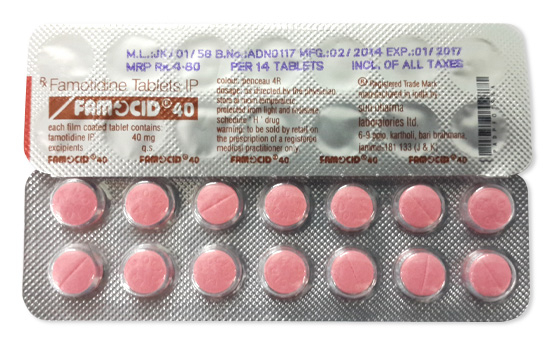
Pepcid
- In our pharmacy, you can buy pepcid without a prescription, with delivery in 5–14 days throughout United Kingdom. Discreet and anonymous packaging.
- Pepcid (famotidine) is used for heartburn, gastro-oesophageal reflux disease (GERD), and for treatment and prevention of gastric and duodenal ulcers; it is a histamine H2‑receptor antagonist that reduces stomach acid secretion by blocking H2 receptors on parietal cells.
- The usual dose for adults is: GERD 20 mg twice daily; duodenal ulcer 20 mg twice daily or 40 mg once daily; gastric ulcer 40 mg once daily (commonly at bedtime); prevention/healing 20 mg once daily. Doses for Zollinger‑Ellison are individualised (20–160 mg every 6 hours); adjust in renal impairment and children as appropriate.
- Administered orally as tablets (10 mg, 20 mg, 40 mg), chewable tablets, orally disintegrating tablets or as a powder for oral suspension after reconstitution.
- The effect typically begins within 30–60 minutes.
- Duration of action is approximately 8–12 hours (acid suppression may last up to about 10–12 hours).
- Avoid excessive alcohol as it can worsen stomach irritation and reduce symptom control; consult your healthcare provider regarding alcohol in pregnancy or when breastfeeding.
- The most common side effect is headache (other common effects include dizziness, constipation, diarrhoea and fatigue).
- Would you like to try pepcid without a prescription?
Pepcid

Basic pepcid Information
- INN (International Nonproprietary Name): famotidine.
- Brand Names Available In United Kingdom: not specified.
- ATC Code: A02BA03 (Histamine H2‑receptor antagonists).
- Forms & Dosages: Tablets 10 mg, 20 mg, 40 mg; chewable 10 mg and 20 mg; orally disintegrating 20 mg; powder for suspension 40 mg/5 mL (Rx only).
- Manufacturers In United Kingdom: not specified.
- Registration Status In United Kingdom: not specified.
- OTC / Rx Classification: Lower strengths (10–20 mg) commonly OTC in many markets; 40 mg and liquid forms generally prescription only.
Initial Instructions, Warnings & Daily-Life Integration
Read the patient information leaflet and speak to your GP or pharmacist before starting famotidine.
Do not self‑treat persistent or severe chest pain — seek urgent care immediately.
Store famotidine below 25°C, keep it dry and out of reach of children.
If you have kidney or liver problems, or take several medicines, arrange a pharmacist review because dose reductions are often needed if creatinine clearance is below 50 mL/min.
MHRA and NHS guidance recommend reporting severe reactions via the Yellow Card scheme.
When travelling with tablets, carry the original packaging and a GP letter for controlled supplies if relevant.
At the pharmacy counter, request a short checklist and ask for a small printed dosing schedule to keep at home for daily use.
Everyday Use & Best Practices
Morning Vs Evening Dosing
Many people take famotidine 20 mg once or twice daily for heartburn or GERD symptoms.
For ulcer healing, 40 mg once at bedtime is a typical prescription regimen.
Taking the dose at night helps control nocturnal acid and sleep disruption from reflux.
Morning dosing can suit daytime reflux or predictable daytime triggers.
Align dosing to your routine, for example after brushing teeth or with breakfast and dinner, to reduce missed doses.
Taking With Or Without Meals (UK Diet Habits)
Famotidine may be taken with or without food and works regardless of meals.
For heavier evening meals, taking the evening dose 30–60 minutes before eating may reduce predictable post‑meal heartburn.
If using OTC strengths for as‑needed relief, take a dose immediately after symptoms start for faster relief.
- Before a heavy evening meal: take 30–60 minutes before eating.
- With regular meals: take with breakfast or dinner as part of your routine.
- As needed: take at the first sign of heartburn using OTC strengths.
| Symptom Pattern | Recommended Timing |
|---|---|
| Nocturnal heartburn | One 40 mg dose at bedtime (Rx) or 20 mg at night (OTC) |
| Post‑meal reflux after large evening meals | Take 30–60 minutes before dinner |
| Intermittent daytime heartburn | 20 mg once or twice daily aligned with meals or as needed |
Safety Priorities
Who Should Avoid It (MHRA Warnings)
Avoid famotidine if you have a known allergy to famotidine or other H2 blockers such as ranitidine or cimetidine.
Seek GP advice if you have severe renal or hepatic impairment because dose adjustments may be required.
Discuss use with a clinician if you have a history of QT prolongation or cardiac arrhythmias.
Use caution in pregnancy or breastfeeding and only take famotidine if clearly needed and recommended by a healthcare professional.
Be vigilant for hypersensitivity or serious skin reactions and report concerns via the Yellow Card scheme.
Activities To Limit (Driving, Work Safety)
Some people experience dizziness or drowsiness while taking famotidine.
If you feel affected, avoid driving or operating heavy machinery until you know how it affects you.
Pharmacists should counsel on these risks at the point of supply and note any job‑related safety concerns.
- Allergy to H2 blockers — contraindicated.
- Severe renal or hepatic impairment — monitor and adjust dose.
- QT prolongation or arrhythmias — seek cardiology advice.
- Pregnancy/breastfeeding — use only if necessary and advised.
| At‑A‑Glance Risk | What To Do |
|---|---|
| Dizziness or drowsiness | Avoid driving and report to pharmacist |
| Hypersensitivity | Stop medicine and seek urgent medical advice |
Dosage & Adjustments
General Regimen (NHS Guidance)
Typical adult dosing for GERD or heartburn is 20 mg twice daily or 20 mg once daily for prevention.
Duodenal ulcer treatment is usually 20 mg twice daily or 40 mg once daily.
Gastric ulcer treatment commonly uses 40 mg once daily at bedtime.
OTC products commonly provide 10–20 mg strengths while 40 mg and suspensions are usually prescription only.
Check with an NHS pharmacist for a regimen tailored to your diagnosis and treatment duration.
Special Cases (Elderly, Comorbidities)
Elderly patients often need lower starting doses because renal impairment is more common with age.
If creatinine clearance is below 50 mL/min, dose reductions are frequently advised, for example halving the usual dose.
Children over about 40 kg may follow adult dosing, but famotidine is not recommended under 3 months without specialist advice.
Use a dosing table and renal‑adjustment checklist at point of care to confirm the correct dose and schedule.
User Testimonials
Positive Reports From UK Patients
Many patients report rapid relief of intermittent heartburn with famotidine 20 mg OTC compared with no treatment.
Users praise its predictable effect for post‑meal symptoms and note the convenience versus repeated GP visits.
Chewable or orally disintegrating forms receive positive comments from those who dislike swallowing tablets.
Typical real‑world feedback highlights good tolerability and lower cost compared with ongoing prescriptions for stronger agents.
Common Challenges (Patient.info, NHS Forums)
Forums and community sites note that famotidine often has a shorter duration of effect than PPIs for chronic reflux.
Many users report the need to re‑dose for breakthrough symptoms during the day.
Occasional side effects mentioned include headache, constipation or mild dizziness.
Patients are advised to see a GP if symptoms persist despite OTC use or if red‑flag symptoms arise.
- Pros: fast onset for intermittent heartburn, chewable options, OTC access.
- Cons: less effective than PPIs for chronic erosive disease, may require repeat dosing.
Quote: “Took 20 mg before a curry and it stopped the burning within the hour — handy to have in the cupboard.”
Buying Guide
Pharmacy Sources (Boots, LloydsPharmacy, Superdrug)
You can buy famotidine products from high‑street chains and licensed online pharmacies in the UK when available OTC.
Always check that an online seller is GPhC‑registered and supplies a patient information leaflet with the product.
Both branded names such as Pepcid and generic famotidine 20 mg tablets are commonly listed by retailers and e‑shops.
Packaging varies and may include blisters, bottles or chewable formats depending on supplier and strength.
Price Comparison (NHS Prescription Charge Vs Private)
England applies NHS prescription charges while Scotland, Wales and Northern Ireland have different prescription arrangements, often free at point of dispensing.
For frequent use, a prescription may be clinically indicated for higher strengths such as 40 mg and can change overall cost.
Compare private OTC prices with NHS prescription costs and consider pharmacy minor ailments services for clinical advice before purchasing.
| Option | Typical Pack Sizes | Where To Buy |
|---|---|---|
| OTC Famotidine 20 mg | 10–24 tablets | High‑street pharmacies and licensed online sellers |
| Prescription 40 mg | 14–28 tablets or bottle | GP prescription dispensed at pharmacy |
In our online pharmacy, pepcid is available without a prescription, with discreet delivery to United Kingdom in 5-14 days.
What’s Inside & How It Works
Ingredients Overview
The active ingredient is famotidine (INN).
Common formulations include 10 mg, 20 mg and 40 mg tablets, 20 mg chewables and orally disintegrating 20 mg tablets.
Powder for suspension (40 mg/5 mL) is typically prescription only and supplied as a bottle for reconstitution.
Excipients vary by manufacturer so always check the leaflet for allergens such as lactose.
Mechanism Basics Explained Simply
Famotidine is an H2‑receptor antagonist and belongs to ATC class A02BA03.
It blocks histamine H2 receptors on stomach parietal cells and reduces gastric acid secretion.
Lower acid eases heartburn and creates an environment for ulcers to heal.
Compared with proton pump inhibitors, famotidine provides less potent but often faster relief for intermittent symptoms.
| Formulation | Typical Use |
|---|---|
| 20 mg tablets / chewables | OTC relief for intermittent heartburn |
| 40 mg tablets / suspension | Prescription ulcer treatment and higher‑dose GERD management |
Main Indications
Approved Uses (MHRA Listing)
Famotidine is approved for short‑term treatment of duodenal and gastric ulcers and for symptomatic treatment and prevention of GERD and heartburn.
Certain hypersecretory conditions are treated with tailored doses under medical supervision.
OTC use generally covers intermittent heartburn while prescription products include higher strengths and paediatric suspensions.
MHRA‑registered product labels list these indications and the licensed dosing ranges.
Off‑Label Uses In UK Clinics
Off‑label use is uncommon but clinicians may use famotidine in dyspepsia management or when patients cannot tolerate PPIs.
For very high acid output syndromes such as Zollinger‑Ellison, famotidine dosing is individualised and may range widely per specialist guidance.
| Indication | Typical Adult Dose | OTC / Rx Status |
|---|---|---|
| Gastric ulcer | 40 mg once daily at bedtime | Usually Rx |
| GERD / Heartburn | 20 mg once or twice daily | OTC (lower strengths) and Rx |
Interaction Warnings
Food Interactions (Alcohol, Tea/Coffee)
Famotidine has no major food‑drug interactions and may be taken with usual UK foods and drinks.
Alcohol can irritate the stomach lining and reduce symptom control, so reducing intake is sensible when managing reflux.
Strong tea and coffee can exacerbate reflux symptoms, though they do not alter famotidine’s pharmacology.
Drug Conflicts (MHRA Yellow Card Reports)
Famotidine generally has fewer drug interactions than cimetidine but caution is needed with drugs affected by altered gastric pH.
Certain antifungals and HIV medications may be less effective if gastric pH is raised, so pharmacists should review concurrent therapy before supply.
Exercise caution when combining famotidine with drugs that prolong the QT interval and report suspected interactions via the MHRA Yellow Card.
- Tell your pharmacist if you take antifungals, HIV meds or other acid‑sensitive drugs.
- Tell your pharmacist if you take medicines known to affect heart rhythm.
- Provide a full list of prescription and OTC medicines at review.
| Interaction Class | Note |
|---|---|
| Drugs affected by gastric pH | Absorption may be altered; check with pharmacist |
| QT‑prolonging agents | Use caution and review cardiac history |
Latest Evidence & Insights
Key UK & EU Studies 2022–2025
Recent UK and EU surveillance and comparative effectiveness studies show famotidine provides reliable short‑term relief for intermittent heartburn and helps prevent nocturnal symptoms.
Comparative data continue to indicate that famotidine is generally less effective than PPIs for chronic, erosive oesophagitis.
Post‑2024 work is tracking long‑term outcomes and infection risk with acid suppression, and ongoing monitoring by regulators will inform guidance into 2025.
Practical Takeaways For Patients
For predictable, intermittent heartburn or when PPIs are unsuitable, famotidine is a reasonable option under GP or pharmacist guidance.
If reflux is chronic, severe or associated with alarm symptoms, discuss PPI therapy or specialist referral with your GP.
| Question | What Research Shows |
|---|---|
| Is famotidine effective for intermittent heartburn? | Yes; reliable short‑term symptom control in trials and real‑world data |
| Is famotidine as good as PPIs for chronic reflux? | No; PPIs provide stronger, longer acid suppression for severe cases |
Alternative Choices
NHS Prescribing Alternatives With Pros/Cons Checklist
Common alternatives include PPIs such as omeprazole, lansoprazole and esomeprazole, and other H2 blockers like cimetidine or nizatidine.
PPIs are generally preferred for frequent or severe GERD and oesophagitis due to stronger, longer acid suppression.
Cimetidine is an alternative but has more drug interactions than famotidine, while ranitidine has been withdrawn in many markets due to NDMA contamination.
- PPIs: stronger acid suppression, different long‑term considerations (nutrient absorption, bone risk).
- Cimetidine: more interactions with other drugs.
- Ranitidine: withdrawn in many regions and not a recommended option.
Choosing Between Options (Practical Points)
Consider whether your symptoms are intermittent or chronic when selecting treatment.
Assess comorbidities such as renal or hepatic impairment and any potential medication interactions.
Follow NHS formulary guidance and discuss with a pharmacist or GP to choose the safest effective option.
| If You Have… | Consider… |
|---|---|
| Intermittent, predictable heartburn | Famotidine 20 mg OTC or as advised |
| Frequent, severe reflux or oesophagitis | PPI therapy after GP review |
Regulation Snapshot
MHRA Approval & NHS Prescribing Framework
Famotidine products are used worldwide under various licences and belong to ATC class A02BA03.
Lower strengths are commonly available OTC in many markets while 40 mg and liquid formulations are generally prescription only.
Prescribers follow NHS formularies and local guidance when selecting agents and doses for patients.
Reporting, Recalls And Supplier Checks
Report adverse events through the MHRA Yellow Card scheme and check MHRA and NHS notices for recalls or safety updates.
When buying online, confirm the seller’s GPhC registration and check product packaging for manufacturer and batch information.
- OTC vs Rx: lower strengths OTC in many markets; 40 mg and suspensions Rx.
- Check seller registration and batch details before purchase.
Always review MHRA safety notices in case of supply or quality issues similar to previous ranitidine recalls in other markets.
FAQ Section
Common Patient Questions
Q1: “Can I take famotidine every day?” — Yes when advised by a GP for prevention; OTC short‑term daily use is common but long‑term use should be reviewed.
Q2: “Is famotidine safer than PPIs?” — It has a different risk/benefit profile: fewer long‑term absorption concerns but less acid suppression for severe disease.
Q3: “Can I use famotidine if I take other medicines?” — Ask a pharmacist; famotidine has fewer interactions than cimetidine but check for drugs influenced by gastric pH or QT risk.
When To See Your GP
See your GP if symptoms persist despite OTC famotidine or if you experience weight loss, difficulty swallowing, persistent vomiting, or black/tarry stools.
Visit urgent care or call 111 if you develop severe chest pain or sudden severe abdominal pain.
- Red Flags: unintentional weight loss, dysphagia, persistent vomiting, melaena or haematemesis.
- Seek GP review if symptoms continue beyond the expected treatment window.
Guidelines For Proper Use
UK Pharmacist Counselling Style
Pharmacists should confirm the indication, current medication list, allergies and any renal function concerns before supplying famotidine.
Provide clear dosing instructions, expected onset and duration of effect, and a list of common side effects.
Give written dosing instructions and advise on Yellow Card reporting for suspected adverse reactions.
Encourage a review if symptoms continue beyond the recommended OTC duration, typically 2–4 weeks.
NHS Patient Support Advice
Recommend lifestyle measures such as weight loss if appropriate, reducing alcohol, avoiding large late meals and limiting late‑night tea or coffee.
Signpost NHS online resources, local pharmacy minor ailments services and the GP for repeat prescriptions or persistent symptoms.
Provide patients with a small leaflet summarising when to seek further help and an easy dosing checklist for daily use.
Delivery Across United Kingdom
| City | Region | Delivery Time |
|---|---|---|
| London | Greater London | 5-7 days |
| Birmingham | West Midlands | 5-7 days |
| Manchester | Greater Manchester | 5-7 days |
| Glasgow | Scotland | 5-7 days |
| Leeds | West Yorkshire | 5-7 days |
| Edinburgh | Scotland | 5-7 days |
| Liverpool | Merseyside | 5-7 days |
| Bristol | South West England | 5-9 days |
| Sheffield | South Yorkshire | 5-9 days |
| Newcastle Upon Tyne | North East England | 5-9 days |
| Leicester | Leicestershire | 5-9 days |
| Coventry | West Midlands | 5-9 days |
| Belfast | Northern Ireland | 5-9 days |
| Cardiff | Wales | 5-9 days |
| Nottingham | Nottinghamshire | 5-9 days |