
Imodium
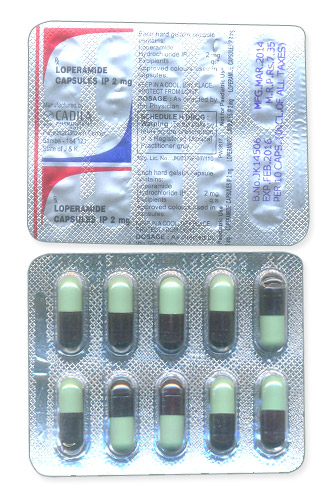
Imodium
- In our pharmacy, you can buy imodium without a prescription (OTC); available in UK pharmacies and many countries, with delivery in 5–14 days throughout the United Kingdom. Discreet and anonymous packaging.
- Imodium is used to treat acute nonspecific diarrhoea (adults and children aged ≥2 years), chronic diarrhoea including irritable bowel syndrome in adults, and to reduce ileostomy discharge. It works peripherally on gut mu‑opioid receptors to slow intestinal motility and increase fluid absorption.
- The usual dose for adults is 4 mg initially, then 2 mg after each loose stool (maximum 16 mg/day). For children aged 2–12 years the usual starting dose is 2 mg followed by 1 mg after each loose stool (maximum commonly 6 mg/day); contraindicated under 2 years. For chronic diarrhoea, treatment is titrated from around 4 mg/day as needed under medical supervision.
- Administered orally as tablets (2 mg), capsules (2 mg), oral solution (1 mg/5 mL) or orally disintegrating film (2 mg).
- The effect usually begins within 30–60 minutes, with many patients noticing improvement within about an hour.
- The duration of action is several hours and effects may persist up to 24 hours; dosing is adjusted as needed up to the daily maximum.
- Avoid or limit alcohol while taking imodium as alcohol can increase dizziness and other adverse effects and may worsen liver-related risks.
- The most common side effect is constipation; other common effects include abdominal cramps, nausea and flatulence.
- Would you like to try imodium without a prescription?
Imodium

Basic Imodium Information
- INN (International Nonproprietary Name): Loperamide.
- Brand Names Available In United Kingdom: Imodium (widely available) and generic loperamide products typically supplied as 2 mg tablets or capsules and oral solution 1 mg/5 mL.
- ATC Code: A07DA03.
- Forms & Dosages: Tablets 2 mg; Capsules 2 mg; Oral Solution 1 mg/5 mL; orally disintegrating film 2 mg reported in some markets.
- Manufacturers In United Kingdom: not specified.
- Registration Status In United Kingdom: not specified.
- OTC / Rx Classification: OTC in most countries for adults and children above age cutoffs; some paediatric formulations or higher‑dose uses may require prescription.
Quick Patient Checklist — Read First
- Read the product label and the patient leaflet before use and confirm the active ingredient is loperamide.
- Do not give loperamide to children under 2 years old.
- Adults: take 4 mg to start, then 2 mg after each loose stool; do not exceed 16 mg in 24 hours.
- Stop and contact NHS 111 or your GP if symptoms do not improve within 48 hours or if they worsen.
- Do not self‑treat if you have bloody diarrhoea, high fever, known inflammatory bowel disease, recent antibiotic use (risk of C. difficile), severe liver disease, or heart rhythm problems.
- Store medicines below 25°C and keep out of reach of children; do not freeze oral liquids.
- If you take strong CYP3A4, CYP2C8 or P‑glycoprotein inhibitors, or other QT‑prolonging drugs, ask a pharmacist before taking loperamide.
Printable Carer Checklist
- Patient name and age: __________.
- Confirm no blood in stool or high fever: yes / no.
- Start dose given: 4 mg at ________.
- Subsequent 2 mg doses logged (time & number of stools): __________.
- Hydration target met? (offer oral rehydration) yes / no.
- Stop and call NHS 111 or GP if no improvement in 48 hours.
Everyday Use & Best Practices
Morning Vs Evening Dosing
Worried about when to take imodium so you can get through the day?
Start with a 4 mg initial dose at the first sign of persistent loose stools and then take 2 mg after each loose stool until control is achieved.
Many adults will take the start dose in the morning and then use 2 mg tablets as required through the day.
If diarrhoea begins at night consider a smaller evening dose and reassess in the morning rather than topping up late‑night doses that could cause constipation during sleep.
Do not exceed 16 mg in 24 hours and stop if there is no improvement after 48 hours or if symptoms worsen.
Taking With Or Without Meals
Do you need to avoid food when you take loperamide?
Loperamide may be taken with or without food, so take tablets with a glass of water after a typical UK meal such as breakfast tea or a pub meal.
If diarrhoea follows a heavy spicy or fatty meal, start treatment promptly and prioritise rehydration with an oral rehydration solution.
For the oral solution (1 mg/5 mL) use the supplied measuring device to ensure accurate dosing.
Simple checklist: hydrate, give start dose, track number of stools and time of each 2 mg top‑up.
Safety Priorities
Who Should Avoid It (MHRA Warnings)
Concerned this medicine might be unsafe for you or a family member?
Do not use loperamide in children under 2 years due to serious risks documented for this age group.
Avoid self‑treatment if you have bloody diarrhoea, high fever, suspected invasive bacterial enterocolitis, acute ulcerative colitis, or suspected C. difficile infection.
People with severe hepatic impairment should consult a clinician as reduced metabolism increases the risk of accumulation and adverse effects.
If pregnant or breastfeeding, check current MHRA and NHS guidance and ask your pharmacist for tailored advice.
Activities To Limit (Driving, Work Safety)
Worried about whether you can drive after taking imodium?
Loperamide only rarely causes dizziness or drowsiness, but if you feel lightheaded do not drive or operate machinery.
If you work in safety‑critical roles such as driving, operating heavy machinery or handling sharps, avoid taking loperamide until you know how it affects you.
In overdose or when combined with strong CYP or P‑gp inhibitors there is increased risk of cardiac effects; seek immediate medical attention if you experience palpitations or fainting.
Dosage & Adjustments
General Regimen (NHS Guidance)
Not sure how many tablets to take and when?
For adults with acute diarrhoea the standard regimen is an initial 4 mg dose followed by 2 mg after each loose stool, not exceeding 16 mg in 24 hours.
For chronic diarrhoea or IBS many clinicians start at 4 mg daily and titrate to effect under supervision with a clear review plan.
If no improvement within 48 hours stop treatment and contact NHS 111 or your GP.
Use the oral solution (1 mg/5 mL) for people who struggle with tablets or need small, precise paediatric doses.
Special Cases (Elderly, Comorbidities)
Do older relatives need dose changes?
Elderly patients usually do not require formal dose adjustments but should be monitored closely for constipation or paralytic ileus and doses lowered where prudent.
In liver impairment use the lower end of dosing and consult the prescriber due to reduced metabolism and increased toxicity risk.
Children under 2 years are contraindicated; ages 2–12 require age‑ or weight‑based dosing under pharmacy or GP guidance.
User Testimonials
Positive Reports From UK Patients
Want to know what other patients say about imodium?
Many UK patients report rapid symptom control with Imodium when used for non‑infective acute diarrhoea, often with fewer toilet visits within hours of the first doses.
Comments from customers at major pharmacy chains often describe a 4 mg start dose followed by 2 mg top‑ups bringing quick relief and allowing travel or work to continue.
Remember that anecdotes are useful for context but do not replace clinical advice for red‑flag symptoms.
Common Challenges (Patient.info, NHS Forums)
Worried you might mask a serious infection by taking an anti‑diarrhoeal?
Forum threads and Patient.info posts commonly raise concerns about masking bacterial causes, constipation from excessive dosing, and confusion over child dosing.
Some report drug interaction worries and availability when travelling.
Collect simple feedback at home: onset time, number of stools, side effects, and share this with your pharmacist or GP if symptoms persist or recur.
Buying Guide
Pharmacy Sources (Boots, LloydsPharmacy, Superdrug)
Where can I buy imodium safely in the UK?
Imodium and generic loperamide products are widely available OTC from high street chains such as Boots, LloydsPharmacy and Superdrug as well as independent pharmacies.
Online pharmacy options exist but choose MHRA‑registered websites and be prepared to provide age and medical history on order pages.
Packs commonly come as 2 mg tablets or capsules and an oral solution of 1 mg/5 mL in blister or bottle formats.
In our online pharmacy, imodium is available without a prescription, with discreet delivery to United Kingdom in 5-14 days.
Price Comparison (NHS Prescription Charge Vs Private)
Is it cheaper to get imodium on prescription?
OTC purchase is usual for adult acute diarrhoea; prescriptions may be used for special paediatric formulations or repeated supplies.
Remember the NHS prescription charge applies in England unless you are exempt, while prescriptions are free in Scotland, Wales and Northern Ireland.
Private pack prices vary by size — common blisters are 6, 12 or 24 tablets — so check pack size against unit cost when comparing stores.
What’s Inside & How It Works
Ingredients Overview
Curious what the medicine actually contains?
The active ingredient is loperamide (INN) supplied typically as 2 mg tablets or capsules and as an oral solution at 1 mg/5 mL.
Excipients differ by manufacturer so check the patient leaflet for potential allergens.
Major suppliers include Johnson & Johnson for Imodium and generics from Perrigo, Teva and ratiopharm; packaging often comes in blisters of 6, 12 or 24.
Mechanism Basics Explained Simply
How does loperamide stop diarrhoea without making you sleepy?
Loperamide acts on peripheral μ‑opioid receptors in the gut to slow intestinal motility and reduce stool frequency without normally crossing into the brain at therapeutic doses.
Slowing transit allows more fluid absorption and firmer stools, providing symptomatic relief while underlying causes are investigated or resolve.
Main Indications
Approved Uses (MHRA Listing)
What conditions is imodium approved to treat?
Loperamide is indicated for acute nonspecific diarrhoea in adults and children above local age cutoffs, for chronic diarrhoea in adults including some IBS cases, and to reduce ileostomy output under clinical supervision.
It is classified under ATC A07DA03 as an antipropulsive.
Use for acute diarrhoea is short term, usually 1–2 days, and should be stopped if no improvement within 48 hours.
Off‑Label Uses In UK Clinics
When might clinicians use loperamide outside these indications?
Specialist or off‑label uses include titrated dosing for chronic diarrhoea in IBS and palliative care to reduce stoma output; these require clinician oversight and clear monitoring for constipation or ileus.
If used long term document the indication, start date and review date on prescriptions and discuss monitoring plans with the pharmacy team.
Interaction Warnings
Food Interactions (Alcohol, Tea/Coffee)
Can I drink alcohol or lots of tea while taking loperamide?
No major food interactions are reported, but alcohol may worsen drowsiness or gastrointestinal side effects and should be avoided while unwell.
Very high caffeine intake can aggravate diarrhoea and dehydration, so focus on rehydration and seek pharmacist advice if vomiting or severe dehydration occur.
Drug Conflicts (MHRA Yellow Card Reports)
What other medicines can make loperamide unsafe?
Loperamide blood levels can rise with strong CYP3A4 or CYP2C8 inhibitors or P‑glycoprotein inhibitors, increasing central or cardiac risks in some reports.
Overdose or misuse has been associated with serious cardiac arrhythmias including QT prolongation; pharmacists should screen for concomitant QT‑prolonging drugs and advise accordingly.
Report suspected adverse reactions via the MHRA Yellow Card system.
Latest Evidence & Insights
Key UK & EU Studies 2022–2025
What does recent evidence say about loperamide’s effectiveness and safety?
Recent UK and EU reviews support loperamide for symptomatic control of non‑infective acute diarrhoea and as a titratable option for chronic diarrhoea in adults.
Post‑2020 safety advisories emphasise restricting pack sizes and caution around cardiac risks with misuse or high doses.
Randomised trials comparing loperamide with racecadotril or probiotics show quicker symptom control with loperamide, while underscoring the importance of hydration and excluding infection.
Clinical Relevance For Patients
How should this evidence change what patients do?
For routine primary care, loperamide remains a first‑line OTC option for most adults with non‑bloody diarrhoea while clinicians reserve antibiotics for confirmed bacterial causes.
Keep patient guidance up to date with MHRA advice and encourage reporting side effects via Yellow Card.
Alternative Choices
NHS Prescribing Alternatives With Pros/Cons Checklist
What are suitable alternatives if imodium is not the right choice?
Racecadotril (antisecretory) is used in some paediatric and adult protocols and may be preferred when secretory diarrhoea is suspected.
Diphenoxylate/atropine is prescription‑only and bismuth subsalicylate is less commonly used in the UK; probiotics offer supportive care but act more slowly.
Pros/cons quick guide: loperamide is rapid; racecadotril may be safer for some children; diphenoxylate needs a prescription.
When To Choose An Alternative
When should a pharmacist recommend something other than imodium?
Consider racecadotril when secretory diarrhoea is likely or follow local paediatric formularies for children’s treatment.
Refer the patient to their GP if diarrhoea is chronic, recurrent despite therapy, or if red flags such as weight loss, blood in stool or fever are present.
Regulation Snapshot
MHRA Approval & NHS Prescribing Framework
How is loperamide regulated in the UK?
Loperamide is an established OTC medicine under brands like Imodium and generics, with the MHRA monitoring safety via Yellow Card reporting and issuing warnings for misuse and cardiac risks.
Certain paediatric formulations or higher‑dose use may require a prescription depending on local guidance.
The ATC classification is A07DA03.
Packaging & Safety Measures
What packaging changes have regulators recommended?
Recent regulatory advice favours limited unit‑dose blister packaging to reduce overdose risk and pharmacies should provide verbal counselling at sale.
Pharmacists may consider recording supply for repeat queries and advise patients about safe storage and disposal.
FAQ Section
Will Imodium Stop All Diarrhoea Immediately?
Will I be cured straight away?
Imodium often reduces stool frequency within hours but not always immediately; follow dosing directions and stop if there is no improvement in 48 hours.
Can I Give Imodium To My Child?
Can I treat my child at home?
Do not give loperamide to children under 2 years old.
For ages 2–12 follow age or weight dosing and ask a pharmacist or GP if unsure; avoid self‑treatment where fever, blood in stools or recent antibiotics are present.
What If I Miss A Dose Or Overdose?
What should I do if I forget or take too much?
If you miss a dose take it when you remember and do not double up if the next dose is due.
In overdose seek immediate medical attention because of risks including cardiac arrhythmias and central nervous system depression, particularly in children.
Guidelines For Proper Use
UK Pharmacist Counselling Style
What should a pharmacist ask before supplying imodium?
Pharmacists should confirm the patient’s age, ask about bloody stools or fever, recent antibiotics, pregnancy, heart or liver disease, and current medicines especially CYP or P‑gp inhibitors.
Provide concise advice: 4 mg to start, then 2 mg after each loose stool for adults, maximum 16 mg/day; stop after 48 hours without improvement; maintain fluids and report adverse effects via MHRA Yellow Card.
NHS Patient Support Advice
Where should patients be directed if symptoms are worrying?
Signpost patients to NHS 111, their GP or local urgent care when red flags are present, and arrange GP review for chronic symptoms including possible stool testing or referral.
Provide printed guidance on hydration (ORS), a dose log template and local pharmacy opening times where helpful.
Delivery Across United Kingdom
| City | Region | Delivery Time |
|---|---|---|
| London | England | 5-7 days |
| Birmingham | England | 5-7 days |
| Manchester | England | 5-7 days |
| Glasgow | Scotland | 5-7 days |
| Leeds | England | 5-7 days |
| Liverpool | England | 5-7 days |
| Edinburgh | Scotland | 5-7 days |
| Bristol | England | 5-7 days |
| Sheffield | England | 5-7 days |
| Nottingham | England | 5-7 days |
| Newcastle Upon Tyne | England | 5-7 days |
| Belfast | Northern Ireland | 5-7 days |
| Cardiff | Wales | 5-7 days |
| Southampton | England | 5-9 days |
| Coventry | England | 5-9 days |