
Gastrointestinal Tract
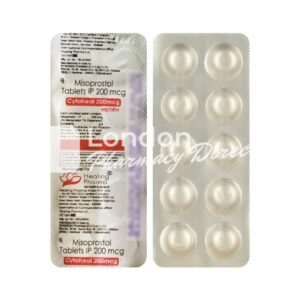
Cytotec
from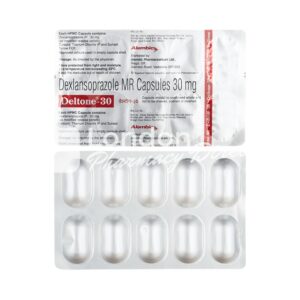
Dexilant
from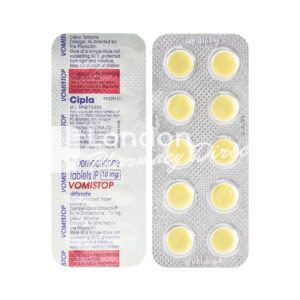
Domperidone
from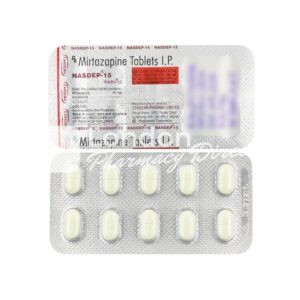
Mirtazapine
from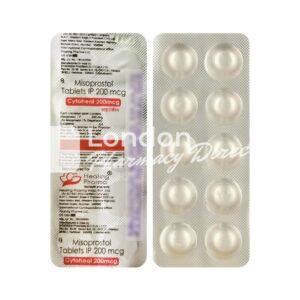
Misoprostol
from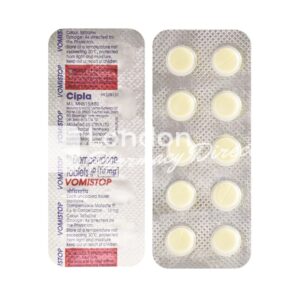
Motilium
from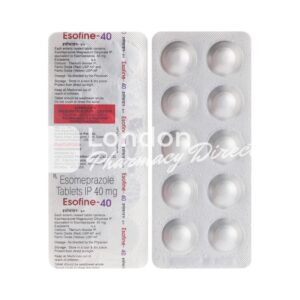
Nexium
fromAcid Reflux and Heartburn Relief
Acid reflux occurs when stomach acid flows back into the oesophagus, causing discomfort and heartburn. This common condition affects millions of people in the UK and can be triggered by fatty foods, caffeine, alcohol, and certain medications.
What it’s used for
Acid reflux medications work by reducing stomach acid production or neutralising existing acid. They provide relief from burning sensations in the chest and throat, improve sleep quality, and prevent long-term damage to the oesophagus when used regularly.
Available medicines
Popular options include Omeprazole, a proton pump inhibitor that reduces acid production and is widely available over-the-counter. Ranitidine alternatives like Famotidine offer H2-receptor blocker therapy. Antacids such as Gaviscon provide quick relief through neutralisation, whilst Lansoprazole offers stronger protection for persistent symptoms.
Additional information
Lifestyle changes alongside medication prove most effective. Elevating your head whilst sleeping, avoiding late meals, and reducing trigger foods enhance treatment success. Most acid reflux medications work best when taken regularly rather than occasionally, and many people find relief within days of starting treatment.
Constipation and Bowel Regularity
Constipation affects a significant portion of the UK population and occurs when bowel movements become infrequent or difficult. Common causes include low fibre intake, inadequate hydration, sedentary lifestyle, and certain medications.
What it’s used for
Constipation treatments aim to soften stools, increase bowel movement frequency, and restore natural digestive rhythm. These medications help relieve abdominal discomfort, bloating, and the straining associated with difficult bowel movements, restoring comfort and regularity to daily life.
Available medicines
- Docusate sodium acts as a stool softener, making bowel movements easier and less painful
- Senna provides natural stimulant laxative action derived from plant sources
- Lactulose draws water into the bowel, softening stools gradually
- Movicol, a polyethylene glycol preparation, offers effective relief without cramping
- Ispaghula husk increases fibre content naturally
Additional information
Prevention through increased water intake, dietary fibre, and regular exercise proves highly effective. Most constipation relief takes effect within 24-72 hours. Combining different treatment types may be necessary for persistent cases. Regular use of natural fibre supplements alongside medications provides sustained results without dependency concerns.
Diarrhoea and Digestive Upset
Diarrhoea represents the opposite problem to constipation, characterised by frequent loose or watery stools. Causes range from viral infections and food poisoning to dietary changes, stress, and underlying conditions like irritable bowel syndrome.
What it’s used for
Anti-diarrhoeal medications reduce intestinal movement, decrease fluid secretion into the bowel, and help absorb excess water. These treatments relieve urgency, abdominal cramping, and dehydration risks, allowing people to resume normal activities and social engagement whilst the underlying cause resolves.
Available medicines
Loperamide, commonly known as Imodium, slows intestinal movement effectively. Bismuth subsalicylate reduces inflammation and bacterial activity in the digestive tract. Kaolin and morphine mixture provides traditional relief through absorption and movement reduction. Activated charcoal absorbs toxins and excess gas. Probiotics like Lactobacillus help restore beneficial gut bacteria balance.
Additional information
Maintaining hydration remains crucial during diarrhoeal episodes; oral rehydration salts replace lost electrolytes effectively. Most acute diarrhoea resolves within 48-72 hours with supportive care. Avoid dairy, fatty foods, and high-fibre items until recovery. Seek medical advice if diarrhoea persists beyond five days or includes blood, as this may indicate more serious conditions requiring investigation.
Irritable Bowel Syndrome Management
Irritable Bowel Syndrome (IBS) affects millions across the UK, causing recurring abdominal pain, bloating, and altered bowel habits. This functional disorder varies significantly between individuals, with symptoms ranging from mild to severely disruptive to daily life.
What it’s used for
IBS medications target specific symptoms rather than curing the condition. Treatments address pain, regulate bowel movements, reduce bloating and gas, and improve overall digestive comfort. Effective management allows people to control symptoms and maintain normal work, social, and leisure activities.
Available medicines
- Mebeverine acts as an antispasmodic, reducing abdominal cramping and pain
- Dicyclomine helps relax intestinal muscles and decrease spasm frequency
- Alosetron reduces bowel contractions and sensitivity in IBS-diarrhoea predominant cases
- Linaclotide and lubiprostone increase intestinal fluid secretion for IBS-constipation types
- Low-dose antidepressants like Amitriptyline manage pain and mood-related symptoms
Additional information
IBS management combines medication with lifestyle modifications for optimal results. Identifying and avoiding trigger foods through dietary adjustment proves invaluable. Stress management techniques, regular exercise, and adequate sleep significantly reduce symptom severity. Consultation with healthcare professionals helps determine whether IBS-diarrhoea or IBS-constipation predominates, guiding appropriate treatment selection and long-term management strategies.
Nausea and Sickness Relief
Nausea and vomiting occur for numerous reasons including migraines, medication side effects, chemotherapy, travel, pregnancy, and gastrointestinal infections. These symptoms significantly impact quality of life and nutritional intake if left untreated.
What it’s used for
Anti-emetic medications prevent or reduce nausea and vomiting by acting on various brain centres and digestive system receptors. These treatments enable people to keep medication down, maintain nutritional intake, prevent dehydration, and continue daily activities without distressing symptoms interrupting their routine.
Available medicines
Metoclopramide speeds stomach emptying and blocks nausea signals to the brain. Ondansetron blocks serotonin receptors effective for post-operative and chemotherapy-related nausea. Cyclizine addresses motion sickness and vestibular-related nausea effectively. Promethazine provides antihistamine action against various nausea triggers. Domperidone offers peripheral action without significant central nervous system effects.
Additional information
The cause of nausea determines optimal treatment selection; consulting healthcare providers ensures appropriate medicine choice. Simple measures like ginger supplements, peppermint aromatherapy, and small frequent meals complement medication therapy. Avoiding strong smells, maintaining fresh air circulation, and resting in quiet environments reduce nausea triggers. Most anti-nausea medications work best taken before symptoms develop rather than after vomiting begins.
Indigestion and Digestive Comfort
Indigestion encompasses discomfort in the upper abdomen including bloating, fullness, belching, and pain after eating. Unlike acid reflux, indigestion involves the stomach rather than oesophageal involvement, though symptoms sometimes overlap.
What it’s used for
Indigestion treatments neutralise stomach acid, reduce gas production, calm stomach inflammation, and improve digestive enzyme function. These medications provide swift relief from post-meal discomfort, enable proper nutrient absorption, reduce bloating sensations, and restore enjoyment of meals without subsequent digestive distress.
Available medicines
- Antacids containing magnesium and aluminium hydroxide rapidly neutralise excess acid
- Simethicone breaks down gas bubbles reducing bloating and discomfort
- Ranitidine alternatives provide sustained acid reduction throughout the day
- Proton pump inhibitors offer stronger protection for frequent indigestion
- Digestive enzyme supplements like pancreatin aid food breakdown and nutrient absorption
Additional information
Identifying indigestion triggers through food diary monitoring helps prevent future episodes. Eating slowly, thoroughly chewing food, and avoiding overeating significantly reduces symptoms. Certain foods including spicy dishes, citrus fruits, chocolate, and fried items commonly trigger indigestion. Eating smaller portions spread throughout the day rather than large meals improves digestive comfort. Most indigestion responds excellently to over-the-counter treatments combined with simple dietary modifications and eating habit adjustments.