Nexium
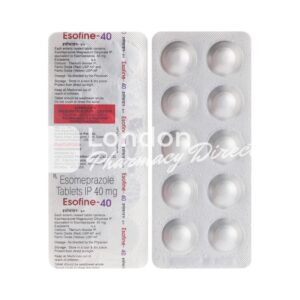
In brief
- You can buy nexium in many community pharmacies and online; in several countries (including parts of the EU and Australia) 20 mg esomeprazole is available over the counter as “Nexium Control” so no prescription is required for that strength, while most other strengths and indications normally require a prescription.
- Nexium (esomeprazole) is used to treat acid‑related conditions such as GERD, erosive oesophagitis, peptic ulcers, H. pylori eradication regimens, Zollinger‑Ellison syndrome and prevention of NSAID‑associated ulcers; it is a proton pump inhibitor that reduces gastric acid secretion by blocking the H+/K+ ATPase enzyme in stomach parietal cells.
- Usual adult doses are 20–40 mg once daily for GERD (4–8 weeks for healing), 20 mg once daily for maintenance, 20 mg twice daily when used with antibiotics for H. pylori (7–14 days), and higher or more frequent doses (e.g. 40 mg twice daily) titrated for hypersecretory states; paediatric dosing and adjustments depend on age and weight (eg 10–20 mg once daily for children as indicated).
- Forms of administration include film‑coated tablets (10, 20, 40 mg), gastro‑resistant granules/sachets (10 mg) for paediatric or tube administration, and intravenous powder for infusion (40 mg vial) for hospital use; there is also a combination tablet (Vimovo) with naproxen.
- The onset of acid suppression begins within about 1 hour, but symptomatic relief may take longer and the drug is not for immediate heartburn relief.
- The duration of acid suppression is approximately 24 hours after a dose, with maximal acid reduction after repeated dosing; clinical healing effects are achieved over days to weeks depending on the condition.
- Avoid excessive alcohol while you have active acid‑related disease, as alcohol can worsen reflux and gastritis; moderate alcohol intake is not an absolute contraindication but heavy drinking is discouraged.
- The most common side effect is headache (other common effects include diarrhoea, nausea, abdominal pain and flatulence; long‑term use may increase risks such as low magnesium, C. difficile infection and bone fracture).
- Would you like to try nexium without a prescription?
Basic Nexium Information
- INN (International Nonproprietary Name): Esomeprazole.
- Brand Names Available In United Kingdom: Nexium and generics from AstraZeneca, Sandoz, Mylan and others; Nexium Control is an EU OTC 20 mg format in some regions; Vimovo is the esomeprazole/naproxen combo available in selected markets.
- ATC Code: A02BC05 (proton pump inhibitor for acid-related disorders).
- Forms & Dosages: Film-coated tablets 10 mg, 20 mg, 40 mg; gastro-resistant granules 10 mg for paediatric use; IV powder 40 mg vial; combo tablets (Vimovo) 20/375 mg and 20/500 mg.
- Manufacturers In United Kingdom: AstraZeneca and multiple generic suppliers such as Sandoz and Mylan supply esomeprazole preparations in the UK market.
- Registration Status In United Kingdom: Esomeprazole is authorised and marketed in the UK in brand and generic forms; most strengths are prescription-only while 20 mg OTC formats exist in some regions outside the UK.
- OTC / Rx Classification: Most strengths and indications are prescription-only; a 20 mg OTC control format exists in some countries but most UK use requires a prescription.
Practical Checklist
- Keep medicines in the original packaging.
- Store tablets at room temperature, below 25°C.
- Report suspected side effects via the MHRA Yellow Card scheme.
- Don’t stop long-term PPIs suddenly; discuss stepping down with your GP or pharmacist.
- Prescription charges apply in England; prescriptions are free in Scotland, Wales and Northern Ireland.
- For urgent advice use NHS 111 or see your local pharmacist.
Instructions, Warnings & Daily-Life Notes For UK Patients
- Keep esomeprazole in its original box or blister pack to preserve labelling and expiry information.
- Store below 25°C and protect from damp or bathroom humidity.
- Report any unexpected side effects to the MHRA Yellow Card service.
- If you have been taking a PPI long-term, do not stop suddenly; arrange a review with your GP or pharmacist to plan a safe step-down.
Morning Vs Evening Dosing
Most patients take a single esomeprazole dose in the morning before breakfast to match peak acid-pump activity.
Some clinicians recommend evening dosing when reflux symptoms are predominantly at night or after late meals.
For H. pylori eradication or severe cases, twice-daily dosing (for example 20 mg twice daily) may be advised with antibiotics.
Always follow the timing printed on your prescription label or the NHS patient leaflet.
Many patients find taking their tablet before the first hot drink or alongside the morning routine improves adherence.
Taking With Or Without Meals (UK Diet Habits)
- Esomeprazole tablets are gastro-resistant and must be swallowed whole with water.
- Absorption tends to be best when taken 30–60 minutes before a main meal, so before a traditional cooked breakfast is sensible for many people.
- If you eat late evening meals, consider timing the dose to help control night-time reflux.
- Esomeprazole is not for immediate relief like antacids; effects build over days.
Everyday Use & Best Practices
Morning Vs Evening Dosing
Most people take esomeprazole once daily in the morning before breakfast to coincide with maximal acid pump activity.
Night-time reflux may be better controlled by evening dosing on clinician advice.
Twice-daily regimens, such as 20 mg twice daily, are used for H. pylori eradication and some severe conditions.
Follow directions on your prescription and the NHS leaflet for exact timing and duration.
UK patients often find that taking tablets before the first hot drink or breakfast helps them remember doses.
Taking With Or Without Meals (UK Diet Habits)
- Esomeprazole can be taken with or without food, but take it 30–60 minutes before a main meal for best effect.
- Swallow film-coated tablets whole with a glass of water.
- If you have a traditional full English or a late evening meal, time the dose to reduce reflux after eating.
- Keep a simple routine—before breakfast works well for most people.
Safety Priorities
Who Should Avoid It (MHRA Warnings)
| Contraindication | Notes |
|---|---|
| Known Hypersensitivity | Do not use if allergic to esomeprazole, omeprazole or other PPIs. |
| Unexplained Abdominal Symptoms | Persistent abdominal pain or vomiting should be investigated before starting a PPI. |
| Severe Hepatic Impairment | Child‑Pugh C patients should not exceed 20 mg daily. |
Activities To Limit (Driving, Work Safety)
- Esomeprazole can rarely cause dizziness or blurred vision; avoid driving or operating machinery if affected.
- Discuss side effects with your GP or pharmacist if you do manual-labour or driving roles.
- Patients on clopidogrel or warfarin need interaction checks before starting esomeprazole.
- Report suspected adverse reactions to the MHRA Yellow Card scheme.
Dosage & Adjustments
General Regimen (NHS Guidance)
| Indication | Typical Dose | Duration |
|---|---|---|
| Erosive GERD | 20–40 mg once daily | 4–8 weeks |
| Maintenance GERD | 20 mg once daily | Long-term as needed |
| H. pylori Eradication | 20 mg twice daily with antibiotics | 7–14 days |
| NSAID Ulcer Prevention | 20–40 mg once daily | For duration of NSAID use |
| Zollinger–Ellison | 40 mg twice daily, titrate | As directed |
Special Cases (Elderly, Comorbidities)
- Elderly patients generally do not require routine dose reduction but should be monitored for PPI-class risks such as fractures and C. difficile infection.
- Severe hepatic impairment requires a maximum of 20 mg per day.
- Renal impairment usually does not need dose adjustment, but specialist review is advised for severe dysfunction.
- If you miss a dose, take it as soon as you remember unless it is nearly time for the next dose; do not double up.
User Testimonials
Positive Reports From UK Patients
- “My heartburn settled within a week and I slept through the night again.”
- “Switching from omeprazole to esomeprazole gave better control of symptoms.”
- Many patients note reduced reliance on antacids and improved healing of erosive oesophagitis after a few weeks.
Common Challenges (Patient.info, NHS Forums)
- Breakthrough reflux despite PPI therapy is commonly reported and may need dose timing or review.
- Gas, bloating and headaches appear on community forums as frequent, mild side effects.
- Long-term users sometimes express concern about low magnesium or recurrent infections and request monitoring.
- Practical Tip: Keep a simple diary noting meal times, triggers and when you take the PPI to help the GP review treatment.
Buying Guide
Pharmacy Sources (Boots, LloydsPharmacy, Superdrug)
Major high-street chains including Boots and LloydsPharmacy stock Nexium and licensed generics.
Online pharmacies registered with the MHRA and GPhC also supply esomeprazole products.
Vimovo and other branded combos are available in selected pharmacies for patients on chronic NSAIDs.
In our online pharmacy, nexium is available without a prescription, with discreet delivery to United Kingdom in 5-14 days.
Price Comparison (NHS Prescription Charge Vs Private)
- In England a standard NHS prescription charge normally applies.
- Prescriptions are free in Scotland, Wales and Northern Ireland.
- Generic esomeprazole is typically cheaper than branded Nexium.
- Check MHRA-registered pharmacy packaging and manufacturer details when buying.
What’s Inside & How It Works
Ingredients Overview
| Form | Strengths | Notes |
|---|---|---|
| Film-Coated Tablets | 10 mg, 20 mg, 40 mg | For GERD, ulcers and hypersecretory conditions. |
| Gastro-Resistant Granules | 10 mg | Paediatric dosing and feeding-tube use. |
| IV Powder For Infusion | 40 mg vial | Hospital use for severe cases. |
| Combo Tablet (Vimovo) | 20/375 mg, 20/500 mg | Esomeprazole combined with naproxen for NSAID ulcer prevention in selected patients. |
Mechanism Basics Explained Simply
- Esomeprazole is a proton pump inhibitor that blocks the stomach’s acid pump (H+/K+ ATPase).
- Reduced acid allows the oesophagus and stomach to heal and relieves heartburn over days to weeks.
- It is not an immediate reliever like antacids; patients should expect effects to build with regular dosing.
- For H. pylori treatment, acid suppression improves antibiotic effectiveness when used in combination regimens.
Main Indications
Approved Uses (MHRA Listing)
- Gastro-oesophageal reflux disease including erosive oesophagitis.
- Duodenal and gastric ulcers and as part of Helicobacter pylori eradication regimens with antibiotics.
- Zollinger–Ellison syndrome and reduction of NSAID-associated ulcer risk.
- IV formulations are licensed for hospital use where oral therapy is not possible.
Off-Label Uses In UK Clinics
- Short-term stress ulcer prophylaxis in high-risk hospital patients is used in selected settings.
- Trials for reflux-related chronic cough or laryngitis occur but evidence remains mixed.
- Clinicians may trial step-down strategies or on-demand dosing for intermittent symptoms.
- Always check with your GP whether a particular use aligns with NHS guidance and MHRA recommendations.
Interaction Warnings
Food Interactions (Alcohol, Tea/Coffee)
- Alcohol can worsen reflux and reduce symptomatic benefit from PPIs; moderation is advised.
- Tea and coffee may trigger reflux symptoms in sensitive individuals but do not change esomeprazole metabolism.
- Avoid late heavy meals and consider elevating the bed head for night-time reflux.
Drug Conflicts (MHRA Yellow Card Reports)
| Drug | Interaction |
|---|---|
| Clopidogrel | Potentially reduced activation; discuss alternatives or monitoring with prescriber. |
| Warfarin | Monitor INR when starting or stopping esomeprazole. |
| Certain Antiretrovirals, Methotrexate | May affect levels; specialist advice recommended. |
- Report unexpected bleeding, severe rash or neurologic symptoms to MHRA via Yellow Card.
- Always tell clinicians about all medications including OTC antacids and herbal remedies.
Latest Evidence & Insights
Key UK & EU Studies 2022–2025
- Recent literature emphasises PPI stewardship and reducing unnecessary long-term use.
- Evidence highlights infection risks such as C. difficile and metabolic effects like low magnesium and reduced B12 with chronic use.
- Comparative trials show esomeprazole is an effective PPI and may offer stronger acid suppression than some generics, though clinical outcomes and cost-effectiveness vary.
Practical Takeaways For Patients
- Discuss treatment duration and stepping down with your GP, particularly if on therapy for months or years.
- Request regular medication reviews if you are on long-term esomeprazole.
- For H. pylori follow NHS eradication regimens combining a PPI with antibiotics.
- Use the lowest effective dose for the shortest duration necessary.
Alternative Choices
NHS Prescribing Alternatives With Pros/Cons Checklist
- Omeprazole: widely used, cost-effective generic alternative; may suit many patients.
- Pantoprazole: useful where interaction profile differs; also available as a generic.
- Lansoprazole and rabeprazole: alternatives with similar efficacy for many indications.
- H2 Receptor Antagonists (e.g. famotidine): provide shorter-term relief but are generally less potent than PPIs.
When To Prefer Esomeprazole
- Consider esomeprazole when other PPIs have failed to control symptoms.
- It may be preferred where more potent acid suppression is required, such as erosive disease or Zollinger–Ellison syndrome.
- Vimovo is indicated as a specific combination for NSAID users needing gastric protection.
- Switching between PPIs should be done with GP oversight, balancing efficacy and NHS formulary considerations.
Regulation Snapshot
MHRA Approval & Labelling
- Esomeprazole is authorised across EU/UK markets on MHRA and EMA-aligned labels.
- Nexium and generics are marketed by AstraZeneca and multiple manufacturers.
- Most strengths remain prescription-only in the UK; some 20 mg OTC formats exist outside the UK.
NHS Prescribing Framework
- GPs prescribe according to NICE guidance and local formularies, which balance efficacy and cost.
- Pharmacists dispense under NHS regulations and offer OTC advice for short-term licensed heartburn products.
- Report adverse reactions to MHRA Yellow Card and consult local formularies for IV use in hospital.
FAQ Section
Top Patient Questions
- How long until Nexium works? — Partial relief may appear in days; full healing often 4–8 weeks.
- Can I stop it suddenly? — Do not stop abruptly without advice; discuss a step-down plan with your GP.
- Is it safe long-term? — Long-term use requires monitoring for magnesium, B12 and bone health risks.
- Can I take it with antiplatelets? — Check with your prescriber owing to a potential clopidogrel interaction.
When To Call NHS 111/GP
- Call 999 or go to A&E for signs of severe allergic reaction, sudden shortness of breath, or collapse.
- Contact NHS 111 or your GP for severe abdominal pain, persistent vomiting, black/tarry stools or blood in vomit.
- If reflux worsens despite correct use, arrange GP review for possible endoscopy or H. pylori testing.
Guidelines For Proper Use
UK Pharmacist Counselling Style
- Confirm indication and dosing time, usually before breakfast, when counselling a patient.
- Check current medications for interactions, including clopidogrel and warfarin.
- Ask about pregnancy and breastfeeding status and prior PPI history.
- Advise storage below 25°C and on missed-dose guidance; offer a written checklist.
- Encourage Yellow Card reporting for suspected adverse events.
NHS Patient Support Advice
- Request a medication review from the GP if taking PPIs for longer than 8–12 weeks.
- Ask about bone-health checks or blood tests for magnesium and B12 if on long-term therapy.
- Use electronic repeat prescriptions or GP practice services for ongoing supply and review eligibility for free prescriptions if applicable.
Delivery Across United Kingdom
| City | Region | Delivery Time |
|---|---|---|
| London | England | 5–7 days |
| Birmingham | England | 5–7 days |
| Manchester | England | 5–7 days |
| Glasgow | Scotland | 5–7 days |
| Leeds | England | 5–7 days |
| Edinburgh | Scotland | 5–7 days |
| Bristol | England | 5–7 days |
| Liverpool | England | 5–9 days |
| Sheffield | England | 5–9 days |
| Newcastle Upon Tyne | England | 5–9 days |
| Nottingham | England | 5–9 days |
| Southampton | England | 5–9 days |
| Cardiff | Wales | 5–9 days |
| Belfast | Northern Ireland | 5–9 days |