Pletal
Pletal
- Pletal is supplied in pharmacies across many countries (Europe, Canada, Australia and formerly the US) and is officially a prescription-only medicine; note that some online or local pharmacies and e‑pharmacies may list or supply generics without requiring a receipt, but official guidance and licensing require a prescription and obtaining it without one is not recommended.
- Pletal (cilostazol) is used to treat intermittent claudication secondary to peripheral arterial disease; it is a phosphodiesterase III (PDE‑III) inhibitor that increases intracellular cAMP, producing vasodilation and inhibiting platelet aggregation.
- The usual adult dose is 100 mg orally twice daily, typically taken about 30 minutes before or 2 hours after meals; benefit is assessed after 2–4 weeks and up to 12 weeks for full effect, and treatment should be stopped if no improvement after about 3 months.
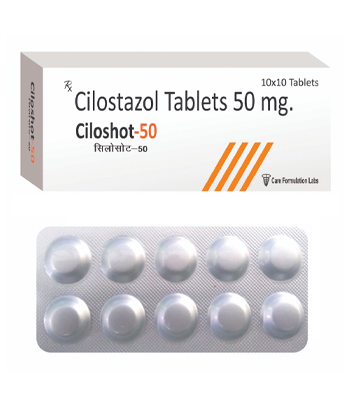
- The drug is administered orally as a tablet (commonly 100 mg tablets; 50 mg tablets are less common in some regions).
- Clinical effects generally begin to be seen within 2–4 weeks, although full effect may take up to 12 weeks of continuous treatment.
- Each dose is typically effective for roughly 12 hours (hence the twice‑daily regimen), consistent with the drug’s pharmacokinetic half‑life.
- Avoid excessive alcohol while taking Pletal; alcohol may worsen side effects such as dizziness, hypotension and tachycardia and can increase the risk of adverse reactions.
- The most common side effect is headache; other frequent effects include diarrhoea, abnormal stools, palpitations/tachycardia, dizziness and peripheral oedema.
- Would you like to try pletal without a prescription?
Pletal
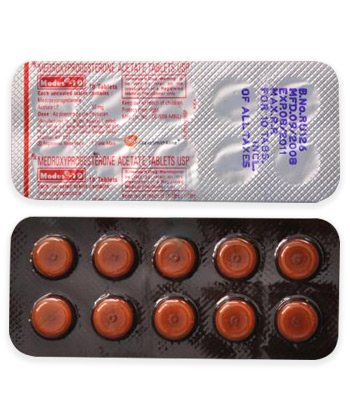
Basic Pletal Information
- INN (International Nonproprietary Name): Cilostazol
- Brand Names Available In United Kingdom: Pletal — Tablets 100 mg, 56 tablet packs commonly supplied in the UK
- ATC Code: B01AC23
- Forms & Dosages: Tablet 100 mg (round) supplied in 20, 30 and 56 tablet packs; 50 mg tablets are rare and seen mainly in Asia
- Manufacturers In United Kingdom: Supplied in the UK market by various European marketing authorisation holders and generic manufacturers (original developer Otsuka; generics from manufacturers such as Zentiva, Actavis, Krka and local MA holders)
- Registration Status In United Kingdom: Licensed by the MHRA and available on prescription via standard NHS or private routes
- OTC / Rx Classification: Prescription Only Medicine (Rx); not available over the counter in major jurisdictions
Important Practical Instructions For UK Patients (Read Before The Sections)
If you have any heart problem do not take Pletal (cilostazol); MHRA/EMA list any degree of heart failure as an absolute contraindication.
- Heart checklist: Any diagnosis of heart failure (even mild) — do not take Pletal.
- Ask your GP or pharmacist: If anyone raises concerns about your heart, seek immediate advice and do not start the medicine until cleared.
- Prescription status: Pletal is prescription-only in the UK; follow your GP or specialist prescription pathway.
- Carry documentation: Keep a printed or digital medicines list and the patient information leaflet when visiting Boots, LloydsPharmacy, Superdrug or ordering online.
- Storage: Keep blister packs dry and at room temperature (15–30°C), protected from light and humidity.
| Scenario | Cost |
|---|---|
| England (NHS Prescription) | Standard NHS prescription charge applies — check the current rate |
| Scotland, Wales, Northern Ireland (NHS) | NHS prescriptions are free |
| Private Purchase / Private Prescription | Price varies by pharmacy and pack size; community and online pharmacies may add dispensing fees |
- Daily-life tip: Allow up to 12 weeks to judge benefit; evaluate walking improvement at 2–4 weeks.
- Report palpitations, severe headaches, chest pain, fainting or unusual bleeding to NHS 111 or your GP immediately.
- Bring your leaflet and medicine list to any pharmacy (Boots, LloydsPharmacy, Superdrug) or clinic visit.
Morning Vs Evening Dosing
Worried about when to take Pletal to fit your daily routine and reduce side effects?
Pletal (cilostazol 100 mg) is usually prescribed as 100 mg twice daily to keep steady levels through the day.
The common practical approach in the UK is one tablet in the morning and one in the early evening so doses sit about 12 hours apart.
Many patients time the first dose after morning ablutions and before breakfast, and the second dose before an early evening meal rather than at bedtime.
Because cilostazol can cause initial headaches and palpitations some people prefer the second dose earlier in the evening to avoid sleep disruption.
If you alter the timing for a day try to return to evenly spaced dosing as soon as possible.
If a dose is missed take it as soon as you remember unless it is nearly time for the next dose and never double up.
Taking With Or Without Meals (UK Diet Habits)
Wondering if your fry‑up or evening roast affects how Pletal works?
Guidance is to take cilostazol about 30 minutes before meals or at least two hours after meals for consistent absorption.
This typically fits UK meal patterns: before a light breakfast such as toast or porridge, and after a fuller evening main meal.
High‑fat meals can alter absorption, so maintain consistent timing rather than switching between before and after meals routinely.
- Example: Take first dose before breakfast at 07:30 if you usually eat at 08:00.
- Example: Take second dose mid‑evening at about 19:30 if your main meal is at 18:00 to keep a clear 2‑hour post‑meal gap.
- Checklist: Be consistent, avoid late‑night dosing if you notice sleep disturbance, and discuss timing with your pharmacist.
Who Should Avoid It (MHRA Warnings)
Are you concerned that Pletal might be unsafe because of an existing heart condition?
The MHRA and regulatory guidance list any degree of heart failure as an absolute contraindication to cilostazol.
Do not take cilostazol if you have known heart failure (NYHA class I–IV) or if you have a history of hypersensitivity to the active substance or excipients.
Also avoid cilostazol in moderate to severe hepatic impairment as it is contra‑indicated in liver disease of that severity.
Use caution if you have severe renal impairment, bleeding disorders, active peptic ulcer disease or if you are taking strong CYP3A4 or CYP2C19 inhibitors that can raise cilostazol levels.
Always inform your GP of your full medical history including any cardiac symptoms and all medicines you take.
Activities To Limit (Driving, Work Safety)
Worried about driving or working on shift when you start the medicine?
Cilostazol can cause dizziness, headache or palpitations early on, so avoid driving heavy machinery or performing safety‑critical work until you know how it affects you.
For UK drivers, if you experience sudden dizziness, fainting or syncope do not drive and contact your GP and insurer.
- Before Driving: Ensure you have not felt dizziness, severe palpitations or visual disturbance after a dose.
- When To Stop Driving: Immediately stop and seek medical advice if you faint, have unexplained chest pain, or new severe palpitations.
- Checklist: Reassess driving fitness at first review if side effects occurred during the first 2–4 weeks.
General Regimen (NHS Guidance)
Unsure what the NHS expects once Pletal is prescribed?
Standard adult dosing is cilostazol 100 mg taken twice daily, usually 30 minutes before or two hours after meals.
Clinicians assess for benefit between 2 and 4 weeks and continue therapy up to 12 weeks if there is clinical improvement.
If there is no meaningful improvement in walking distance after three months, stopping cilostazol is advised.
Missed‑dose advice is to take the tablet as soon as remembered unless close to the next scheduled dose, and never double the dose.
Keep a simple log of walking distance or time to help your GP judge benefit at review appointments.
Special Cases (Elderly, Comorbidities)
Do you need a lower dose because you are older or have kidney problems?
There is no routine dose reduction for elderly patients, but increased monitoring for side effects such as palpitations or dizziness is recommended.
Cilostazol is contraindicated in moderate to severe hepatic impairment and should be used with caution in severe renal impairment.
It is not recommended in children because safety and efficacy have not been established.
Patients taking strong CYP3A4 or CYP2C19 inhibitors require medication review; an alternative may be considered by the prescriber.
| Situation | Action |
|---|---|
| Elderly | Monitor for side effects; no routine dose change |
| Hepatic impairment | Contraindicated if moderate–severe |
| Severe renal impairment | Use caution and increase monitoring |
Positive Reports From UK Patients
Curious if Pletal really helps everyday walking and chores?
Many UK patients report gradual improvement in walking distance and a reduction in calf pain after several weeks on cilostazol.
Posts on Patient.info and NHS community discussions commonly describe meaningful gains in pavement or treadmill walking between four and twelve weeks.
Patients praise the convenience of a twice‑daily tablet and the ability to resume local walks and routine chores with less pain.
Real‑world reports emphasise that benefits are modest but can be clinically meaningful when combined with supervised exercise therapy and smoking cessation.
Common Challenges (Patient.info, NHS Forums)
Worried the side effects will outweigh any benefit?
Early complaints often include headache, diarrhoea, palpitations and sleep disturbance, but most patients report these are transient and settle within 2–4 weeks.
Some patients find the MHRA warning about heart failure alarming and stress the importance of thorough GP screening before starting.
- Practical tips: Take with adequate hydration, set doses away from bedtime, and track symptoms for the first month.
- If symptoms persist beyond a few weeks, contact your GP for review.
Pharmacy Sources (Boots, LloydsPharmacy, Superdrug)
Not sure where you can collect Pletal after your GP prescribes it?
Pletal is prescription‑only in the UK and is typically dispensed from high‑street pharmacies such as Boots, LloydsPharmacy and Superdrug or via NHS‑linked online pharmacy services.
Community pharmacies may not hold every pack size routinely but can order specific pack sizes such as 56 tablets if needed.
Confirm the pack is labelled Pletal or generic cilostazol and check MHRA licence details on the box when collecting.
Our online pharmacy can dispense Pletal following a valid prescription and offers discreet delivery across the United Kingdom in 5–14 days.
Price Comparison (NHS Prescription Charge Vs Private)
Worried about the cost of a repeat prescription vs paying privately?
Under the NHS in England, standard prescription charges apply; check the current rate before collection.
Scotland, Wales and Northern Ireland provide free NHS prescriptions to patients registered there.
Private prescriptions or private purchases from online pharmacies can attract variable dispensing fees and different pack prices depending on manufacturer and pack size.
| Route | Typical Cost Note |
|---|---|
| NHS England | Standard prescription charge applies; check current charge |
| NHS Scotland/Wales/Northern Ireland | Prescriptions are free |
| Private / Online | Costs vary by pharmacy and may include dispensing fees |
Ingredients Overview
Want to know what exactly is in each tablet?
The active ingredient is cilostazol (INN: cilostazol), commonly supplied as a 100 mg round tablet in the UK.
Typical packs available in the UK include 56‑tablet boxes, although 20 and 30 tablet packs are also seen in other countries.
Excipients vary by manufacturer so check the patient information leaflet for allergy information before starting treatment.
Mechanism Basics Explained Simply
How does cilostazol actually help you walk further?
Cilostazol is a phosphodiesterase type 3 (PDE III) inhibitor with antiplatelet and vasodilatory properties classified under ATC code B01AC23.
It improves blood flow in peripheral arteries and reduces platelet aggregation, which helps relieve symptoms of intermittent claudication.
In practical terms cilostazol both widens small blood vessels and reduces clotting tendency so muscles get more blood during walking.
- Effect: Improved walking distance and reduced calf pain over weeks.
- Onset: Expect gradual improvement up to 12 weeks of continuous therapy.
Approved Uses (MHRA Listing)
Wondering what Pletal is officially licensed to treat?
Pletal (cilostazol) is approved for intermittent claudication due to peripheral arterial disease and is prescribed to improve walking distance and reduce claudication symptoms.
MHRA and EMA list this as the primary licensed indication and clinicians use it when supervised exercise and risk‑factor control have not delivered sufficient benefit.
Off‑Label Uses In UK Clinics
Curious if doctors prescribe cilostazol for anything else?
Off‑label use is uncommon in UK primary care and would normally be specialist‑led and clearly documented in patient notes.
NHS guidance prioritises supervised exercise therapy, smoking cessation, statins and antiplatelet therapy as first‑line measures before considering cilostazol.
- Checklist: First‑line NHS measures — supervised exercise, smoking cessation, lipid control, antiplatelet therapy.
- When Pletal Is Considered — after initial conservative measures and specialist review where appropriate.
Food Interactions (Alcohol, Tea/Coffee)
Worried that your evening pint or strong coffee will interact with Pletal?
There are no major food restrictions beyond the recommended timings for absorption (30 minutes before or two hours after meals).
Alcohol may worsen dizziness or palpitations especially when starting treatment so moderate intake is advised while you adjust to the medicine.
Strong caffeine from coffee or tea can mimic palpitations; reduce intake if you notice heart‑related side effects after dosing.
Drug Conflicts (MHRA Yellow Card Reports)
Concerned about interactions with medicines you already take?
Cilostazol is metabolised by CYP3A4 and CYP2C19 so strong inhibitors of these enzymes (for example certain azole antifungals, macrolide antibiotics and some protease inhibitors) can raise cilostazol levels and the risk of adverse effects.
Concomitant antiplatelet agents or anticoagulants increase bleeding risk and should be discussed with your prescriber.
Use the MHRA Yellow Card scheme to report suspected side effects or interactions and consult your pharmacist about OTC medicines and herbal products.
| Interacting Drug Type | Recommended Action |
|---|---|
| Strong CYP3A4/CYP2C19 inhibitors | Review therapy; consider alternative or dose adjustment |
| Anticoagulants / Antiplatelets | Assess bleeding risk; monitor closely |
Key UK & EU Studies 2022–2025
Want the bottom line from recent research on cilostazol?
Recent UK and EU reviews up to 2025 continue to show a modest but clinically relevant improvement in walking distance for intermittent claudication with cilostazol therapy.
Most analyses note that benefits typically emerge over several weeks and often peak by 12 weeks of continuous treatment.
Evidence emphasises the greatest practical benefit when cilostazol is combined with supervised exercise therapy and lifestyle changes such as smoking cessation.
Safety monitoring remains centred on the absolute contraindication for heart failure and the commonly observed adverse events such as headache and gastrointestinal upset.
Practical Takeaway For Patients
How should patients use the research to guide real decisions?
Document a baseline walking distance or time so improvement is measurable at follow‑up reviews at 2–4 and 12 weeks.
Discuss alternative options with your GP if you have cardiac comorbidities or are on interacting drugs.
For up‑to‑date guidance check MHRA and NICE summaries and ask your practice nurse about supervised exercise programmes available locally.
- Key studies: UK and EU systematic reviews up to 2025 support modest benefit when used with exercise therapy.
- Action: Record baseline activity and re‑assess walking distance at scheduled reviews.
NHS Prescribing Alternatives With Pros/Cons Checklist
Wondering what other options exist on the NHS besides Pletal?
First‑line NHS measures for intermittent claudication include supervised exercise therapy, smoking cessation, statin therapy and antiplatelet agents for cardiovascular risk reduction.
Drug alternatives used in some regions include pentoxifylline and naftidrofuryl, though availability and evidence vary.
Pentoxifylline is widely available and generally has fewer cardiac warnings but delivers less consistent benefits for walking distance than cilostazol in comparative studies.
Pros/Cons Quick Guide
Need a simple comparison to discuss with your GP?
- Effectiveness For Walking Distance: Cilostazol generally shows greater improvement than pentoxifylline.
- Side‑Effect Profile: Cilostazol — headache, palpitations; Pentoxifylline — mainly GI upset.
- Contraindications: Cilostazol — absolute contraindication in heart failure; Pentoxifylline — fewer cardiac restrictions.
- Action: Discuss options with your GP or vascular specialist; tailor choice to patient preference and comorbidities.
MHRA Approval & NHS Prescribing Framework
How is Pletal regulated and prescribed in the UK?
Pletal (cilostazol) is MHRA‑licensed and prescription‑only in the UK, and prescribers are expected to follow the product SPC and MHRA advisories.
GPs or hospital specialists document cardiac assessment and medication checks before issuing an NHS prescription, and community pharmacists verify dispensing details against the prescription.
International Context Affecting UK Supply
Worried about discontinuations or different brand packaging affecting supply?
Pletal remains available in the UK typically as 100 mg tablets in 56‑tablet packs, though other markets have seen brand discontinuations and a rise in generics.
Pharmacies may stock licensed generics from various manufacturers and will ensure MHRA‑compliant labelling when sourcing alternatives during supply issues.
| Issue | Patient Action |
|---|---|
| Supply Shortage | Ask your pharmacist about a licensed generic or alternative pack size |
| Different Packaging | Check active ingredient and strength; consult the leaflet |
Common UK Patient Questions
What do patients most often ask about Pletal?
How long until I notice a benefit? Some patients notice changes at 2–4 weeks but the full effect may take up to 12 weeks.
Can I take Pletal with my blood thinner? Caution is needed; combined therapy may increase bleeding risk so inform your GP and seek specialist advice where required.
Will my NHS prescription be free? It depends — England charges per item unless you are exempt; Scotland, Wales and Northern Ireland have free NHS prescriptions.
What if I have heart disease? Any heart failure is an absolute contraindication and you should discuss safer alternatives with your GP.
Quick Actions
When should you call the GP or emergency services?
- When To Call Your GP: New or worsening palpitations, persistent severe headache, ongoing dizziness, or unusual bruising/bleeding.
- Emergency Symptoms: Chest pain, fainting, severe shortness of breath or uncontrolled bleeding — call 999 or go to A&E immediately.
UK Pharmacist Counselling Style
What will your pharmacist at Boots, LloydsPharmacy or Superdrug tell you when dispensing Pletal?
Pharmacists should confirm the indication, review cardiac history, check for interacting medicines and counsel on dosing: 100 mg twice daily, 30 minutes before or two hours after meals.
They should explain common side effects and advise on driving and work safety until the patient knows how the medicine affects them.
Pharmacists should provide the patient information leaflet and encourage reporting of adverse events via the Yellow Card scheme.
NHS Patient Support Advice
How will NHS services support you while taking cilostazol?
Patients should be advised to enrol in supervised exercise therapy through their GP or local NHS service and record baseline walking distance for later comparison.
Arrange a follow‑up review at 2–4 weeks to assess tolerability and at around 12 weeks to assess effectiveness.
Remind patients about storage (15–30°C, keep blister packs dry) and missed‑dose handling: take as soon as remembered unless it is nearly time for the next dose and do not double up.
- Printable checklist: Indication, cardiac history confirmed, dosing times, side‑effect warnings, follow‑up dates.
Delivery Across United Kingdom
| City | Region | Delivery time |
|---|---|---|
| London | Greater London | 5-7 days |
| Birmingham | West Midlands | 5-7 days |
| Manchester | Greater Manchester | 5-7 days |
| Glasgow | Scotland | 5-7 days |
| Edinburgh | Scotland | 5-7 days |
| Leeds | West Yorkshire | 5-7 days |
| Liverpool | Merseyside | 5-7 days |
| Bristol | South West England | 5-7 days |
| Sheffield | South Yorkshire | 5-7 days |
| Newcastle | Tyne and Wear | 5-7 days |
| Cardiff | Wales | 5-9 days |
| Belfast | Northern Ireland | 5-9 days |
| Nottingham | East Midlands | 5-9 days |
| Southampton | South East England | 5-9 days |
| Leicester | Leicestershire | 5-9 days |