Micardis
Micardis
- Available from pharmacies and many online suppliers; micardis (telmisartan) is prescription-only in most countries, though some pharmacies or online vendors in certain regions may offer it without a prescription—local laws and pharmacy policies vary.
- Micardis (telmisartan) is used to treat hypertension and to reduce cardiovascular risk in certain high‑risk adults; it is an angiotensin II type 1 (AT1) receptor blocker (ARB) that reduces vasoconstriction and aldosterone release, lowering blood pressure.
- Usual adult dosage for hypertension is commonly 40 mg once daily (typical starting dose), titratable up to 80 mg once daily; for cardiovascular risk reduction in older high‑risk patients 80 mg once daily is often used.
- Administered orally as tablets; available strengths commonly include 20 mg, 40 mg and 80 mg (and in some markets as single‑pill combinations with a diuretic such as hydrochlorothiazide).
- Blood‑pressure lowering effect usually begins within a few hours of the first dose (often measurable within 1–3 hours), though full clinical effect may take longer with continued dosing.
- Duration of action is approximately 24 hours, allowing once‑daily dosing.
- Avoid excessive alcohol while taking micardis as alcohol can increase blood‑pressure lowering and cause dizziness or fainting; use caution and limit intake.
- The most common side effects include back pain, upper respiratory tract symptoms (stuffy nose, sinus pain), and diarrhoea; headache, dizziness and fatigue may also occur.
- Would you like to try micardis without a prescription?
Micardis
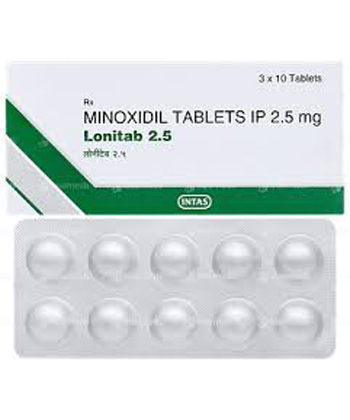
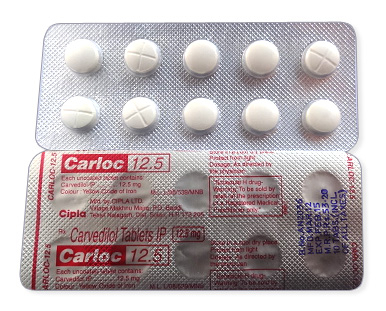
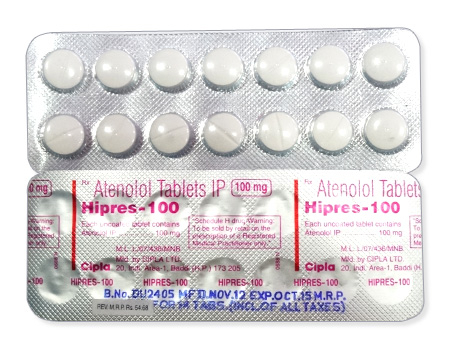
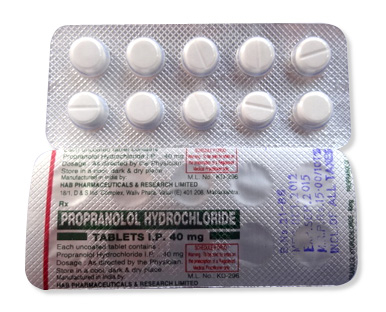
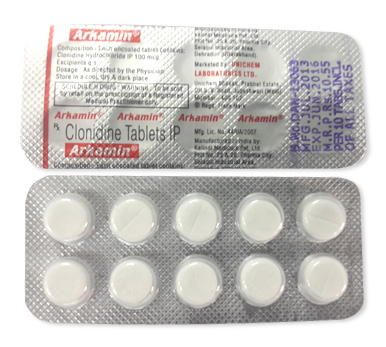
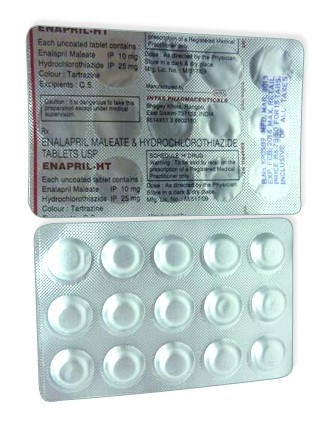
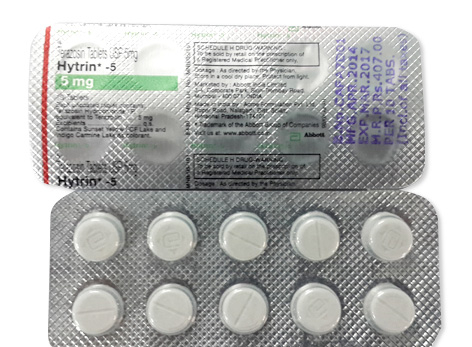
Basic Micardis Information
- INN (International Nonproprietary Name): Telmisartan (telmisartanum).
- Brand Names Available In United Kingdom: Micardis is the originator brand available in the UK in tablet form at 20 mg, 40 mg and 80 mg strengths, supplied by Boehringer Ingelheim, with various generics also widely available.
- ATC Code: C09CA07 — Classification: Angiotensin II receptor blockers (ARBs), plain.
- Forms & Dosages: Tablet, available strengths 20 mg, 40 mg and 80 mg, taken by mouth; no creams, vials or liquid formulations are commonly used.
- Manufacturers In United Kingdom: Global originator Boehringer Ingelheim and multiple generic suppliers such as Teva, Sandoz, Aurobindo, Cipla, Torrent and Macleods are represented on UK supply chains.
- Registration Status In United Kingdom: Prescription only (Rx) and approved by national regulatory authorities, including the MHRA.
- OTC / Rx Classification: Prescription Only (Rx).
Important Patient Instructions And Warnings
What should I always tell my GP or practice nurse about my medicines?
Always follow your GP or practice nurse directions when taking Micardis (telmisartan).
Micardis (telmisartan) is prescription-only in the UK and is supplied under MHRA-approved labelling.
Carry a current repeat prescription list and your medication box when away from home so clinicians can check your medicines quickly.
If you are pregnant, trying for a baby, or breastfeeding, do not take telmisartan because it is contraindicated in pregnancy and can harm the fetus.
If pregnancy occurs while taking telmisartan, stop the medicine and contact your GP immediately.
Keep tablets in their original blister packs and store at room temperature between 15°C and 30°C, away from moisture, heat and direct light.
Store all medicines out of reach of children.
If you experience facial swelling, difficulty breathing, severe dizziness, fainting, muscle pain or a marked reduction in urine output, seek urgent care or call 999.
Use NHS repeat prescriptions, pharmacy collection at Boots, LloydsPharmacy or Superdrug, or accredited NHS-approved online pharmacies to maintain supply and monitoring.
Remember that prescription charges vary across the UK; Scotland, Wales and Northern Ireland may supply prescriptions free, while England usually charges per item unless you are exempt.
Everyday Use & Best Practices
Morning Vs Evening Dosing
Which time of day is best for Micardis?
Telmisartan is taken once daily and many UK patients start on 40 mg once daily with titration to 80 mg if needed.
Choosing a consistent time each day helps adherence and reduces missed doses.
Morning dosing can suit people with a structured routine, for example taking tablets with breakfast or morning tea.
Evening dosing may reduce symptoms of dizziness on standing for some people, since peak effect may occur while resting.
If you need to switch the time you take telmisartan, speak to your GP and do not double up doses.
- Tip: Put Micardis next to your toothbrush or breakfast cereal to make it part of an established habit.
- Tip: Use an NHS repeat prescription to keep a steady supply and set reminders on your phone if you struggle to remember.
- Tip: Do not stop telmisartan abruptly without GP advice, as blood pressure may rise.
Taking With Or Without Meals (UK Diet Habits)
Do I need to avoid certain foods or meals while on telmisartan?
Telmisartan has no meaningful food interaction and may be taken with or without food, which fits typical UK breakfasts and evening meals.
You can take it with toast and tea, a continental breakfast, or after an evening dinner.
Avoid heavy alcohol intake while taking telmisartan because alcohol can increase the blood-pressure-lowering effect and cause dizziness.
| Timing | Pros | Cons |
|---|---|---|
| Morning Dosing | Fits a daily routine; easy to remember with breakfast. | May cause dizziness on standing for some people earlier in the day. |
| Evening Dosing | May reduce daytime dizziness; useful if side effects occur on dose initiation. | Less convenient for people who forget evening medicines; avoid if you nap often. |
Safety Priorities
Who Should Avoid It (MHRA Warnings)
Who must not take Micardis?
Absolute contraindications include a known allergy to telmisartan or any excipients listed in the product leaflet.
Telmisartan is contraindicated in pregnancy, particularly in the second and third trimesters, due to risk of fetal harm.
Severe hepatic impairment with cholestasis or biliary obstructive disorders is listed as a contraindication.
Avoid combining telmisartan with aliskiren in patients who have diabetes or moderate to severe renal impairment.
- Known hypersensitivity to telmisartan or excipients.
- Pregnancy or planned pregnancy until advised otherwise by your GP.
- Severe hepatic impairment (cholestatic liver disease).
- Concomitant use with aliskiren in diabetics or those with significant renal impairment.
Activities To Limit (Driving, Work Safety)
Will telmisartan affect driving or working?
Telmisartan can cause dizziness or light-headedness, especially when starting treatment or increasing dose.
Avoid driving, operating heavy machinery or doing safety-critical work until you know how the medicine affects you.
Alcohol can increase the risk of low blood pressure, so drink only in moderation while on therapy.
Ask your pharmacist for a patient leaflet and safety card at collection if you want a written summary.
- Do not drive or operate machinery until you are sure you are not dizzy on telmisartan.
- Moderate alcohol consumption recommended; avoid binge drinking.
- Seek urgent care for angioedema signs: sudden swelling of face, lips, tongue or throat.
- Report severe dizziness, fainting or marked reduction in urine output immediately.
Dosage & Adjustments
General Regimen (NHS Guidance)
What is the usual NHS dosing for Micardis?
Adults are commonly started on 40 mg once daily for hypertension and titrated to 80 mg once daily if required.
For cardiovascular risk reduction in patients aged 55 years and over, 80 mg once daily is commonly used.
Tablets are available in 20 mg, 40 mg and 80 mg strengths to allow flexible dosing.
| Purpose | Typical Starting Dose | Target / Maximum Dose |
|---|---|---|
| Hypertension (Adults) | 40 mg once daily | Up to 80 mg once daily |
| Cardiovascular Risk Reduction (≥55 years) | Often started at 80 mg once daily | 80 mg once daily |
Special Cases (Elderly, Comorbidities)
Are dose changes needed for older people or those with health problems?
Children are not routinely recommended to use telmisartan because safety and efficacy are not established.
Elderly patients usually do not require an initial dose change but should have renal function monitored as they may be more sensitive to hypotension.
In mild to moderate hepatic impairment start at a lower dose and monitor closely; severe hepatic impairment is contraindicated or not recommended.
Renal impairment requires close monitoring of renal function and electrolytes, and telmisartan should be avoided in severe renal dysfunction or in dual RAAS blockade.
- Children: Not routinely used; safety not established.
- Elderly: Monitor renal function and electrolytes; observe for hypotension.
- Mild/Moderate Liver Impairment: Start lower and monitor.
- Severe Liver Impairment: Avoid telmisartan.
- Renal Impairment: Monitor creatinine and potassium; avoid dual RAAS blockade.
User Testimonials
Positive Reports From UK Patients
Do people find Micardis helpful in the real world?
Many UK patients report good blood pressure control with telmisartan and appreciate the once-daily dosing.
Patients commonly note fewer cough problems compared with previous ACE inhibitor treatment.
Pharmacy counselling at Boots or LloydsPharmacy is often praised for explaining what to expect and how to manage side effects.
- "After switching from an ACE inhibitor I no longer had a constant cough and my BP is steady." — Anonymous UK patient.
- "One tablet a day fits my routine and pharmacy staff helped me set up repeats." — Anonymous UK patient.
Common Challenges (Patient.info, NHS Forums)
What problems do people commonly see online?
Early dizziness, light-headedness and occasional diarrhoea are the most reported side effects.
Some patients adjust the timing of their dose to reduce dizziness, for example taking it at night.
Access and cost are a concern for some; prescription charges apply in England, while Scotland, Wales and Northern Ireland often supply prescriptions free.
- Top issues: dizziness at start, remembering daily dose, mild gastrointestinal upset.
- Questions to raise with your GP or pharmacist: required blood tests, pregnancy advice, and alternative options if side effects persist.
Buying Guide
Pharmacy Sources (Boots, LloydsPharmacy, Superdrug)
Where can I get Micardis in the UK?
Micardis and generic telmisartan are prescription-only and are dispensed via NHS repeat prescriptions or community pharmacies such as Boots, LloydsPharmacy and Superdrug.
Registered online pharmacies approved by the MHRA or NHS can also supply telmisartan after a valid prescription or clinical review.
Generics from suppliers such as Teva, Sandoz and Cipla are widely available and often cheaper than the originator brand.
In our online pharmacy, micardis is available without a prescription, with discreet delivery to United Kingdom in 5-14 days.
Price Comparison (NHS Prescription Charge Vs Private)
How much will Micardis cost me?
In England most people pay the standard NHS prescription charge per item unless exempt, while Scotland, Wales and Northern Ireland often have free prescriptions.
Private prescriptions and clinic supplies will have higher costs, but generics are usually substantially cheaper than brand Micardis.
- Use NHS repeat prescribing if eligible to save cost and ensure monitoring.
- When buying online, check the pharmacy is MHRA-registered and UK-based.
- Avoid overseas unlicensed sellers; ask your pharmacist for safer alternatives if cost is a concern.
| Source | How To Order | Notes |
|---|---|---|
| Boots | Collect with GP prescription or repeat dispensing. | In-store counselling available. |
| LloydsPharmacy | Collect with prescription; online repeat services available. | Pharmacy clinics and BP checks may be offered. |
| Superdrug | Prescription collection and private clinics in some branches. | Check local branch services. |
| Accredited Online Pharmacies | Order after online clinical review or with prescription. | Confirm MHRA registration and UK delivery terms. |
What’s Inside & How It Works
Ingredients Overview
What is Micardis made from?
The active ingredient is telmisartan (the INN) and tablets are available as 20 mg, 40 mg and 80 mg strengths.
Excipients differ by manufacturer, so request the product leaflet from your pharmacist if you have known excipient allergies.
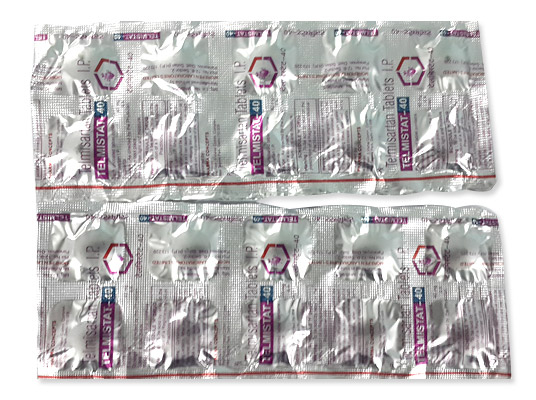
Micardis tablets are solid oral tablets supplied in blister packs of various sizes depending on manufacturer and national packaging rules.
Mechanism Basics Explained Simply
How does telmisartan lower blood pressure?
Telmisartan is an angiotensin II receptor blocker that selectively blocks angiotensin II at its receptor site, leading to dilation of blood vessels.
This effect reduces systemic vascular resistance, lowers blood pressure and eases cardiac workload, which in turn lowers the risk of stroke and heart attack in appropriate patients.
Compared with ACE inhibitors, ARBs like telmisartan are less likely to cause a persistent cough.
- Angiotensin II normally narrows blood vessels and raises blood pressure.
- Telmisartan blocks angiotensin II receptors, preventing this narrowing.
- Blood vessels relax, blood pressure falls and heart strain is reduced.
Main Indications
Approved Uses (MHRA Listing)
What is Micardis licensed to treat?
Telmisartan is licensed for the treatment of hypertension in adults and for reducing cardiovascular risk in patients aged 55 years or older at high risk of CV events.
Micardis is commonly prescribed when ACE inhibitors are not tolerated.
| Indication | Typical Starting Dose | Target Dose |
|---|---|---|
| Hypertension | 40 mg once daily | Up to 80 mg once daily |
| Cardiovascular Risk Reduction (≥55 years) | Often 80 mg once daily | 80 mg once daily |
Off-Label Uses In UK Clinics
How is telmisartan used beyond the licence in practice?
Telmisartan is often used in combination therapy, frequently co‑formulated with hydrochlorothiazide in single‑pill combinations for resistant hypertension.
Clinicians may substitute telmisartan when patients develop an ACE inhibitor cough or intolerance.
It is not suitable as sole therapy for acute heart failure and should not be used in that context without specialist input.
- Common combination: telmisartan plus hydrochlorothiazide in single‑pill products.
- Ask your GP: "Why this drug for me?" and "What monitoring is needed?"
Interaction Warnings
Food Interactions (Alcohol, Tea/Coffee)
Are there foods or drinks to avoid on telmisartan?
Telmisartan has no major food interactions and may be taken with tea, coffee or meals.
Alcohol can amplify the blood‑pressure‑lowering effect and increase dizziness, so moderate intake is advised.
Caffeinated drinks can transiently raise blood pressure but do not cause a direct drug interaction with telmisartan.
- Do: take with or without food, as convenient.
- Don’t binge drink; keep alcohol moderate.
- Continue usual dietary habits unless otherwise advised by your GP.
Drug Conflicts (MHRA Yellow Card Reports)
Which medicines should I tell my pharmacist about?
Avoid combining telmisartan with aliskiren in patients with diabetes or moderate to severe renal impairment due to an increased risk of adverse renal outcomes.
Be cautious with potassium-sparing diuretics, potassium supplements or potassium-containing salt substitutes because of the risk of hyperkalaemia.
NSAIDs can reduce antihypertensive efficacy and increase the risk of renal impairment when taken with telmisartan.
If you suspect an adverse reaction, report it via the MHRA Yellow Card scheme and ask your pharmacist for help with reporting.
| Drug Class | Risk | Patient Action |
|---|---|---|
| Aliskiren | Increased renal risk in diabetics and renal impairment | Avoid combination; consult GP. |
| Potassium-Sparing Diuretics / Supplements | Hyperkalaemia risk | Monitor potassium; seek advice before starting. |
| NSAIDs | Reduced BP control and potential renal harm | Use the lowest effective dose and monitor renal function. |
Latest Evidence & Insights
Key UK & EU Studies 2022–2025
What do recent studies show about ARBs and telmisartan?
Recent UK and EU analyses from 2022–2025 continue to support ARBs, including telmisartan, for effective blood pressure control and cardiovascular risk reduction in suitable adults.
Meta-analyses indicate telmisartan has similar efficacy to other ARBs and a lower incidence of cough compared with ACE inhibitors.
Single‑pill combinations containing telmisartan and hydrochlorothiazide show improved adherence and better blood pressure control versus separate tablets in trial settings.
- ARB class data support use where ACE inhibitors are not tolerated.
- Combination therapy improves adherence in many patients.
- Check NICE guidance and MHRA updates for detailed recommendations.
Practical Takeaways For Patients
How should this evidence change my care?
Micardis remains a valid first‑ or second‑line option depending on individual clinical history and tolerability.
Expect baseline blood tests for kidney function and potassium, then a repeat check within 1–2 weeks after starting or changing dose, with periodic monitoring thereafter.
Ask your GP how recent evidence affects your personal treatment and request pharmacist summaries if you prefer lay explanations.
- Monitoring intervals: baseline, 1–2 weeks after start or dose change, then periodically.
- Discuss combination therapy options if mono therapy does not reach targets.
Alternative Choices
NHS Prescribing Alternatives
What else might my GP prescribe instead of Micardis?
Other ARBs commonly used on the NHS include losartan, valsartan, irbesartan and olmesartan.
ACE inhibitors such as lisinopril are also used as first-line agents unless the patient is intolerant.
Choice of agent depends on comorbidities, monitoring requirements and local formulary decisions.
| Drug | Class | Typical Strengths |
|---|---|---|
| Losartan (Cozaar) | ARB | 50 mg, 100 mg |
| Valsartan (Diovan) | ARB | 80 mg, 160 mg |
| Lisinopril | ACE inhibitor | Various |
Pros/Cons Checklist
How does Micardis compare at a glance?
- Pros: once‑daily dosing, low cough risk versus ACE inhibitors, available in multiple strengths and widely available generics.
- Cons: contraindicated in pregnancy, risk of hyperkalaemia and need for kidney monitoring; not for acute BP crises.
- ACE inhibitors: often cheaper but higher cough and angioedema risk for some patients.
- Other ARBs: similar cardiovascular profile with minor formulary differences.
Regulation Snapshot
MHRA Approval & Labelling
Is Micardis regulated in the UK?
Telmisartan (Micardis) is MHRA-approved and is prescription-only in the UK.
Product labelling details contraindications such as pregnancy and severe hepatic impairment, dosing strengths of 20 mg, 40 mg and 80 mg, and requirements for periodic safety monitoring.
Pharmacovigilance, including Yellow Card reporting, is overseen by the MHRA.
NHS Prescribing Framework
How is telmisartan used within the NHS?
Telmisartan features in NHS formularies for hypertension and cardiovascular risk reduction and is prescribed according to NICE guidance, particularly when ACE inhibitors are unsuitable.
Repeat prescriptions are usually managed via GP practice systems, and patients in England generally pay prescription charges unless exempt.
- Prescription pathway: GP review → repeat prescribing → pharmacy dispensing.
- Monitoring schedule: baseline blood tests and follow-up testing after initiation or dose changes.
- Request a medication review if you have concerns about side effects or interactions.
FAQ
Common UK Patient Questions
Can I stop Micardis suddenly?
No, you should consult your GP before stopping telmisartan because sudden cessation can lead to a rise in blood pressure.
Is it safe in pregnancy?
No, telmisartan is contraindicated in pregnancy and you should stop it and contact your GP immediately if you become pregnant.
Will it cause a cough?
Telmisartan is less likely to cause a cough than ACE inhibitors, though other side effects such as dizziness, nasal congestion and back pain can occur.
How often are blood tests needed?
Baseline renal function and potassium tests are advised, then typically a repeat at 1–2 weeks after initiation or dose change, and periodic monitoring thereafter as advised by your GP.
When To Contact NHS 111 / GP / Pharmacy
When should I seek urgent help?
Contact NHS 111 or your GP out of hours for severe dizziness, fainting, reduced urine output or swelling of the face, lips or tongue.
Attend A&E or call 999 for chest pain, difficulty breathing or severe muscle pain that could suggest a serious reaction.
Consult your pharmacist for minor side effects, adherence support or if you need advice on missed doses.
Guidelines For Proper Use
UK Pharmacist Counselling Style
What will the pharmacist tell me when I collect Micardis?
Pharmacists will confirm your indication, dose and how to take telmisartan, and will discuss common side effects and the need for blood tests.
They will check for drug interactions and advise on missed doses: take as soon as you remember unless it is almost time for the next dose, and do not double up.
Pharmacists can supply a patient information leaflet and can help you set up repeat dispensing or remind you when blood tests are due.
- Collect counselling checklist: dose, storage, monitoring, pregnancy advice, missed-dose instructions.
- Ask for an emergency card if you have a history of angioedema or complex medication regimens.
NHS Patient Support Advice
How can the NHS help me stay on track?
Book regular medication reviews via your GP practice or a pharmacy clinic to check blood pressure targets and side effects.
Use NHS Choices resources and local pharmacy blood pressure services for monitoring between GP appointments.
If you are on multiple antihypertensives ask for a written BP action plan that includes your treatment targets and monitoring intervals.
- Follow-up steps: baseline blood tests, BP checks at recommended intervals, pregnancy planning advice if relevant.
- Request a medication review if symptoms develop or if you start new medicines.
Delivery Across United Kingdom
| City | Region | Delivery Time |
|---|---|---|
| London | Greater London | 5-7 days |
| Birmingham | West Midlands | 5-7 days |
| Manchester | Greater Manchester | 5-7 days |
| Glasgow | Scotland | 5-7 days |
| Edinburgh | Scotland | 5-7 days |
| Leeds | West Yorkshire | 5-7 days |
| Liverpool | Merseyside | 5-7 days |
| Bristol | South West England | 5-7 days |
| Cardiff | Wales | 5-7 days |
| Belfast | Northern Ireland | 5-7 days |
| Sheffield | South Yorkshire | 5-9 days |
| Newcastle Upon Tyne | North East England | 5-9 days |
| Southampton | South East England | 5-9 days |
| Plymouth | South West England | 5-9 days |
| Norwich | East of England | 5-9 days |