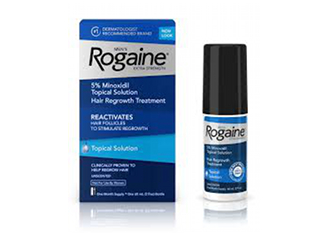
Minoxidil
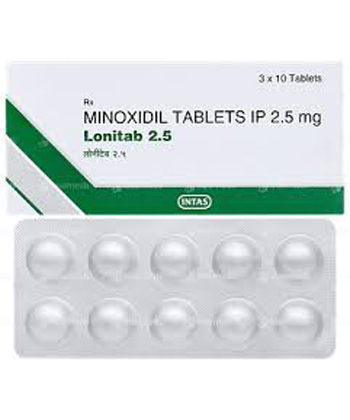
Minoxidil
- Minoxidil can be purchased in pharmacies, online shops, and hair clinics, and topical forms are often available without a prescription in many countries, including the UK and much of Europe. Oral minoxidil is prescription only.
- Minoxidil is used for androgenetic alopecia and other forms of hair thinning, and oral minoxidil is also used for severe hypertension. It works as a vasodilator and is believed to prolong the hair growth phase and increase blood flow to hair follicles, helping to stimulate regrowth.
- The usual dose for hair loss is topical 2% or 5% solution or foam, typically 1 ml applied twice daily for men and 1–2 times daily for women. Oral doses for hypertension are usually 2.5–10 mg daily only under medical supervision.
- The form of administration is topical solution, foam, lotion or gel for hair loss, and tablets for oral use.
- Minoxidil does not work immediately; initial results are usually seen after 2–4 months of regular use.
- The effect lasts only while it is used continuously. For hair loss, treatment is usually ongoing, with the best effect often seen by around 12 months.
- There is no specific alcohol interaction for topical minoxidil, but alcohol should be avoided or limited with oral minoxidil because it may worsen dizziness and low blood pressure.
- The most common side effects are scalp irritation, itching, dryness or flaking, and an initial increase in hair shedding. Less commonly, it may cause unwanted body hair growth, headache, dizziness, or a faster heartbeat.
- Would you like to try minoxidil without a prescription?
Minoxidil
Basic Minoxidil Information
- INN (International Nonproprietary Name): Minoxidil
- Brand names available in United Kingdom: Dermapharm Minoxidil
- ATC Code: D11AX01
- Forms & dosages: Topical solution/foam, oral tablets, topical gel/lotion
- Manufacturers in United Kingdom: Dermapharm
- Registration status in United Kingdom: Widely registered as a topical solution or foam for hair loss; oral minoxidil is prescription-only
- OTC / Rx classification: Topical minoxidil is pharmacy or OTC depending on product; oral minoxidil is Rx only
Wondering how minoxidil fits into a normal day, or whether it is the right hair loss treatment for you?
This guide covers practical use, safety, dosing, buying advice, and what UK patients usually want to know before starting Regaine or another topical minoxidil product.
Everyday Use And Best Practices For UK Patients
Morning Vs Evening Dosing
Topical minoxidil is usually applied at the same time each day, so it becomes part of an ordinary routine rather than a chore.
Many people use minoxidil foam after a morning shower, then allow the scalp to dry before hair styling and commuting, while others prefer bedtime use so it can dry fully before a school run or an early shift.
The key point is simple: use foam or solution on a dry scalp, leave it to dry, and keep the timing consistent.
If the bottle lives beside the toothbrush or the bedside lamp, it is easier to remember after work, before a gym session, or once the children are settled.
Using topical minoxidil on a damp scalp can make application messy, so it is better to wait until the scalp is dry.
- Choose one regular time each day.
- Apply to a dry scalp.
- Let it dry before hats, styling, or bed.
- Keep the routine linked to something you already do.
Taking With Or Without Meals (UK Diet Habits)
Topical minoxidil is not taken with food, so breakfast, tea, coffee, lunch, or a late Sunday roast do not change how it is used.
Oral minoxidil is a prescription-only medicine and should be taken exactly as the prescriber instructs.
For most people using Regaine or another topical hair regrowth spray, normal UK meal patterns are irrelevant to the application itself.
That makes it easier to fit into everyday life, whether the routine happens before work, after the evening news, or while getting ready for bed.
Safety Priorities Before Starting Minoxidil
Who Should Avoid It (MHRA Warnings)
Before starting minoxidil, it is sensible to check for clear cautions and contraindications.
The MHRA advice used in UK pharmacy practice is straightforward: do not use it if there is a known allergy to minoxidil or any excipient.
For topical use, severe scalp eczema or psoriasis is a reason to avoid starting without medical advice.
For oral minoxidil, severe heart disease and pheochromocytoma are important red flags.
Pregnancy and breastfeeding are situations where medical advice should be sought first, because safety is not established for routine self-treatment.
- Allergy to minoxidil or excipients.
- Severe scalp eczema or psoriasis with topical use.
- Severe heart disease with oral use.
- Pheochromocytoma.
- Pregnancy or breastfeeding.
Activities To Limit (Driving, Work Safety)
If dizziness, faintness, or a fast heartbeat happens, driving or operating machinery should be avoided until symptoms have settled.
This matters most with oral minoxidil, but a sensitive reaction can happen with topical products too.
Anyone with swelling, chest symptoms, marked palpitations, or feeling unwell should stop and seek advice promptly.
That advice applies whether the product is a hair regrowth spray, solution, or foam.
- Do not drive if dizzy or faint.
- Do not use machinery if palpitations are troubling you.
- Stop and seek advice if swelling appears.
- Stop and seek advice for chest pain or chest tightness.
Dosage And Adjustments
General Regimen (NHS Guidance)
The common topical regimen is based on the product strength and the person using it.
Men often use 5% solution or foam, 1 mL twice daily.
Women often use 2% and sometimes 5%, once or twice daily depending on the product and the advice given.
Continuous use is needed, because hair growth benefits are usually maintained only while treatment continues.
Initial results are often seen after 2 to 4 months, and maximum effect may take up to 12 months.
| Use | Typical Form | Frequency | Notes |
|---|---|---|---|
| Minoxidil for men | 5% solution or foam | Twice daily | Apply to the scalp, not the hair |
| Minoxidil for women | 2% or sometimes 5% solution/foam | Once or twice daily | Follow the product leaflet and advice |
| Oral minoxidil | Tablets | As prescribed | Used for hypertension; hair loss use is off-label |
Special Cases (Elderly, Comorbidities)
Children under 18 are not usually recommended for hair loss treatment with minoxidil.
Older adults, and anyone with kidney, liver, or cardiovascular problems, should seek professional advice first.
With oral minoxidil, blood pressure and renal function monitoring may be needed.
That is especially important if there is a history of angina, arrhythmia, or low blood pressure.
What UK Patients Commonly Report
Positive Reports From UK Patients
People often say the first thing they notice is less shedding in the shower or on the pillow.
Others mention better coverage at the crown and a bit more confidence when styling hair.
Access also matters, because products are easy to find through pharmacies such as Boots, LloydsPharmacy, and Superdrug.
- Less hair shedding.
- Improved coverage at the crown.
- Convenient pharmacy access.
Common Challenges (Patient.info, NHS Forums)
The most common complaints are initial shedding, scalp dryness, itch, and disappointment if treatment is stopped too early.
Response varies from person to person, so practical expectations are important from the outset.
Hair loss treatment works best when people stick with it long enough to judge the result properly.
Buying Minoxidil In The UK
Pharmacy Sources (Boots, LloydsPharmacy, Superdrug)
Topical minoxidil is widely available in UK pharmacies and online pharmacies, including Regaine-style products and Dermapharm Minoxidil 5% in the UK.
It is worth checking that the pharmacy is registered and that the leaflet matches the pack, especially if ordering online.
That matters because branded outer packaging, sealed bottles, and leaflets should all align with the product supplied.
Our online pharmacy offers minoxidil without a prescription, with discreet delivery to the United Kingdom in 5-14 days.
For peace of mind, the pack should always come with clear directions and safety information.
Price Comparison (NHS Prescription Charge Vs Private)
In England, the practical cost may include an NHS prescription charge if a GP prescription is issued.
Scotland, Wales, and Northern Ireland have free prescriptions under NHS rules.
Topical minoxidil is often bought over the counter, while oral minoxidil is prescription-only and mainly used for hypertension.
| Buying Route | Who Can Use It | Typical Cost Context | Notes |
|---|---|---|---|
| OTC topical minoxidil | Most adults with pattern hair loss | Private purchase | Common in pharmacies and online |
| NHS prescription | When prescribed by a clinician | England may involve a charge | Free prescriptions in Scotland, Wales, and Northern Ireland |
| Oral minoxidil | Prescription use | Prescription-led | Mainly for hypertension |
What Minoxidil Is And How It Works
Ingredients Overview
The INN is minoxidil, and the ATC code is D11AX01.
Common forms include topical solution, foam, gel, lotion, and oral tablets.
Typical packs include 60 mL bottles and 60 g foam cans, which are easy to store at home and use as part of a regular hair loss treatment plan.
- Topical solution or foam.
- Topical gel or lotion.
- Oral tablets.
- Common pack sizes include 60 mL and 60 g.
Mechanism Basics Explained Simply
Minoxidil helps stimulate hair follicles and supports regrowth in androgenetic alopecia.
In plain terms, it aims to keep follicles active for longer, which is why gradual improvement is seen rather than instant change.
That is why ongoing use matters, and why minoxidil foam or solution is usually treated as a maintenance therapy rather than a quick fix.
Main Indications And When It Is Used
Approved Uses (MHRA Listing)
Topical minoxidil is widely registered for androgenetic alopecia in most countries, including the UK context.
It is one of the first-line options for pattern hair loss in men and women.
People may know it as Regaine, Rogaine, or simply minoxidil topical.
Off-Label Uses In UK Clinics
Oral minoxidil is approved for severe hypertension and is sometimes used off-label for hair loss.
That is not the standard licensed hair-loss indication, so off-label use should be clinician-led.
| Use | Licensed? | Usual Route | Clinical Note |
|---|---|---|---|
| Androgenetic alopecia | Yes | Topical | First-line option |
| Severe hypertension | Yes | Oral | Requires prescription and monitoring |
| Hair loss with oral tablets | No, usually off-label | Oral | Clinician-led only |
Interaction Warnings And Practical Precautions
Food Interactions (Alcohol, Tea/Coffee)
Topical minoxidil has no meaningful food interactions.
For oral minoxidil, prescriber guidance should be followed, and alcohol may worsen dizziness in people who are already prone to low blood pressure.
Tea and coffee do not change topical use, although they may matter if someone is already noticing a fast heartbeat.
Drug Conflicts (MHRA Yellow Card Reports)
Anyone using blood pressure medicines, heart medicines, or anything that may cause fluid retention should discuss this before starting.
If palpitations, swelling, or faintness happen, suspected side effects can be reported through the UK Yellow Card scheme.
- Check other blood pressure medicines.
- Check heart medicines and fluid-retaining medicines.
- Report suspected side effects through Yellow Card.
- Seek advice if palpitations or swelling appear.
Latest Evidence And What It Means For UK Patients
Key UK And EU Studies 2022–2025
Minoxidil remains one of the most established treatments for androgenetic alopecia, with a large evidence base and ongoing generic use worldwide.
Newer studies continue to support topical use, while oral use for hair loss is growing but not universally licensed.
| Evidence Point | What It Suggests |
|---|---|
| Large evidence base | Minoxidil remains a standard option |
| Ongoing generic production | Access is broad and brands vary |
| Growing oral interest | Clinician-led use is increasing, but licensing differs |
What The Evidence Changes In Day-To-Day Care
The main takeaway is practical: consistency matters, side effects need monitoring, and regrowth is gradual.
Pharmacy counselling and regular review still matter, because people should not expect instant results.
Alternatives To Minoxidil
NHS Prescribing Alternatives With Pros/Cons Checklist
When minoxidil is not suitable, other medicines may be considered depending on sex, cause of hair loss, and medical history.
Finasteride, Propecia, dutasteride, alfatradiol, and spironolactone are all discussed in UK practice, with the choice guided by benefit, tolerance, and safety.
| Alternative | Pros | Cons |
|---|---|---|
| Finasteride / Propecia | Prescription option for male pattern hair loss | Not suitable for everyone and not a topical substitute |
| Dutasteride | Another prescription-led option | Needs clinician supervision |
| Alfatradiol | Topical alternative in some settings | Not always first choice |
| Spironolactone | Used in women for female pattern hair loss | Off-label and not suitable in pregnancy |
When An Alternative May Be Better
An alternative may suit someone who cannot tolerate topical irritation, does not respond to minoxidil, or needs clinician-supervised treatment for hormone-related hair loss.
Oral options are prescription-led and are not always suitable in pregnancy or with cardiovascular risk.
Regulation Snapshot For The UK
MHRA Approval And NHS Prescribing Framework
Topical minoxidil is widely used and recognised in the UK, with pharmacy and OTC availability depending on product and setting.
Oral minoxidil remains prescription-only and is mainly for hypertension.
What This Means For Patients
The practical UK route is usually simple: speak to a pharmacist first for OTC topical products, or a GP if there are heart issues, pregnancy, breastfeeding, or concern about the cause of hair loss.
Pharmacists are often the first port of call in the UK, and that makes it easier to start safely and choose the right product.
A quick conversation can also help separate androgenetic alopecia from another condition that needs different treatment.
- Pharmacist first for OTC topical products.
- GP review if there are heart issues.
- GP review in pregnancy or breastfeeding.
- Ask about the cause of hair loss if unsure.
Frequently Asked Questions About Minoxidil
Does Minoxidil Work For Everyone?
It helps many people with androgenetic alopecia, but not all, and consistency is key.
How Long Before I See Results?
Initial results are often seen in 2 to 4 months, with maximum effect around 12 months.
What Happens If I Stop?
Ongoing use is usually needed to maintain benefits.
Is Foam Better Than Solution?
Both are used, and the choice often depends on scalp tolerance and convenience.
- Works for many, not everyone.
- Results usually start in 2 to 4 months.
- Maximum effect may take 12 months.
- Stopping usually means losing the maintained benefit.
Practical Use Guide From A UK Pharmacist’s Perspective
UK Pharmacist Counselling Style
Apply minoxidil to a dry scalp, wash hands after use, and let it dry before bed or styling.
Do not double up after a missed dose.
The topical solution is flammable, so store it at room temperature, away from heat and moisture, with the bottle tightly closed.
A simple home checklist helps many people stay on track.
- Apply to a dry scalp.
- Wash hands after use.
- Let it dry before bed or styling.
- Do not double the next dose after a missed one.
- Store at room temperature, away from heat and moisture.
NHS Patient Support Advice
Seek help if chest pain, fainting, swelling, severe irritation, or symptoms of allergy appear.
Anyone unsure whether the hair loss is androgenetic alopecia or another condition should ask a GP or pharmacist before starting.
That is especially important if there is a sudden change in hair loss, scalp inflammation, or a medical condition that may need different care.
Delivery Across United Kingdom
| City | Region | Delivery time |
|---|---|---|
| London | England | 5-7 days |
| Birmingham | England | 5-7 days |
| Manchester | England | 5-7 days |
| Glasgow | Scotland | 5-7 days |
| Edinburgh | Scotland | 5-7 days |
| Liverpool | England | 5-7 days |
| Leeds | England | 5-7 days |
| Sheffield | England | 5-9 days |
| Bristol | England | 5-7 days |
| Cardiff | Wales | 5-7 days |
| Belfast | Northern Ireland | 5-7 days |
| Nottingham | England | 5-9 days |
| Newcastle upon Tyne | England | 5-7 days |
| Leicester | England | 5-9 days |