Basic Calan Sr Information
- INN (International Nonproprietary Name): Verapamil
- Brand Names Available In United Kingdom: Not specified
- ATC Code: C08DA01
- Forms & Dosages: Immediate‑release tablets 40 mg, 80 mg, 120 mg; Extended‑release tablets/capsules 120 mg, 180 mg, 240 mg
- Manufacturers In United Kingdom: Not specified
- Registration Status In United Kingdom: Not specified
- OTC / Rx Classification: Prescription‑only (Rx)
Everyday Use & Best Practices
Morning Vs Evening Dosing
Are you unsure whether to take verapamil in the morning or evening?
Most people on verapamil SR take the extended‑release tablet once daily.
Immediate‑release forms are often given two to three times daily.
For hypertension, usual adult oral totals are 180–240 mg per day, either divided or as an ER once‑daily dose.
For angina, immediate‑release dosing commonly runs 80–120 mg three times daily.
Practical tip: pick a consistent time that fits your routine to avoid missed doses.
A morning dose with breakfast (tea and toast or porridge) works well for many patients.
Some people prefer an evening dose to reduce daytime tiredness.
Do not crush or chew ER tablets; altered release may cause side effects.
If you use verapamil SR or Calan SR dosing, match the tablet strength to your prescriber's instructions.
Keep a simple chart or phone reminder so you do not miss doses.
Taking With Or Without Meals
Worried that your full English breakfast will affect how verapamil works?
Verapamil can be taken with or without food.
Typical British breakfasts such as tea, toast and porridge are fine with verapamil.
Heavy fatty meals may slow absorption slightly for immediate‑release forms, but this is not usually clinically important for extended‑release tablets.
Extended‑release verapamil is designed for steady absorption over the day.
Do not crush or chew SR or prolonged‑release tablets.
Daily routine checklist:
- Dose Time: Same time every day (morning with breakfast or evening).
- Pill Storage: Store at room temperature away from moisture and heat.
- Missed Dose Action: Take as soon as remembered unless near the next dose; do not double up.
Safety Priorities
Who Should Avoid It (MHRA Warnings)
Are there people who must not take verapamil?
Absolute contraindications include severe hypotension with systolic blood pressure under 90 mmHg.
Do not use verapamil in second‑ or third‑degree atrioventricular block unless a pacemaker is in place.
Sick sinus syndrome is a contraindication unless the patient has a pacemaker.
Known hypersensitivity to verapamil or any excipient rules out use.
Severe heart failure is listed as an absolute contraindication.
Pregnancy and breastfeeding: verapamil is generally avoided unless essential.
Check MHRA guidance and the SPC before prescribing or dispensing.
Activities To Limit (Driving, Work Safety)
Could verapamil affect your ability to drive or use machinery?
Verapamil can cause dizziness and fatigue.
If you feel light‑headed or experience a slowed heart rate, avoid driving or operating machinery until you know how it affects you.
Immediate safety checklist:
- Stop Driving If Symptomatic: Do not drive if dizzy, faint or suddenly very tired.
- Seek Advice: Contact your GP or pharmacist about persistent symptoms.
- Emergency Signs: Fainting, chest pain, severe breathlessness or collapse require emergency care.
Dosage & Adjustments
General Regimen (NHS Guidance)
Do you need a clear summary of typical doses?
For hypertension, typical adult dosing is 180–240 mg per day, either divided into doses or as an ER tablet once daily.
For angina, immediate‑release verapamil is commonly 80–120 mg three times daily.
For some arrhythmias, regimens commonly total 240–320 mg per day divided across doses.
Verapamil is prescription‑only and patients must follow the prescriber and the SPC for exact dosing.
Always check the formulation — immediate‑release and extended‑release doses are not interchangeable.
Special Cases (Elderly, Comorbidities)
Are dose changes needed for older patients or those with liver problems?
Elderly patients should start at lower doses and titrate cautiously.
Sensitivity to hypotension and bradycardia increases with age.
Liver impairment requires dose reduction and closer monitoring because verapamil is cleared hepatically.
Renal impairment has less direct effect on verapamil levels, but blood pressure and heart rate should be monitored.
Combining verapamil with beta‑blockers raises the risk of heart block; review both drugs carefully.
Typical dosing and monitoring summary:
| Situation |
Typical Start Dose |
Monitoring |
| Hypertension |
180–240 mg/day (ER once daily or divided) |
BP and pulse, week 1 and after titration |
| Angina |
80–120 mg tds (immediate) |
Symptom control, BP, HR |
| Elderly / Liver Impairment |
Lower start; individualise |
BP, HR, liver function tests |
User Testimonials
Positive Reports From UK Patients
Are people in the UK finding verapamil SR helpful?
Many posts on UK forums such as Patient.info and NHS discussion boards note improved blood‑pressure control after switching to an extended‑release formulation.
Patients often praise once‑daily ER tablets for convenience and steadier symptom control.
Users report fewer angina episodes and easier adherence with once‑daily dosing.
Several comments single out the steadier heart‑rate control compared with immediate‑release tablets.
Common Challenges (Patient.info, NHS Forums)
What problems do patients commonly mention?
Constipation is the most frequently reported side effect.
Others describe ankle swelling and daytime tiredness.
Some patients find they need laxatives or more dietary fibre to manage constipation.
Switching brands or from immediate to extended‑release can cause transient symptom changes.
Common patient tips:
- Increase dietary fibre and water intake.
- Check blood pressure regularly at home.
- Keep a symptom diary for dose changes or brand switches.
| Side Effect |
Frequency |
Self‑Care Measure |
| Constipation |
Most common |
Dietary fibre, bulk laxative if needed |
| Ankle Swelling |
Occasional |
Elevate legs, monitor weight |
| Fatigue/Dizziness |
Occasional |
Adjust timing, check BP/HR |
Buying Guide
Pharmacy Sources (Boots, LloydsPharmacy, Superdrug)
Where can UK patients get verapamil?
In the United Kingdom verapamil is prescription‑only.
Common European brands include Isoptin and Isoptin SR; Calan SR is a US brand.
Large chains such as Boots, LloydsPharmacy and Superdrug and reputable online pharmacies dispense on NHS or private prescription.
Check with the pharmacy or the product SPC for which brands or generics are available locally.
In our online pharmacy, calan sr is available without a prescription, with discreet delivery to United Kingdom in 5-14 days.
Price Comparison (NHS Prescription Charge Vs Private)
How do costs compare between NHS prescriptions and private purchase?
Prescription systems differ across the UK.
In England there is a per‑item NHS prescription charge; Scotland, Wales and Northern Ireland generally have free prescriptions for most patients.
Private purchase adds consultation or dispensing fees and branded products cost more than generics.
Simple cost comparison table:
| Route |
Typical Cost |
Notes |
| NHS Prescription (England) |
Per‑item fee (check NHS) |
Lower cost for generic supplies |
| Scotland/Wales/Northern Ireland |
Usually free |
Check local exemptions |
| Private Prescription / Online |
Varies |
Consultation + brand/generic price |
Buying safely online checklist:
- Use a GPhC‑registered pharmacy.
- Ensure a valid prescription is provided.
- Use secure payment methods and check contact details.
What’s Inside & How It Works
Ingredients Overview
Want to know what you are swallowing?
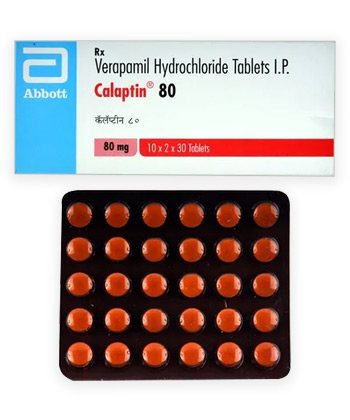
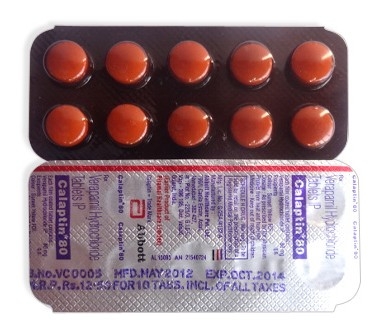
The active ingredient is verapamil, often supplied as verapamil hydrochloride.
Immediate‑release tablets commonly come in 40 mg, 80 mg and 120 mg strengths.
Extended‑release tablets and capsules commonly come in 120 mg, 180 mg and 240 mg strengths.
Excipients vary by brand; if you have allergies check the SPC for excipient lists.
Mechanism Basics Explained Simply
How does verapamil relieve chest pain and lower blood pressure?
Verapamil is a phenylalkylamine calcium‑channel blocker (ATC C08DA01).
It reduces calcium entry into heart and blood‑vessel muscle cells.
That lowers heart rate, reduces cardiac workload and dilates arteries.
These effects help angina, lower blood pressure and control certain supraventricular arrhythmias.
What it does, simply:
- Slows heart rate.
- Relaxes and widens arteries.
- Reduces chest pain and blood pressure.
Main Indications
Approved Uses (MHRA Listing)
What conditions is verapamil licensed to treat?
Verapamil is approved for hypertension, stable or chronic angina, and certain supraventricular arrhythmias such as SVT.
Dose examples are: hypertension 180–240 mg/day; angina immediate‑release 80–120 mg three times daily; arrhythmias up to 240–320 mg/day.
Always follow the prescriber and the SPC for indication‑specific dosing.
Off‑Label Uses In UK Clinics
Might verapamil be used for anything beyond the licence?
Off‑label use is uncommon and usually reserved for specialist care.
Examples may include specific arrhythmia subtypes or rare scenarios where other drugs are unsuitable.
Any off‑label prescribing should be documented and discussed with informed consent.
Indication, dose range and prescriber level summary:
| Indication |
Typical Dose Range |
Prescriber |
| Hypertension |
180–240 mg/day |
GP |
| Angina |
80–120 mg tds (immediate) |
GP/Cardiologist |
| SVT / Rate Control |
240–320 mg/day |
Cardiologist |
Interaction Warnings
Food Interactions (Alcohol, Tea/Coffee)
Can my evening glass of wine or morning tea cause trouble?
Alcohol can exacerbate dizziness and low blood pressure with verapamil, so avoid excessive drinking.
Normal tea and coffee intake is acceptable, but large caffeine spikes may affect heart rate and blood pressure.
Calcium supplements may reduce verapamil’s effect; discuss timing with your pharmacist.
Drug Conflicts (MHRA Yellow Card Reports)
Which medicines must not be mixed with verapamil?
Combining verapamil with beta‑blockers risks severe bradycardia and heart block.
Verapamil can increase digoxin levels, so monitor closely if both are used.
Many CYP3A4 substrates are affected by verapamil, including some statins and certain antivirals.
Serious interaction risks appear in Yellow Card reports; report adverse reactions promptly.
High‑risk interactions and immediate actions:
| Drug/Class |
Risk |
Immediate Action |
| Beta‑blockers |
Severe bradycardia/heart block |
Review combination; specialist supervision |
| Digoxin |
Increased digoxin levels |
Monitor levels and signs of toxicity |
| CYP3A4 Substrates (certain statins) |
Increased plasma levels |
Adjust dose or choose alternative |
Latest Evidence & Insights
What do recent reviews say about verapamil?
Recent UK and EU clinical reviews (2022–2024) reaffirm verapamil as an established non‑dihydropyridine calcium‑channel blocker.
Its role remains clear for angina, SVT and selected hypertension regimens.
Comparative analyses generally favour dihydropyridines such as amlodipine for monotherapy when peripheral oedema or constipation is a key concern.
Verapamil may be preferred for rate control in supraventricular arrhythmias.
Newer long‑acting formulations improve adherence and provide steadier plasma levels.
Key takeaways:
- Efficacy: Established for angina, hypertension and some arrhythmias.
- Tolerability: Constipation and bradycardia are limiting side effects for some.
- Adherence: Long‑acting ER formulations aid once‑daily dosing.
- Monitoring: Be cautious when co‑prescribing with beta‑blockers; seek specialist advice.
Stay updated via MHRA safety notices and local formularies.
Alternative Choices
What are common NHS alternatives if verapamil is unsuitable?
Common alternatives include amlodipine, diltiazem and beta‑blockers such as atenolol or metoprolol.
Each has pros and cons.
Amlodipine is once‑daily and well tolerated but carries more peripheral oedema.
Diltiazem shares some effects with verapamil and may be an alternative for rate control.
Beta‑blockers are effective for rate control but risk additive bradycardia with verapamil and are usually alternatives rather than add‑ons.
Pros and cons checklist:
| Drug |
Pros |
Cons |
| Amlodipine |
Once‑daily, good BP control |
More peripheral oedema, less bradycardia |
| Diltiazem |
Similar rate control |
Different side‑effect profile |
| Beta‑blockers |
Good rate control, proven outcomes in some patients |
Risk of bradycardia, fatigue |
GPs may trial generic verapamil versus branded Isoptin depending on tolerability and cost.
Regulation Snapshot
Is verapamil regulated and where to find guidance?
Verapamil is prescription‑only in major markets.
In the UK regulation and safety communications come via the MHRA.
SPCs and product licences list approved indications and contraindications.
Prescribing follows NHS and local formularies, with cardiologist input for arrhythmia management.
Pharmacists play a key role in counselling and checking interactions.
Regulator mapping:
| Regulator |
How To Access |
| MHRA |
Search MHRA website for safety notices and SPCs |
| NHS Formularies |
Local formularies and NICE guidance for prescribing |
| Yellow Card |
Report suspected adverse reactions via MHRA Yellow Card |
FAQ Section
Can I drive on verapamil?
If you feel dizzy, very tired or have a slowed pulse, do not drive until symptoms resolve.
Report persistent issues to your GP.
Can I drink alcohol while taking verapamil?
Small amounts are usually acceptable, but alcohol can worsen dizziness and low blood pressure.
Avoid binge drinking.
What if I miss a dose?
Take as soon as remembered unless it is near the next dose.
Do not double up.
For ER once‑daily tablets, skip if close to the next scheduled dose.
How to manage constipation from verapamil?
Increase dietary fibre, fluid intake and gentle exercise.
Over‑the‑counter bulk‑forming laxatives are commonly used — discuss options with your pharmacist.
Quick checklist for printing:
- If dizzy, stop driving and seek advice.
- For missed doses, follow standard guidance — do not double dose.
- For constipation, try fibre first and consult the pharmacist for laxatives.
Guidelines For Proper Use
UK Pharmacist Counselling Style
What should a pharmacist cover at first dispense?
Confirm the indication and the formulation prescribed (ER vs immediate).
Review concomitant medications, especially beta‑blockers, digoxin and statins.
Counsel on common adverse effects such as constipation, ankle swelling and dizziness.
Advise patients not to crush or chew ER tablets.
Provide the patient information leaflet and signpost MHRA Yellow Card reporting.
NHS Patient Support Advice
How should patients be supported after starting verapamil?
Encourage regular blood pressure and pulse checks at home or at the GP practice.
Arrange follow‑ups after dose changes, especially in the first week and at one month.
Advise on diet and exercise and signpost NHS resources and heart charities.
Storage advice: store at room temperature (15–30°C), away from moisture, heat and children.
Printable counselling checklist and follow‑up schedule:
- First week: check BP and pulse.
- One month: review symptoms and side effects.
- Annual review: blood pressure control and medication review.
Delivery Across United Kingdom
| City |
Region |
Delivery Time |
| London |
England |
5-7 days |
| Birmingham |
England |
5-7 days |
| Manchester |
England |
5-7 days |
| Glasgow |
Scotland |
5-7 days |
| Leeds |
England |
5-7 days |
| Edinburgh |
Scotland |
5-7 days |
| Bristol |
England |
5-7 days |
| Liverpool |
England |
5-9 days |
| Sheffield |
England |
5-9 days |
| Newcastle Upon Tyne |
England |
5-9 days |
| Leicester |
England |
5-9 days |
| Coventry |
England |
5-9 days |
| Belfast |
Northern Ireland |
5-9 days |