
Regaine
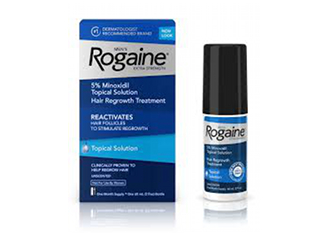
Regaine
- In our pharmacy, you can buy regaine without a prescription, with delivery in 5–14 days throughout the United Kingdom. Discreet and anonymous packaging.
- Regaine is used for the treatment of androgenetic alopecia (pattern hair loss) in men and women. Its active ingredient, minoxidil, helps stimulate hair follicles and prolong the growth phase of the hair cycle, promoting regrowth and slowing further thinning.
- The usual dose is 1 mL of 2% or 5% topical solution applied twice daily, or half a capful of 5% foam twice daily, as directed.
- The form of administration is topical solution or foam applied to the scalp.
- The effect usually begins to show after about 4 to 6 months of regular use, although some initial shedding may occur earlier.
- The duration of action is only maintained while treatment continues; ongoing use is needed to preserve results, and stopping treatment may lead to loss of regrown hair within 3 to 4 months.
- Alcohol is not specifically contraindicated with topical Regaine, but excessive alcohol use may worsen dehydration or skin irritation; avoid applying the product to irritated skin and use as directed.
- The most common side effects are scalp irritation, dryness, flaking, itching, and sometimes temporary increased hair shedding; unwanted facial hair growth can also occur.
- Would you like to try regaine without a prescription?
Regaine
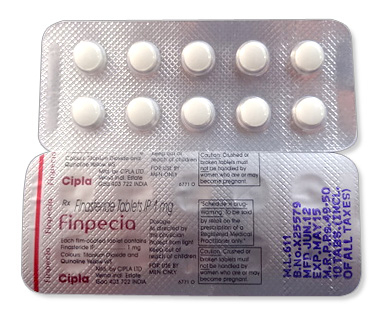
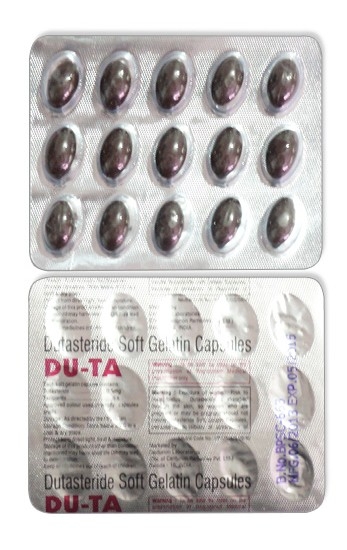
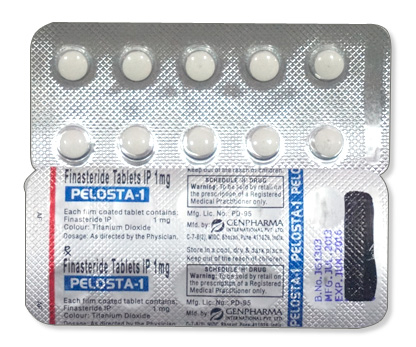
Basic Regaine Information
- INN (International Nonproprietary Name): Minoxidil
- Brand names available in United Kingdom: Regaine
- ATC Code: D11AX01
- Forms & dosages: Topical solution 2% and 5%; topical foam 5%; oral tablet 2.5 mg and 10 mg
- Manufacturers in United Kingdom: Kenvue Brands, Perrigo, Aurobindo Pharma, Taro, Apotex, Teva, Sun Pharma, Watson Labs, Pfizer, Bausch & Lomb, Hikma
- Registration status in United Kingdom: OTC for topical minoxidil; oral minoxidil is prescription only
- OTC / Rx classification: Topical minoxidil is OTC; oral minoxidil is prescription only
Everyday Use And Best Practices For Regaine
Morning Vs Evening Dosing
A common question is whether Regaine works better in the morning or at night.
For topical minoxidil, the usual routine is twice daily, using 1 mL of the solution or half a capful of foam as directed on the pack.
In practice, the best time is the time you can keep to.
A lot of people in the UK fit it around brushing their teeth after breakfast and again before bed, or after a shower when the scalp is dry.
That matters more than chasing the “perfect” hour, because visible results usually take 4 to 6 months and consistency is what supports hair regrowth treatment.
If you are using Regaine for Men or Regaine for Women, try to make it part of an ordinary routine rather than something you remember only when hair loss is on your mind.
Taking With Or Without Meals
Topical Regaine is not taken with food, because it is applied to the scalp rather than swallowed.
A few simple habits make daily use easier:
- Let the scalp dry fully before applying minoxidil solution or minoxidil foam.
- Wash your hands straight after use.
- Avoid getting it on pillows, hats, or styling products before it has dried.
- If you use hair gels, sprays, or leave-in products, apply Regaine first and allow drying time.
That kind of UK routine tends to work well for people juggling work, commuting, and family life.
The aim is steady scalp application, not perfection, so it helps to keep the product where you will see it every day.
Safety Priorities Before Starting Regaine
Who Should Avoid It
Topical minoxidil is available over the counter in the UK, but it is not suitable for everyone.
It should be avoided if you are allergic to minoxidil or any excipients in the product, or if you have open scalp wounds, sunburn, infection, or active scalp dermatoses.
Use caution in pregnancy and breastfeeding, and speak to a pharmacist or prescriber before starting if you have cardiovascular disease or scalp psoriasis, as absorption may be increased.
Oral minoxidil is a different medicine altogether.
It is prescription only and is not the standard hair-loss product.
Activities To Limit
Most people using topical treatment do not get systemic effects, but if dizziness, palpitations, or faintness happen, stop safety-critical activities and get advice.
If the product gets into the eyes or mouth, rinse immediately and seek help if symptoms follow.
- Stop and seek advice if you notice redness that worsens, itching, swelling, rapid heartbeat, dizziness, or unexpected shedding that feels severe.
- Stop and seek advice if you develop chest symptoms, faintness, or any reaction that seems more than mild scalp irritation.
- Stop and seek advice if the solution is repeatedly irritating broken or inflamed skin.
That is the usual pharmacist-first approach in the UK: stay practical, watch for warning signs, and do not push through symptoms that are getting worse.
Dosage And Adjustments
General Regimen
For androgenetic alopecia, adults typically apply 1 mL of 2% or 5% solution twice daily, or half a capful of foam twice daily.
That schedule is the standard topical minoxidil routine used for Regaine solution and Regaine foam.
Treatment is long term.
If you stop, any regrowth may be lost within 3 to 4 months.
Routine use is not recommended under 18 years for hair-loss treatment.
Special Cases
| Standard Use | When To Ask A Clinician |
|---|---|
| Adults using 1 mL of 2% or 5% solution twice daily, or half a capful of foam twice daily | Ask if you are under 18, pregnant, breastfeeding, or unsure which strength suits you |
| Older adults usually do not need a specific topical dose change | Ask if skin is thin, irritated, or if you notice more absorption than expected |
| Topical use is generally straightforward | Ask if you have kidney or liver impairment, cardiovascular conditions, or take other medicines |
If you are older or have medical conditions, a pharmacist, GP, or prescriber can help you choose between minoxidil 2% and minoxidil 5%, or decide whether a different option makes more sense.
User Experiences And What To Expect
Positive Reports From UK Patients
Many UK users like the simplicity of topical treatment.
It is easy to buy, easy to fit into a routine, and it offers the possibility of visible thickening after several months.
Pharmacists are often the first point of contact when people want to know whether Regaine reviews match real-life use.
The honest answer is that results vary, but steady use is what gives minoxidil hair loss treatment its best chance.
Common Challenges
A pattern that comes up often in patient discussions is that the first few weeks can feel a bit discouraging.
- Initial shedding can happen as follicles cycle.
- Dryness and flaking are common complaints.
- Remembering twice-daily use can be hard in busy routines.
- Some people struggle to keep styling products separate until the scalp has dried.
That early shedding does not automatically mean treatment is failing.
It can be part of the hair cycle change that happens as follicles respond.
Patient forums such as NHS-style discussions and general patient.info threads tend to show the same themes: patience, adherence, and realistic expectations.
Buying Guide In The UK
Pharmacy Sources
Topical minoxidil is widely available over the counter in the UK, including from high-street pharmacies and online pharmacy services.
Boots, LloydsPharmacy, and Superdrug may stock branded and generic options, and many people prefer to ask a pharmacist before choosing between Regaine for Men, Regaine for Women, or a generic minoxidil foam.
That is especially helpful if you are comparing where to buy Regaine, or if you want guidance before starting on a Friday evening order.
In our online pharmacy, Regaine is available without a prescription, with discreet delivery to United Kingdom in 5 to 14 days.
Price Comparison
Topical Regaine and other minoxidil products are usually bought privately rather than on a standard NHS prescription for hair loss.
In England, prescription charges apply to eligible NHS items, while Scotland, Wales, and Northern Ireland have free NHS prescriptions, although hair-loss treatment is not routinely prescribed on the NHS.
Prices vary by 2% versus 5%, solution versus foam, and by kit size.
| Buying Route | Typical UK Use | What To Expect |
|---|---|---|
| High Street Pharmacy | Branded or generic hair regrowth treatment | Advice from a pharmacist and immediate purchase |
| Online Pharmacy | Private purchase with home delivery | Convenient comparison of strengths and pack sizes |
| Supermarket Or Own-Label Product | Some stores stock topical minoxidil products | Often lower-cost options, depending on availability |
What Is Inside And How It Works
Ingredients Overview
The active ingredient in Regaine is minoxidil.
It is available as 2% and 5% topical solution and as 5% foam.
Packaging varies by brand and country, but the UK brand name Regaine is widely recognised.
Excipients can differ between products, which matters if you have a history of contact allergy.
Mechanism Basics Explained Simply
| What Minoxidil Was Originally For | What It Does For Hair |
|---|---|
| It was first used as an oral blood-pressure medicine | Hair growth was noticed as a side effect |
| Systemic use is different from topical hair-loss treatment | Topical use helps follicles stay in the growth phase for longer |
| Oral minoxidil is prescription only | Users notice less thinning and possible regrowth over time |
You do not need to understand biochemistry to use it well.
The main point is simple: continued scalp application may help thinning hair look denser over time.
Main Indications
Approved Uses
In the UK, the main licensed use for topical minoxidil is androgenetic alopecia, which is male and female pattern hair loss.
It is an OTC product for adults, and results are usually assessed after 4 to 6 months.
Regaine for Men and Regaine for Women are both part of that pattern-hair-loss market, with different pack labelling but the same active ingredient.
Off-Label Uses In UK Clinics
| Use | Status | Who Should Review |
|---|---|---|
| Topical Regaine for androgenetic alopecia | Approved OTC use | Pharmacist, GP, or prescriber if unsure |
| Oral minoxidil for hair loss | Not routine; prescription only medicine | Specialist or GP with monitoring |
| Use for sudden, patchy, or illness-related hair loss | Needs assessment | Pharmacist, GP, or dermatologist |
The key distinction is between topical Regaine and oral minoxidil.
Oral minoxidil exists, but it is a different medicine used for severe hypertension and should only be considered under medical supervision.
Interaction Warnings
Food Interactions
Topical Regaine has no meaningful food interaction because it is applied to the scalp, not swallowed.
If you feel dizzy, it is sensible to be careful with alcohol or excess caffeine until symptoms settle, but that is a practical caution rather than a direct interaction.
Drug Conflicts
- Avoid layering multiple irritating scalp products on the same area.
- Check before combining with other topical treatments if your scalp is already sore or flaky.
- Speak to a pharmacist or GP if you get palpitations, swelling, or dizziness, especially if you take cardiovascular medicines.
- Report suspected side effects through the MHRA Yellow Card scheme.
Serious interactions are uncommon with topical use, but scalp irritation can build up if products are stacked carelessly.
Latest Evidence And Insights
Key UK And EU Studies 2022 To 2025
| What Studies Suggest | What Patients Should Do |
|---|---|
| Topical minoxidil remains a widely used first-line option for pattern hair loss | Use it consistently and review progress after several months |
| Response varies between individuals | Keep expectations realistic and judge benefit by visible density and shedding |
| Adherence is crucial | Build it into a routine so treatment is maintained long term |
Recent evidence continues to support minoxidil hair loss treatment as a practical option, but it works best as maintenance rather than a one-off fix.
What This Means For UK Patients
The practical message is straightforward: give it time, review after several months, and get help if side effects are troublesome.
Visible hair regrowth may take 4 to 6 months, and stopping can reverse gains within 3 to 4 months.
That is why so many pharmacists frame Regaine as a long-term routine, not a quick cosmetic change.
Alternative Choices
NHS Prescribing Alternatives With Pros And Cons
If topical minoxidil does not suit you, there are other routes to consider.
Finasteride is an oral medicine used for hair loss in men only, and it has a different risk profile from minoxidil.
Cosmetic thickening fibres and non-minoxidil serums can help appearance, but they do not act in the same way as topical minoxidil.
- Minoxidil suits you if you want an OTC topical option, can manage twice-daily use, and are happy with a long-term routine.
- Another option may be better if you cannot tolerate scalp irritation, dislike frequent application, or want a different approach after assessment.
When Alternatives May Suit Better
If hair loss is sudden, patchy, or linked to illness, a pharmacist, GP, or dermatologist should review it before you choose a treatment.
Women may be offered different approaches depending on the cause of hair loss, and any alternative should be selected carefully rather than guessed at from a shop shelf.
Regulation Snapshot
MHRA Approval And OTC Status
Topical minoxidil is OTC in the UK, while oral minoxidil is prescription only.
That means you can buy Regaine and similar products without a prescription, but pharmacy advice still matters.
Minoxidil is regulated as a dermatological product for hair loss, and the brand Regaine is widely used across the UK and EU.
NHS Prescribing Framework
| Access Route | What It Means | UK Context |
|---|---|---|
| OTC | Can be bought without a prescription | Topical Regaine and other minoxidil products |
| Prescription Only | Needs a prescriber | Oral minoxidil is not the standard hair-loss product |
| NHS Access | Limited for hair loss | Hair-loss products are commonly purchased privately |
Online pharmacies should be regulated and dispense safely in the UK, so it is worth choosing a trusted source.
Frequently Asked Questions
Common UK Patient Questions
How long does Regaine take to work?
Visible effect usually takes 4 to 6 months.
What happens if I stop using it?
Any regrowth may be lost within 3 to 4 months.
Can women use Regaine?
Yes, suitable topical forms can be used by women, including Regaine for Women.
Is foam or solution better?
Both are used for androgenetic alopecia, and the better choice is usually the one you will apply consistently.
Quick Answers For Busy Patients
Early shedding can happen, and it does not always mean the treatment is failing.
Consistency is the key point.
If irritation, dizziness, or palpitations appear, speak to a pharmacist or GP rather than trying to push on.
Guidelines For Proper Use
UK Pharmacist Counselling Style
Apply Regaine to a dry scalp.
Use the correct dose.
Wash your hands after use.
Allow time to dry before styling or going to bed.
Store it at room temperature, away from heat and moisture, with the bottle tightly closed.
If you miss a dose, apply it when you remember unless it is nearly time for the next one, and do not double up.
NHS Patient Support Advice
- Speak to a pharmacist if irritation, palpitations, swelling, or dizziness develops.
- Speak to a GP if hair loss is sudden, patchy, or linked to another illness.
- Use high-street pharmacies or online pharmacy support for repeat buying and product choice.
- Keep the product in the original packaging when travelling or storing it.
That style of counselling usually keeps treatment simple, safe, and realistic.
Delivery Across United Kingdom
| City | Region | Delivery time |
|---|---|---|
| London | England | 5 to 7 days |
| Birmingham | England | 5 to 7 days |
| Manchester | England | 5 to 7 days |
| Leeds | England | 5 to 7 days |
| Liverpool | England | 5 to 7 days |
| Newcastle upon Tyne | England | 5 to 7 days |
| Sheffield | England | 5 to 9 days |
| Bristol | England | 5 to 7 days |
| Nottingham | England | 5 to 9 days |
| Glasgow | Scotland | 5 to 7 days |
| Edinburgh | Scotland | 5 to 7 days |
| Cardiff | Wales | 5 to 7 days |
| Belfast | Northern Ireland | 5 to 7 days |
| Leicester | England | 5 to 9 days |