
Hair Loss

Understanding Hair Loss
Hair loss, medically known as alopecia, is a common condition affecting millions of people worldwide, including those in the United Kingdom. It occurs when hair falls out faster than it can be replaced, leading to thinning hair or baldness. Hair loss can affect just the scalp or the entire body, and it may be temporary or permanent depending on the underlying cause.
Types of Hair Loss
The most common type is androgenetic alopecia, or male and female pattern baldness, which accounts for the majority of hair loss cases. Telogen effluvium is another widespread form where hair prematurely enters the shedding phase, often triggered by stress, illness, or hormonal changes. Alopecia areata is an autoimmune condition causing sudden hair loss in patches. Other types include:
- Trichotillomania (hair-pulling disorder)
- Scarring alopecia
- Anagen effluvium
Each presents with distinct characteristics and causes, making professional diagnosis valuable for effective treatment.
Common Causes
Hair loss can result from various factors including genetics, hormonal imbalances, nutritional deficiencies, stress, certain medications, and medical conditions such as thyroid disorders and anaemia. Age plays a significant role, as hair loss becomes more common as people get older. Poor scalp health, excessive heat styling, and harsh chemical treatments can also contribute to hair loss.
Medical Treatments and Medications
Minoxidil Products
Minoxidil is one of the most widely available treatments for hair loss in the United Kingdom. Available under brand names such as Regaine, it is an over-the-counter topical solution applied directly to the scalp. Minoxidil works by widening blood vessels and improving blood flow to hair follicles, encouraging growth and thickening of existing hair. It is suitable for both men and women, though formulations may vary. Results typically become visible after three to six months of consistent use, and treatment must be continued to maintain benefits.
Finasteride Treatment
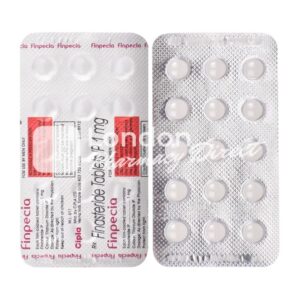
Finasteride, marketed as Propecia in the UK, is a prescription medication primarily used for male pattern baldness. This tablet works by reducing the conversion of testosterone to dihydrotestosterone, a hormone responsible for hair loss in genetically predisposed men. Finasteride is taken daily and has been clinically proven to slow hair loss and promote regrowth in many patients. It is not suitable for women, particularly those who are pregnant or planning pregnancy, due to potential risks to foetal development.
Other Available Options
The UK market also offers other treatments including caffeine-based shampoos and serums, which claim to stimulate hair follicles and improve scalp circulation. Ketoconazole shampoos are prescribed for specific scalp conditions that may contribute to hair loss. Some patients explore low-level laser therapy devices and scalp treatments, though evidence for their effectiveness varies.
Nutritional Support and Supplements
Essential Vitamins and Minerals
Hair health depends significantly on adequate nutrition. Biotin, a B-vitamin, is essential for keratin production and is commonly included in hair loss supplements. Iron deficiency can trigger hair loss, making iron supplementation important for some individuals. Zinc plays a crucial role in hair growth and immune function, whilst vitamin D deficiency has been linked to various forms of alopecia. Vitamin B12, folate, and vitamin C also support healthy hair growth and are frequently found in hair health formulations available across UK pharmacies.
Popular Supplement Brands
Many UK pharmacies stock supplements specifically formulated for hair health. These products typically combine multiple nutrients such as biotin, zinc, iron, and vitamins in convenient tablet or capsule forms. Popular options include those containing silica, selenium, and amino acids like l-lysine and l-methionine, which support collagen and keratin production. These supplements are available without prescription and can be used alongside prescription medications or as standalone treatments.
Dietary Approaches
Alongside supplements, consuming a balanced diet rich in protein, healthy fats, and micronutrients supports hair health. Foods like salmon, eggs, nuts, seeds, and leafy greens provide essential nutrients for hair growth. Many individuals find that addressing nutritional deficiencies through diet and supplementation helps reduce hair loss, particularly when combined with other treatments.
Natural Remedies and Topical Solutions
Plant-Based Treatments
Natural remedies have been used traditionally to address hair loss and remain popular in the UK. Tea tree oil, coconut oil, and argan oil are believed to nourish the scalp and promote hair health. Saw palmetto, derived from a small palm tree, is used by some as a natural alternative to finasteride, though scientific evidence is limited. Rosemary oil and peppermint oil are traditional remedies that some believe stimulate circulation to the scalp.
Scalp Care Products
A healthy scalp is fundamental to preventing hair loss. Specialist shampoos and conditioners designed for thinning hair are widely available in UK pharmacies. These products typically contain ingredients like proteins, panthenol, and botanical extracts to strengthen hair and improve scalp health. Scalp massages, promoted as a natural way to increase blood flow to hair follicles, are often recommended as a complementary approach alongside other treatments.
Lifestyle Modifications
Reducing stress through exercise, meditation, or yoga may help, as stress is a known trigger for telogen effluvium. Avoiding tight hairstyles, excessive heat styling, and chemical treatments protects existing hair. Getting adequate sleep and maintaining overall health through regular exercise supports hair growth cycles.
When to Seek Professional Advice
Signs You Should Consult a Healthcare Provider
If you experience sudden hair loss, lose more than 100 hairs daily, notice bald patches, or have significant thinning, it is advisable to see a doctor or dermatologist. Sudden changes in hair loss patterns warrant professional evaluation, as they may indicate underlying health conditions. Pharmacists in UK pharmacies can also provide initial guidance and recommend appropriate over-the-counter treatments.
Diagnostic Process
Healthcare professionals may perform blood tests to identify deficiencies in iron, vitamin D, or thyroid function. Examination of the scalp helps determine the type of hair loss. In some cases, a scalp biopsy may be necessary to diagnose specific conditions. This diagnostic approach ensures you receive the most appropriate treatment for your particular situation.
Professional Treatment Options
Beyond medications available in pharmacies, dermatologists may recommend treatments such as steroid injections for alopecia areata, platelet-rich plasma therapy, or hair transplant surgery in severe cases. Some clinics offer advanced treatments not typically found in high street pharmacies, and a professional consultation can help determine if these options are suitable for you.
Long-Term Management and Prevention
Maintenance Strategies
Successful hair loss management typically requires consistency and patience. Whether using minoxidil, finasteride, supplements, or natural remedies, maintaining regular treatment is essential to see results and prevent further loss. Many people find that combining approaches, such as medication with nutritional support and good scalp care, yields better outcomes than single treatments alone.
Realistic Expectations
It is important to maintain realistic expectations when treating hair loss. Most treatments slow hair loss and may promote some regrowth, but they rarely restore hair to the density of youth. Results vary significantly between individuals depending on genetics, the cause of hair loss, and how early treatment begins. Patience is crucial, as visible improvements typically take several months.
Ongoing Support
UK pharmacies offer excellent resources for ongoing support and advice about hair loss treatments. Pharmacists can answer questions about product selection, usage, potential side effects, and interactions with other medications. Regular check-ins with your pharmacist or doctor help ensure you are using the most effective treatment plan for your needs and can adjust approaches if necessary.